

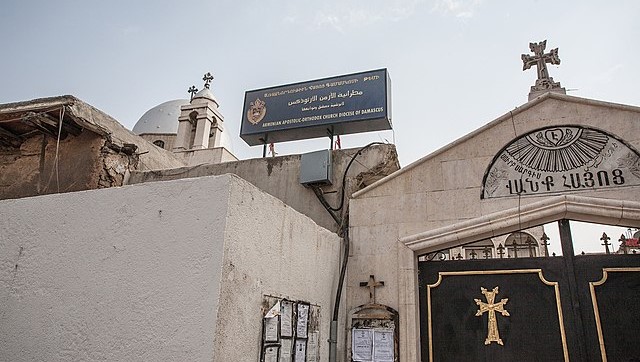
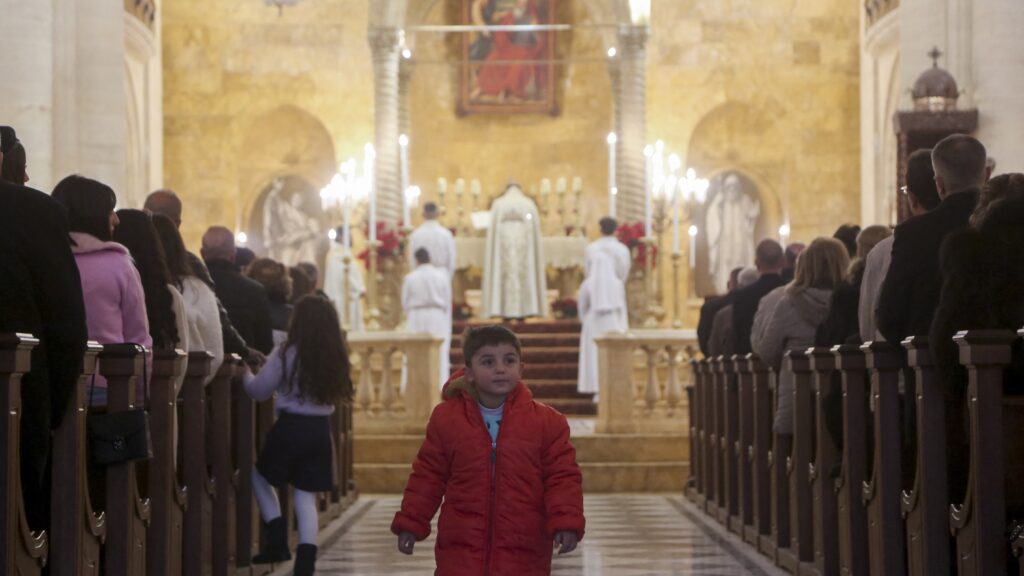

Although the regime change in Syria raised hopes for the restoration of stability, the protection of religious minorities has still not been realized. The mass killings committed in recent times indicate that minority communities remain in grave danger, which calls for decisive action from the international community.
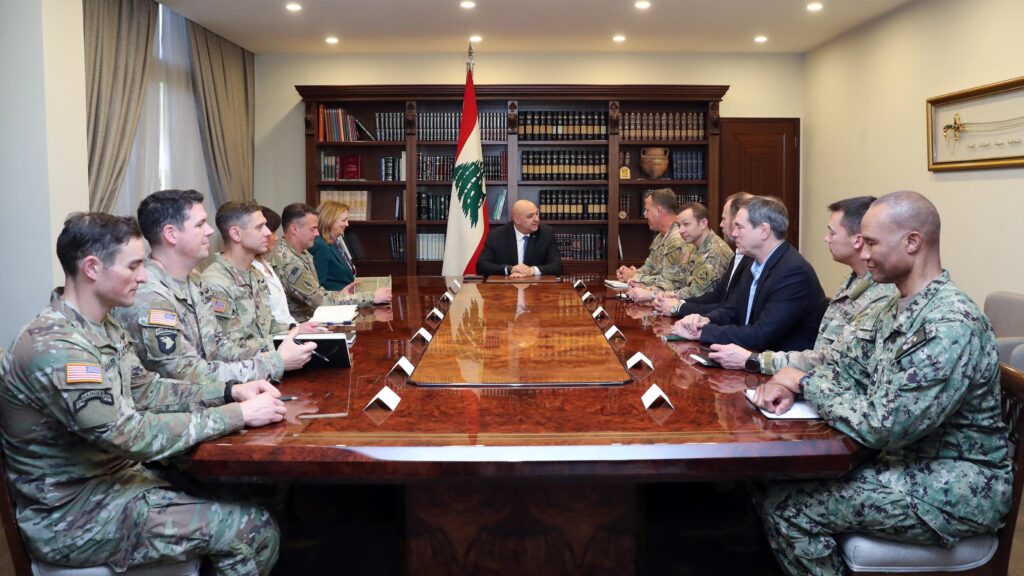
‘Hungary’s humanitarian and military aid to Lebanon can contribute to regional stability and it also reflects Hungary’s broader geopolitical interests, that is, a stable Lebanon for the sake of the Middle East—and also for Europe, which faces potential security and migration challenges.’
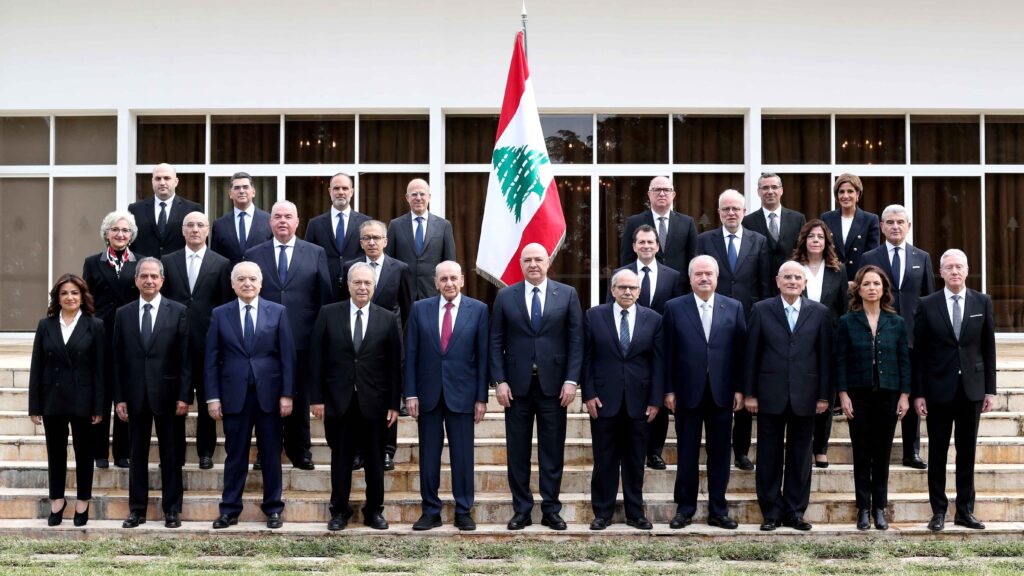
‘Besides all the bad news, there are sometimes good ones, too, even from difficult regions like the Middle East. After a long time, a new president has been elected in Lebanon,’ Hungarian foreign minister Péter Szijjártó commented on the election of Michael Aoun.
In the new, post-Assad chapter of Syria’s history Hungary will likely continue to emphasize humanitarian aid, regional stability, and the prevention of migration crises in its Damascus policy. The Hungary Helps Program, coupled with EU-led initiatives, makes Hungary a proactive participant in addressing the Syrian crisis and fostering the stability of the Middle East.
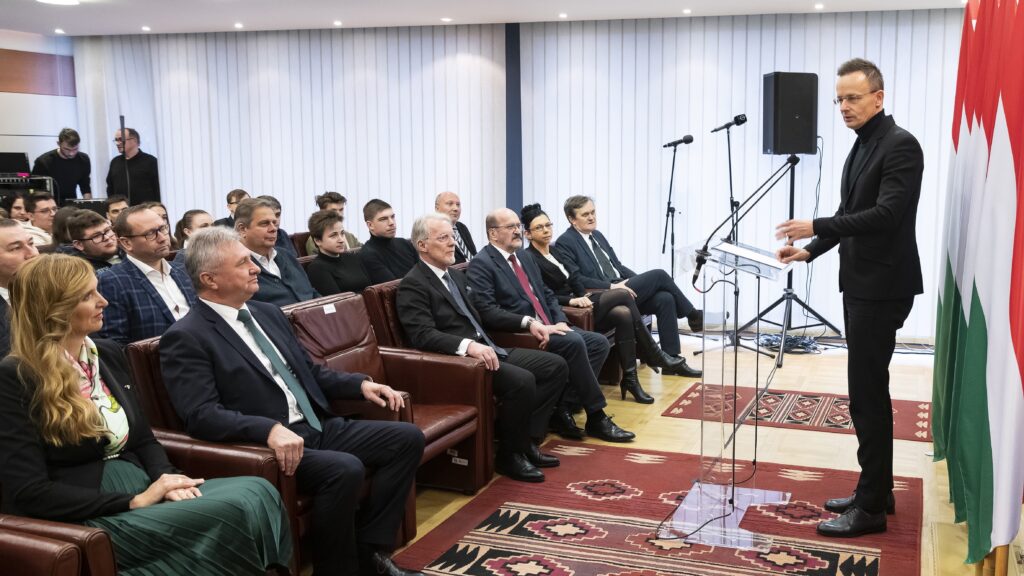
In his remarks at the University of Nyíregyháza on Friday Minister of Foreign Affairs and Trade Péter Szijjártó noted: ‘The West seems willing to fight until the last Ukrainian youth with the possibility of lowering the conscription age’, adding that the Ukrainian nations’ future is at risk.
In a recent interview with The Jerusalem Post, Israeli Ambassador to Hungary Yacov Hadas-Handelsman argued that as opposed to its frequent portrayal as an anti-democratic and antisemitic country, the reality about Hungary is quite different. He highlighted the Orbán government’s steadfast support of Israel at international forums and the fact that Hungary is one of the safest countries in the world for Jewish people.
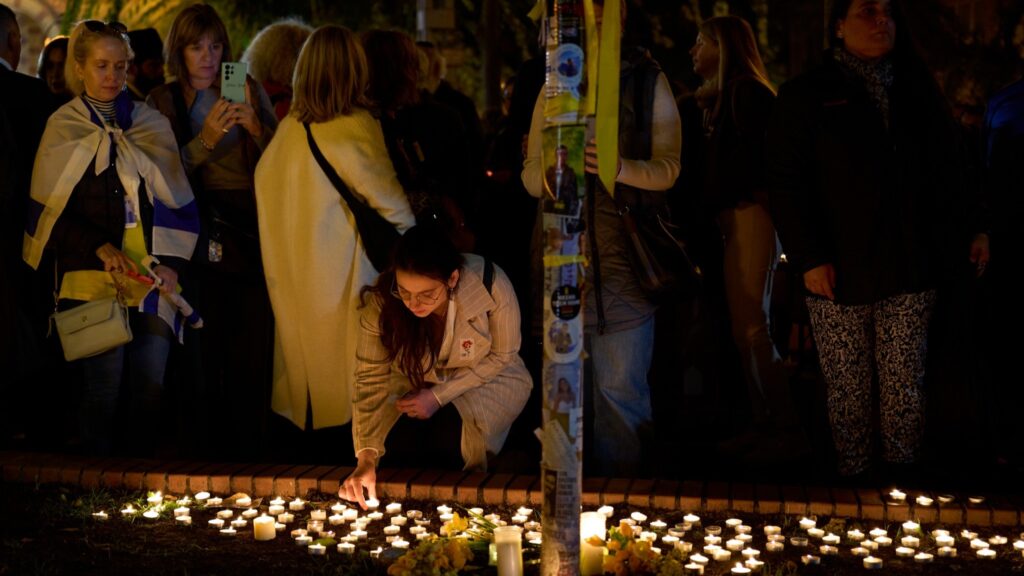
‘Instead of looking for explanations as to why this terrible thing happened, I suggest that we respond to death with life and fulfil everything that was not given to them, to those who died on 7 October. The murderers robbed them of their dreams, their hopes and their future; we have only one answer: let’s stand up together for them!’, Andor Grósz, President of the Federation of Hungarian Jewish Communities said at the Dohány Street synagogue commemoration in Budapest.
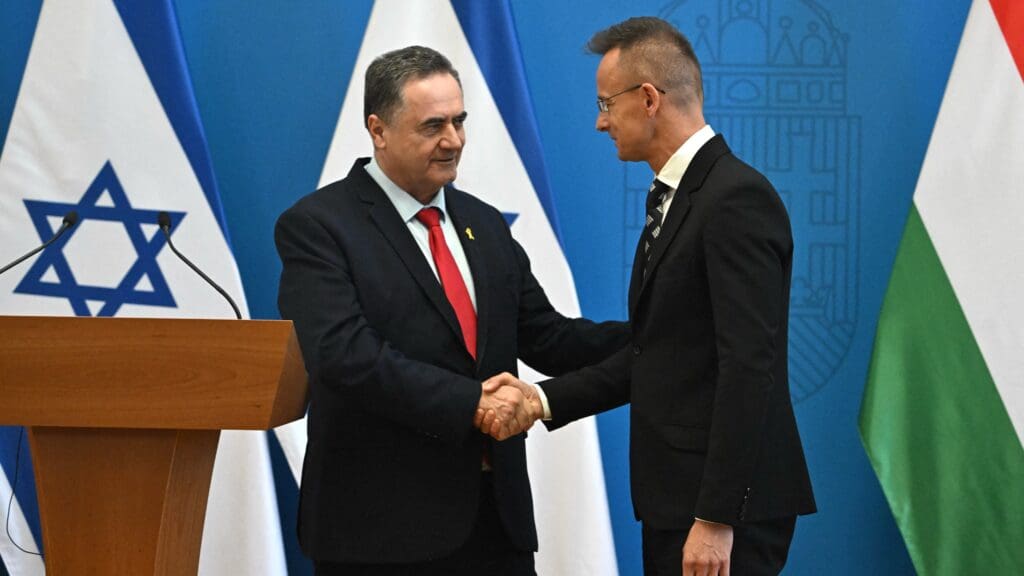
Minister of Foreign Affairs of the State of Israel Israel Katz visited Hungary recently for the first time since he took up office. He met with President of Hungary Tamás Sulyok, Minister of Foreign Affairs and Trade Péter Szijjártó, and the leaders of the Hungarian Jewish communities. The main aim of the visit was to determine, with Hungary soon taking over the presidency of the EU, how Budapest and the Union would take action against anti-Israel efforts in the next six months.
In the latest episodes of the Danube Institute’s podcast co-chair of the Israeli Sovereignty Movement Nadia Matar spoke about the nature of radical Islamist terrorism. To demonstrate her point, she showed a flag from the city of Bethlehem with the Arabic phrase ‘We will murder Jews on Saturdays and we will murder Christians on Sundays’ written on it.
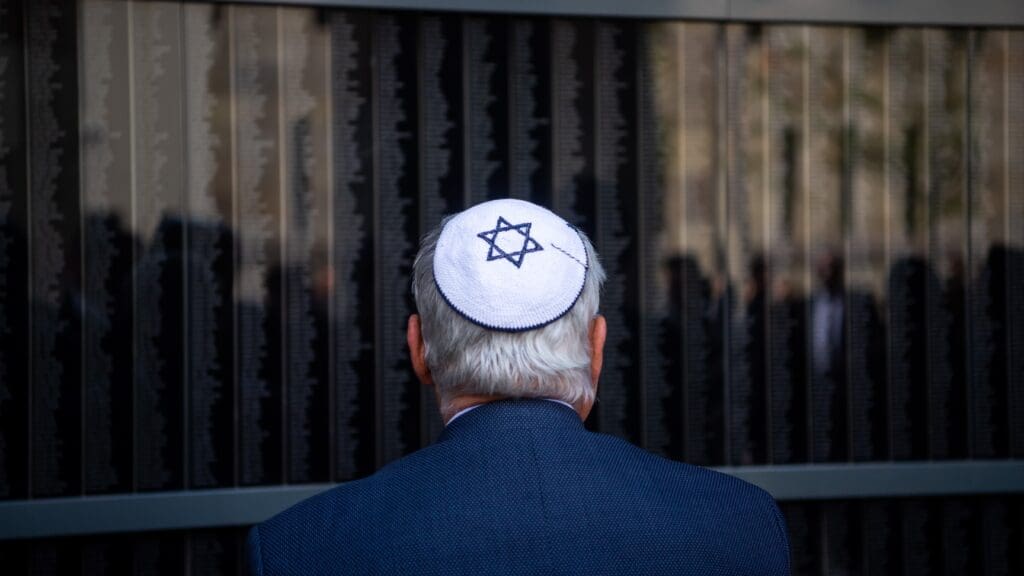
16 April has been observed annually since 2001 as the Memorial Day of the Hungarian Victims of the Holocaust. On the 80th anniversary of the ghettoization of Hungarian Jews state dignitaries, including the Hungarian prime minister, and leaders of the Jewish community commemorated the victims.

At a time when public debate is increasingly polarized and superficial, Hungarian Conservative remains committed to depth and independent thought.
Donate Now
Please consider supporting our mission.