
The following is a translated and edited version of an article by Anita Farkas, originally published in Hungarian on 31 May 2026 on Mandiner. Translated by Ildikó Antal-Ferencz.
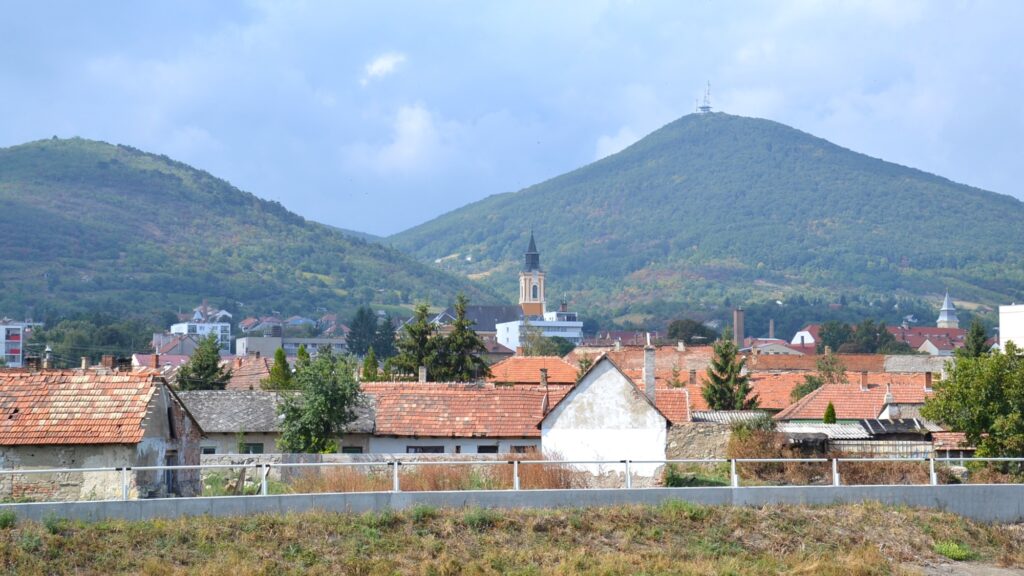
During the first massive (later on labeled as ‘great’) wave of emigration before World War I, a large number of people set sail from across the Austro-Hungarian Monarchy, including the Szekler (Székely) Land of Transylvania. The scale of this movement is well illustrated by the fact that nearly 200 people crossed the ocean from Homoródalmás, a village whose population at the time was approximately 2,300, in the hope of earning a better living. Their daily lives and experiences are being researched by Ibolya Török-Sándor, who herself originates from this village and has a personal connection to the subject: throughout her childhood, she frequently heard stories about her ‘American’ great-great-grandfather. Indeed, she encountered him almost every day, as a photograph of Mihály Ráduly hung on the wall of her grandparents’ kitchen. Remembering one’s ancestors was an integral part of family life—‘as if they had never died’.
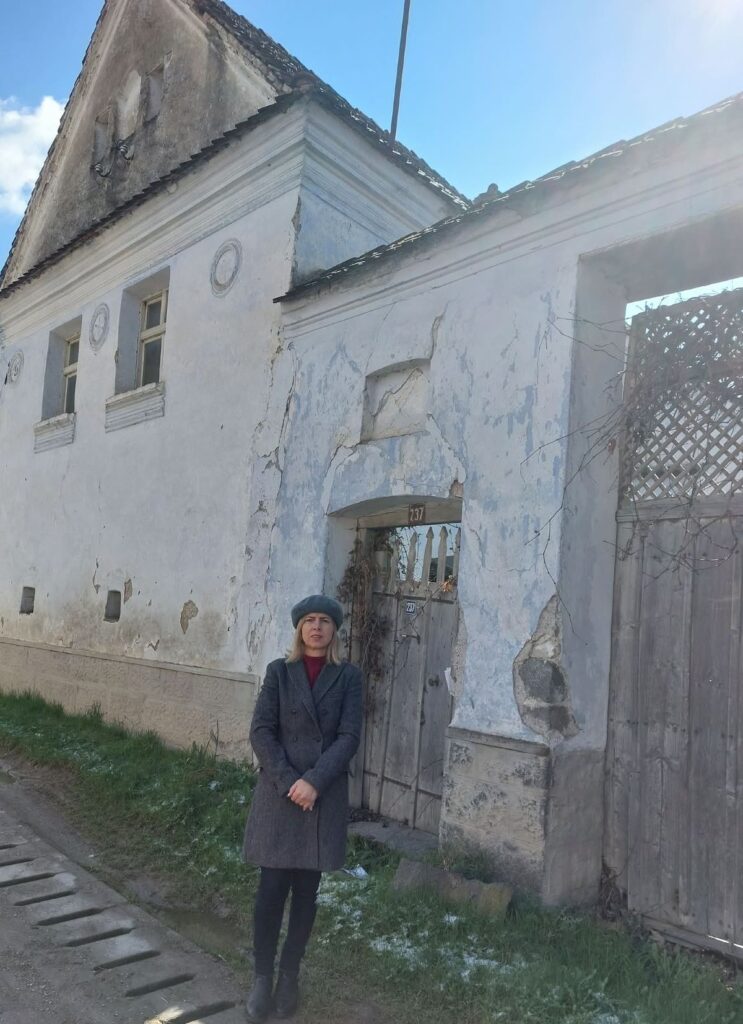
As Ibolya explains, during the 1980s, in the final years of the communist Ceaușescu dictatorship, when electricity was often unavailable, there was little else to do on winter evenings than tell family tales. They would first make an imaginary tour of the village, untangling family connections, before neighbors, godparents, and friends would gather in person to reminisce about the past. In addition, the portrait of her great-great-grandfather always fascinated her. ‘A suit, patent leather shoes, a pocket watch, a ring—I found it difficult to imagine that one of my ancestors had really dressed so elegantly, unlike anyone around here since, and had actually been to America.’
This was all the more remarkable because Mihály Ráduly had risen from humble beginnings. As the illiterate son of shepherd parents from Falumezeje Street, he became a servant in the more prosperous Boér household on Main Street. After marrying one of their daughters, Lidi, he followed the example of many of his fellow villagers and undertook the long journey in the hope of buying land of his own. In 1912, at the age of 33 and as the father of an eight-year-old girl, he boarded a ship bound for America. Although this was probably never part of the original plan, the outbreak of war meant that he did not return home—by then Romania—until January 1920. Ten months later, he died from a lung disease caused by factory work in New Brighton, PA, while the land he had acquired through years of blood and sweat would soon fall victim to socialist collectivization.
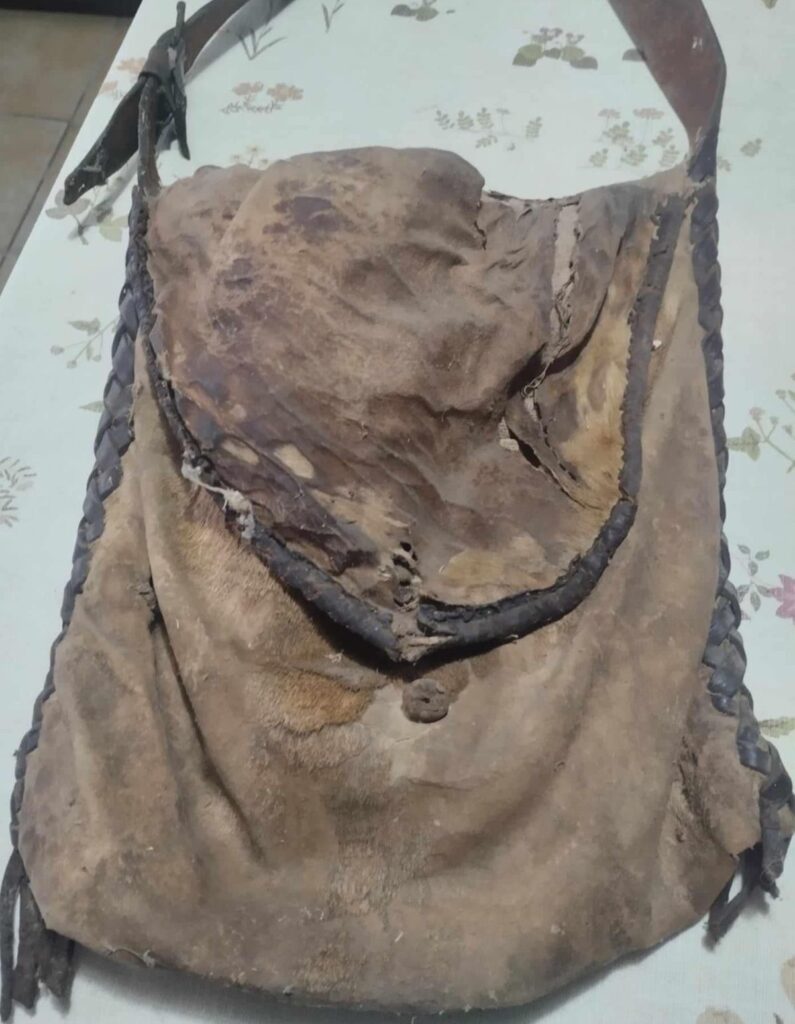
‘Not only do the anecdotes passed down through generations keep his memory alive, but several of his belongings have survived to this day: the shoulder bag he used in America, his passport filled with stamps, and a small-sized work glove that appears never to have been worn. There is also a genuine rarity—a membership booklet issued by the Workers’ Sick Benefit and Educational Association. It was produced in America, but in Hungarian, which clearly demonstrates how many Hungarians were living and working in certain parts of the United States at that time,’ Ibolya explains.
The family stories and treasures hidden away in the attic continued to intrigue her in adulthood. While searching online passenger lists and other digitized records for traces of her ancestor, she repeatedly came across the names of other people from Homoródalmás. Behind these names lay individual life stories, often heartbreaking in nature.
Ferenc László, another of Ibolya’s great-great-grandfathers, left behind two young children but fell ill and died during the voyage itself. Dénes Kenyeres, who had set out at the age of 17, died in a machine accident at a factory on the outskirts of Chicago, IL. Although local newspapers reported the incident—in which the young man’s arm was torn off—as an unfortunate accident, eyewitnesses from the village later claimed that it had been deliberately caused by a jealous supervisor.
Less tragic, but equally fascinating, is the story of Mózes Józsa. Having worked alongside a dentist in America, he brought home a collection of dental instruments. His great-grandson, who inherited both the tools and the knowledge, was still extracting teeth with them in Homoródalmás during the 1990s.
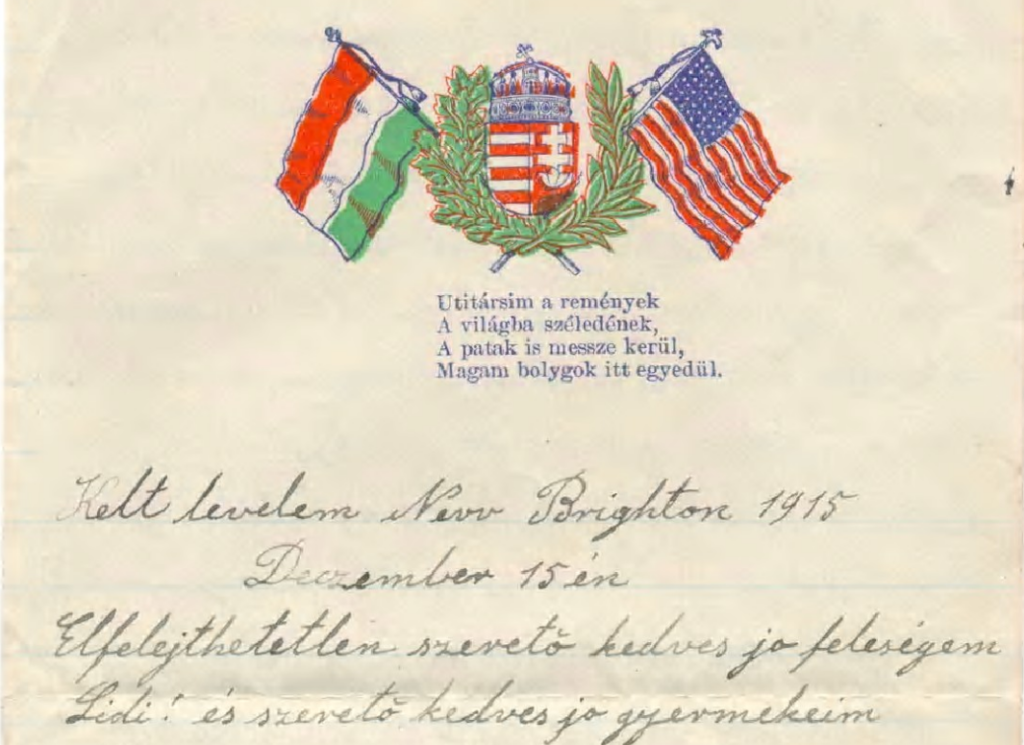
‘The most moving case for me—apart from that of my own great-great-grandfather—is that of András Sándor Kerti. He was the father of six children when he was forced to seek work abroad. Like many others, he became stranded in America because of the war and died there in 1917. His great-grandchildren still preserve the letters he wrote to his wife. It is deeply moving to read how he attempted to manage both the family and the farm from afar through written instructions, while every line conveys doubt, anxiety, guilt, and an overwhelming homesickness. A woman of Hungarian descent helped locate his grave in the cemetery at Sharon, PA, while that of Dénes Kenyeres was found in Chicago with the assistance of a fifth-generation Hungarian American. Once I had finally managed to establish the exact locations, identification proved relatively straightforward, because fellow villagers, relatives, and friends had inscribed the same words on the gravestones of all their unfortunate companions: ‘“resident of Homoródalmás”,’ says Ibolya.
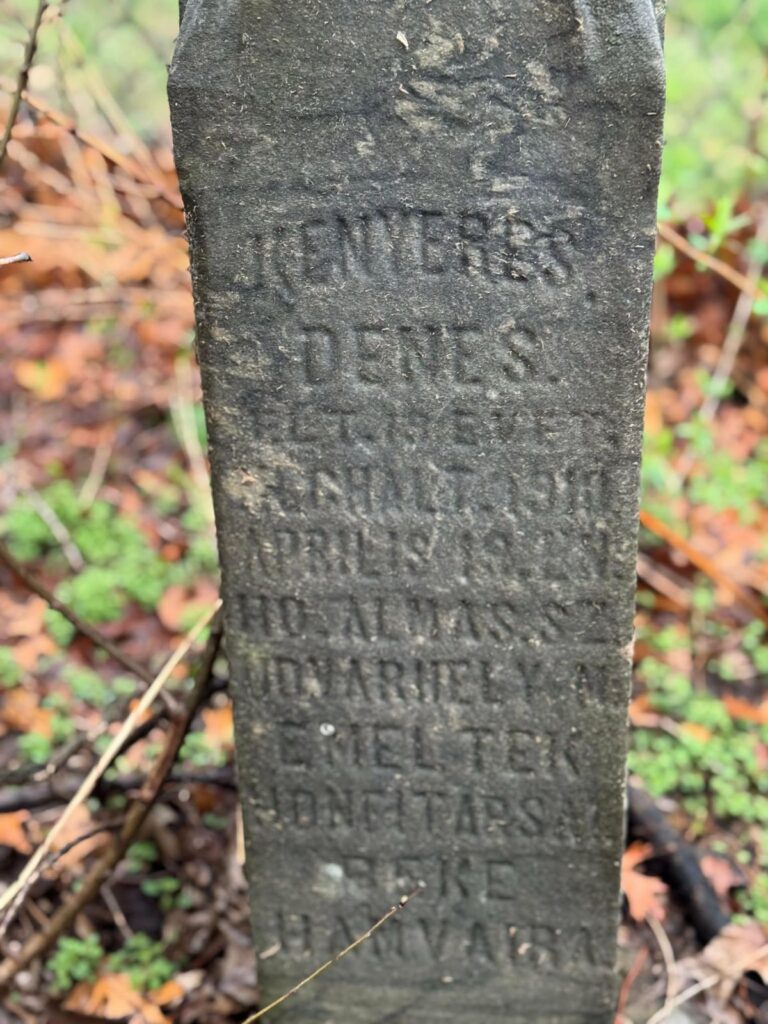
She continues her research partly in order to preserve their memory, now with the assistance of members of the Hungarian Roots & American Dreams Facebook group, which collects similar stories. To date, precise information has been uncovered about approximately 150 emigrants from Homoródalmás. Most were men who worked in mines and factories along the East Coast, and unless prevented by death, the majority eventually returned to their homeland.
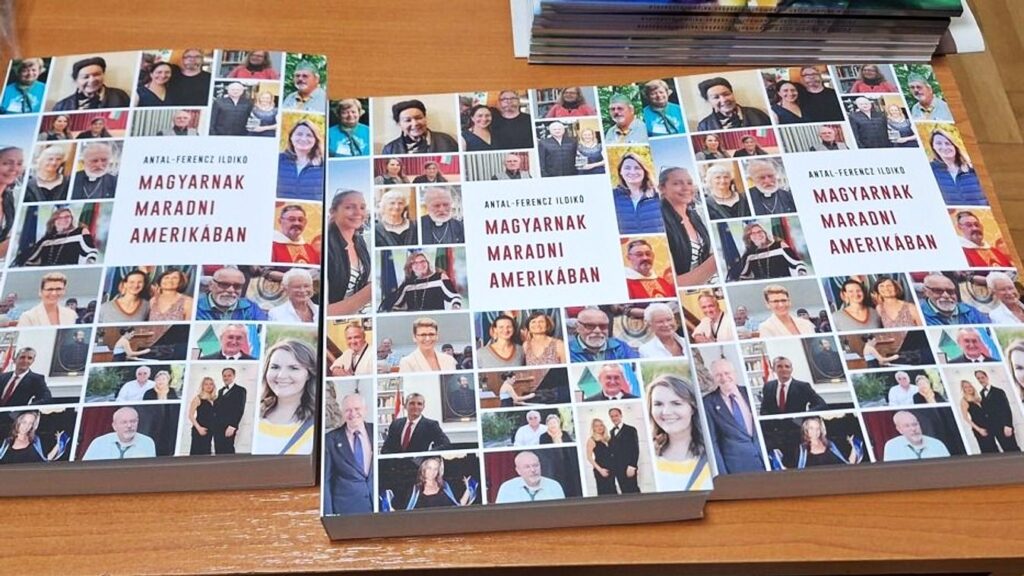
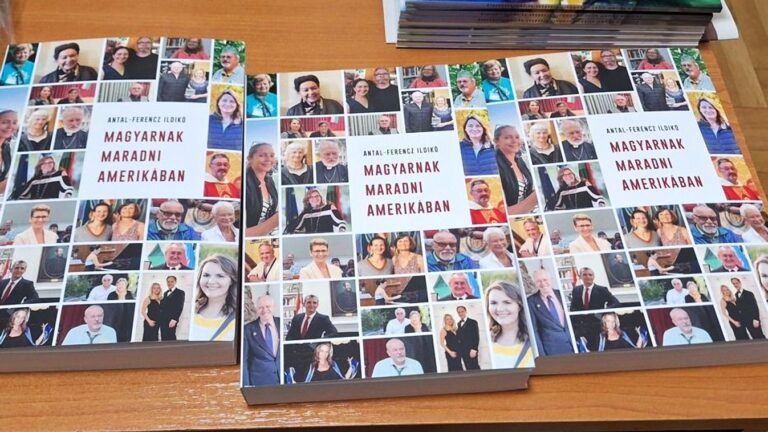
The stories of Mihály Ráduly and 20 of his fellow villagers, reconstructed with the help of their descendants, have already appeared in the first two volumes of the Hungarian Roots and American Dreams series edited by Réka Bakos and Anna Fenyvesi. In 2027, the project is expected to reach a new milestone: plans are underway to publish an expanded, standalone volume, richly illustrated with photographs and documents and focusing specifically on these emigrants from Homoródalmás.
Hungarian Roots and American Dreams
Between 1890 and 1920, more than one and a half million people left the territory of the Kingdom of Hungary for America in search of a better life. Some traveled alone, sending their wages back to family members who remained at home. Others sold everything they owned and boarded emigrant ships together with their families. There was scarcely a corner of the Carpathian Basin from which someone did not set out. As a result, many descendants today are curious about their ancestors’ stories. How did they live? How did they make their way in a foreign land? Where can descendants find assistance in researching these stories? This unique bilingual Facebook group was established to answer such questions and to provide a platform where descendants can collectively honor the memory of hundreds of thousands of Hungarian emigrants. Members share preserved photographs, forgotten documents, and family stories relating to relatives who sought their fortune on American soil.
The movement, launched by Réka Bakos—herself descended from an emigrant ancestor—and since expanded into a community heritage initiative, has already brought together more than 100 personal stories in book format, including the impact these experiences had on subsequent generations. At present, the Hungarian Roots and American Dreams series is planned to comprise seven volumes. In addition to the emigrants from Homoródalmás, future volumes of the series are expected to focus on topics such as the ‘Foresters of Sopron’, who immigrated to Canada together following the 1956 Hungarian Revolution, and the famous Dollar Farm (Dollártanya) community of Borsod County.
‘This history…encompasses the hundreds of thousands of ordinary Hungarians whose blood and sweat helped build bridges, skyscrapers, and railways’
Plans are also underway for a major exhibition. The concept for Legacy of Hungarians in the United States – People, Places, Pathways, a virtual and traveling physical exhibition, has attracted the support of numerous institutions and experts from a wide range of academic disciplines. On 4 July this year, the U.S. celebrates the 250th anniversary of its founding. The exhibition aims to present nearly two and a half centuries of Hungarian–American relations through 250 life stories, family histories, and 50 representative locations.
This history includes figures such as Mihály Fabriczy Kovács, who emigrated in 1777 and is remembered as the father of American light cavalry, as well as the many renowned American soldiers, scientists, and artists of Hungarian descent. Yet it also encompasses the hundreds of thousands of ordinary Hungarians whose blood and sweat helped build bridges, skyscrapers, and railways—and much else besides that continues to make America great today.
Related articles:
Click here to read the original article.
At a time when public debate is increasingly polarized and superficial, Hungarian Conservative remains committed to depth, intellectual honesty, and independent conservative thought.
Producing high-quality journalism requires resources. Your contribution helps us expand our coverage, reach new audiences, and keep our content accessible.

Please consider supporting our mission.