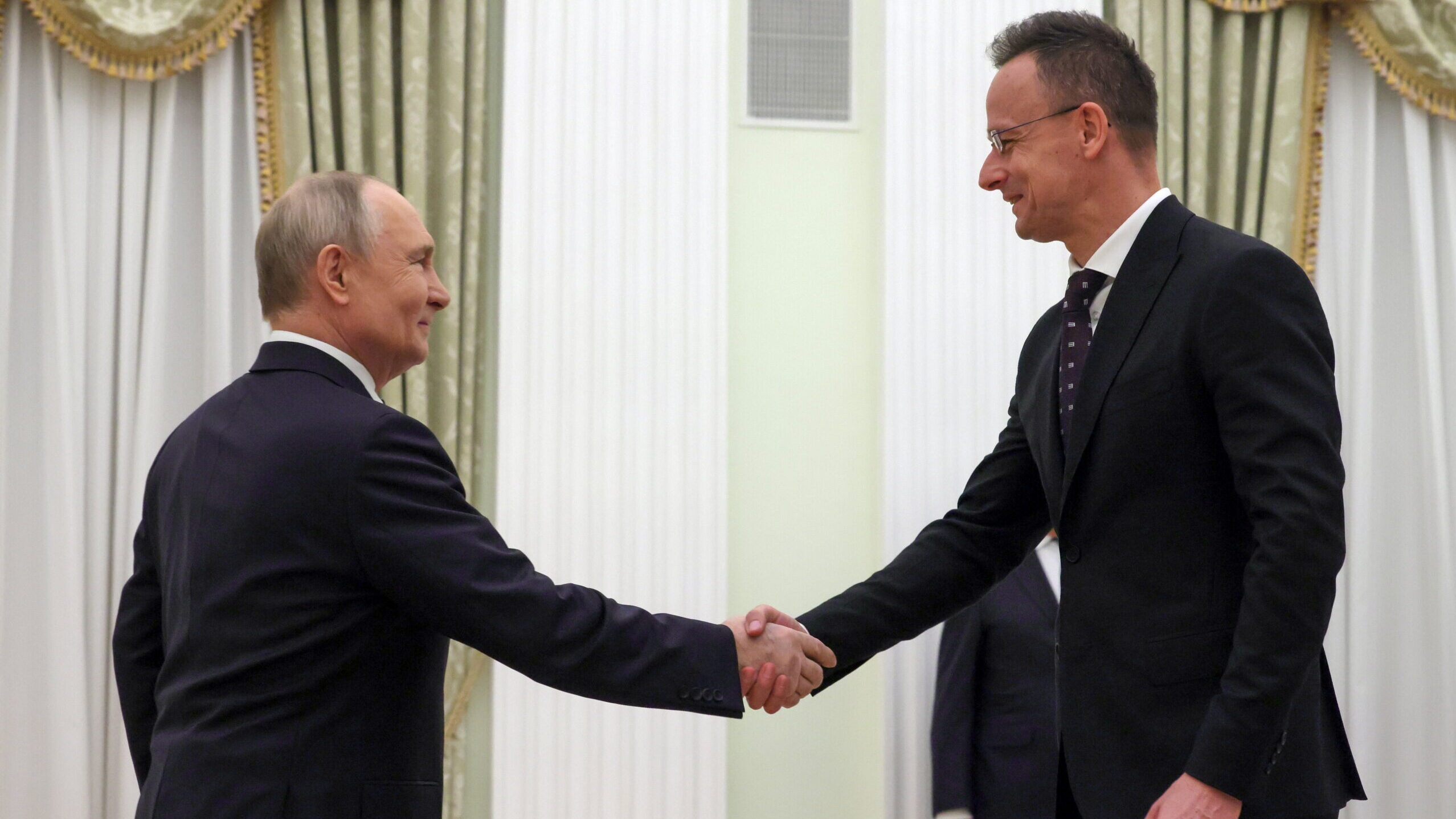
Hungarian Minister of Foreign Affairs and Trade Péter Szijjártó announced that two Hungarian prisoners of war from Transcarpathia have been released from captivity following his talks with Russian President Vladimir Putin in Moscow on Wednesday, 4 March.
‘Many ethnic Hungarians from Transcarpathia have been forcibly drafted into the Ukrainian army. Many have fallen, many are missing, and some have ended up in Russian captivity. We will continue our efforts to assist those affected,’ Szijjártó wrote in a post on X, adding that the Hungarian government ‘will continue our efforts to assist those affected.’
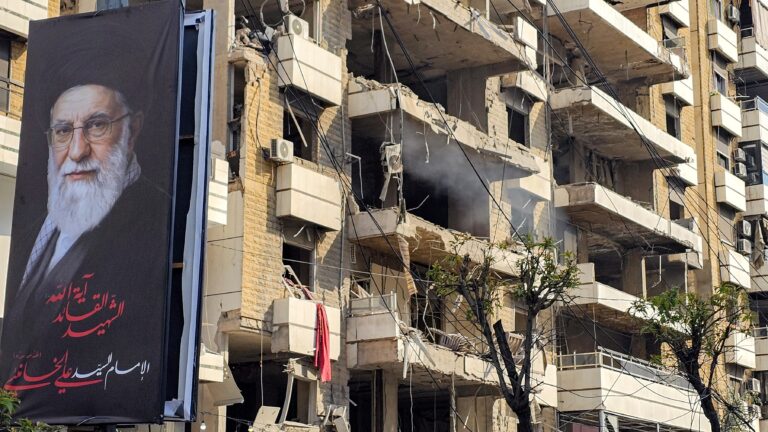
Szijjártó visited Moscow on Wednesday, where he held talks with Putin and other Russian officials, including Foreign Minister Sergei Lavrov. The visit had two objectives: to secure Hungary’s energy security amid Ukraine’s blockade of the key Druzhba pipeline and the war in the Middle East that erupted last weekend after the United States and Israel launched a joint military operation that killed Supreme Leader Ali Khamenei and eliminated a large part of the Iranian leadership, and to facilitate the release of the Transcarpathian prisoners of war.
Péter Szijjártó on X (formerly Twitter): “Two Hungarian prisoners of war from Transcarpathia have been released following our talks in Moscow with President Putin. The two men reportedly hold both Ukrainian and Hungarian citizenship and had been forcibly conscripted before being sent to the front.Many ethnic Hungarians… pic.twitter.com/taG2aPEzKH / X”
Two Hungarian prisoners of war from Transcarpathia have been released following our talks in Moscow with President Putin. The two men reportedly hold both Ukrainian and Hungarian citizenship and had been forcibly conscripted before being sent to the front.Many ethnic Hungarians… pic.twitter.com/taG2aPEzKH
According to Szijjártó, Hungary received guarantees that Russia will continue to supply the natural gas and crude oil required for the country’s energy needs at unchanged prices despite the global energy crisis unfolding in the wake of the conflict in Iran. As Hungarian Conservative has reported, European countries have already been hit hard by disruptions to energy supplies, with gas and electricity prices rising at an accelerating pace.
‘Mainly due to the war in Iran and its consequences, such as the possible closure of the Strait of Hormuz, sharp price increases could occur across Europe and globally on both the natural gas and crude oil markets,’ Szijjártó warned. He welcomed Putin’s assurances that supplies would continue under existing contracts and at the same prices.
‘We also agreed that if transport routes become impossible for various reasons, we will always look for alternative solutions. For example, if pipeline oil deliveries continue to face difficulties, we will consider maritime transport options,’ he said.
‘Ukrainians had been “preparing to blow up” the Turkish Stream gas pipeline’
He added that the operation of both the Druzhba pipeline and the Turkish Stream pipeline is of critical importance for Hungary. Szijjártó also noted that Hungary has strengthened the protection of these pipelines, ‘which is also important because those who are blocking oil deliveries through the Druzhba pipeline have already blown up the Nord Stream pipeline once,’ he said, referring to Ukrainian President Volodymyr Zelenskyy and his administration.
The Hungarian foreign minister also stated that the Russian side had reaffirmed previously public information indicating that Ukrainians had been ‘preparing to blow up’ the TurkStream gas pipeline. ‘Such a terrorist attack would practically make Hungary’s natural gas supply impossible,’ Szijjártó warned.
Szijjártó’s visit was preceded by a phone call between President Putin and Hungarian Prime Minister Viktor Orbán on Tuesday.
Related articles: