The first week of Hungary’s election campaign unfolded amid an Ukrainian oil blockade and escalating tensions in the Middle East, according to Balázs Orbán, political director to Prime Minister Viktor Orbán.
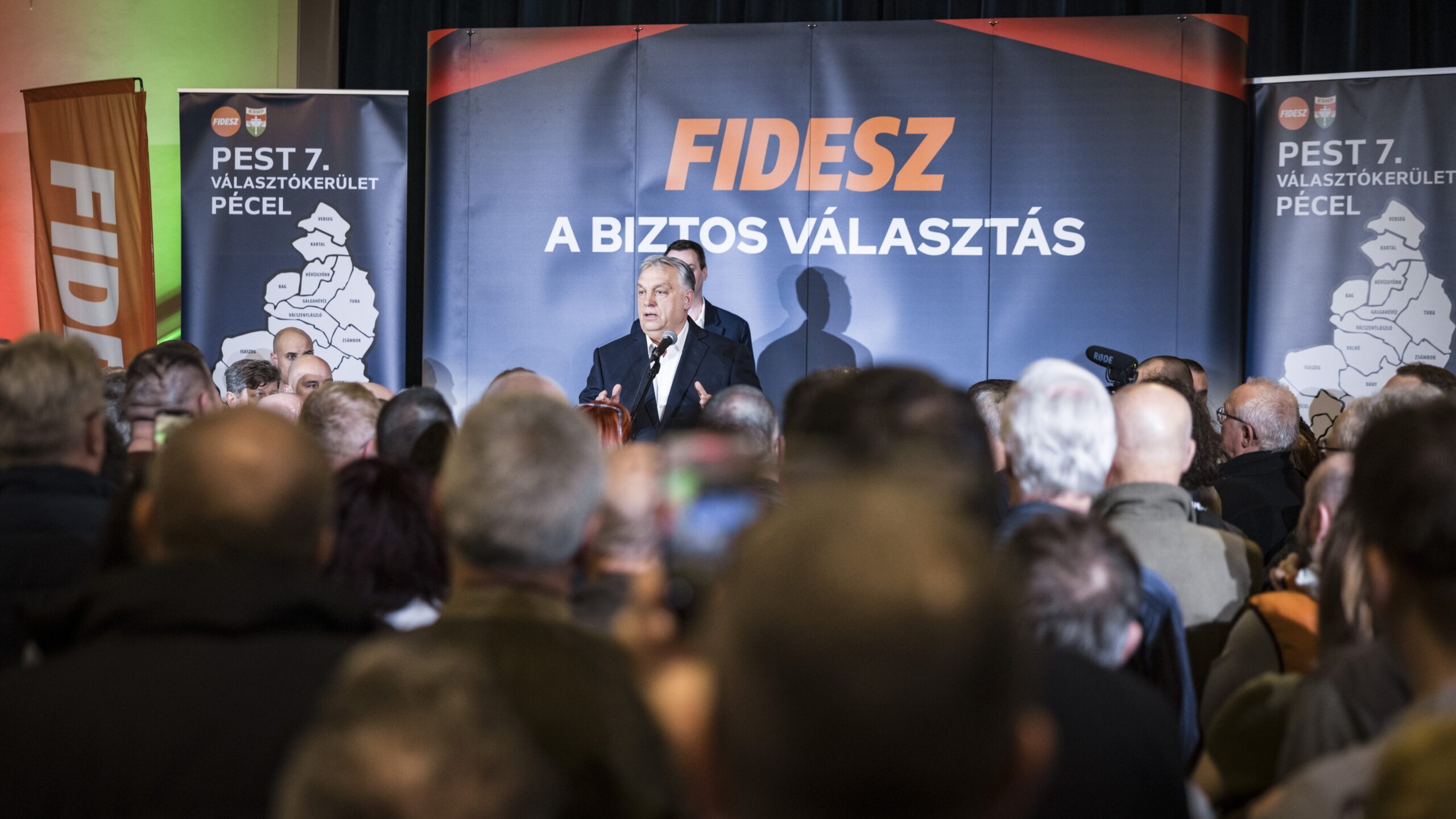
Writing on his Facebook page on Sunday, Balázs Orbán said the ruling Fidesz had made a strong start to the campaign. He stated that the party was the first to collect the required number of nomination signatures and to register its candidate, submitting 196,000 signatures by the end of the first day, which he said was 85,000 more than the opposition Tisza.
Since the campaign began, Fidesz politicians have been travelling across the country and plan to hold more than 200 public forums before the election, with around 50 participants involved in the effort. Orbán claimed the Tisza Party was struggling to mobilize supporters, saying attendance at events organized by its leader, Péter Magyar, had declined.
He also accused the opposition of avoiding the media to hide its intentions and said Fidesz’s advantage was reflected in the number of signatures collected. According to him, the party is approaching 1.5 million signatures including those gathered during an earlier autumn campaign, while nearly 600,000 people have signed the National Petition, which has also become available online.
Balázs Orbán argued that the results reflect voter support for the government’s stance on the war and what he described as Ukraine’s use of energy pressure. Citing research by Századvég, he said three quarters of Hungarians consider it unacceptable if the Ukrainian leadership blocks the reopening of the Druzhba pipeline for political reasons, and nearly two thirds oppose EU pressure to phase out Russian energy supplies.
He warned that the outbreak of a new Middle Eastern conflict could lead to unprecedented increases in oil prices, arguing that in such circumstances it would be misguided to support abandoning Russian oil while accepting what he described as Ukrainian pressure.
‘Most Hungarians back the government’s position on the Ukrainian oil dispute’
According to another survey by the Nézőpont Institute, most Hungarians back the government’s position on the Ukrainian oil dispute, while only around one fifth believe Hungary should concede on the issue. Orbán added that voters of the Tisza Party are divided on the matter, with about one third supporting Ukraine.
He also said public opposition to the war was growing and announced that a large anti-war rally would be held in Debrecen next week following an earlier event in Esztergom.
Balázs Orbán further claimed that what he called the opposition’s strategy of relying on manipulated opinion polls had collapsed. He referred to remarks by Dániel Deák of the XXI. Század Institute, who alleged that unpublished January polling data by Medián showed different results than those made public.
The political director also mentioned a violent incident in Budapest in which a man cutting down Fidesz campaign posters allegedly attacked a party activist who confronted him. He accused the Tisza Party of building its politics on anger and hostility, while saying Fidesz continues to emphasize unity.
In addition, Balázs Orbán criticized Meta after the company removed the Facebook pages of three regional news outlets without explanation, describing the decision as harmful to press freedom and potentially interfering in the election campaign.
He also claimed that Dóra Dávid, a member of the European Parliament for the Tisza and a former legal counsel at Meta, had urged supporters to report content linked to Fidesz on social media.
According to polling cited by the Nézőpont Institute, Balázs Orbán said Fidesz has held a lead of about 5 to 6 per cent over the Tisza Party since December 2025. He added that the ruling party aims to widen that advantage during the remaining weeks of the campaign, emphasizing that Fidesz and the prime minister represent a guarantee that Hungary will stay out of the war and focus resources on families and businesses rather than funding Ukraine.
Related articles: