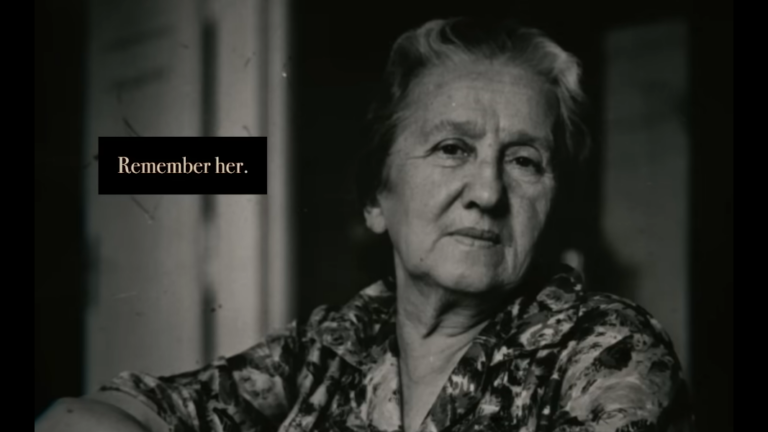
Hungarian film director Béla Tarr has died at the age of 70 after a long and serious illness, his family announced in a statement sent to the press. They asked for privacy and understanding from the media and the public during this period of mourning.
Widely regarded as the most internationally respected Hungarian filmmaker, Tarr was a defining figure of modern cinema. His films, most notably Sátántangó and Werckmeister Harmonies, achieved near-mythical status and continue to influence filmmakers and critics worldwide. After completing The Turin Horse in 2012, he withdrew from feature filmmaking, though he remained active through installations, teaching and international film courses.
Tarr’s global reputation was reinforced by critical acclaim and festival recognition. In the influential Sight & Sound critics’ poll, Werckmeister Harmonies and Sátántangó were ranked among the 250 greatest films of all time. Over the course of his career, he received Hungary’s most prestigious cultural honours, including the Kossuth Prize, the Béla Balázs Prize and the Officer’s Cross of the Order of Merit, alongside numerous international awards and lifetime achievement recognitions.
Born in Pécs in 1955, Tarr came from a theatrical family and worked various blue collar jobs before turning to film. He directed his first feature at the age of 22, becoming the youngest debut filmmaker in Hungarian film history. His early, documentary-style works focused on working-class life, often using non-professional actors and improvised dialogue to achieve emotional authenticity.
From the late 1980s onward, Tarr developed the distinctive style that made his name synonymous with long takes, stark black-and-white imagery and a bleak, philosophical worldview. His collaboration with writer László Krasznahorkai, cinematographer Gábor Medvigy and composer Mihály Víg defined this period, beginning with Damnation and reaching its peak in the seven-and-a-half-hour epic Sátántangó.
‘Béla Tarr’s death marks the loss of a singular cinematic voice whose uncompromising vision and moral seriousness left a lasting imprint on world cinema’
Werckmeister Harmonies, released in 2000, brought Tarr wider international recognition, premiering at Cannes and winning major awards at home. His later films, including The Man from London and The Turin Horse, further deepened his exploration of moral collapse, isolation and the end of human meaning. The Turin Horse was widely seen as his artistic farewell.
After retiring from feature filmmaking, Tarr remained a vocal public figure. In his final years, restored versions of his films were screened internationally, and in 2023 he received the European Film Academy’s honorary lifetime achievement award.
Béla Tarr’s death marks the loss of a singular cinematic voice whose uncompromising vision and moral seriousness left a lasting imprint on world cinema.
Related articles:
At a time when public debate is increasingly polarized and superficial, Hungarian Conservative remains committed to depth, intellectual honesty, and independent conservative thought.
Producing high-quality journalism requires resources. Your contribution helps us expand our coverage, reach new audiences, and keep our content accessible.

Please consider supporting our mission.