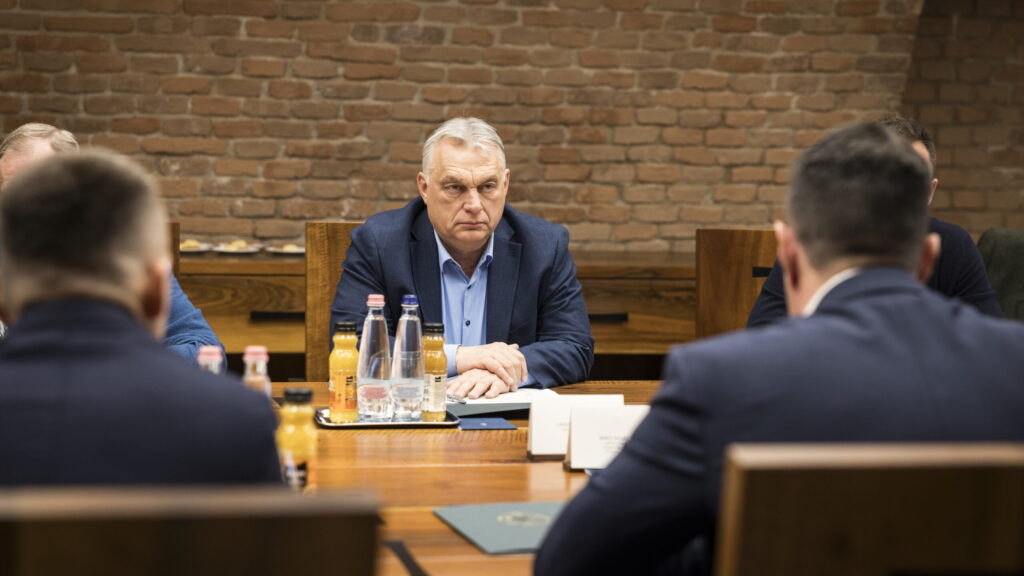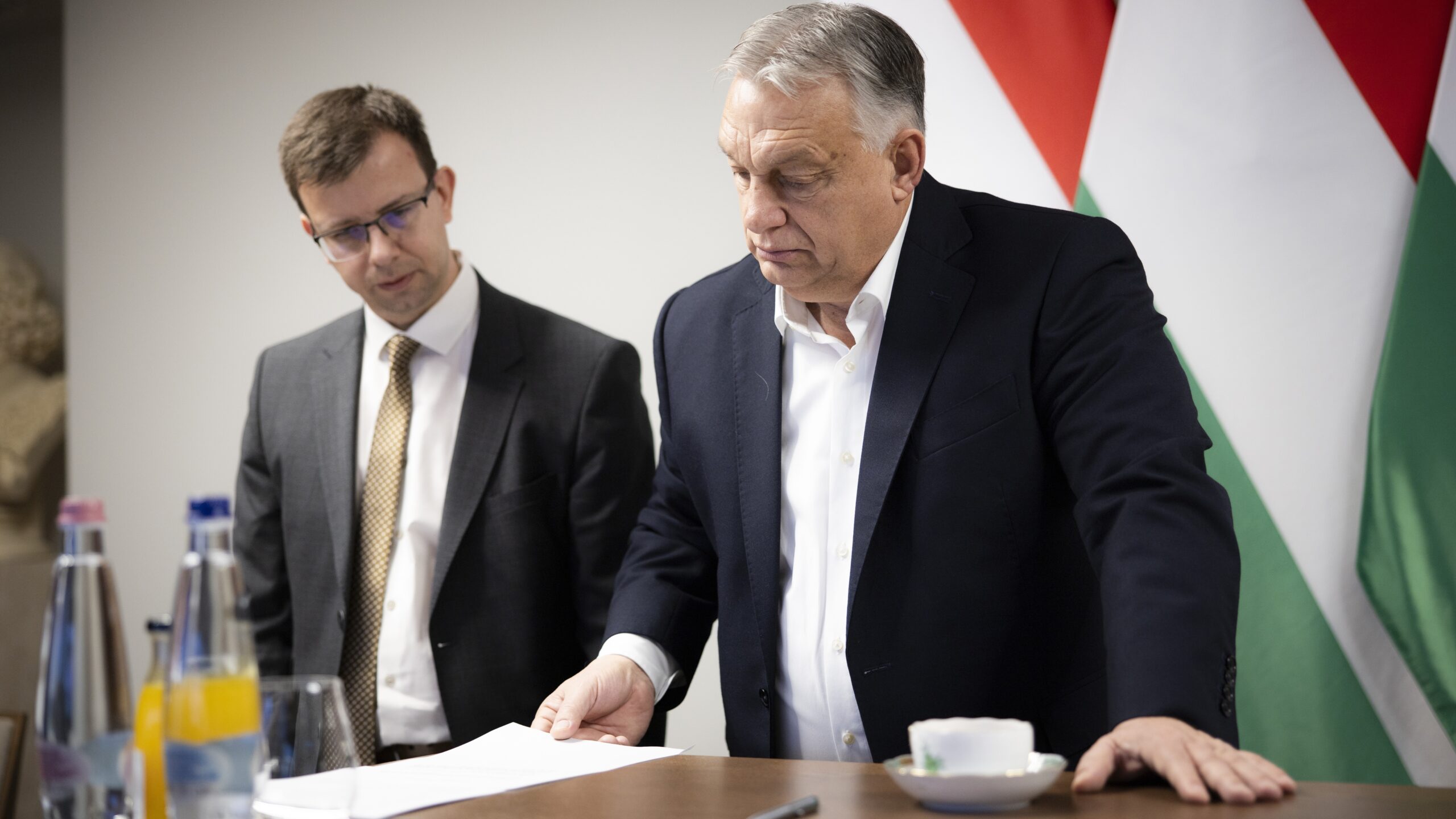
Prime Minister Viktor Orbán emphasized on Thursday that the new wage agreement for 2026 will directly improve the financial situation of around 700,000 families. Speaking at the signing ceremony in Budapest, he announced that the minimum wage will rise by 11 per cent to 322,800 forints per month, while the guaranteed minimum wage will increase by 7 per cent to 373,200 forints.
Orbán noted that economic growth cannot reach its full potential as long as ‘the shadow of war hangs over the region’, affecting both Central Europe and the German economic sphere. In this environment, he stressed the importance of the fact that the agreement was reached by the social partners rather than imposed by the government. He added that talks were complicated by the need to revise an earlier three-year deal that had become untenable due to slower growth caused by the war.
The prime minister called the successful renegotiation a major achievement, pointing out that amending an existing contract often requires more determination than signing a new one. He also said the government’s own sector-specific wage increases played a role, as teachers, healthcare workers, judicial staff, cultural employees, and those in social services will receive 15 per cent raises in 2026.
According to Orbán, tax cuts also contributed to the agreement, particularly incentives aimed at helping families and a package of 11 measures supporting small and medium-sized businesses. These steps cost the state budget around 90 billion forints, which made it impossible to introduce further reductions in payroll taxes for now.
He also highlighted the government’s 3-per cent first-time homebuyer loan programme, noting that although it is not part of wage policy, housing remains a key motivation behind income growth, especially for young people.
Orbán congratulated both employers and employees on reaching the agreement, saying it aligns with the long-term national strategy of building a work-based economy, a policy framework that has guided the government for 15 years. Employment has risen by 1 million people since 2010, and Hungary has effectively achieved full employment, he said. At present, 65,000 job vacancies remain unfilled, and next year the government plans to issue 35,000 permits for guest workers, while leaving 20,000–30,000 positions reserved for Hungarian workers.
Even so, Orbán acknowledged that wage pressure remains high, as many workers feel their salaries do not reflect the value of their labour. For this reason, he stressed that wage-setting in Hungary must continue to be led by the market. The government therefore refrains from unilaterally determining the minimum wage and instead encourages agreements between employers and employees, a practice maintained for nearly two decades.
‘Wage pressure remains high, as many workers feel their salaries do not reflect the value of their labour’
He admitted that one of his ‘nightmare scenarios’ is a breakdown in negotiations that would force the government to set the minimum wage by decree, something he believes would be unhealthy despite being legally possible.
Hungary’s minimum wage growth over the past 15 years has been three times the EU average, Orbán said, recalling that in 2010 the minimum wage was 73,000 forints and the guaranteed wage minimum stood at 89,000 forints.
He argued that Hungary’s long-term economic direction is both sustainable and necessary. The new agreement, he said, strengthens the sense that wage decisions are driven by market actors rather than government intervention, while preserving the government’s role as a strategic partner rather than a central authority in pay negotiations.
No economic policy can succeed without the support of both employers and employees, Orbán concluded. The fact that Hungary pursues a market-friendly, performance-oriented economic strategy is only possible because both sides of the labour market back the government’s goals. ‘We have every chance to keep the Hungarian economy on the right track,’ he said.
Related articles: