The following is an adapted version of an article written by Emese Hulej, originally published in Hungarian in Magyar Krónika.
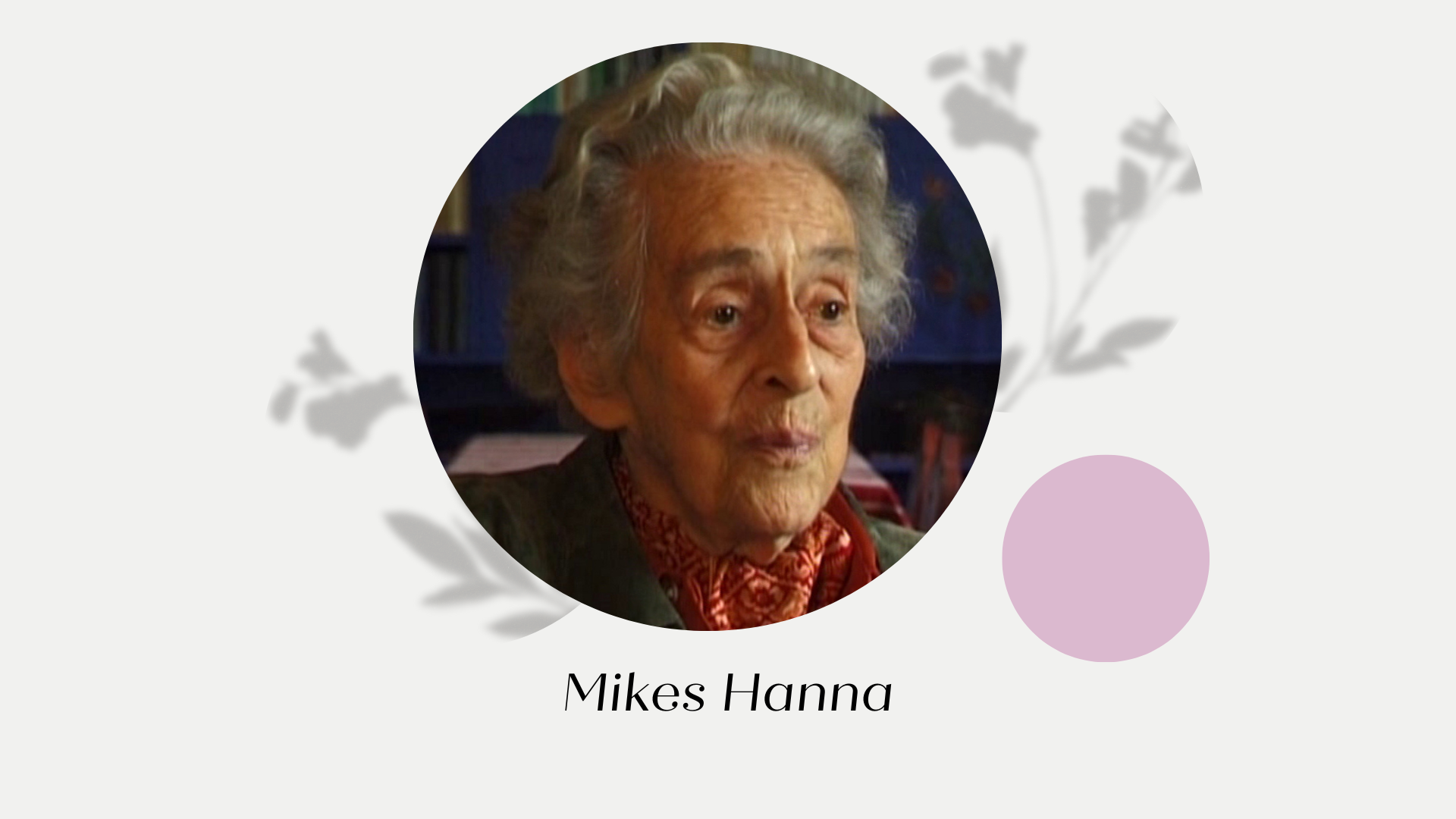
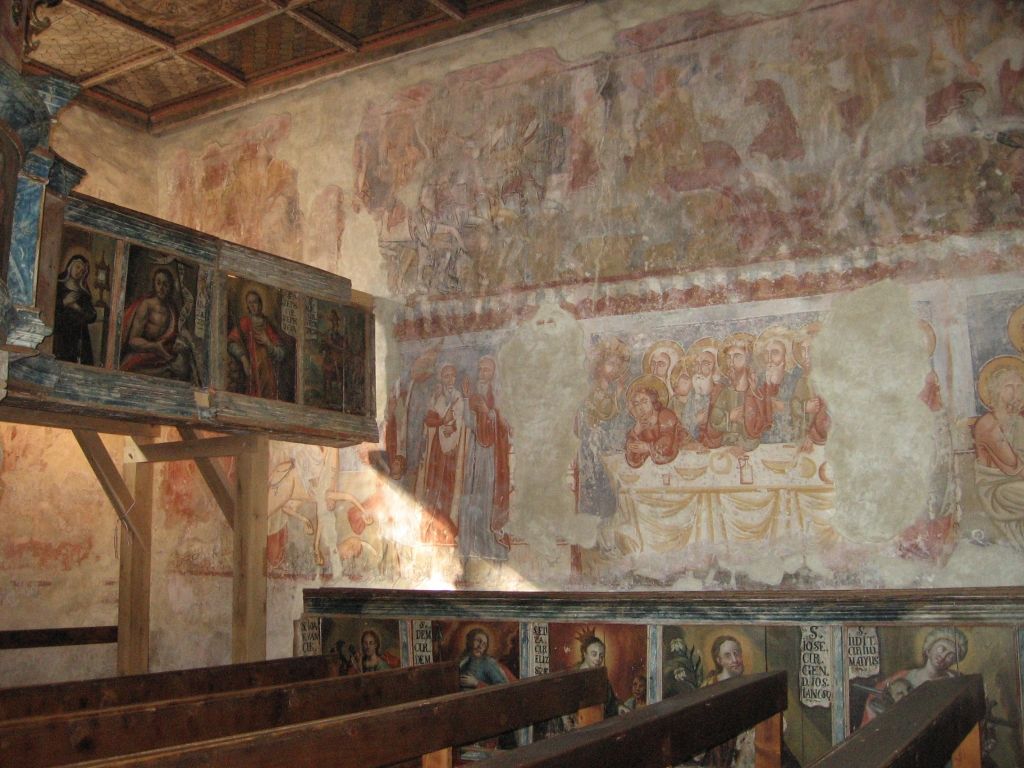
She could have become Queen of Albania, but she said no. An aristocrat from Transylvania who became an émigré in New York, she cooked at parties and received wealthy clients in a fashion salon. She raised wolf cubs, took over the management of the family weaving mill, and at the age of just 17, organized a fundraiser to save the wall paintings of the church in Gelence. Her son became one of Jane Goodall’s first colleagues in Gombe.
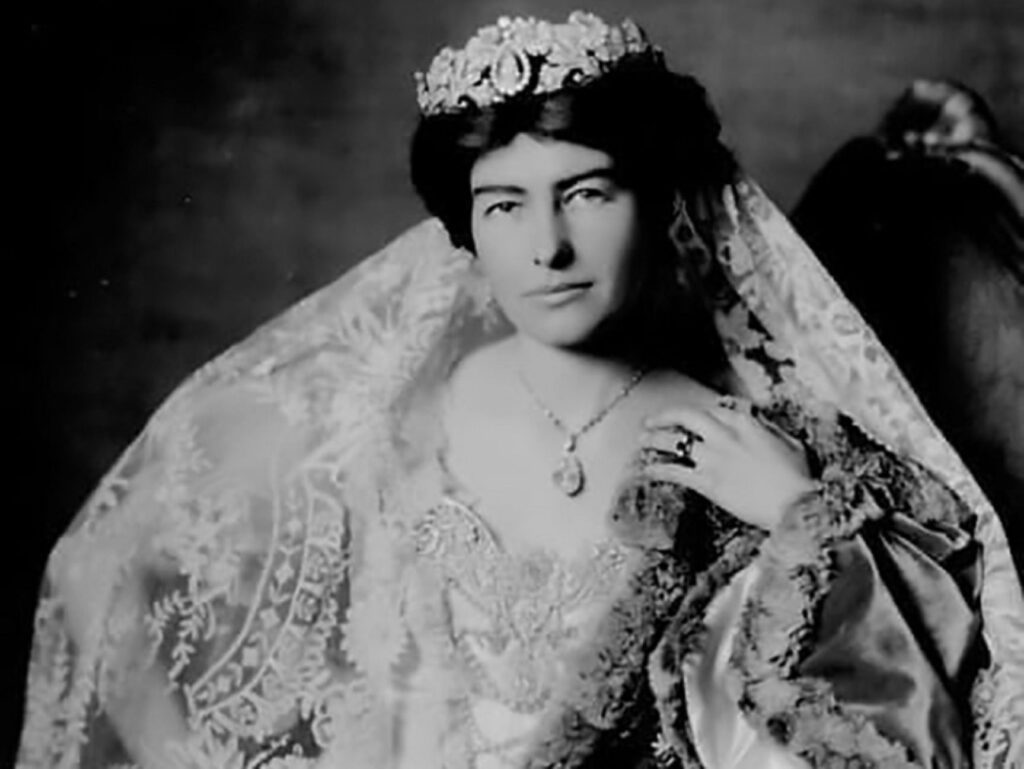
Countess Hanna Mikes was a rebel; strong-willed and combative by nature. She was closely related to two prime ministers. She loved and respected her father-in-law, Pál Teleki, from the depths of her heart, supported him in everything, and she also held her uncle, István Bethlen, in high esteem.
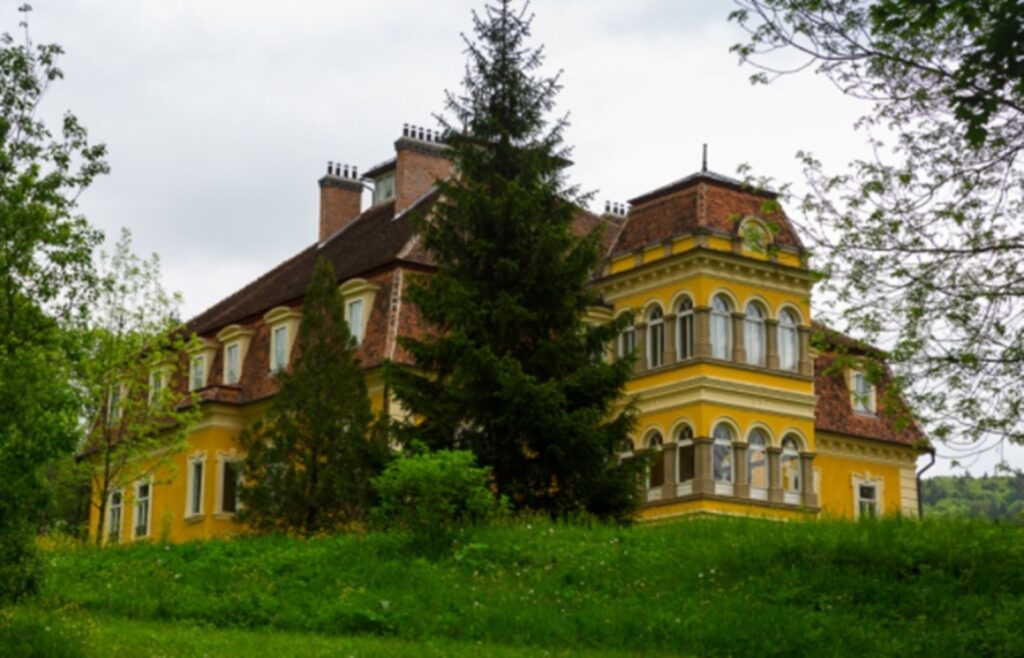
She was born in 1911 in Zabola, in Háromszék County, in the beautiful Mikes manor house, causing great disappointment to her father, who had been expecting a boy. After his third daughter was born, he travelled to Egypt and, in a fury, sailed up and down the Nile. Perhaps this disappointment made the little girl christened Johanna more boyish than most boys. She was stubborn and disobedient. She could only find peace in nature, roaming the forest on horseback and raising orphaned animals. The most beautiful Christmas present of her life was a donkey.
‘I was the only girl among 500 boys’—she wrote on the back of the photograph showing her in the group portrait of the main grammar school of the Székely Mikó College. She loved studying, was talented in almost everything, and even then, she recognized the value of folk art when few appreciated its significance. When she put on the Szekler traditional dress and danced the csárdás in it with the villagers, it became fashionable to take up the costume again. From the village and the surrounding area, she collected old handwork made before the introduction of coloured threads, knowing they were ethnographic treasures.
It was her mother, Klementina Bethlen, who first took up photography in the family, and her daughter also acquired this skill. However, instead of portraits, she captured Szekler gates, old houses, and her father’s modern sawmill. The weaving mill in Zabola had also been founded by her mother, the beloved Countess Tima, but it was the daughter who switched production to wool, and when sourcing raw materials became difficult, she bought flocks of sheep. She managed production and finances and made the key decisions.
After a serious quarrel with her father, she moved to Budapest and guided foreign delegations. At this time, she also travelled to Egypt to visit László Almásy, where she enjoyed journeys through the desert, unafraid even of the sandstorms she experienced with him. The Albanian king, Zog, who was seeking a wife, chose her based on her photograph. Hanna Mikes then travelled to Albania, but the ruler’s relatives found her too independent, that is, difficult to control. She fell gravely ill, and some believed that the king’s sister had poisoned her, fearing she might interfere with her plans. Thus, the marriage never materialized, although both the king and the role itself would have pleased her. Instead of a task in modernizing the monarchy, she received a white-gold brooch set with diamonds.
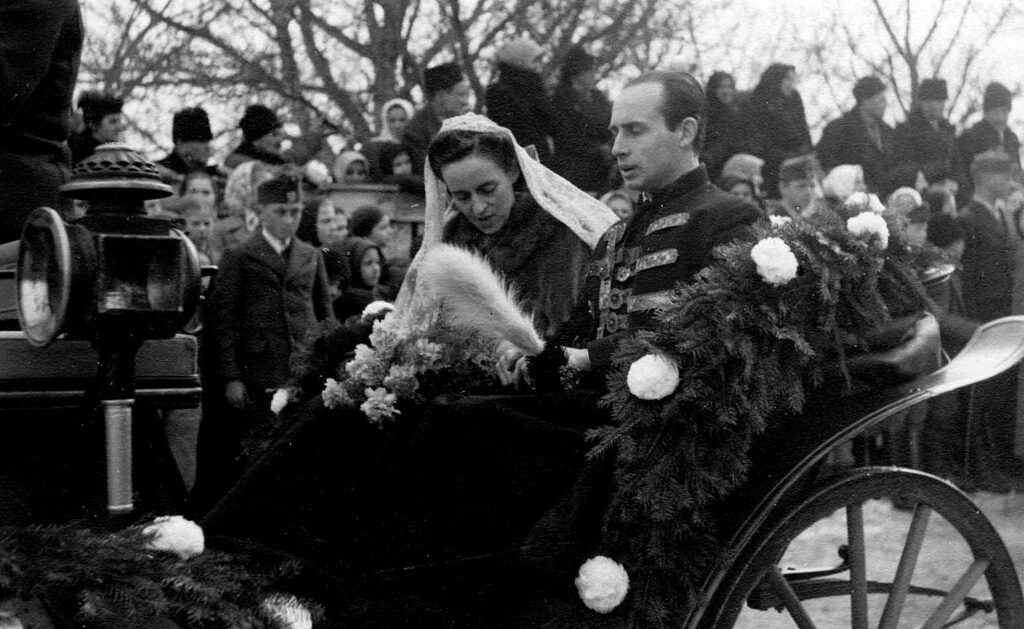
She married Géza Teleki, son of Pál Teleki, and the wedding was held in snow-covered Zabola. During the Second World War, Hanna Mikes hid from the Germans, who knew of her husband’s pro-British views and were also aware that he had been a confidant of her father-in-law. Leaving her young son in the care of acquaintances in the basement of the National Museum, she took refuge beside the encircled Scythian gold stag.
Géza Teleki took on a role in the new democratic government, but his ideas and efforts made him an enemy of the emerging communist authorities. The three-member family fled to Vienna on an adventurous journey in a lorry, spending their first night, for lack of alternatives, on a bed in a brothel. Later that same year, they sailed to America, but the marriage did not survive the initial, difficult period there.
Countess Hanna Mikes lived on the East Side in a flea-infested apartment, went to parties to cook and wash up, and was also employed in a fashion salon, where her impeccable manners impressed the clients. She managed to get her son into the best American schools, even though they could not afford the tuition. However, many Hungarian aristocrats married wealthy Americans, and well-off relatives helped. And if someone was recommended by Gladys Vanderbilt… American schools were delighted to accept any European aristocratic pupil.
Despite the hardship, Hanna Mikes never ceased supporting the people of Transylvania. She collected clothes, soap, detergent, and medicines, and whenever possible, sent them to Szekler Land. After many years, she even visited home, sometimes taking her teenage son with her, who could not understand what pleasure his mother found in searching for memories and relatives from the Teleki, Bissingen, and Toldalaghy families in a castle with ripped-up floors and a cellar flat in Târgu Mureș.
The political changes of the regime shift brought a new chapter to Hanna Mikes’ life, by then living with her second husband, a retired American military officer. She enjoyed greater comfort and security. The countess returned important relics, including Pál Teleki’s ceremonial Hungarian costume, entrusting these historical objects to the National Museum.
‘Hanna Mikes never ceased supporting the people of Transylvania’
Whenever asked, she spoke willingly, believing herself a witness to great times and that her memories were part of the public heritage. She even received the actress Isabella Rossellini, who was preparing for the role of a countess, and was pleased that a real aristocrat could be observed—how she sat, spoke, and moved, and what her gestures were like.
Hanna Mikes shared a loving but combative relationship with her son. She was proud of the younger Géza Teleki, yet she tended to interfere in his life too strongly. On one occasion, she even visited him while he was establishing Sierra Leone’s first national park. Countess Hanna, dressed in a parasol and trouser suit, understood the significance of her son’s work, but she could not befriend the family’s favourite chimpanzee, who frequented his tent—especially after the mischievous Rupert seized her toiletry bag and scattered its contents everywhere.
In the final decades of her life, the countess regularly visited her homeland. She called on relatives in Budapest and travelled to Transylvania, continuing to do so as long as her health allowed. She passed away in an American nursing home, and according to her wishes, her ashes were placed in the wall of the church in Zabola. Anyone who goes to Háromszék and visits Zabola can see them.
Related articles:
Click here to read the original article.