Hungary has become a net contributor to the European Union in 2025, according to data released by the Ministry for National Economy. In the first 10 months of 2025, Hungary paid HUF 609 billion (€1.6 billion) into the common budget as membership fees, while only HUF 589 billion (€1.55 billion) flowed into the country’s budget as EU subsidies. That marks the first time since Hungary’s EU accession in 2004 that the country has contributed more to the EU budget than it has received.
The European Commission decided at the end of 2022 to freeze billions of euros in funding rightfully due to Hungary under the so-called rule-of-law conditionality mechanism. Brussels tied the payment of these funds to 27 supermilestones linked to reforms of the Hungarian judiciary, which the Commission claims is not sufficiently independent from the executive. While constructive dialogue and negotiations did take place, Brussels still chose to freeze around €20 billion in December 2022.
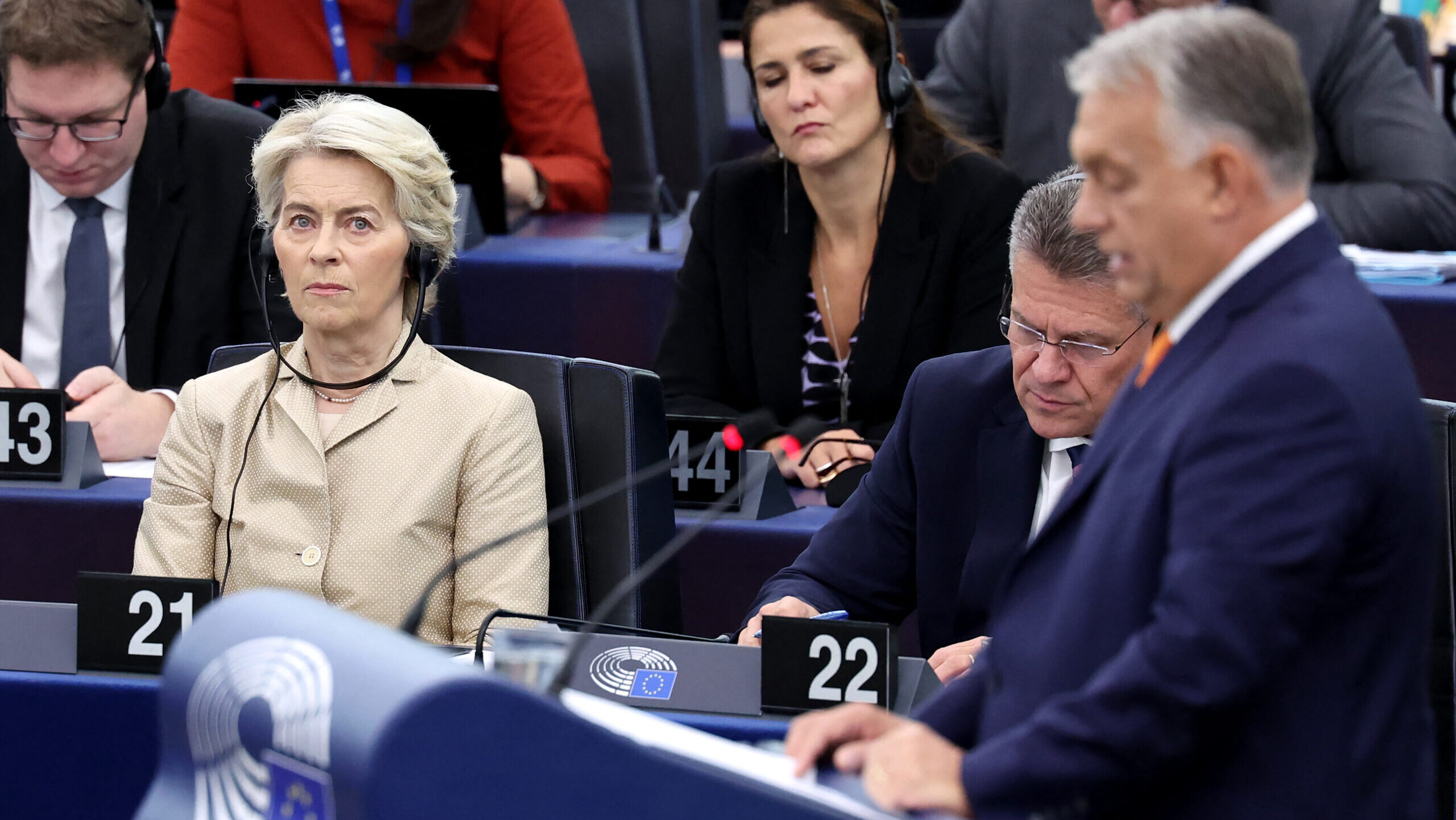
The real reason behind the withholding of the funds was openly stated by European Commission President Ursula von der Leyen at the beginning of 2024. During a speech before the European Parliament, von der Leyen stressed that these funds were being withheld due to Hungary’s hard stance on illegal migration, its pushback against the LGBTQ+ lobby, and concerns over ‘academic freedom’.
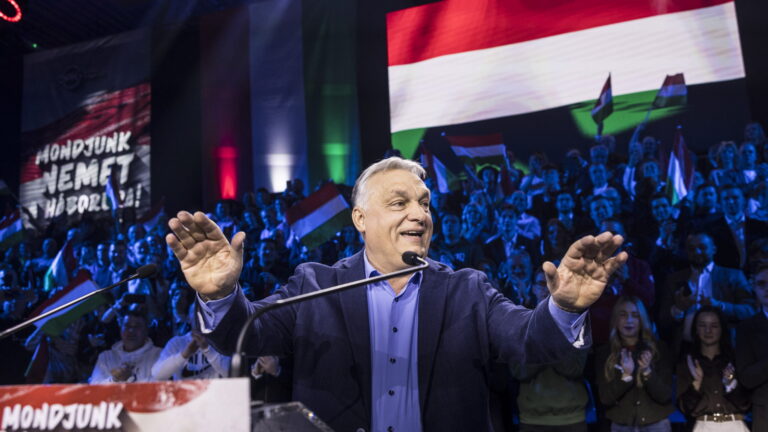
Hungary managed to secure €10.2 billion in December 2023 after the famous walkout of Prime Minister Viktor Orbán during the European Council summit deciding on whether to give the green light for Ukraine’s EU membership negotiations. Instead of vetoing the joint conclusion, Orbán chose not to participate in the vote so that the 26 remaining member states could move forward. The move was considered a compromise intended to unlock part of the frozen funding.
The frozen EU funding is playing a significant role in the tense campaign ahead of the parliamentary election in 2026. As Hungarian Conservative reported, the European Commission is attempting to apply the ‘Polish playbook’ in Hungary—meaning support for Orbán’s opposition, which campaigns primarily on its alleged ability to ‘bring home’ the withheld funds. Polish Prime Minister Donald Tusk used this same strategy in 2023 during his campaign against the conservative Law and Justice (PiS) government, which was also being blackmailed by Brussels at the time with frozen funds. After Tusk won the election, Brussels almost immediately released a large portion of the previously withheld money, despite clear setbacks in Poland’s rule-of-law situation.
While the situation could still change in the final two months of 2025—at the time of writing, November figures have not yet been released—as no further contributions will be made to the EU budget this year, while some EU funds, mainly agricultural subsidies, will still flow into the Hungarian budget, the country’s economy is clearly missing the frozen funding. To ease the impact of the Commission’s political pressure, Viktor Orbán’s government reached a comprehensive agreement with the United States in November, which includes a currency-swap deal that has stabilized the Hungarian forint so far. The agreement will also bring significant US investment into the country, offering additional stimulus for the Hungarian economy ahead of the election year.
Related articles: