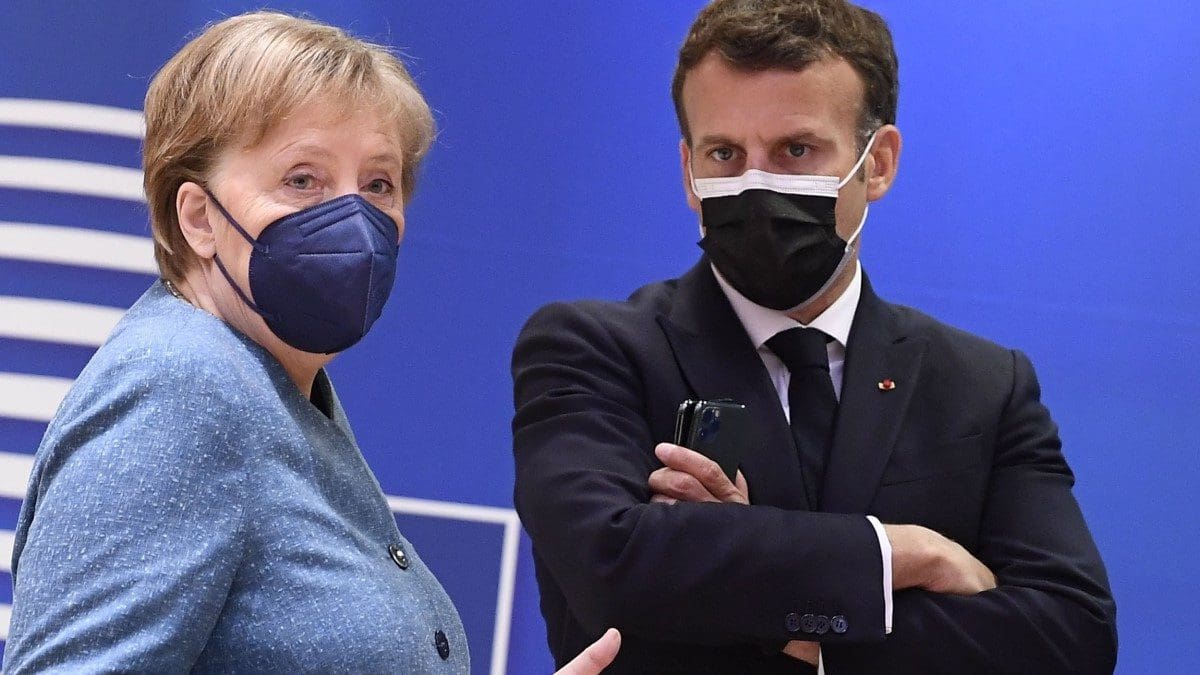
End of the Macron–Merkel Era – Consequences for East Central Europe
What did this enhanced French-German cooperation mean for the Visegrád countries, and what might the future hold for the two coalitions in the European Union?

What did this enhanced French-German cooperation mean for the Visegrád countries, and what might the future hold for the two coalitions in the European Union?

While Brexiteers argued that the EU is a threat to democracy, Hungarian conservatives were fixated on what might happen to the stock exchange if the UK leaves the EU.
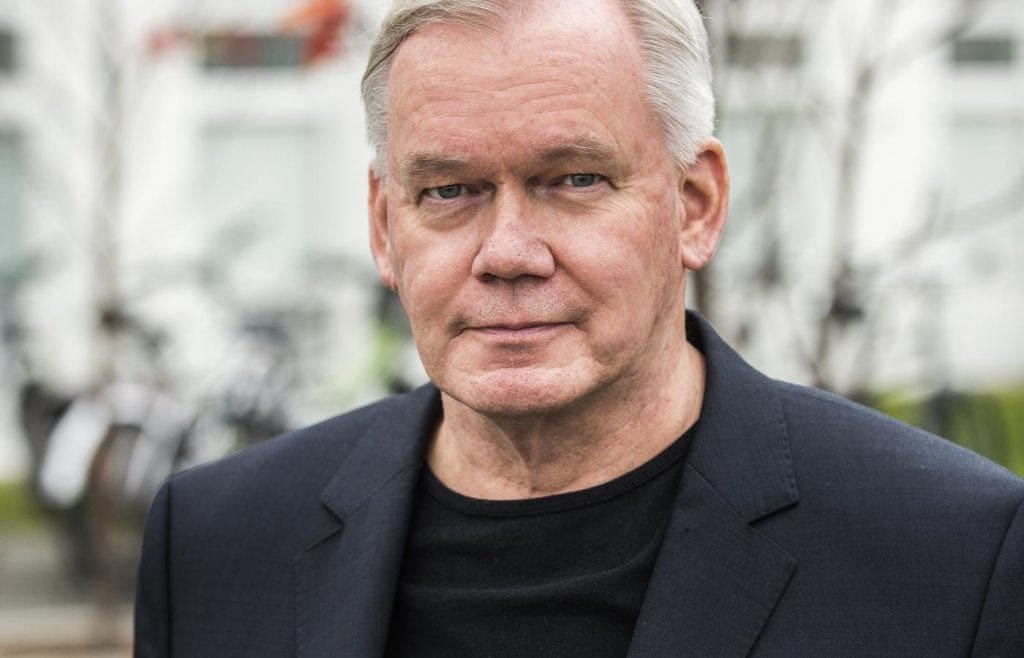
Hannes H. Gissurarson, an Icelandic expert of neo-liberalism and conservatism, offered his thoughts on the compatibility of Thatcherist values with present-day conservatism at the premises of Lónyay-Hatvany residence on the invitation of the Budapest-based think tank Danube Institute.
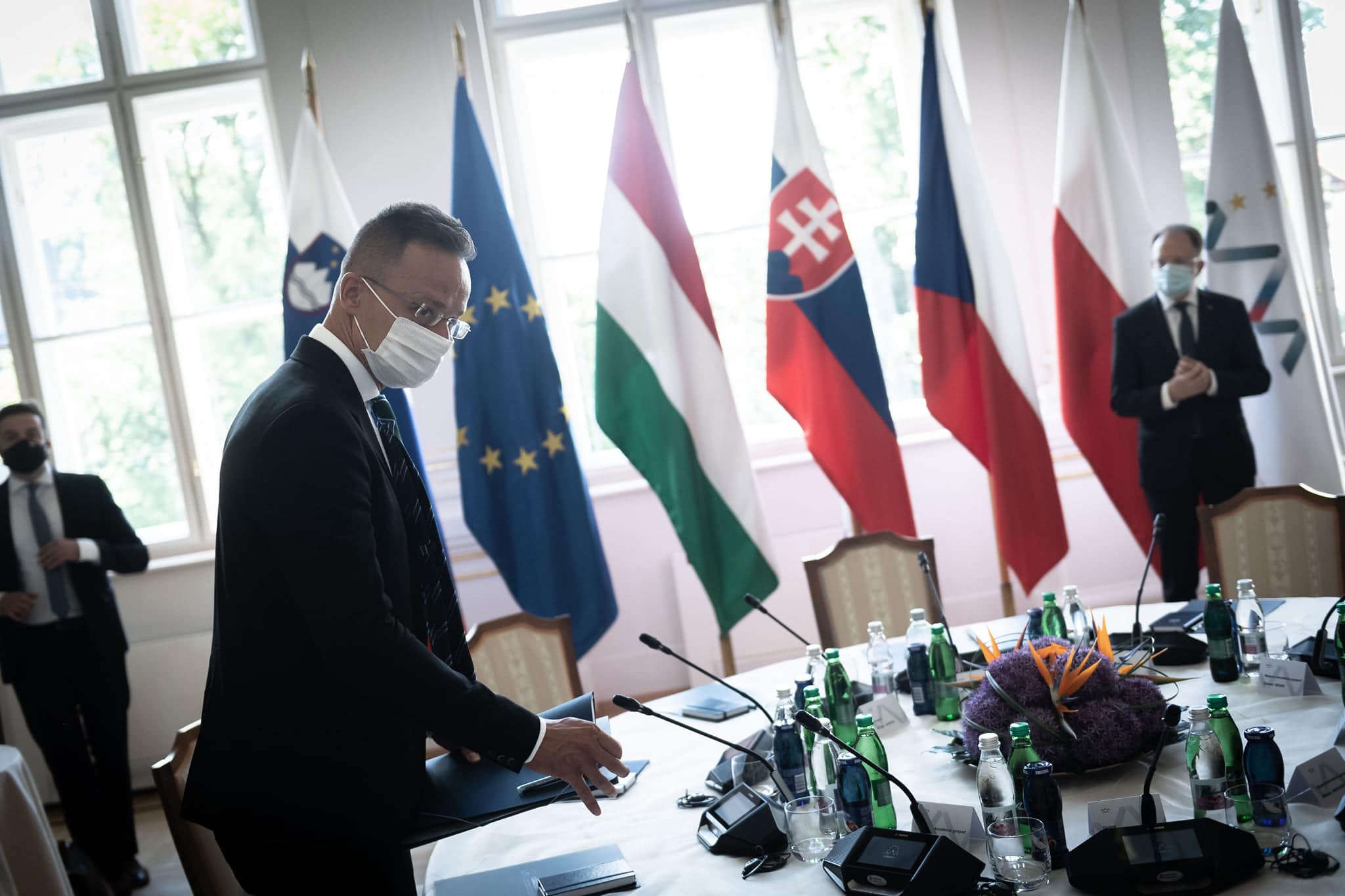
Beyond business-as-usual cooperation between the
Visegrád countries, the chapter “Partnership” foresees a greater role for the so-called V4+ platform, with other partners joining in from time to time.

Nostalgia, so characteristic of conservatives, can
be understood not in
time but in space instead.
This nostalgia originates from Odysseus’s desire
to return home (νόστος) and means the suffering
of man away from his home that motivates his return.
Modern societies that work well are conservative in that they have a strong sense of homeostasis. This is the sense of continually returning to a point of equilibrium. Upsets, changes, drives, and tensions occur along the way.
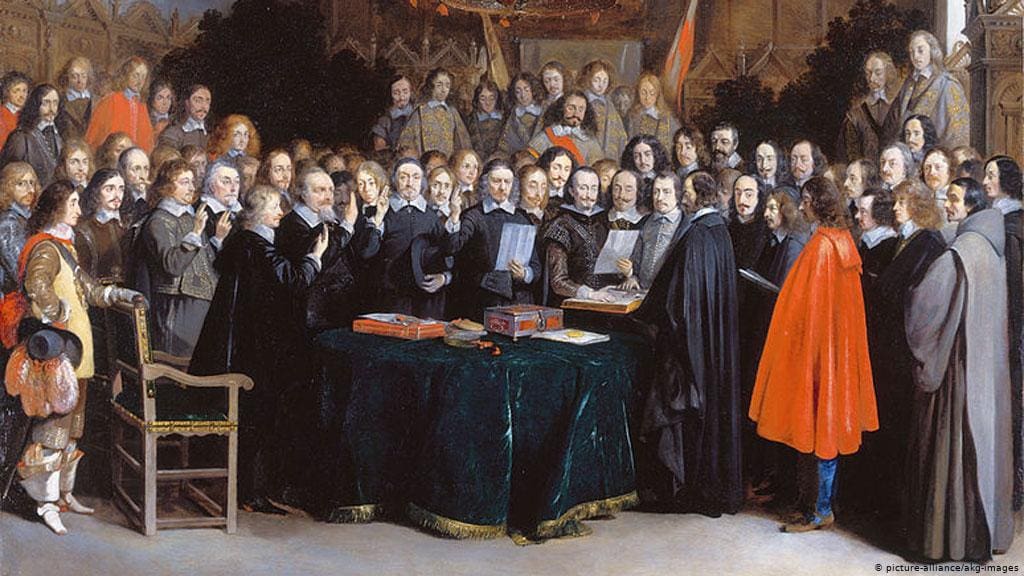
Today, the two major contexts of Hungarian foreign policy are determined by the evolution of the Hungarian economy and society after the economic restart and reconstruction, along with the surrounding international relations.
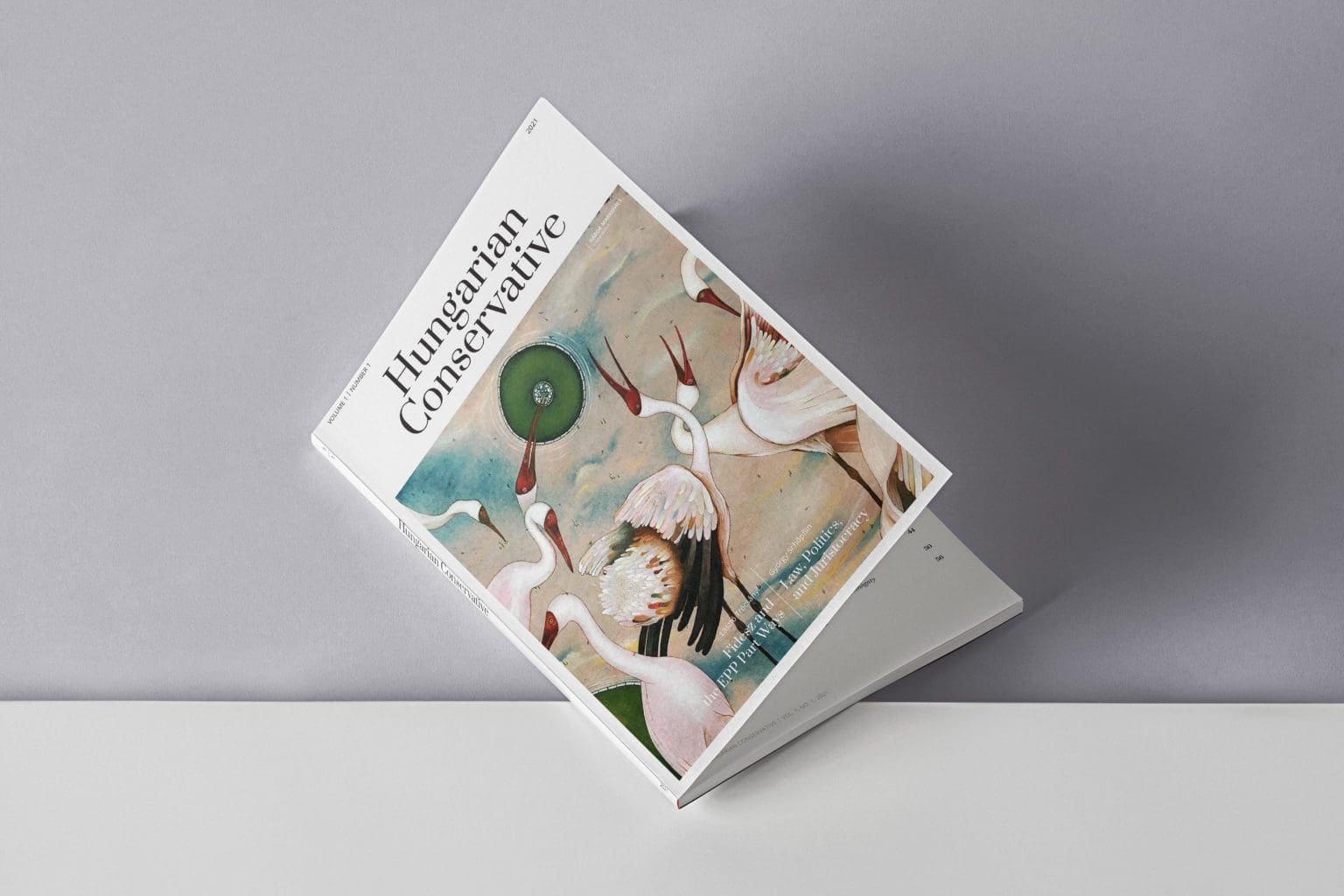
The aim of this bimonthly journal, published in Hungary, is to represent the voice of Hungary’s conservative thinkers at an international level.
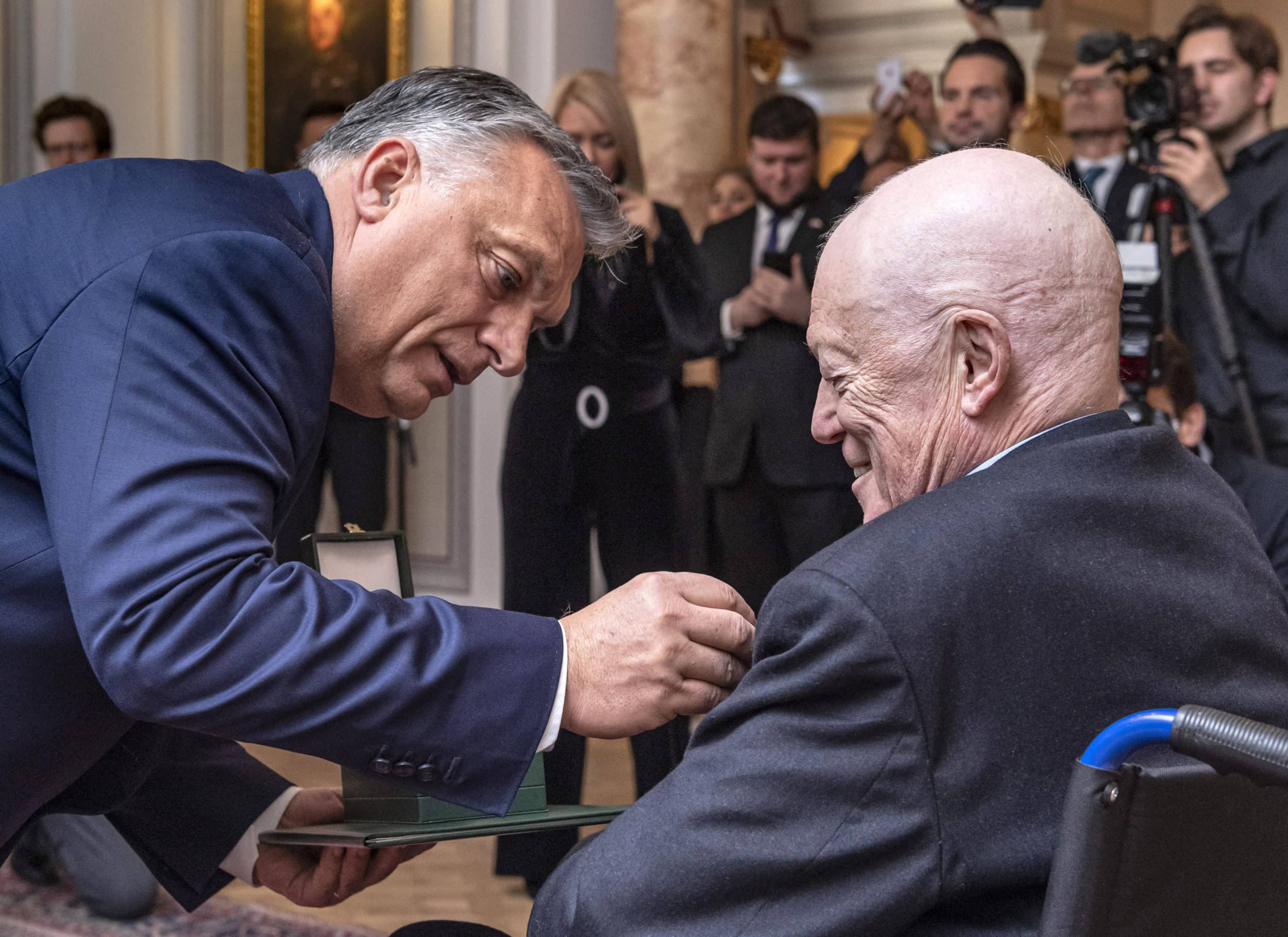
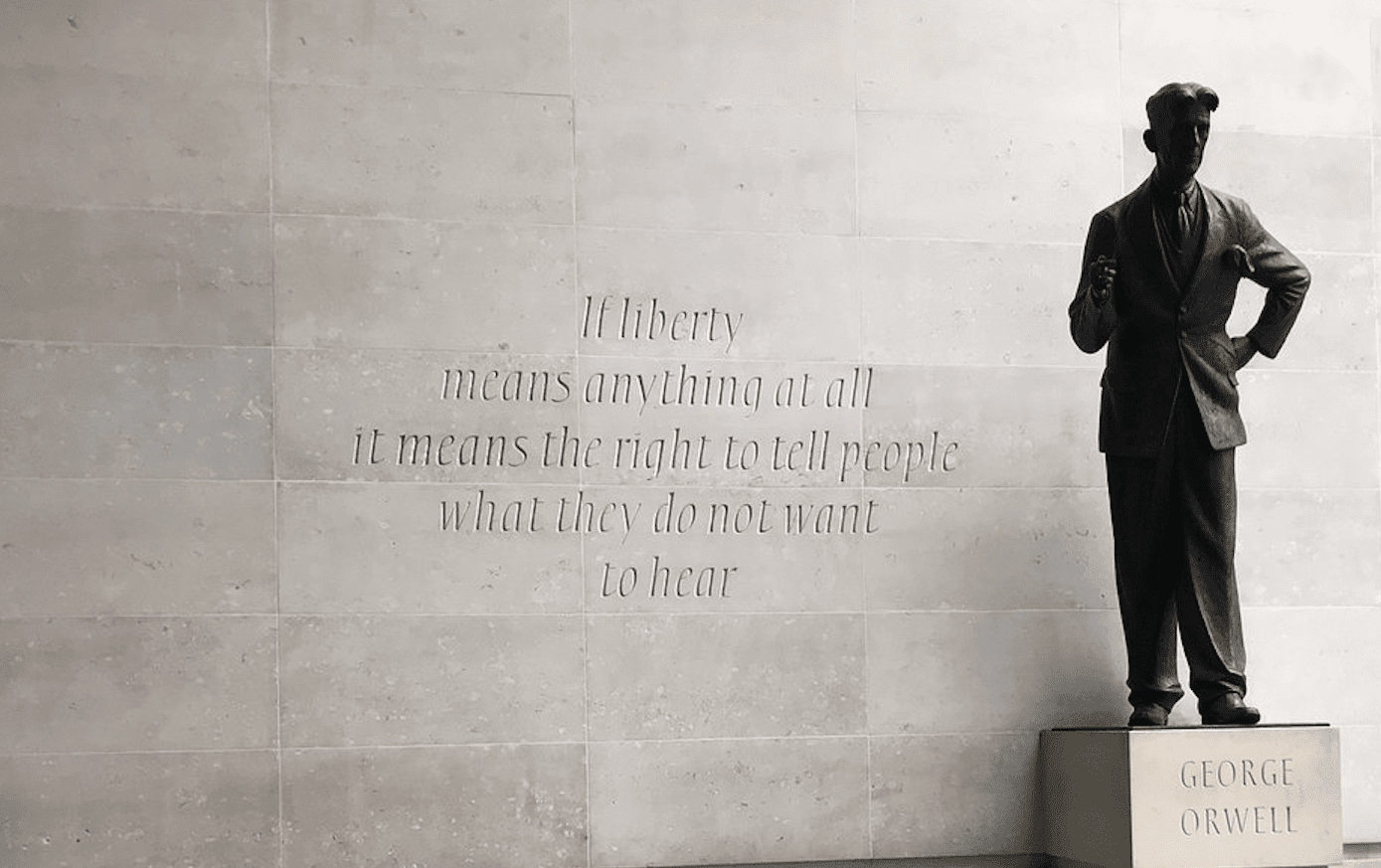
Scruton wrote that the foundation of democracy is not necessarily liberalism but a sense of national loyalty.
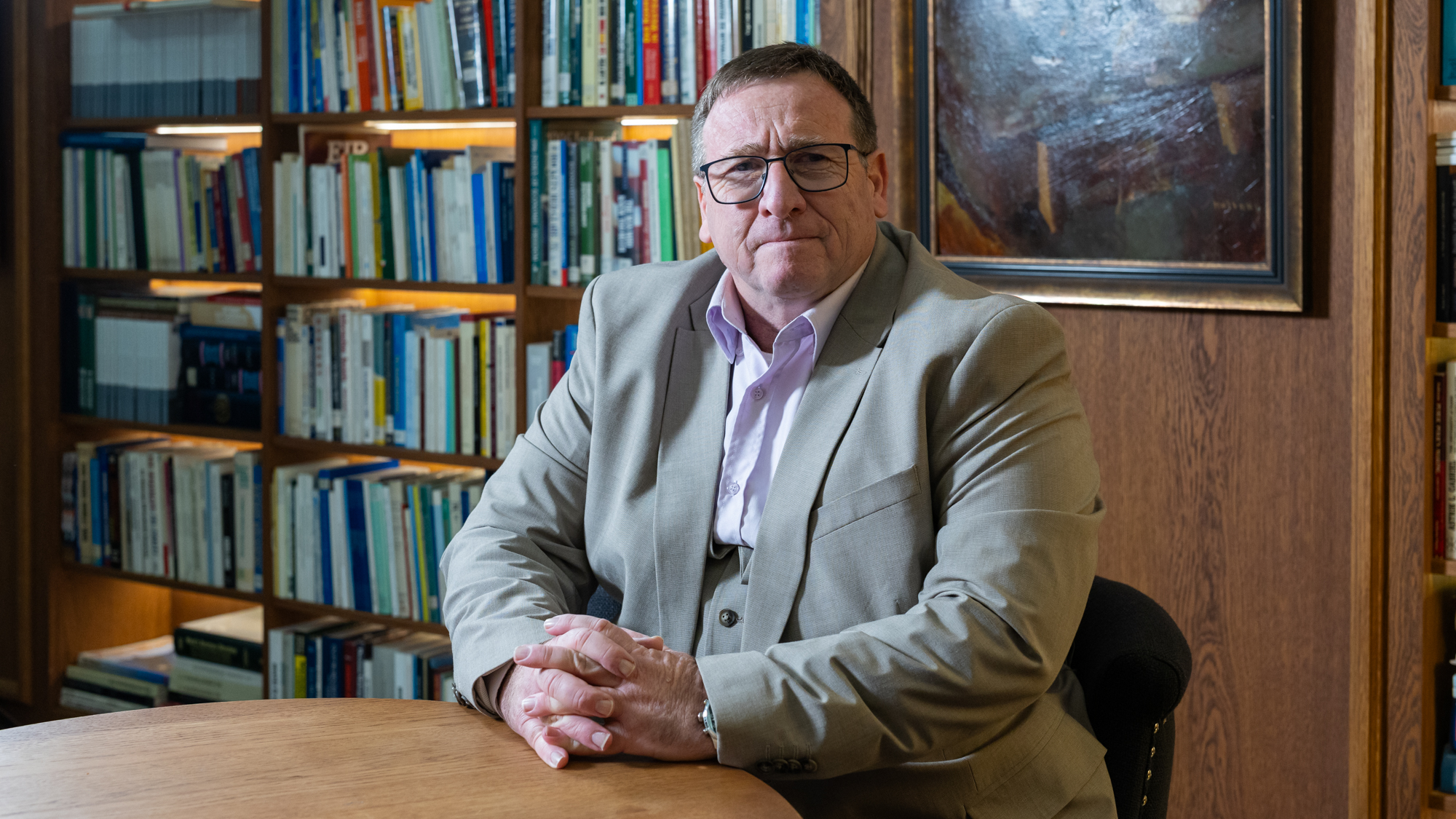
Is it possible to demilitarise the Gaza Strip? How strong is the Iranian regime? Will there ever be a Palestinian state? Do Israeli policies contribute to rising antisemitism? We spoke with the Head of the Military–Social Relations Department at the David Institute for Security Policy about the challenges and prospects facing the Middle East.