Why Central Asia Is Unavoidable for Western Critical Mineral Supply Chains

Central Asia’s growing role in global critical-mineral supply chains was discussed at the launch of the Danube Institute’s Turkic–Western Engagement Initiative, where experts highlighted the Middle Corridor’s rise, China’s tightening grip on strategic resources, and Hungary’s opportunity to shape Western engagement.

Turkish President Recep Tayyip Erdogan (b) welcomes Prime Minister Viktor Orbán in Istanbul on December 8, 2025.

Hungary and Türkiye Deepen Strategic Defence Cooperation

‘As part of the high-level meetings, Hungary and Türkiye also convened the first-ever session of the Hungarian–Turkish Consultation Mechanism, bringing together the foreign ministers, defence ministers and national security officials of both countries—a format Türkiye reserves only for its closest partners.’

Flags of NATO member countries outside the NATO headquarters in Brussels.

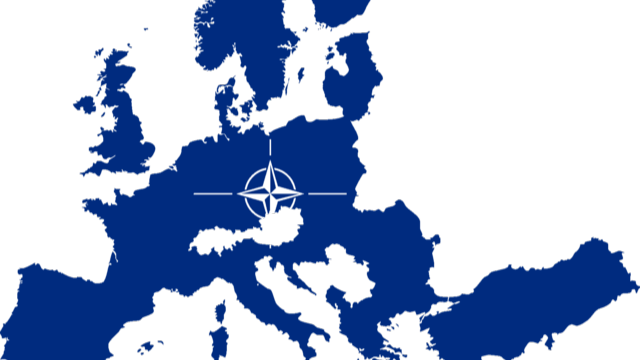
What Use Is NATO, Anyway?

‘Unless NATO can produce a credible plan to remain relevant in a world that is changing dramatically—geopolitically and technologically—it risks falling apart under the weight of its own irrelevance.’

An Airbus A320 aircraft from China Eastern Airlines is preparing to take off from Xiaoshan International Airport in Hangzhou, Zhejiang Province, China on November 25, 2025.

China Stranded Me in Japan

‘If China wants to exert pressure on Japan, this isn’t the way. Ultimately, it has only damaged the reputation and viability of its airlines.’

Belgium Becomes Russia’s ‘Most Valuable Asset’ in Western Mainstream

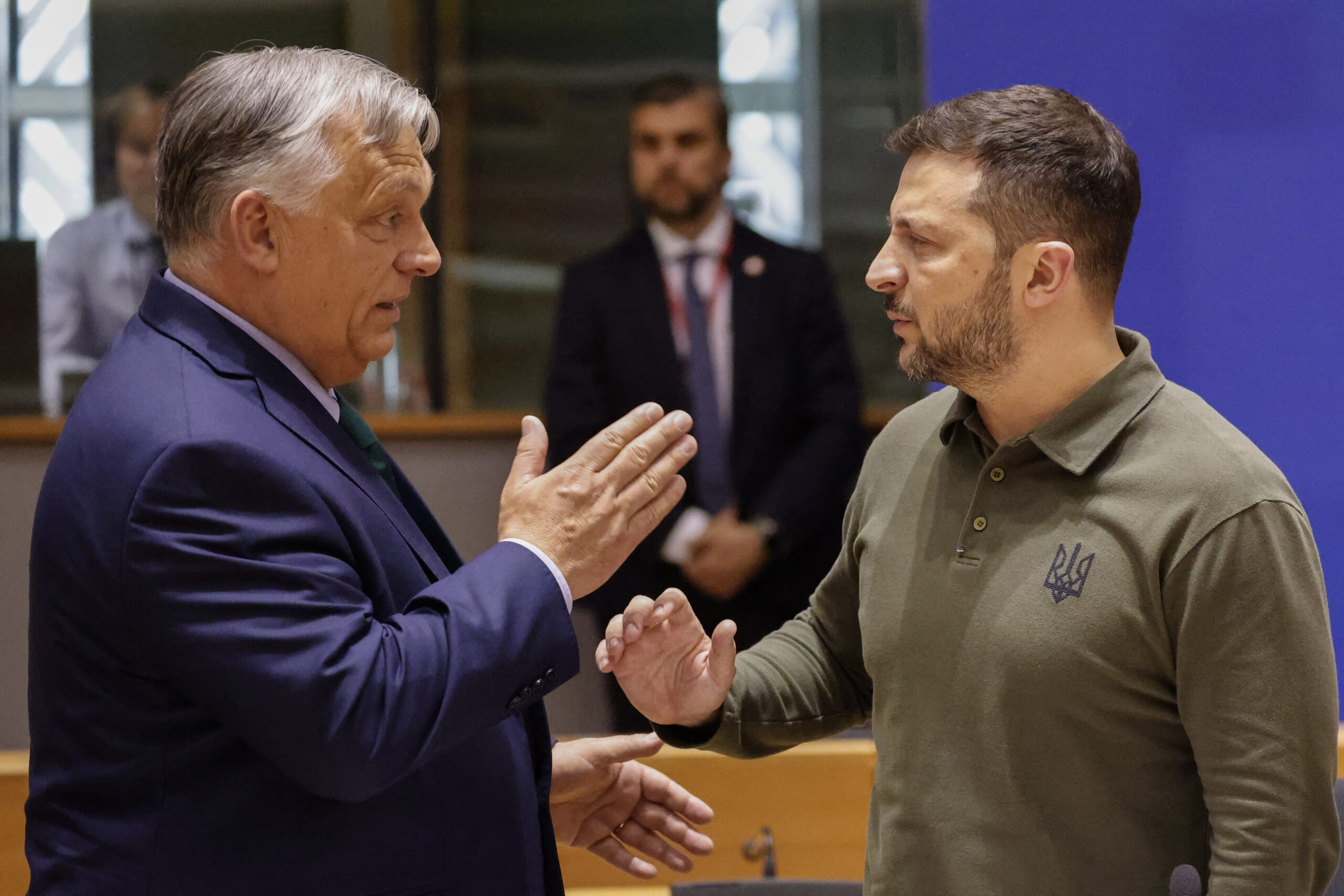
For years, Brussels’s progressive mainstream has painted Viktor Orbán as the EU’s so-called ‘Russian asset’. But now Belgium’s own prime minister, Bart de Wever, is being given the same label—simply for rejecting a reckless plan to use frozen Russian assets as collateral for a EUR 140 billion Ukraine loan.