Orbán Backs Alice Weidel’s Reparations Claim Against Ukraine over Nord Stream

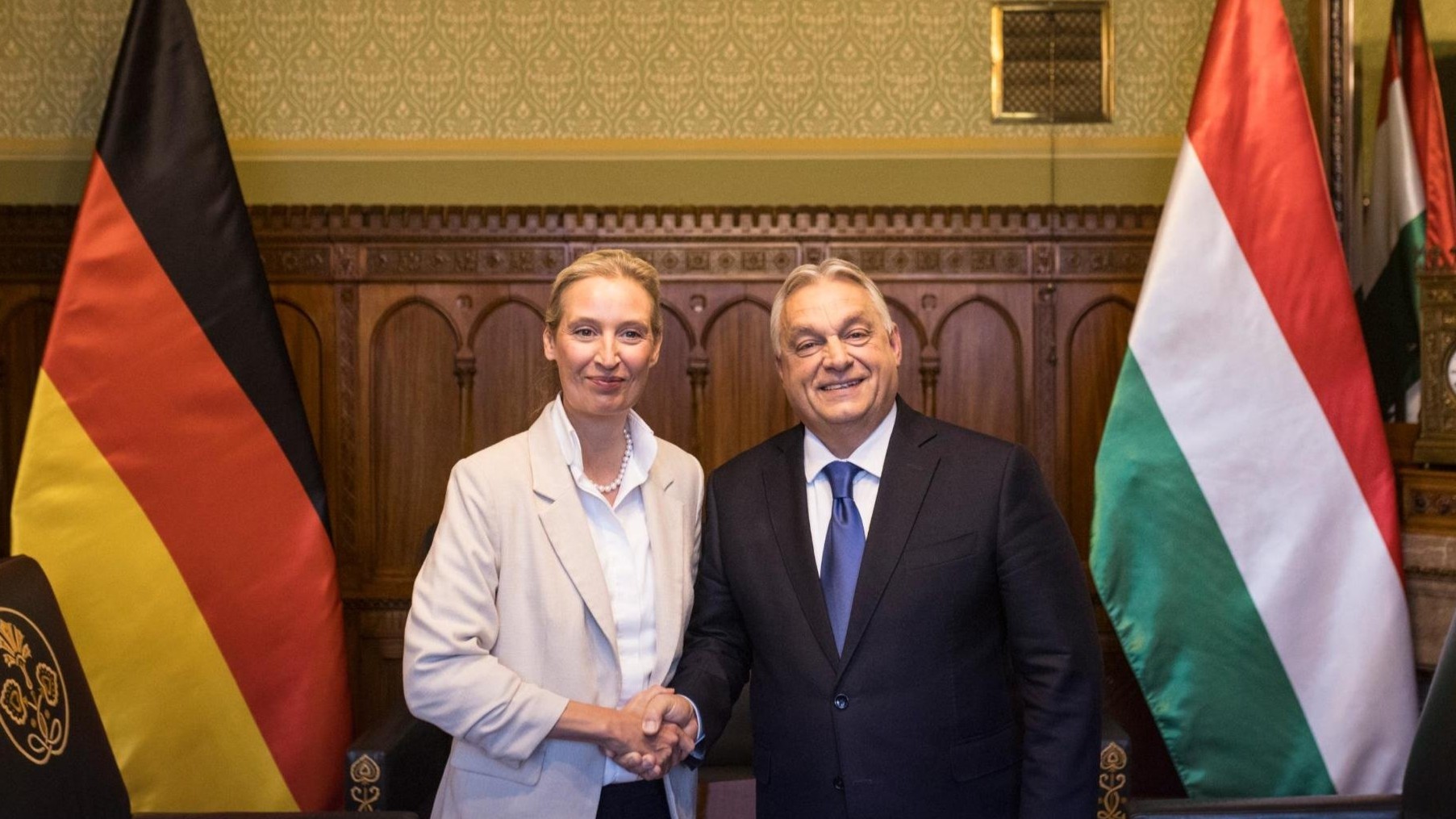
Viktor Orbán has backed AfD co-chair Alice Weidel’s demand that Ukraine pay reparations for the sabotage of the Nord Stream pipelines, retweeting her speech in which she vowed to make Kyiv ‘repay’ the damage. The intervention follows mounting evidence of Ukrainian involvement in the 2022 explosions and adds to growing pressure on European governments to confront responsibility for the attack.

Massive Local Protest Erupts as First Migrants Arrive in Crowborough Camp

Crowborough has become the latest flashpoint in Britain’s migration crisis after locals staged their 12th protest against plans to house 500 male asylum seekers in a former army camp. Residents told broadcasters they fear for safety and say migrants are already ‘hanging around’ town, while Labour insists the policy will replace costly asylum hotels—despite reports the camp will require £5.5 million in extra policing.

Orbán Accuses Ukraine of ‘Openly Interfering’ in Hungary’s Upcoming Election

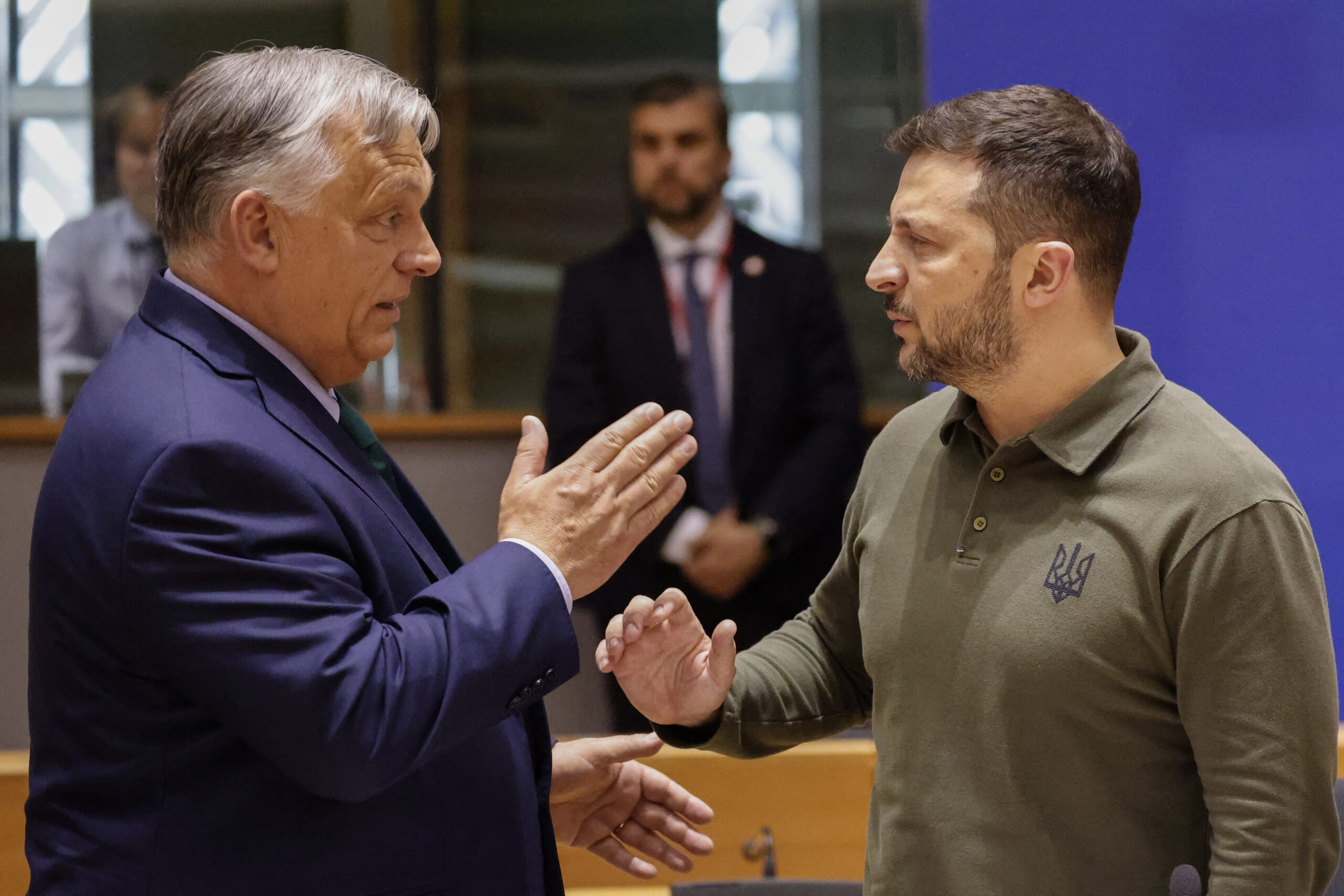
Viktor Orbán has warned that Ukraine is trying to influence Hungary’s election by escalating attacks on his government over EU accession and war funding. After Zelenskyy said leaders like Orbán ‘deserve a smack’, FM Andrii Sybiha accused Budapest of serving Putin and likened Orbán to WWII-era far-right leader Ferenc Szálasi. Hungary says both Brussels and Kyiv are interfering in April’s vote.

Lebanon’s Political Path Amid Changing Regional Dynamics

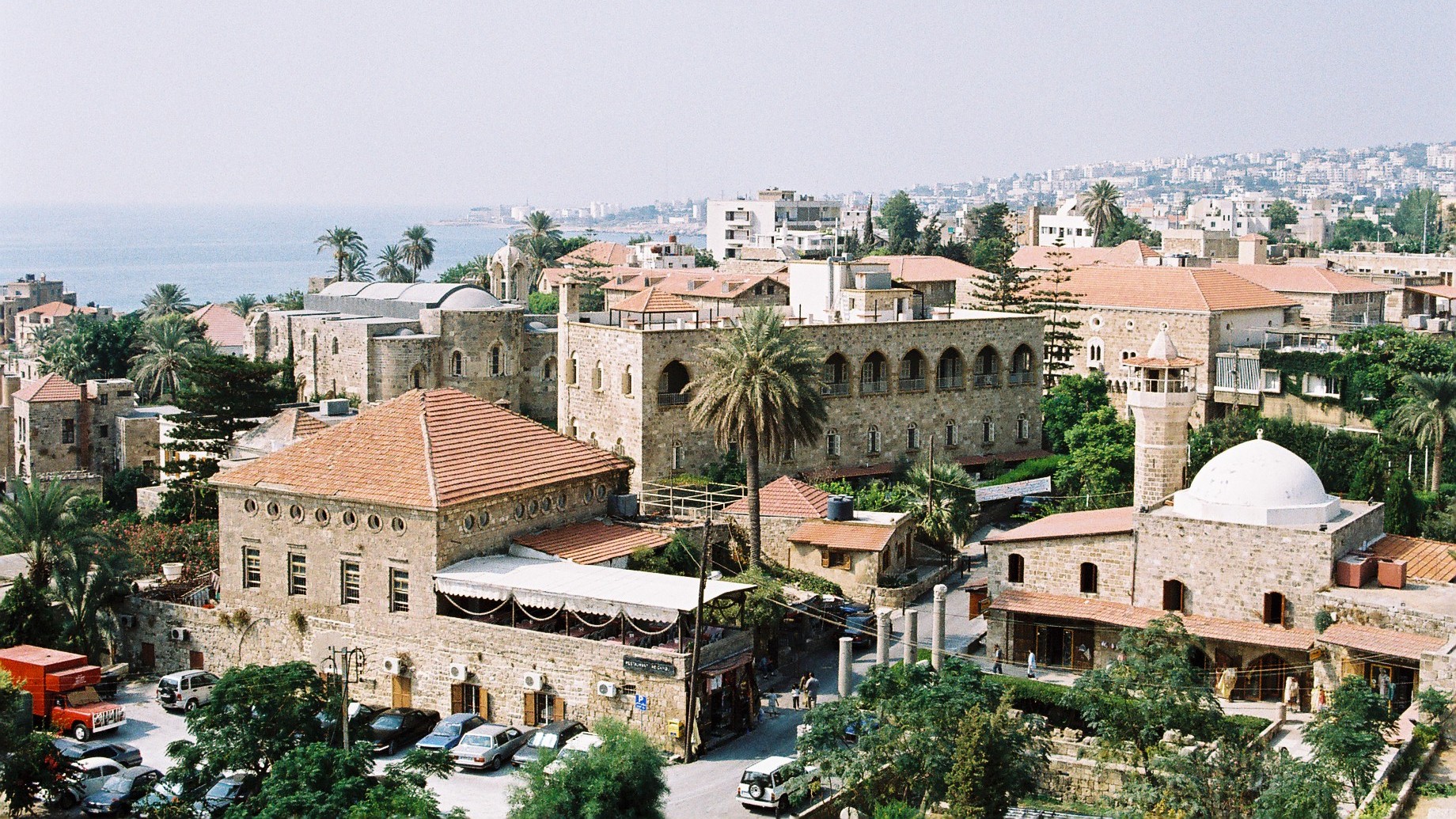
‘It is fair to say that, since its independence, Lebanon has rarely experienced a decade without facing either internal or external conflict. This reality helps explain why Lebanon’s economy has persistently struggled and why it is one of the few countries in the world where the size of the diaspora exceeds that of the domestic population, at an estimated ratio of three to one.’

Quiet Collapse of Deterrence: NATO’s Strategic Dilemma

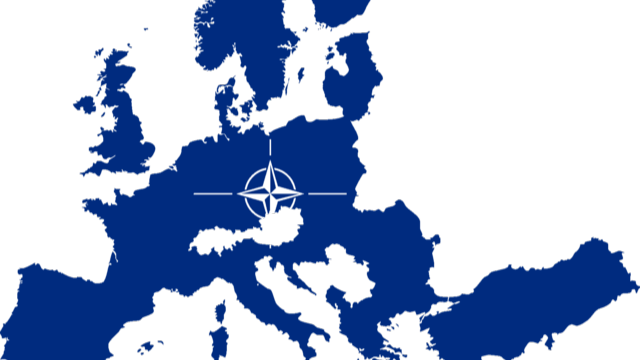
‘For more than three decades after the Cold War, deterrence in Europe was largely taken for granted…Security debates focused less on territorial defence and more on crisis management, expeditionary missions, and stabilization operations far from Europe’s borders. That strategic comfort has now decisively ended.’

The Future of the World: Trans-Pacific Considerations

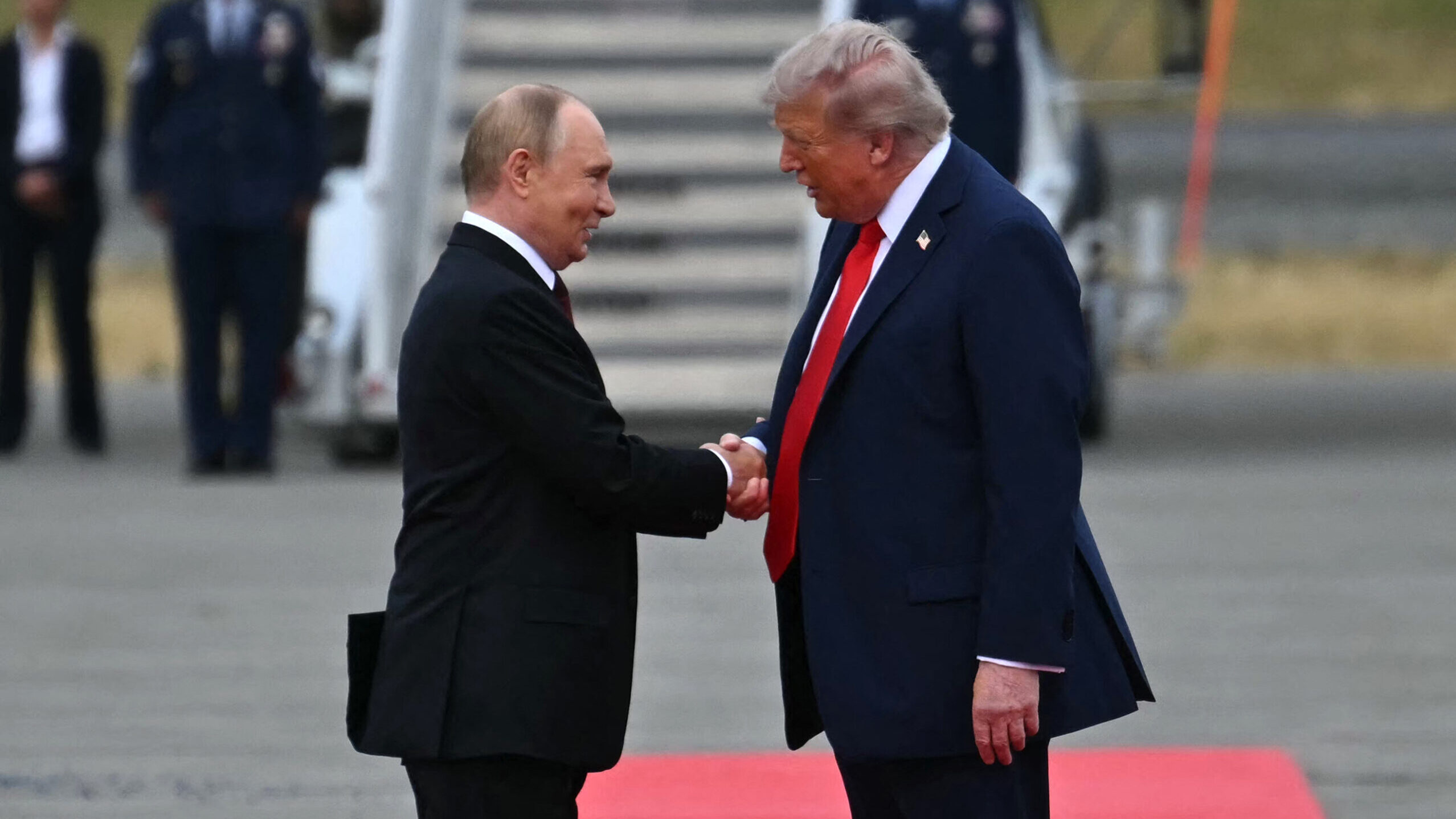
‘This is no longer a world of unilateral dictates, but a multipolar system of alliances defined by agreements, intensive trade, and technological competition. A US–Russian alliance is central to this, symbolized by the meeting of Presidents Trump and Putin in Alaska—a place that was once Russian territory, is now a US state, and may become the symbolic cornerstone of a historic strategic partnership.’