EU Experts Blocked from Inspecting Druzhba Pipeline

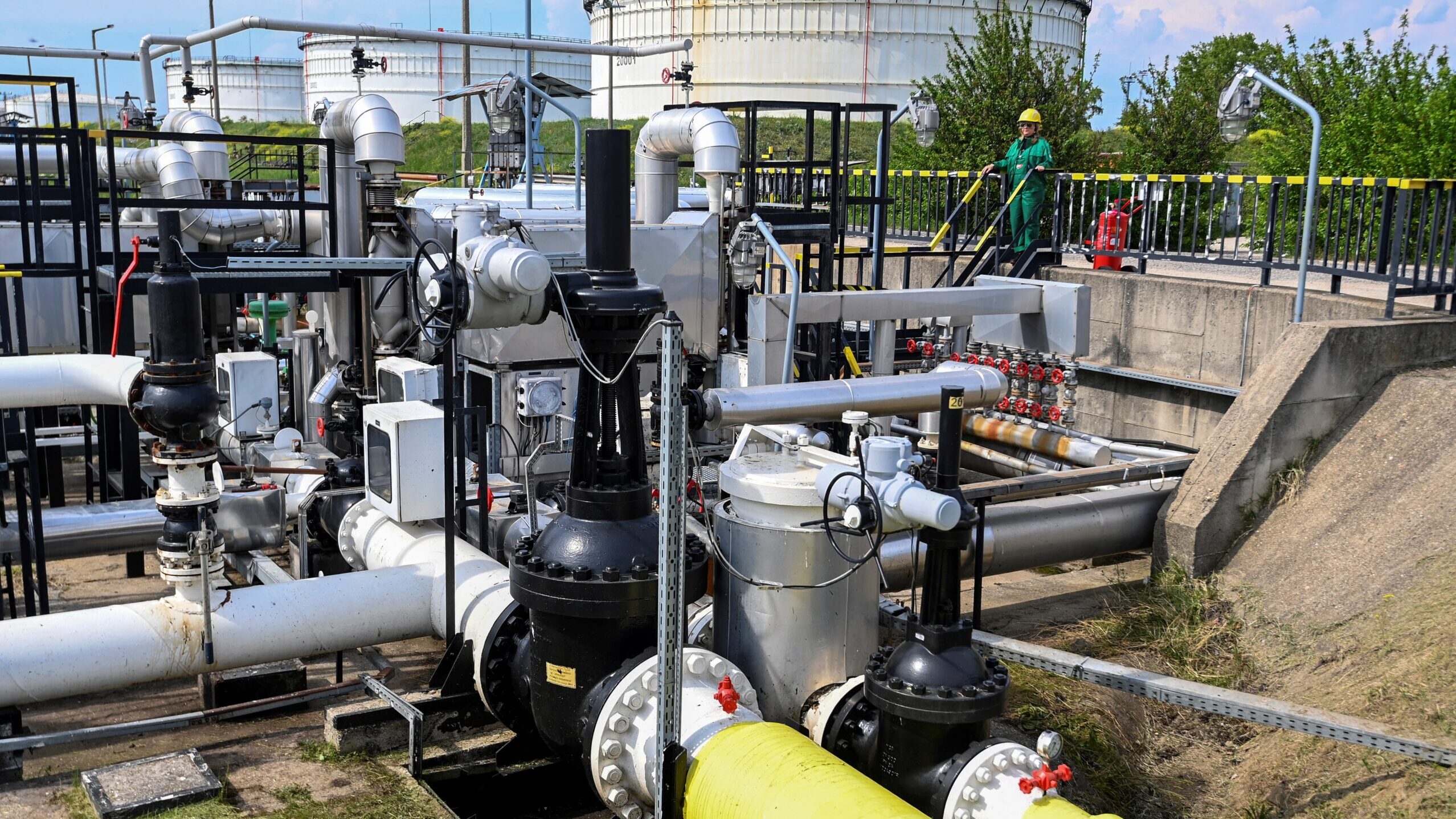
Two weeks after an EU mission entered Ukraine to inspect the damaged Druzhba pipeline, access is still denied, with Kyiv citing security concerns. Hungary and Slovakia accuse Ukraine of political obstruction, escalating tensions as Budapest blocks EU aid and sanctions, deepening divisions over energy security and war policy.
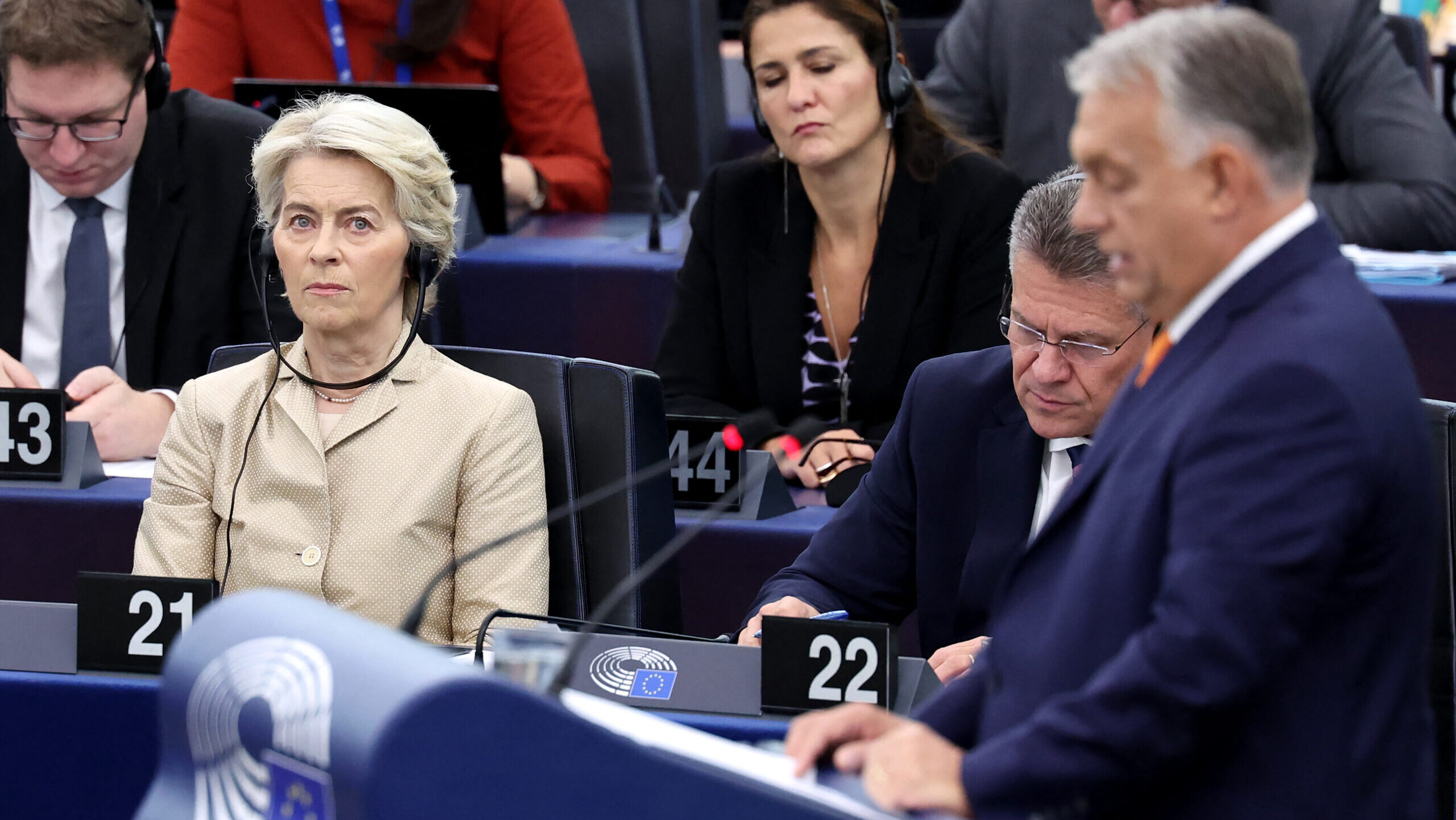
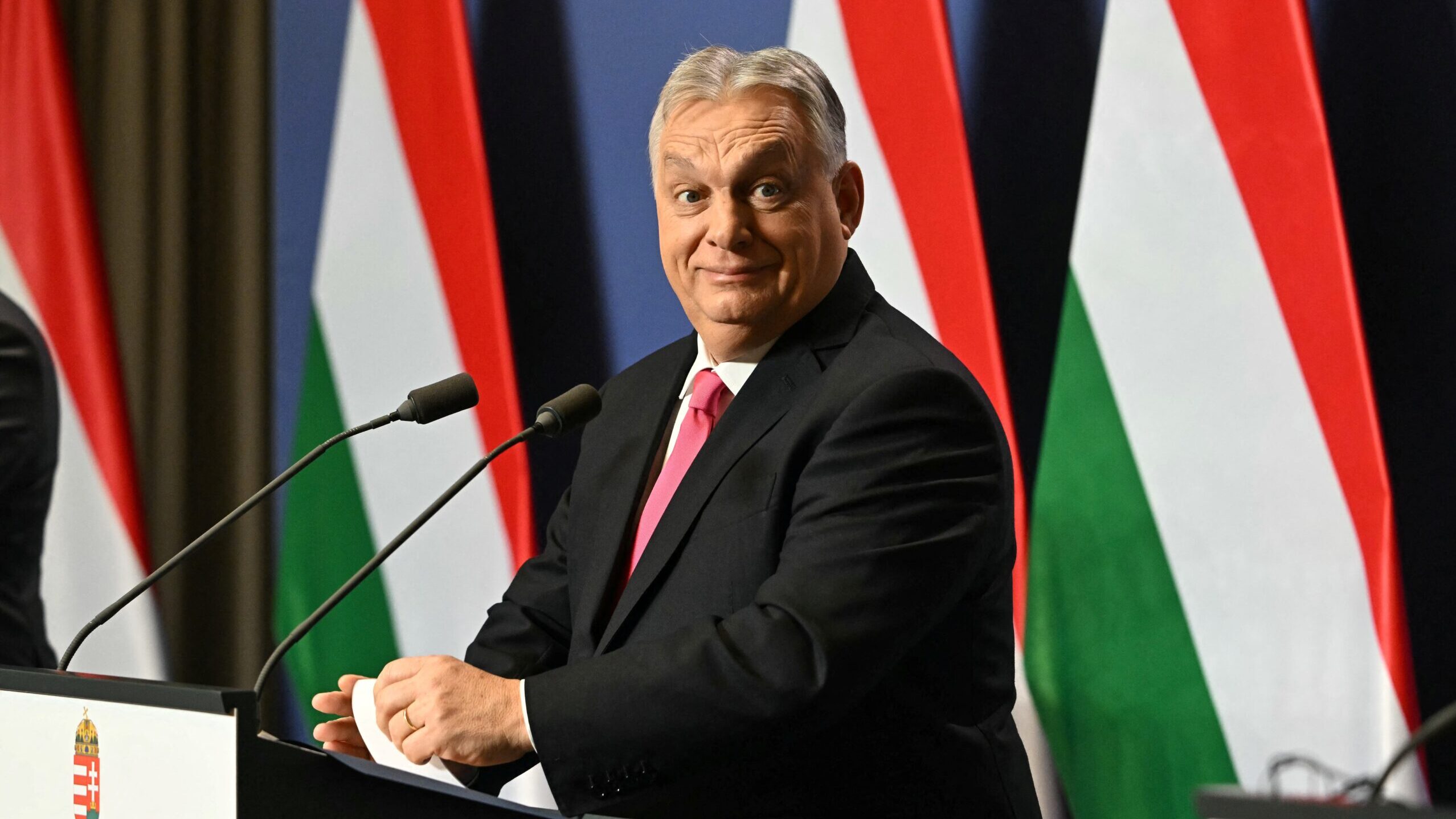
POLITICO Gives the EU Five Ways to ‘Cope’ if PM Orbán Wins Again

POLITICO reports that Brussels is quietly preparing for a potential fifth Orbán term, outlining five possible responses—from bypassing unanimity rules to imposing fines and even suspending Hungary’s voting rights. Despite tough rhetoric, several options face major political and legal hurdles.

POLITICO: EU Leaders Expect PM Orbán to Win the Election

EU leaders increasingly see Viktor Orbán’s re-election as likely, POLITICO Brussels reports, contradicting opposition narratives built on favourable polling. Citing an EU official present at yesterday’s summit, the outlet reported that many leaders expect Orbán would be easier to convince to lift his veto on the €90 billion EU loan once re-elected—which they expect to happen.

Hungary’s Vetoes Fuel Tensions at EU Summit

Hungary was not willing to lift its veto on the €90 billion loan to Ukraine at today’s EU Summit. Budapest demands that Ukraine restart the Druzhba pipeline as a condition for ceasing to block additional EU measures that help Kyiv in their war effort.

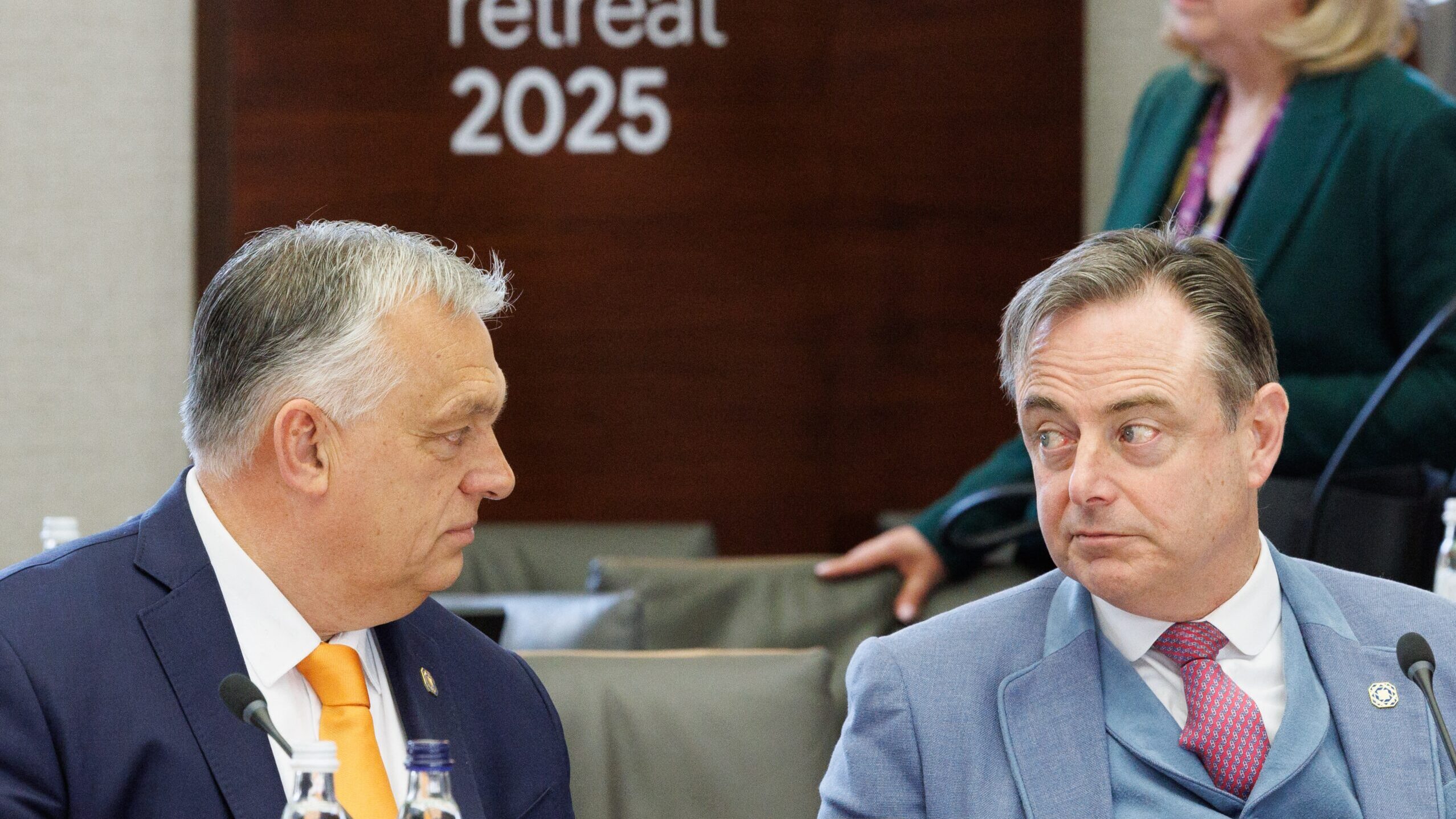
PM De Wever Urges EU to Restore Dialogue and Energy Ties with Russia

Belgian Prime Minister Bart De Wever has broken with the dominant Brussels narrative on Ukraine, urging Europe to negotiate with Russia and restore access to cheap Russian energy. His remarks echo the long-standing position of Hungarian Prime Minister Viktor Orbán and highlight a growing divide in Europe between ideological war rhetoric and leaders increasingly acknowledging economic reality.

Construction of the Druzhba Pipeline, also referred to as the Friendship Pipeline and the Comecon Pipeline, which is one of the world’s longest oil pipelines and one of the largest oil pipeline networks in the world, Zsámbok, Hungary, 1972

Europe’s Energy Hypocrisy

‘By the end of 2025, it was evident that Hungary and Slovakia were not the only EU member states still importing Russian energy…While these flows are expected to change from 2026 onward as new restrictions take effect, the present reality is clear: Russian energy has not disappeared from Europe, it has merely been redistributed.’

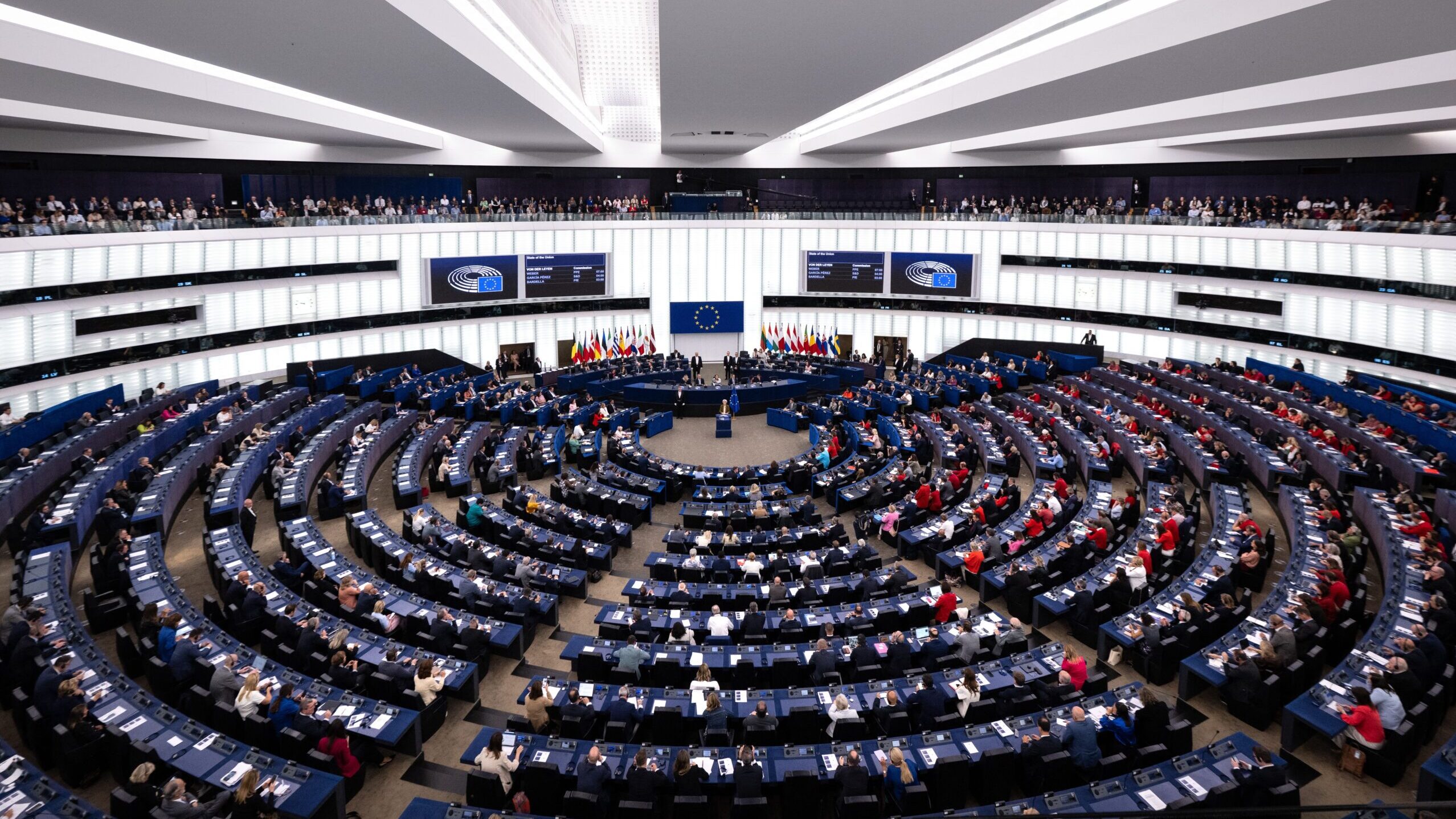
EP Adopts Resolution to Override Hungary’s Veto on Ukraine EU Accession

The European Parliament voted to weaken member states’ veto power in EU enlargement decisions, a step widely seen as aimed at neutralizing Hungary’s ability to block Ukraine’s accession. The move highlights growing pressure from Brussels to push Kyiv’s membership forward despite mounting political tensions ahead of Hungary’s parliamentary election.

Please consider supporting our mission.

At a time when public debate is increasingly polarized and superficial, Hungarian Conservative remains committed to depth and independent thought.

Donate Now

Please consider supporting our mission.