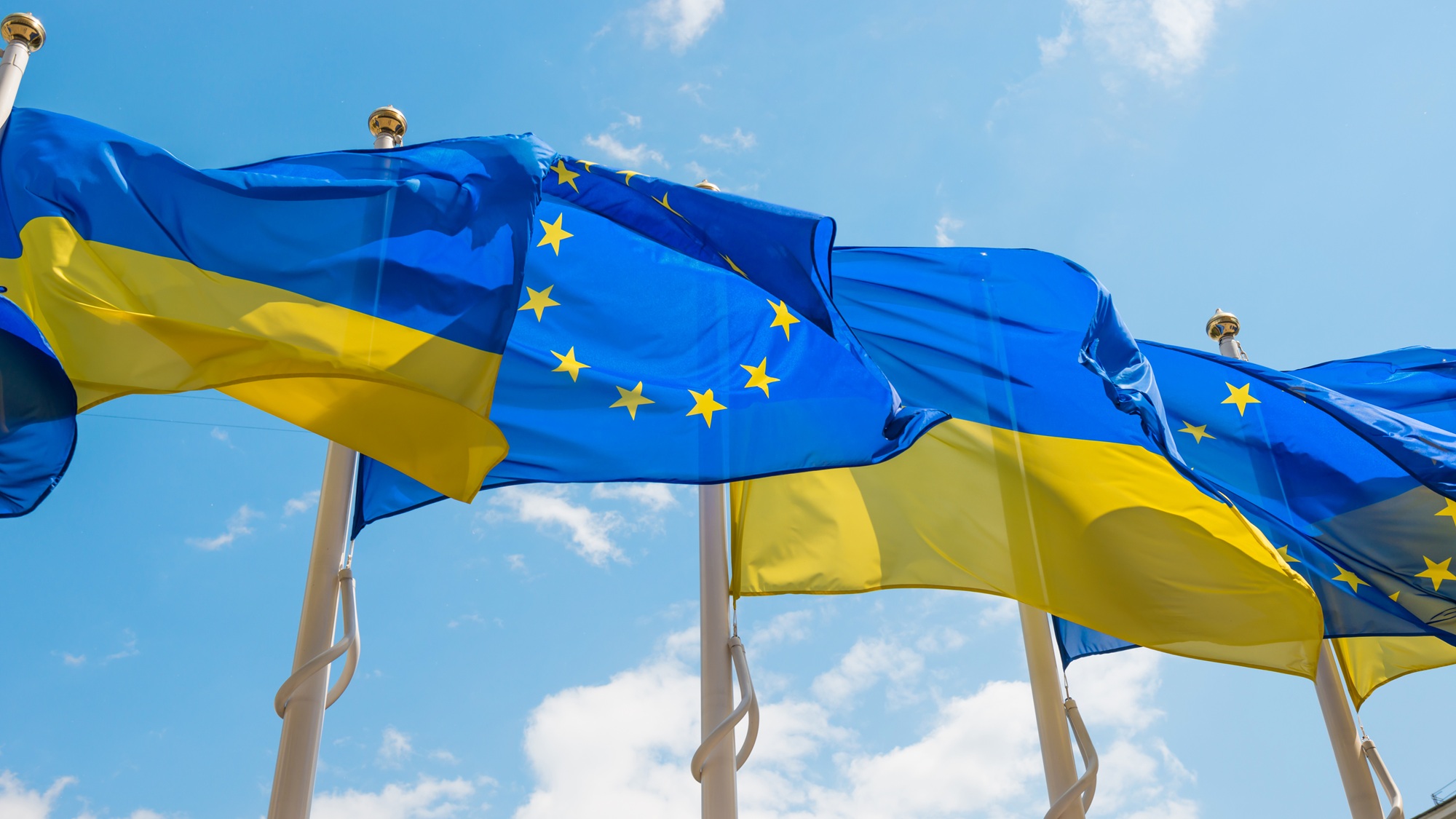
And Who Speaks on Behalf of Europe?
‘The Commission considered Ukraine’s support to be more important than the protests at the national and sectoral level in the Member States and therefore pushed through the amendment to the trade agreement…’

‘The Commission considered Ukraine’s support to be more important than the protests at the national and sectoral level in the Member States and therefore pushed through the amendment to the trade agreement…’
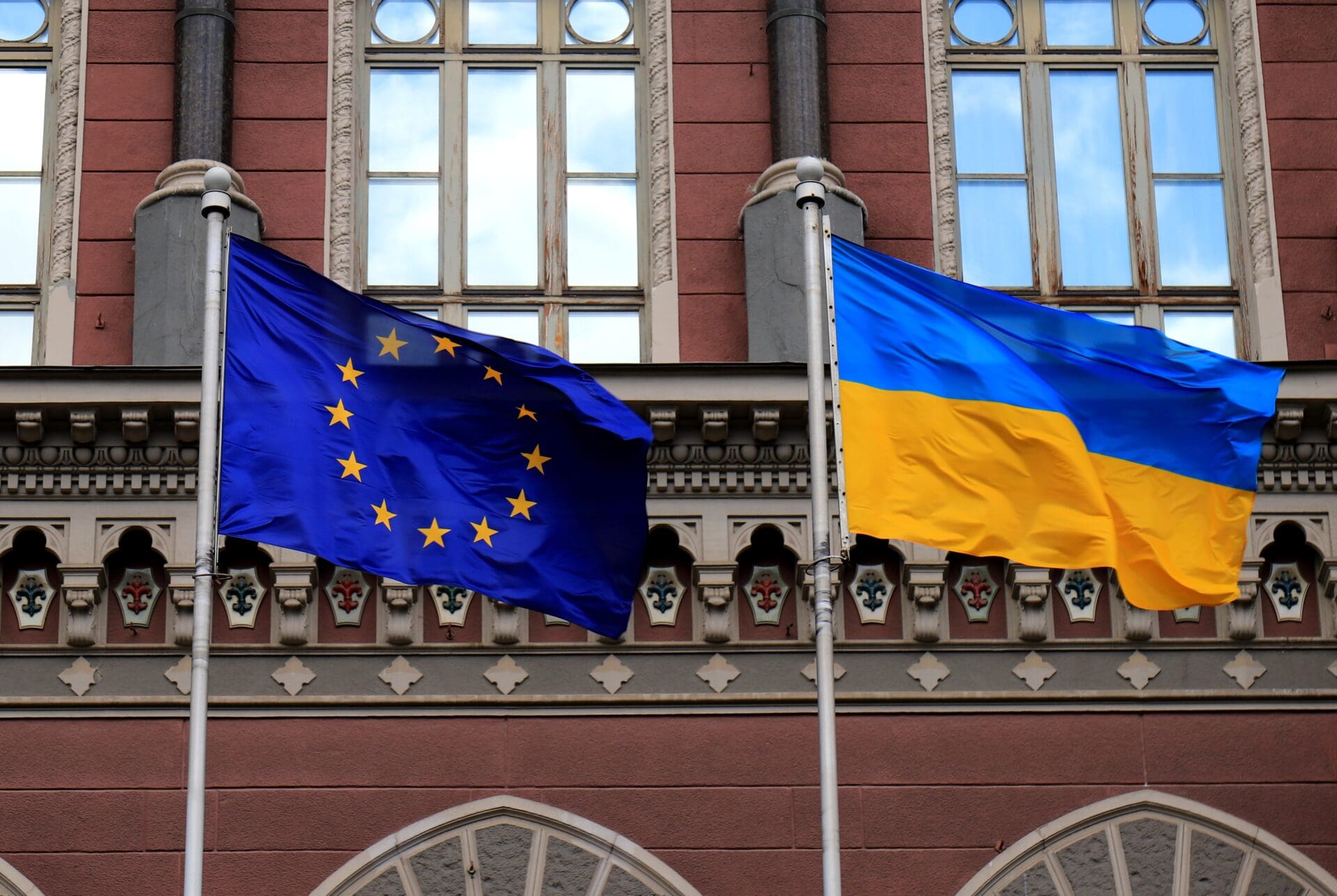
‘According to the European Commission, Ukraine has made significant progress on its enlargement path, so much so that it has already met the conditions to open clusters on fundamentals, external relations, and the internal market…Berlaymont does not rule out the feasibility of Ukraine’s accession by 2028.’
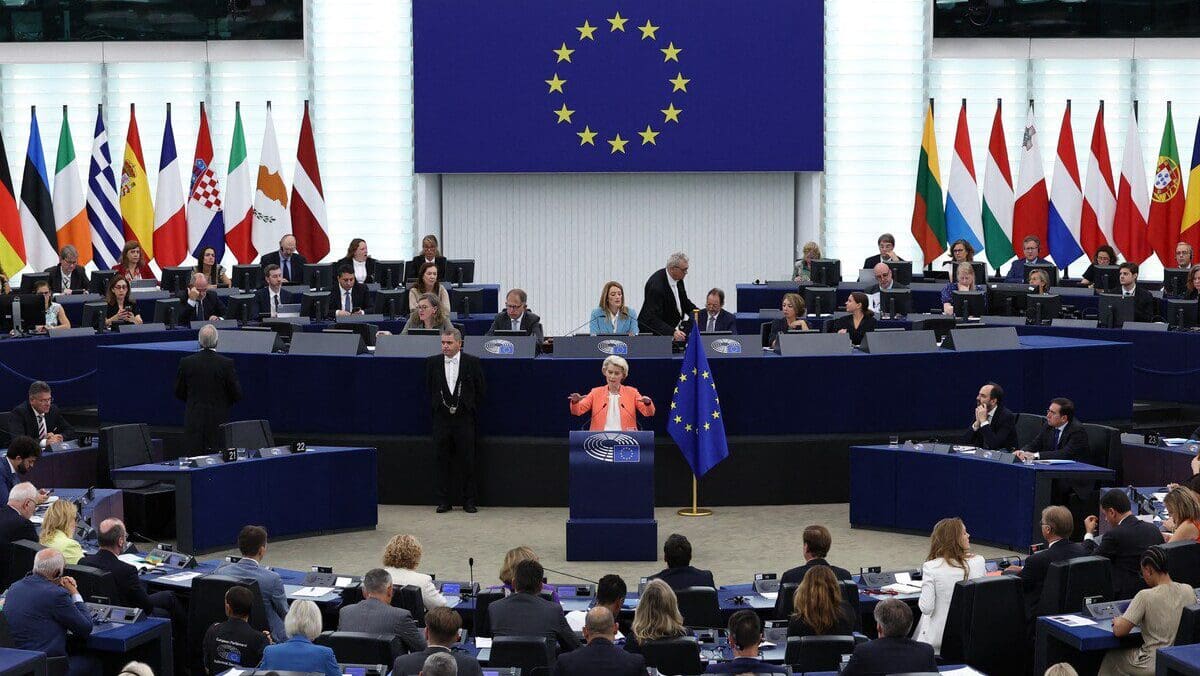
‘Our world has changed, the international order has transformed, and every actor is trying to adapt. With the end of unipolarity, the hegemony of liberal foreign policy also ended…Free trade has given way to protectionism; moralizing, value-centric diplomacy has given way to transactional realism. However, this recognition apparently eludes the European Union.’
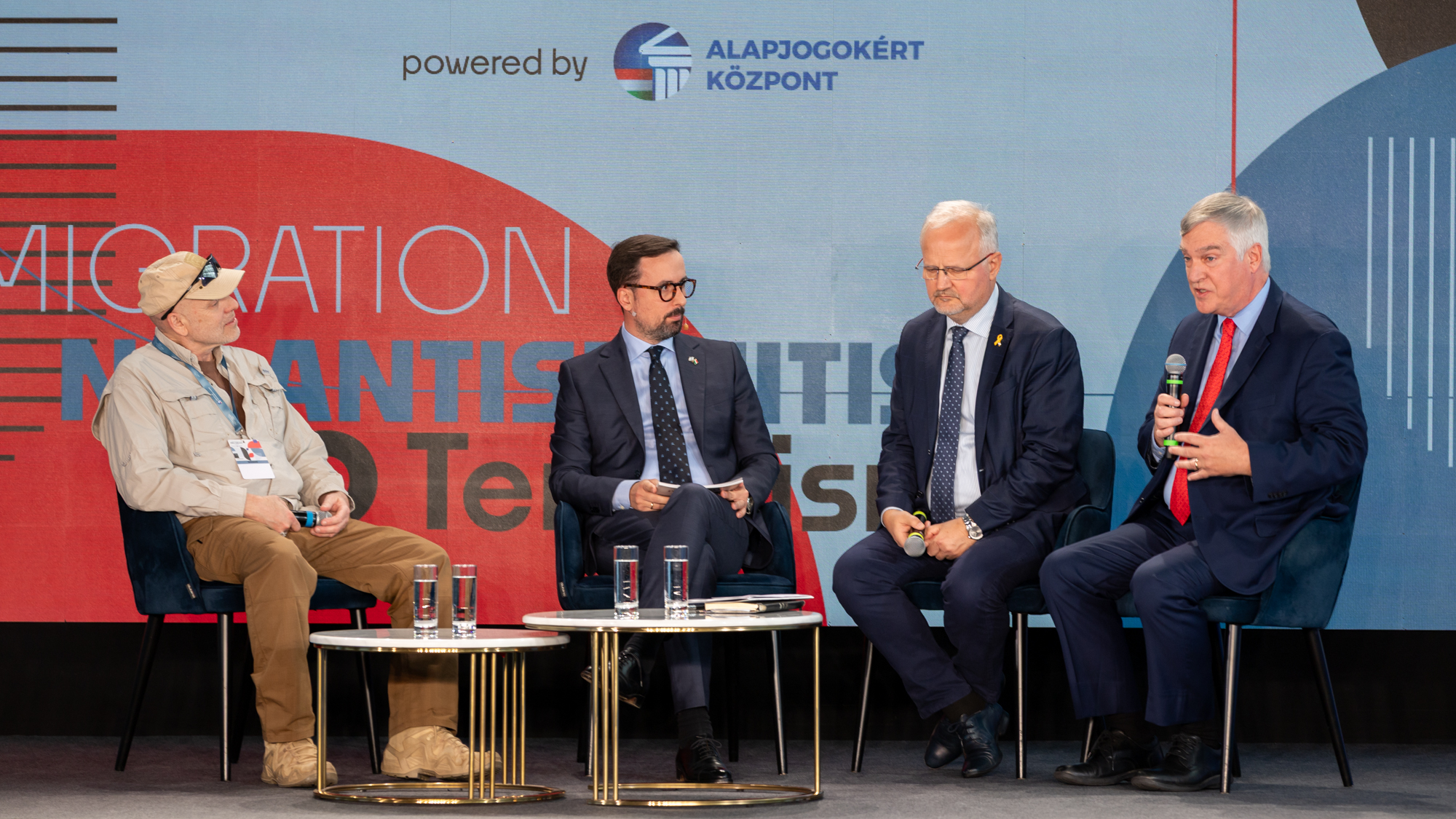
To fight terrorism, illegal immigration, and antisemitism, we need a strong Israel, a strong United States, and a strong Hungary—this was the key message at the panel discussion of the third International Pro-Israel Summit. It was also revealed that Budapest has become Jerusalem’s number one ally in Europe.
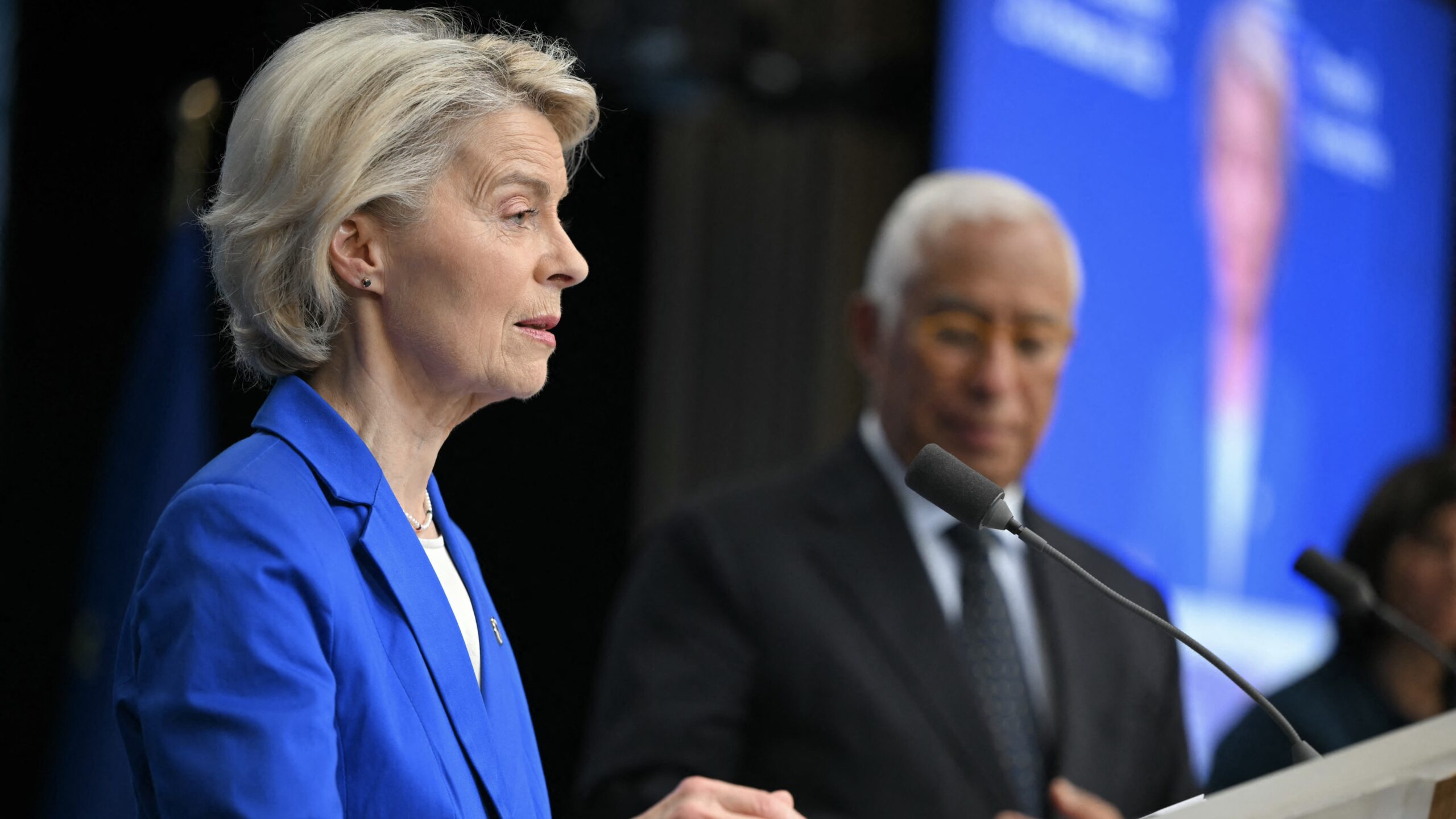
‘Belgium, where most of these Russian assets are held (by the Belgian financial institution, Euroclear), is strongly resisting the European Commission’s push to use them. It fears not only repercussions from Russia, but also the capital markets losing trust, which could have long-term consequences on third countries’ willingness to invest and keep their assets in Belgium, or in Europe, indeed.’
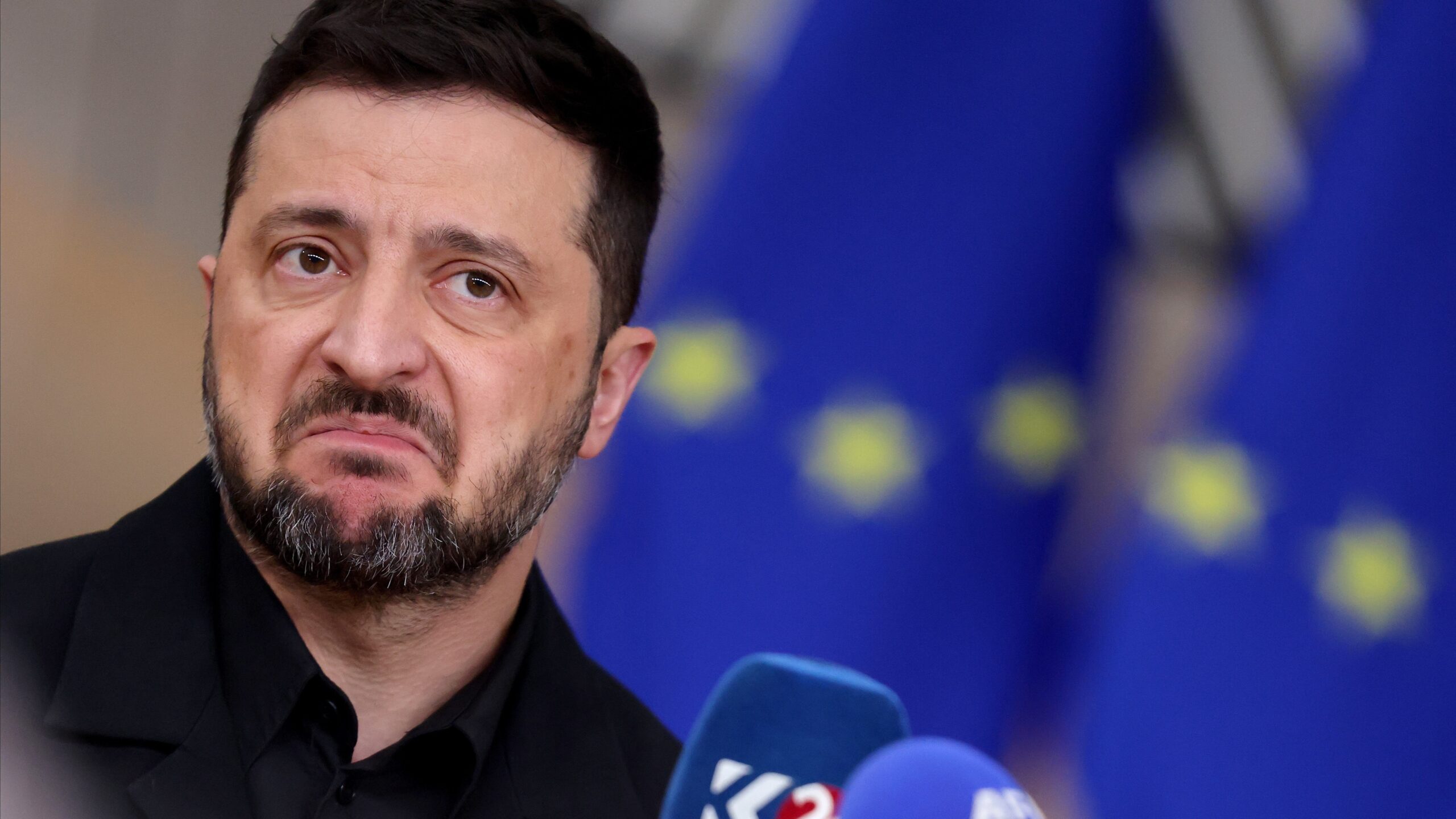
A ceasefire in Ukraine is possible only through intensified pressure on Russia, President Volodymyr Zelenskyy said at the EU summit in Brussels, calling for tougher sanctions, advanced air defense systems, and continued financial aid.

Hungary’s leading agricultural organizations, NAK and Magosz, strongly oppose the EU’s proposed free trade deal with Ukraine, warning that it threatens Europe’s food production, drives down prices, and poses serious food safety risks.
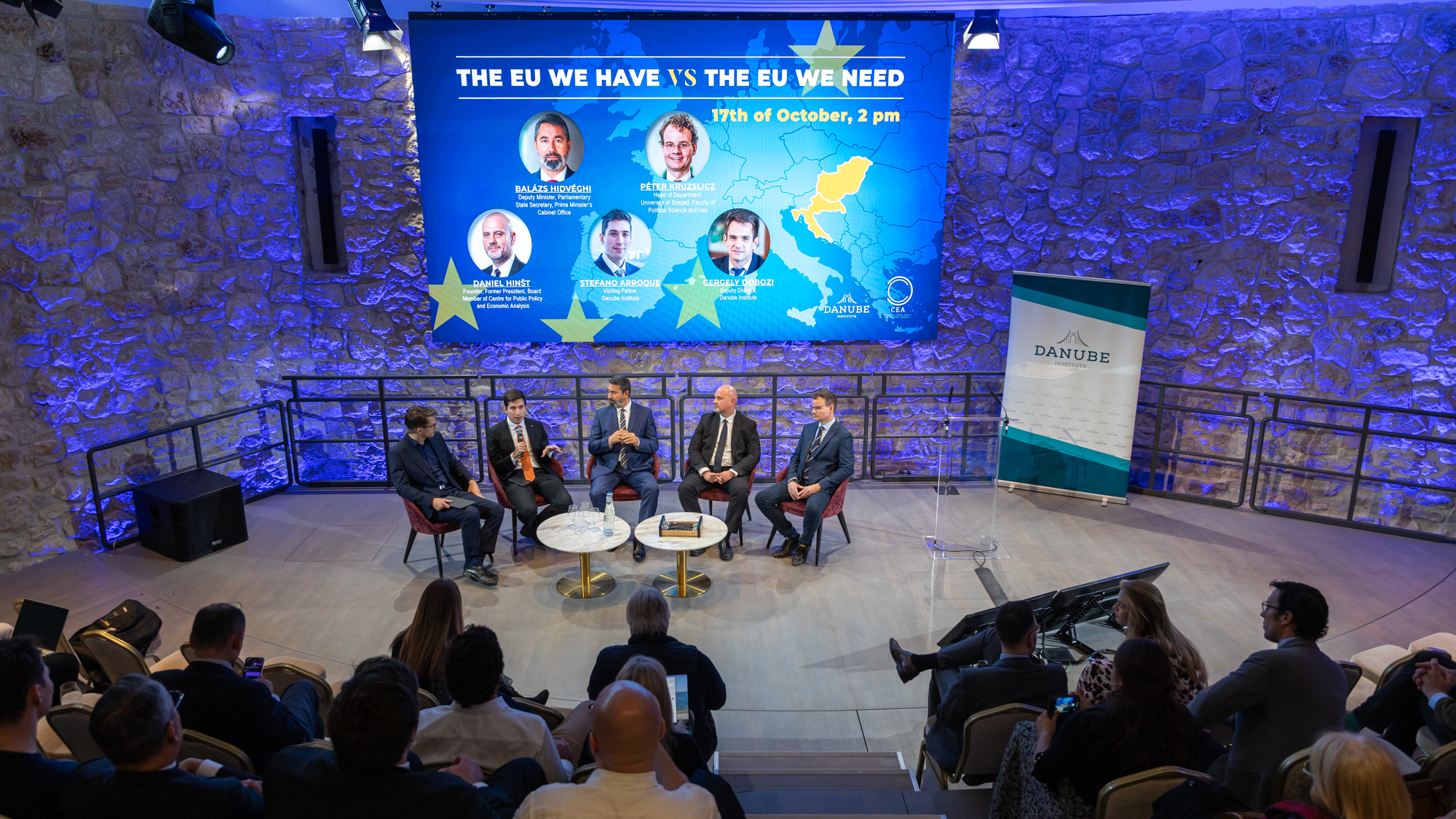
The Danube Institute hosted a high-level discussion on the EU’s future, where Balázs Hidvéghi, Stefano Arroque, Daniel Hinšt, and Péter Kruzslicz agreed that the bloc’s growing centralization has created a structural crisis. Speakers urged reform, respect for sovereignty, and a return to the principle of subsidiarity.
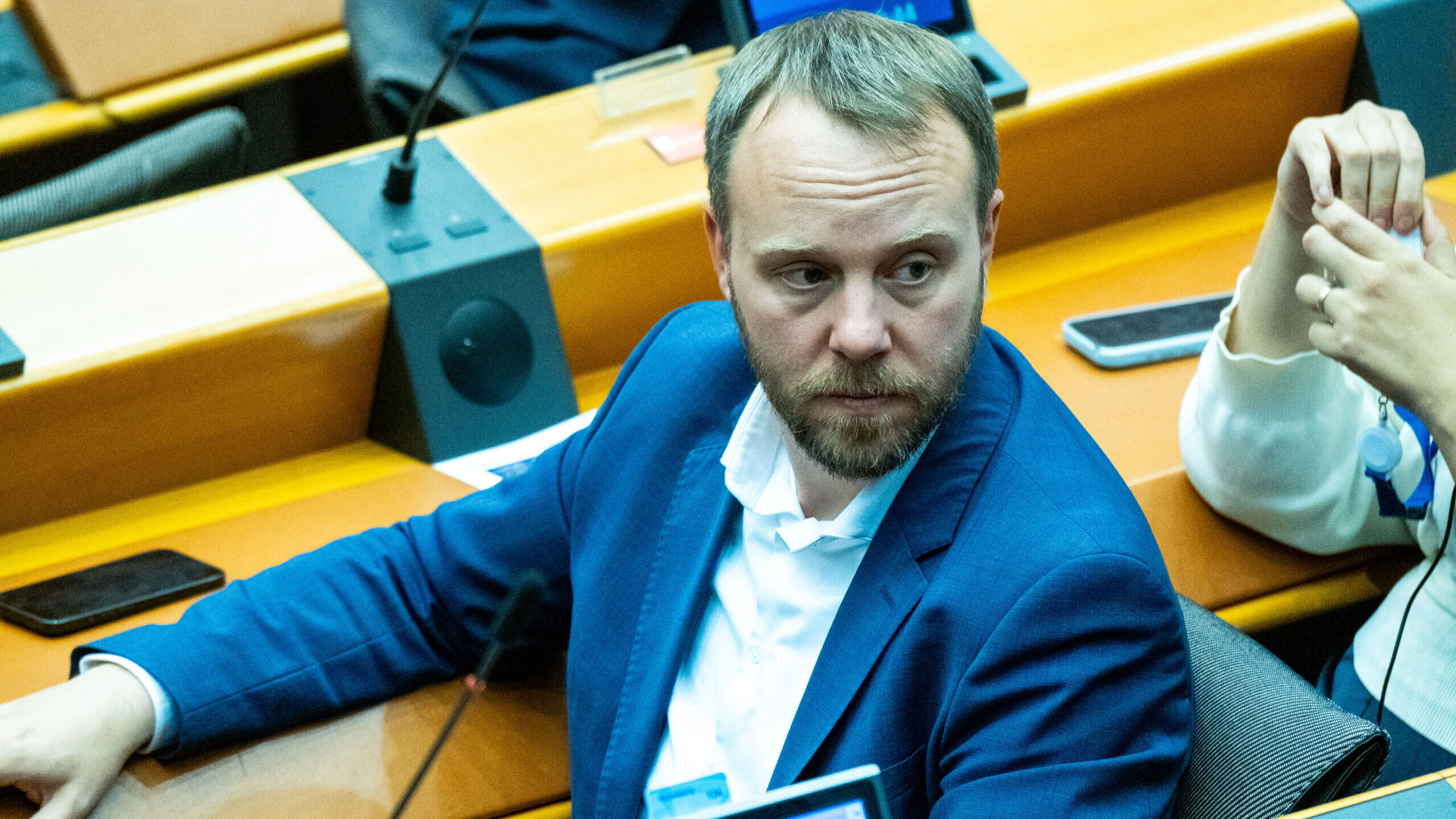
German Green MEP Daniel Freund has lodged a criminal complaint against Hungarian Prime Minister Viktor Orbán, alleging an attempt to hack his email using spyware. Freund—long a vocal Orbán critic—claims Hungarian intelligence was behind the attack.
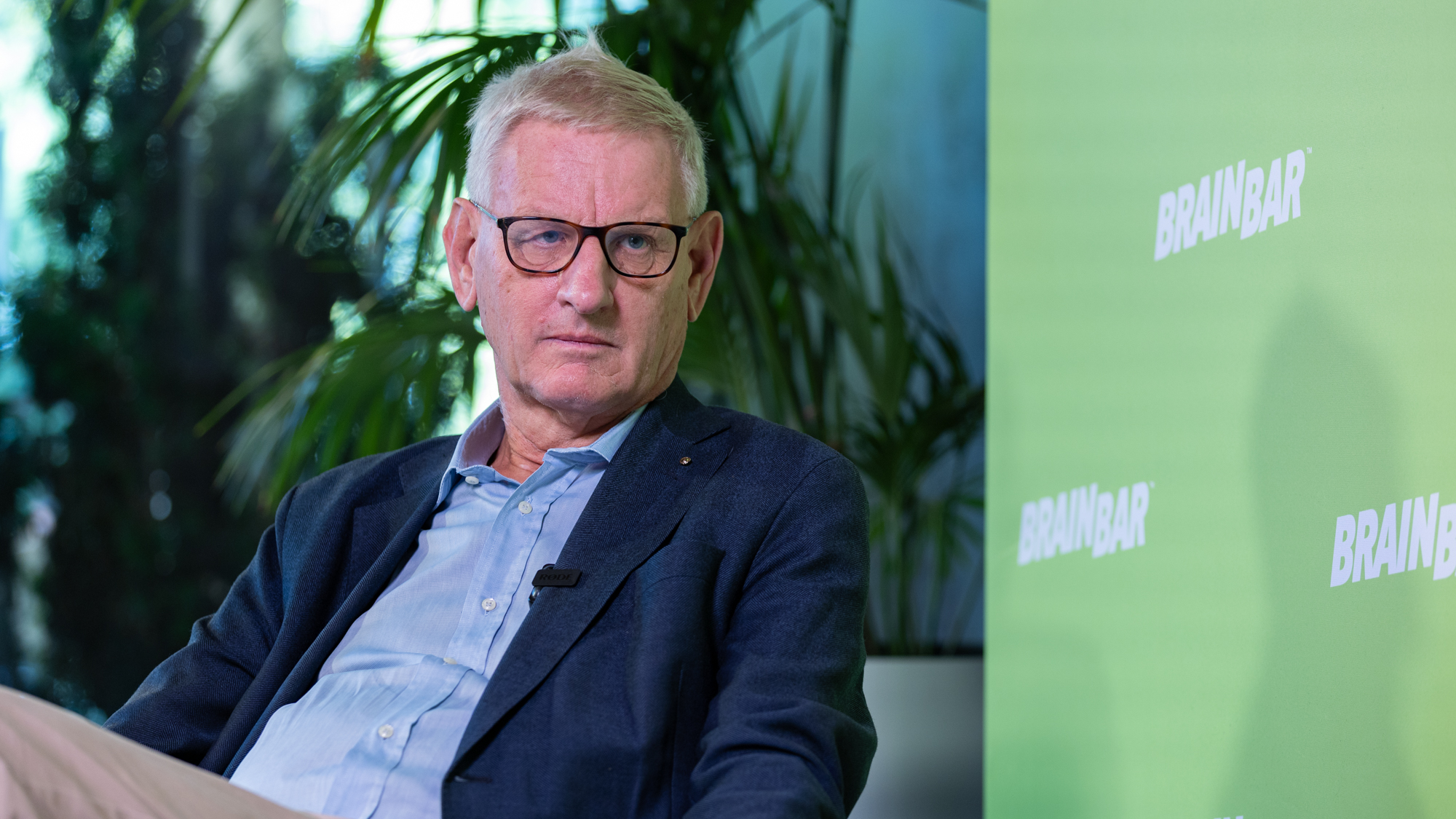
What could be Europe’s future: a decline, or a new golden age? How imminent is the Russian threat to Europe? How does Sweden view Hungary’s fight for sovereignty? We asked former Prime Minister of Sweden Carl Bildt about Europe’s bright or dark future at Brain Bar 2025 in Budapest.