






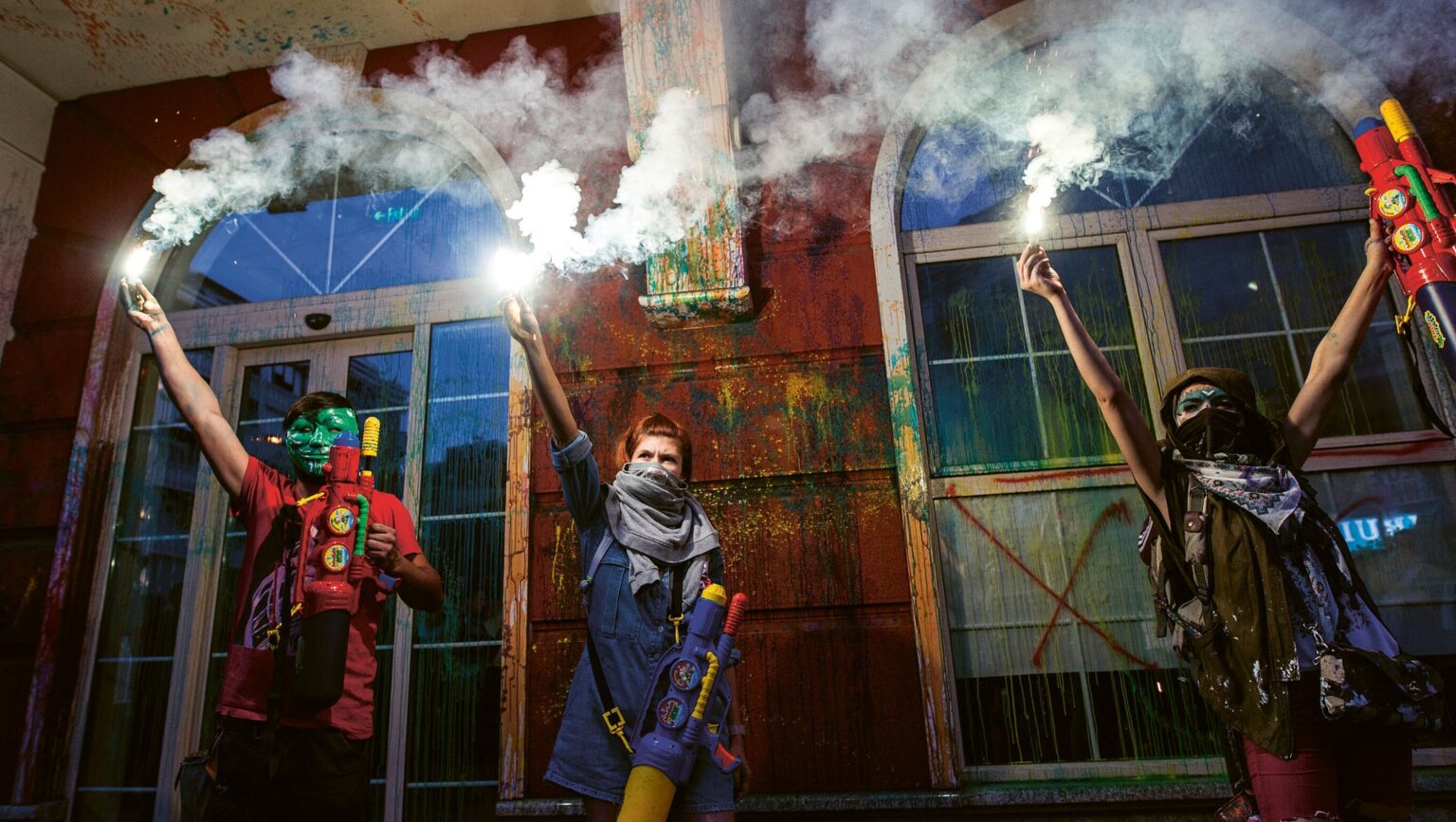
‘Colour revolutions are weapons for waging political battle, and rely on the so-called “methods of non-violent action” that unfold as protests against the government, under the pretext of fighting against dictatorship and corruption, led by the opposition.’
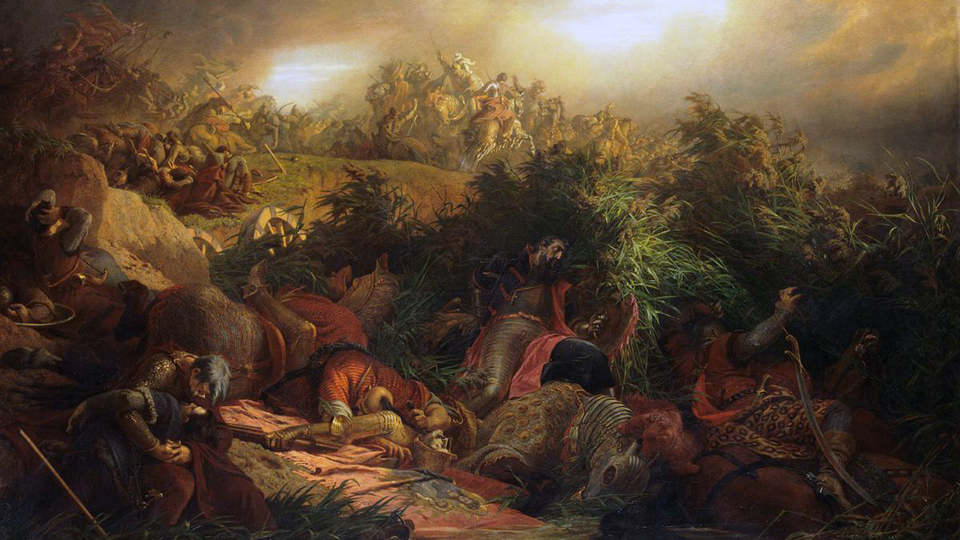
‘Hungary commemorates the 500th anniversary of the Battle of Mohács against the Ottoman Empire today, 29 August 2026. The date is crucial to Hungarian history and identity. But what exactly happened there that makes it so important?’

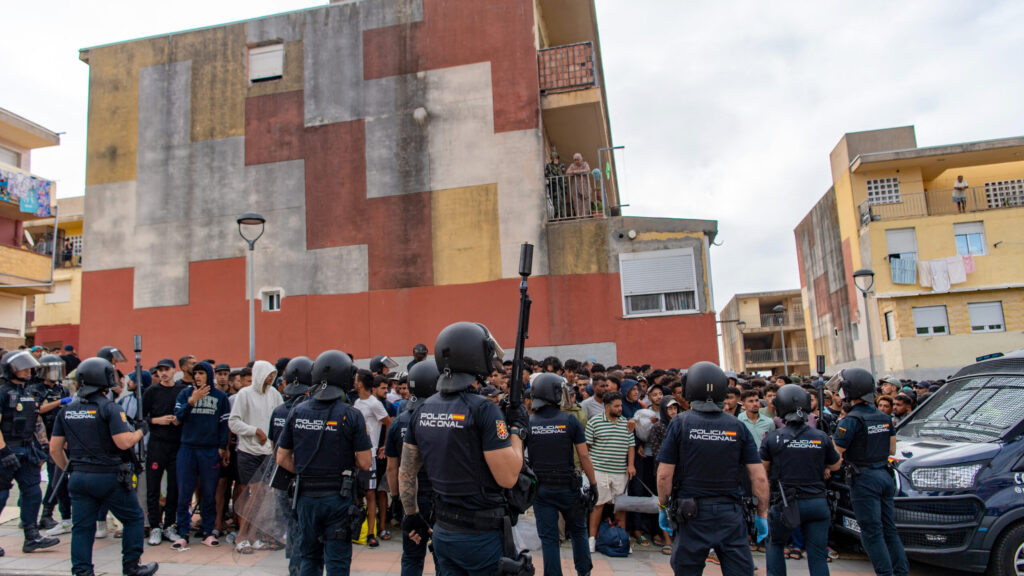
Illegal migrants in Ceuta threw bottles containing a chemical solvent at local protesters on Friday, escalating a fourth day of unrest in the Spanish enclave. Hours earlier, police were reported to be investigating bulk purchases of hydrochloric acid and aluminium foil by migrants accompanied by NGO activists, fuelling growing local hostility towards humanitarian groups.

Hungarian wage growth slowed sharply in June, with average gross earnings rising by 7.1 per cent year-on-year—the weakest increase since 2021. Despite the slowdown, strong real wage growth and subdued inflation continue to support household consumption and economic growth.
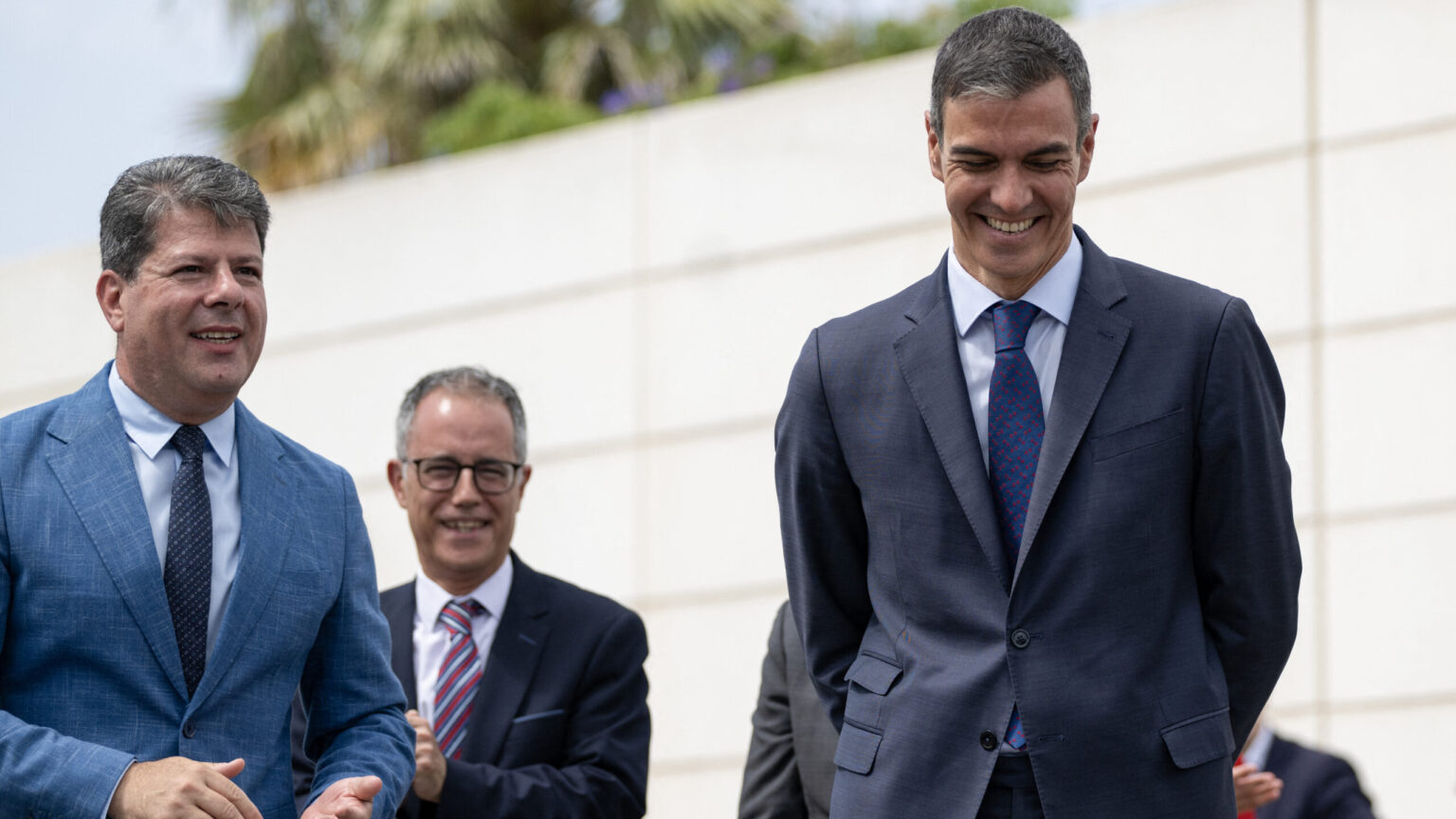
Pedro Sánchez came to power promising political ‘regeneration’; eight years later, Ceuta has become the clearest symbol of what his experiment produced instead. Corruption scandals, radical social engineering and a permissive migration policy have converged in an enclave fighting for its existence against invading masses, while Madrid’s denial has betrayed Ceuta, Spain and, increasingly, Europe itself.
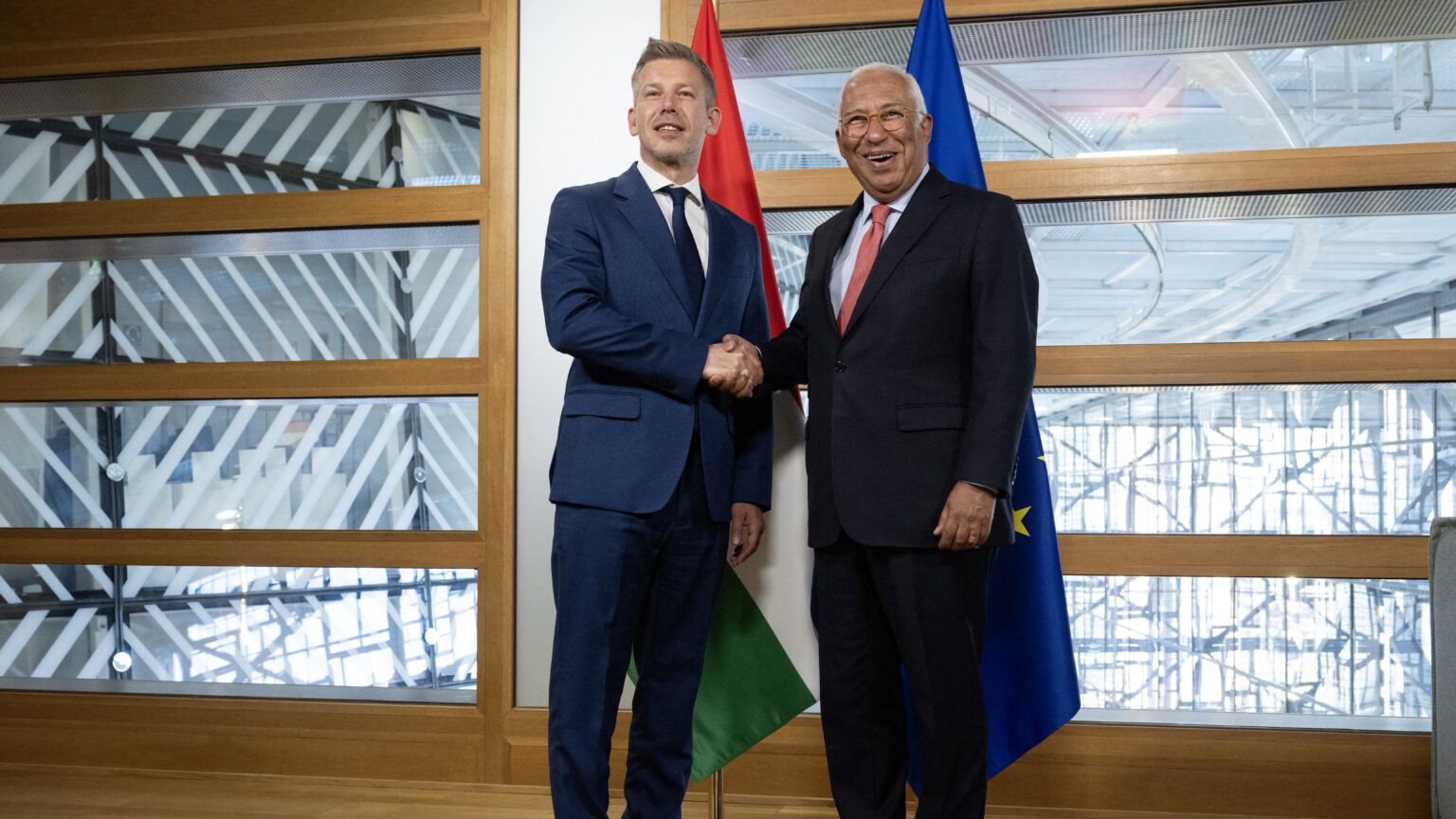
European Council President António Costa will meet Hungarian Prime Minister Péter Magyar in Budapest on 2 September as part of his tour of EU member states. The talks will focus on the bloc’s next long-term budget and other key EU priorities.

Canada’s taxpayer-funded CBC is facing backlash after an internal memo told journalists not to describe the 11 September attacks as ‘terrorist attacks’. The directive drew criticism from Canadian and US politicians and comes amid unusually tense relations between Washington and Ottawa, just weeks ahead of the 25th anniversary of 9/11.

President Trump has shared his ranking of US Presidents on his own social media platform, Truth Social. Perhaps unsurprisingly, he has ranked himself as the Greatest of All Time. However, who else did he rank high, and who did he rank as ‘Failures’ among the men who had served in his role before him?

UNICEF Hungary has urged reforms to address problems in Hungary’s child protection system, educational inequalities and children’s mental health. The organization presented its recommendations at a Geneva meeting ahead of the United Nations’ Universal Periodic Review of Hungary.
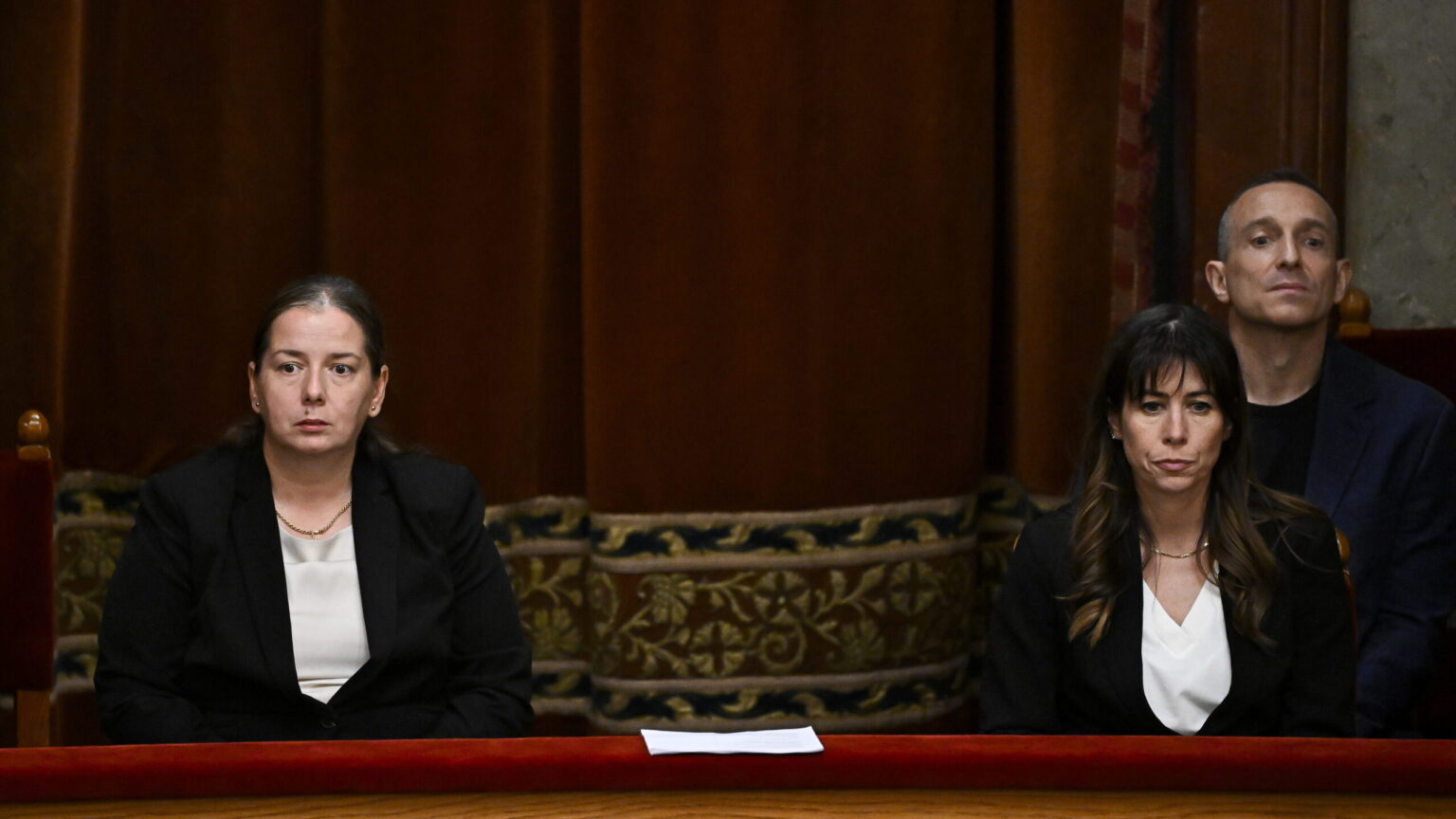
Parliament elected Anna Róza Unger president of Hungary’s new NVVH anti-corruption super-agency on Friday by 137 votes to seven, despite mounting criticism of her professional background and the chaotic selection process. The backlash intensified as Ákos Hadházy alleged the contest was largely ‘theatre’ and that Unger emerged from a compromise inside Tisza’s leadership.
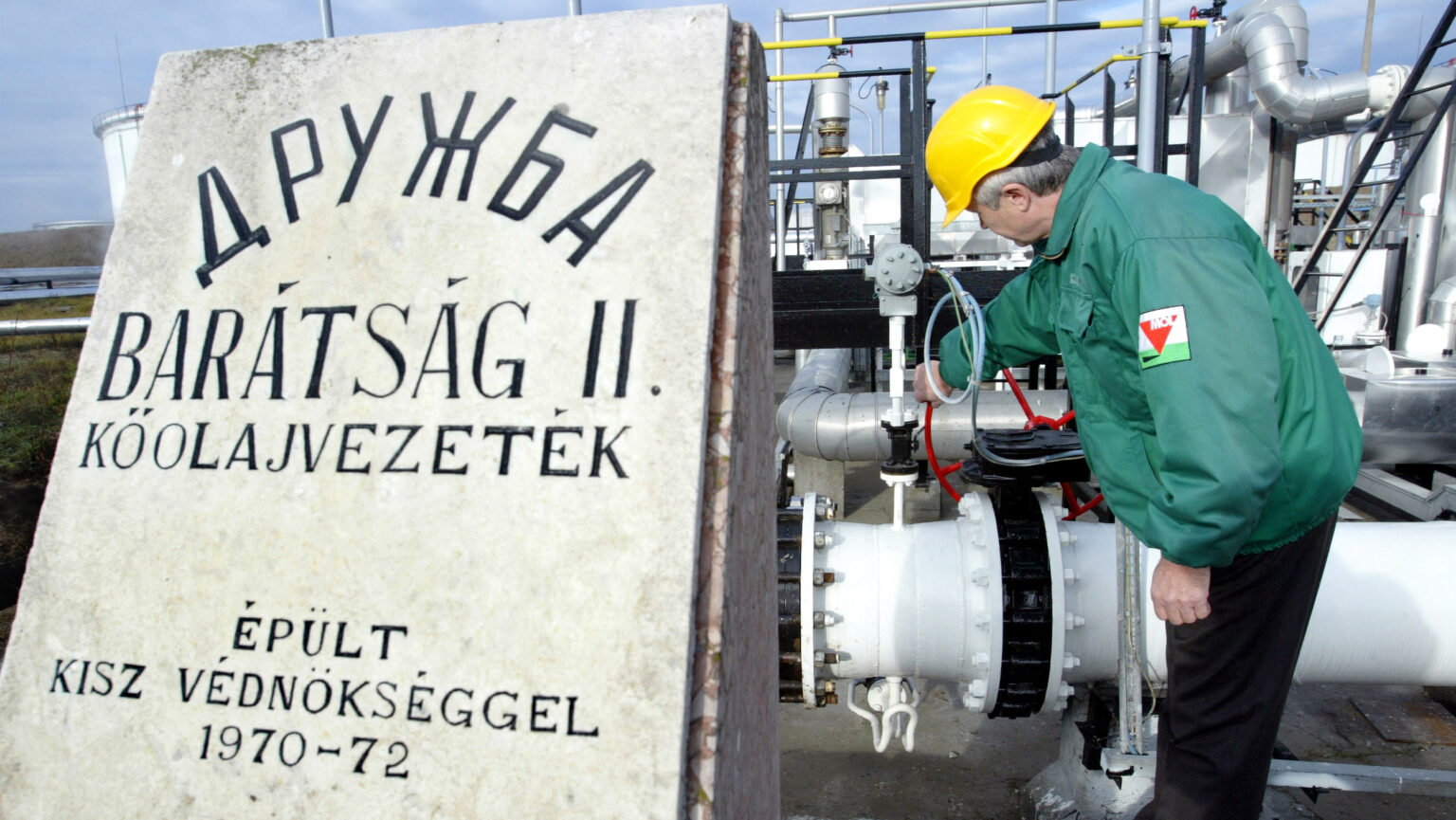
Russian lawmakers have lashed out at Péter Magyar after Hungary formally described Russia as a threat to the country, Europe and the global order in new UN instructions. The rhetoric marks a sharp break with the Orbán era, while threats over cutting oil and gas deliveries expose how Budapest’s diplomatic realignment to the EU collides with its continuing dependence on Russian energy.

Hungarian technology and telecommunications group 4iG is establishing a new energy division and a dedicated holding company as it expands into critical infrastructure. The group is pursuing small modular nuclear reactors, wind farms and energy storage projects across Central Europe and the Western Balkans.

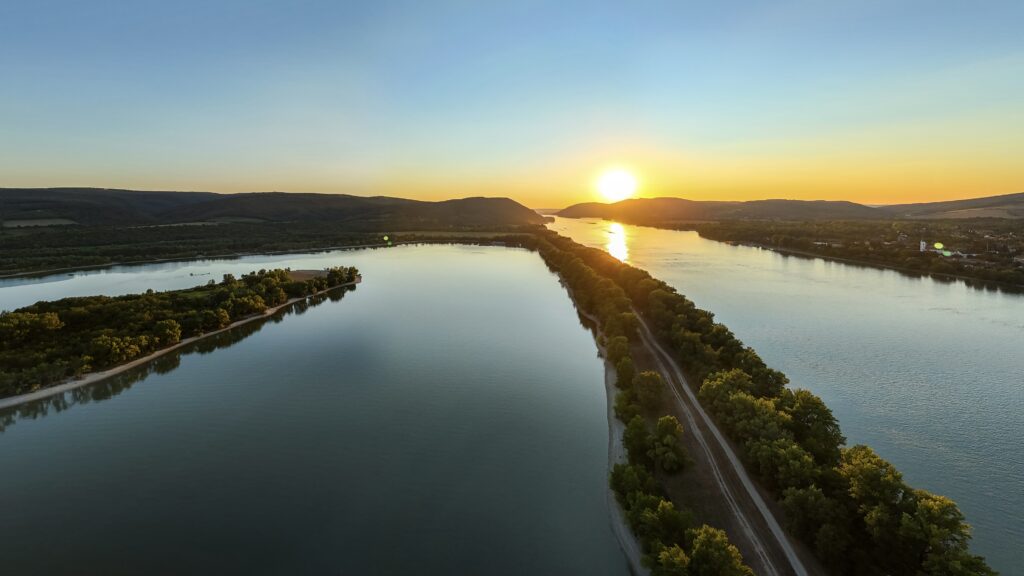
Lake Balaton is showing two very different faces in 2026: frozen hard enough for skating in January, yet so depleted by August that parts of its southern shore resemble a shallow wetland. The striking contrast reflects increasingly variable weather patterns in Central Europe and the growing impact of heat, evaporation and changing precipitation on the lake’s water balance.
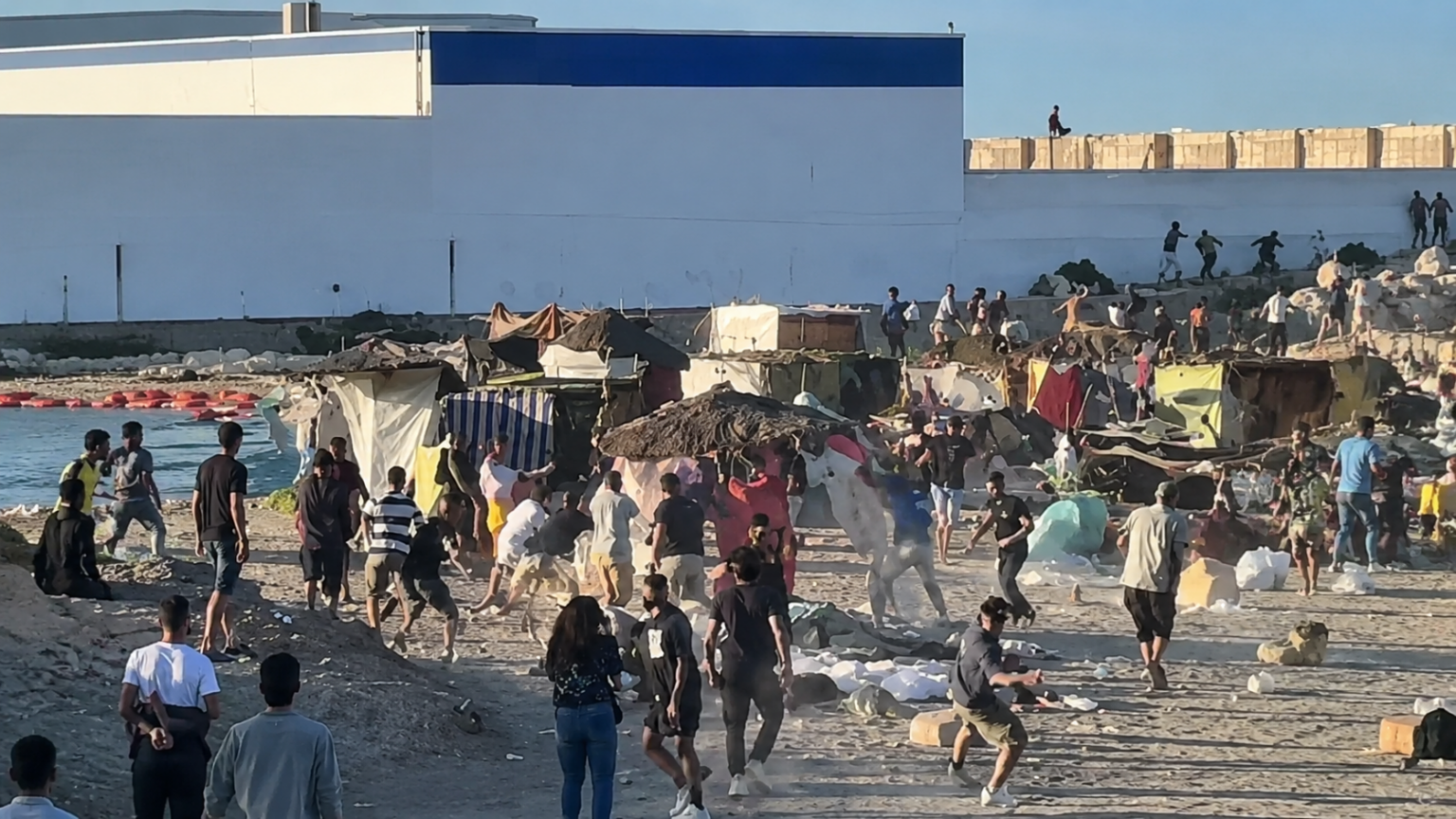
Ceuta’s unrest continued on Thursday as hundreds of residents blocked Red Cross food deliveries, pushed through police cordons and tore down migrant encampments, setting belongings on fire. Hours earlier, dozens of illegal migrants had attacked a vehicle carrying Spanish soldiers with stones, forcing the troops to flee on foot.

Ferencváros made it to the group stage or league phase of a European competition for the eighth season in a row, after beating out the Turkish club Trabzonspor featuring Liverpool legend Mohamed Salah with a shockingly lopsided, 5–0 aggregate score and back-to-back wins in the two legs of the UEFA Europa League qualifying play-off.
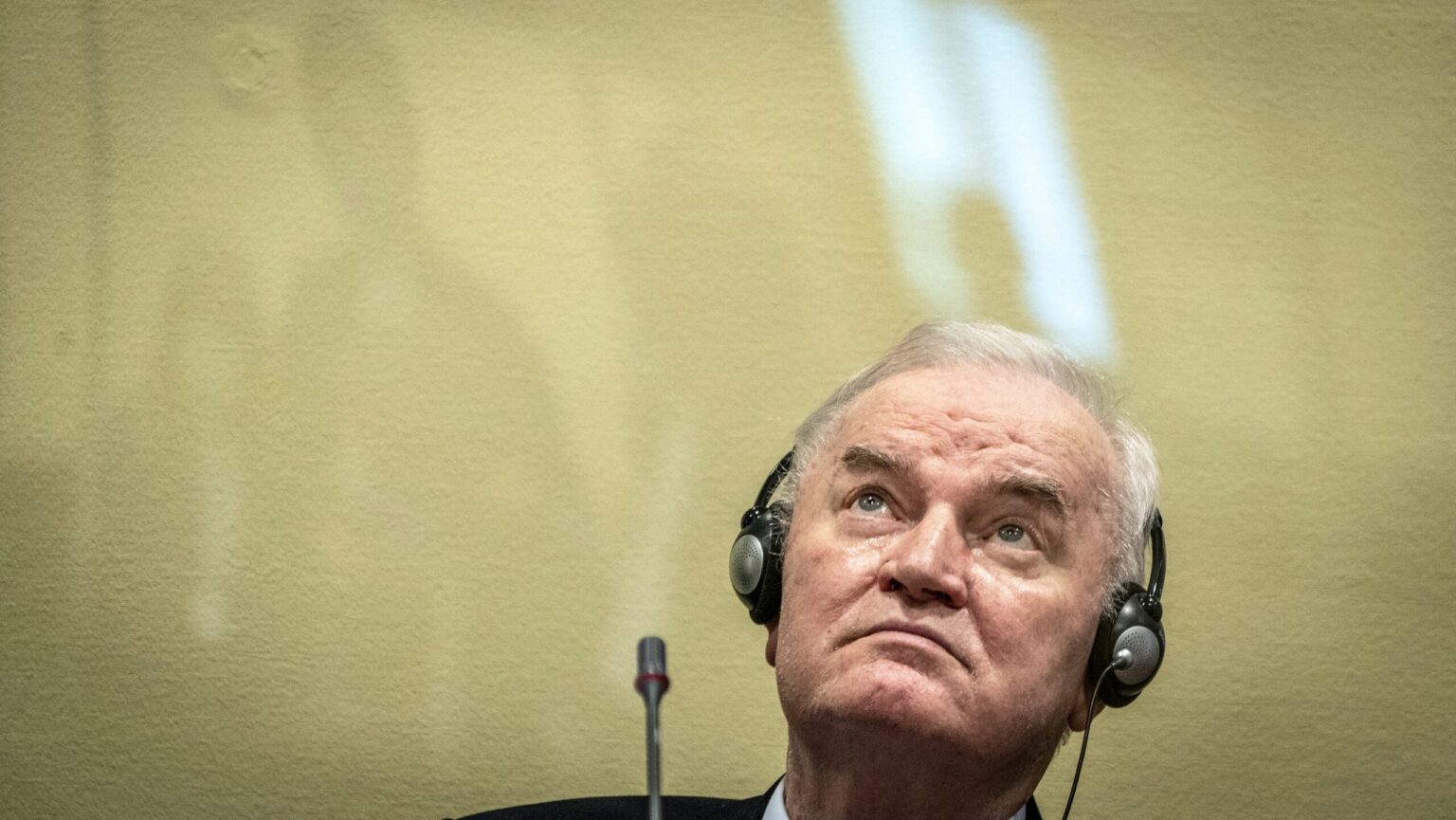
Former Bosnian Serb commander Ratko Mladić, convicted of genocide, crimes against humanity and war crimes, died in UN custody in The Hague on Thursday, aged 83. Central to his conviction was the 1995 Srebrenica massacre, where more than 8,000 Bosnian Muslim men and boys were killed, a crime whose legacy still deeply divides Bosnia and Serbia even today.
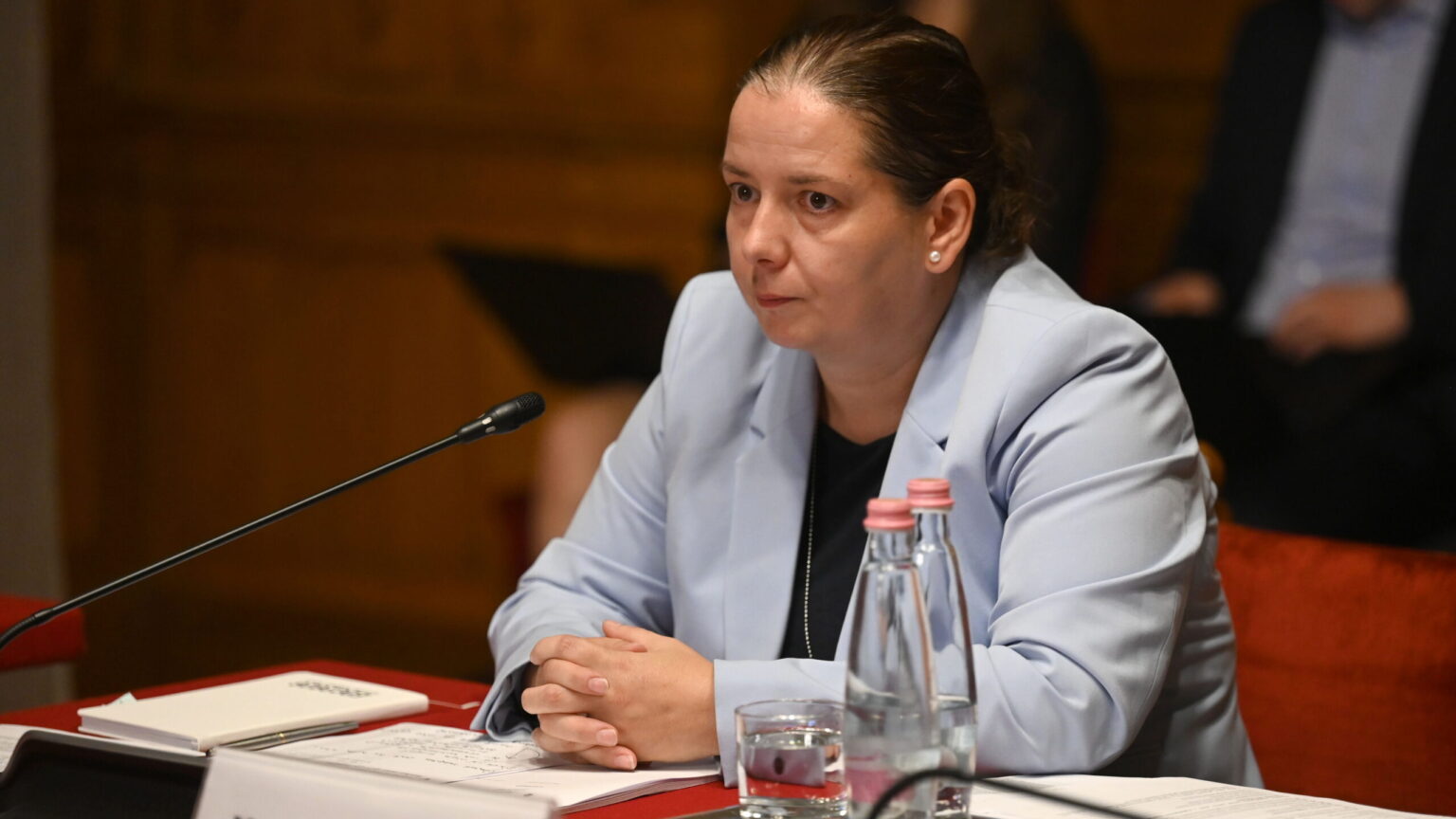
Parliament’s justice committee has chosen political scientist Anna Róza Unger as its nominee to lead the National Asset Recovery and Protection Office, favouring the candidate with the strongest systemic accountability agenda despite her limited operational background. The decision sharpens questions over what role the super-agency is meant to play as parliament prepares for Friday’s secret ballot.

Participants in Hungary’s 2026 PET Cup collected a record 18.9 tonnes of waste from the floodplains of the Bodrog and Tisza rivers. Organizers said the haul highlights the continued accumulation of waste in hard-to-reach floodplain areas.

A federal judge in Texas has permanently blocked enforcement of Senate Bill 12, ruling that the law restricting sexually explicit performances in the presence of minors violates the First Amendment. Attorney General and Republican Texas Senate candidate Ken Paxton has vowed to appeal the decision.
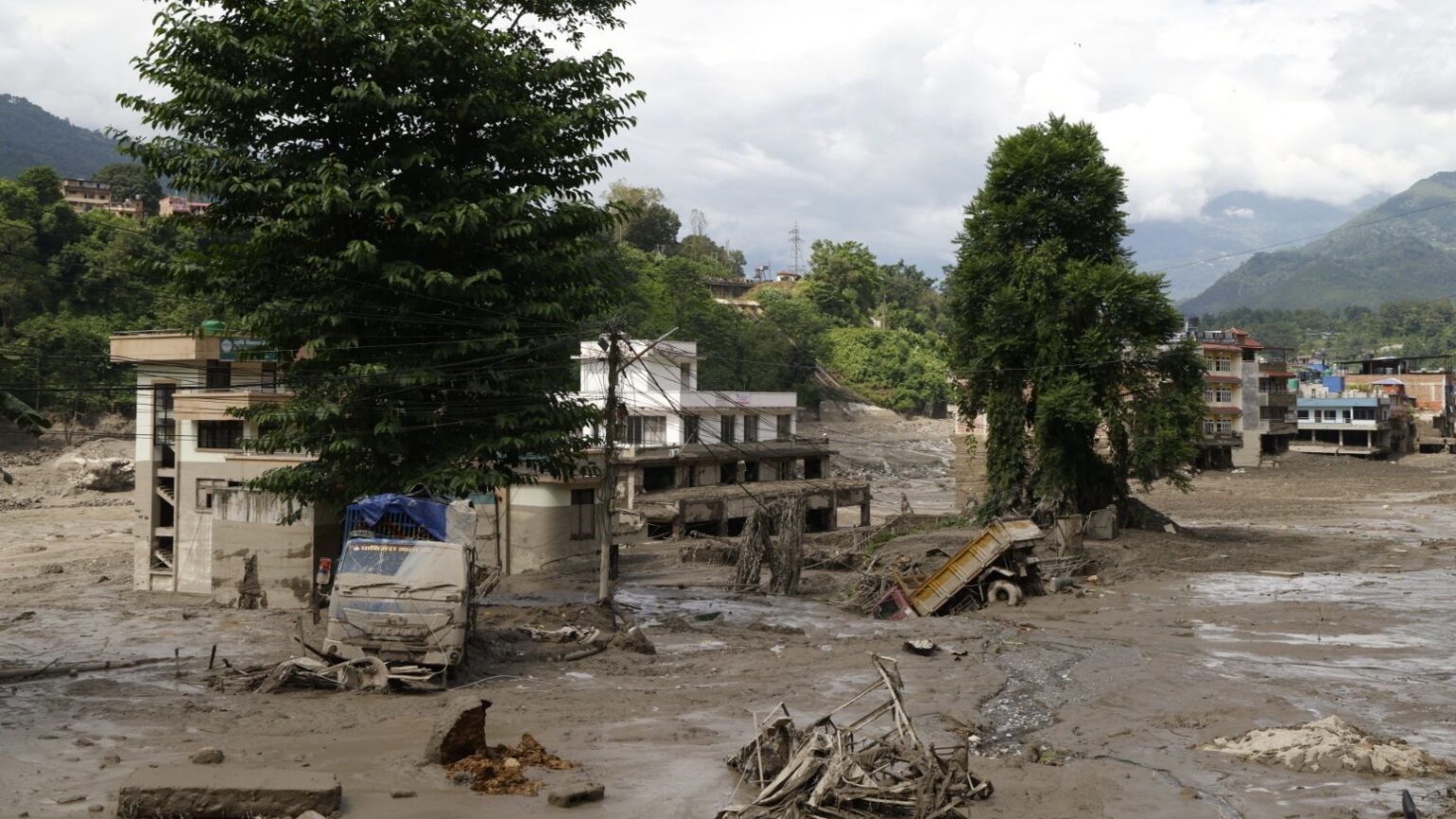
Two Hungarian nationals have been confirmed missing following devastating flash floods in Nepal, Hungary’s Foreign Ministry said on Wednesday. The ministry warned that additional Hungarian citizens could also be among those unaccounted for.
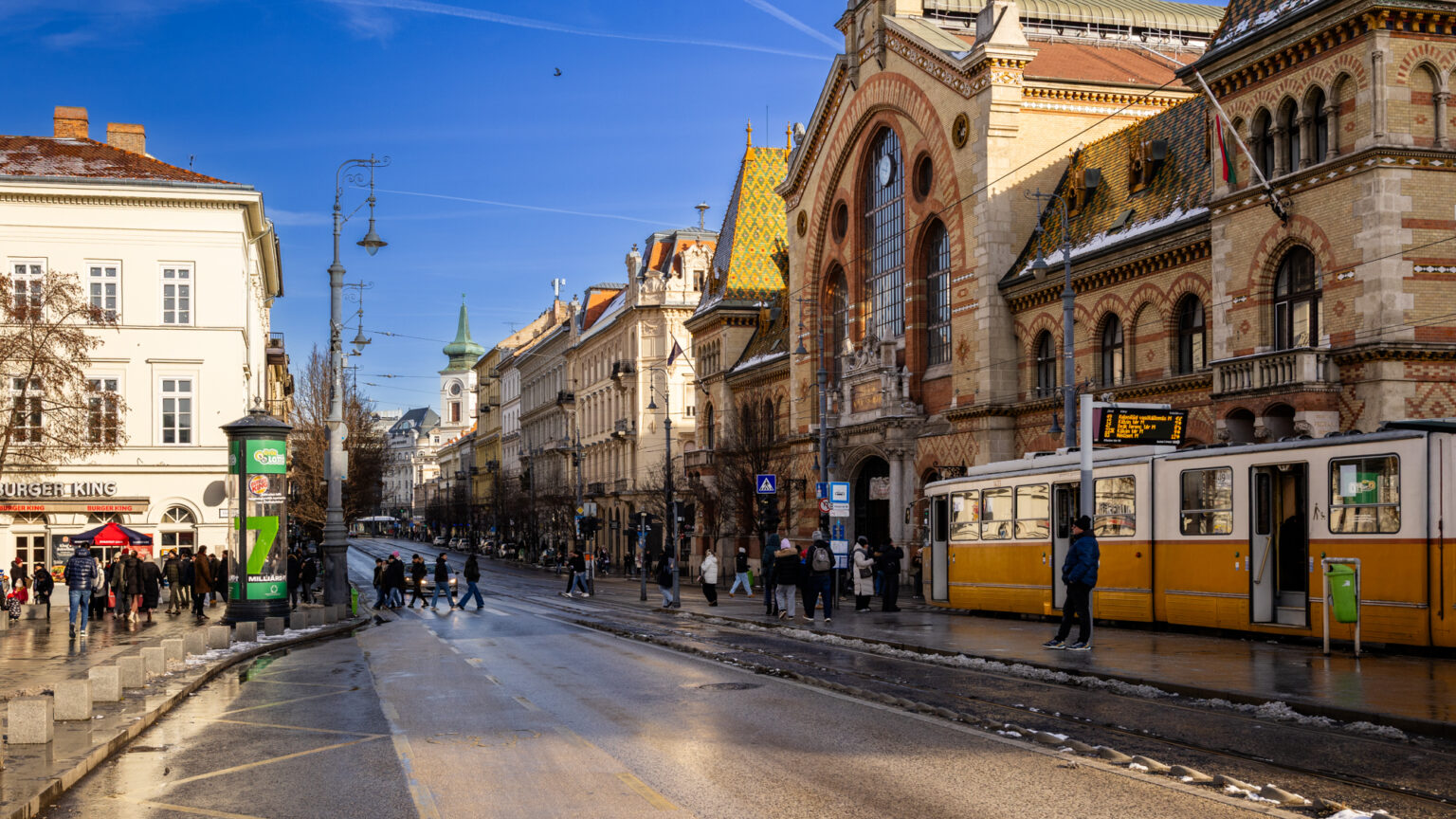
The Hungarian government has accepted several proposals from the mayors of five central Budapest districts aimed at improving public safety. The measures include permanent police presence at key locations and expanded powers for district authorities.

Harry Potter author JK Rowling gave tribute to the recently passed away country music star Dolly Parton—just to have a pro-trans activist turn it into an attack on her.
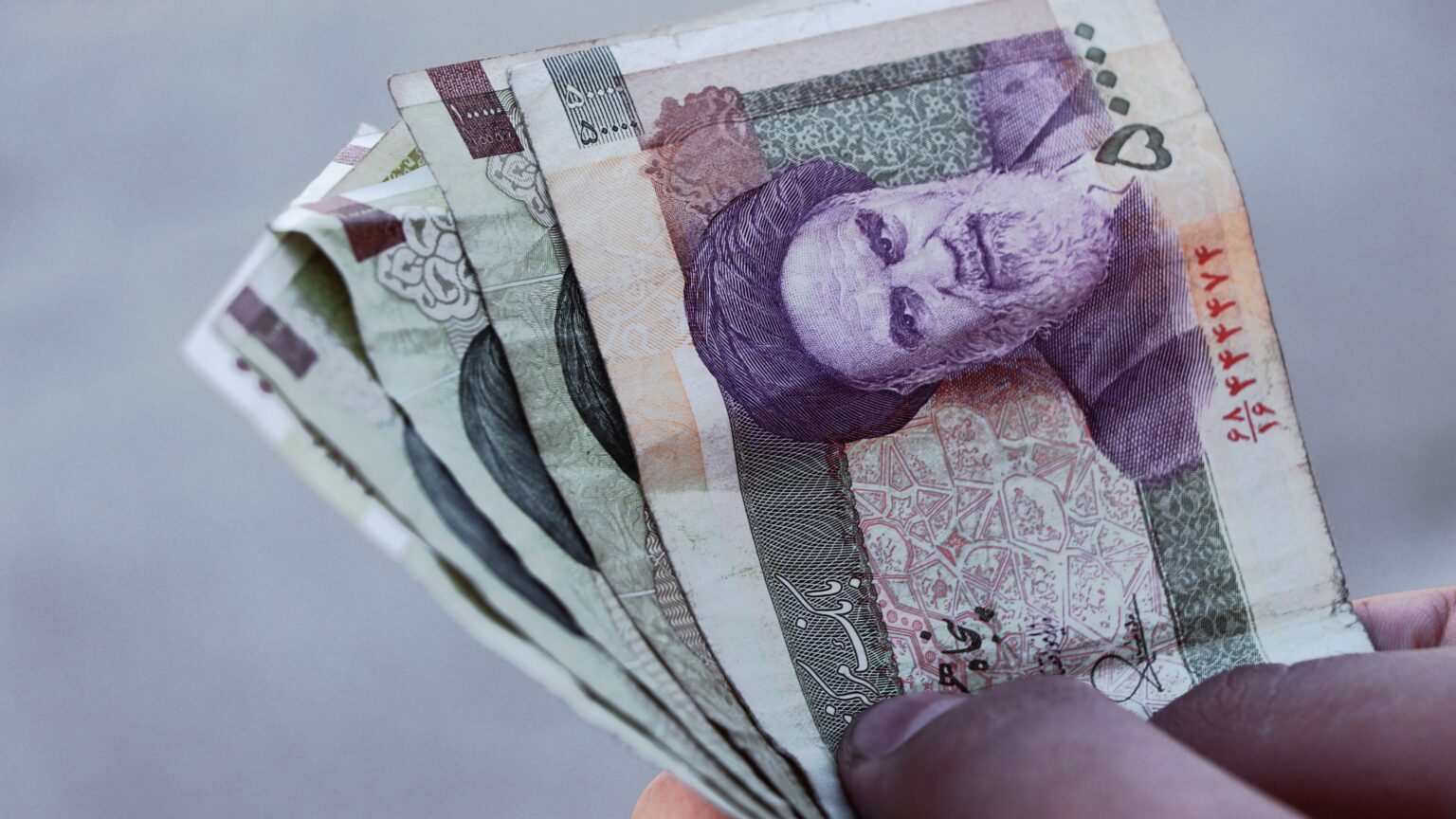
‘What explains the failure of the world’s most powerful country to achieve its objectives with a much smaller, less powerful nation that has been devastated by economic sanctions and military interventions? Two factors: an impregnable body politic and a resolute economy.’

Ceuta residents moved on migrant encampments at Playa del Trampolín on Wednesday night after more than 2,000 people marched against Madrid’s handling of the crisis. Footage showed crowds tearing down makeshift shelters and forcing illegal migrants from parts of the beach, as riot police rushed in to prevent direct clashes and unrest from spreading to other districts.
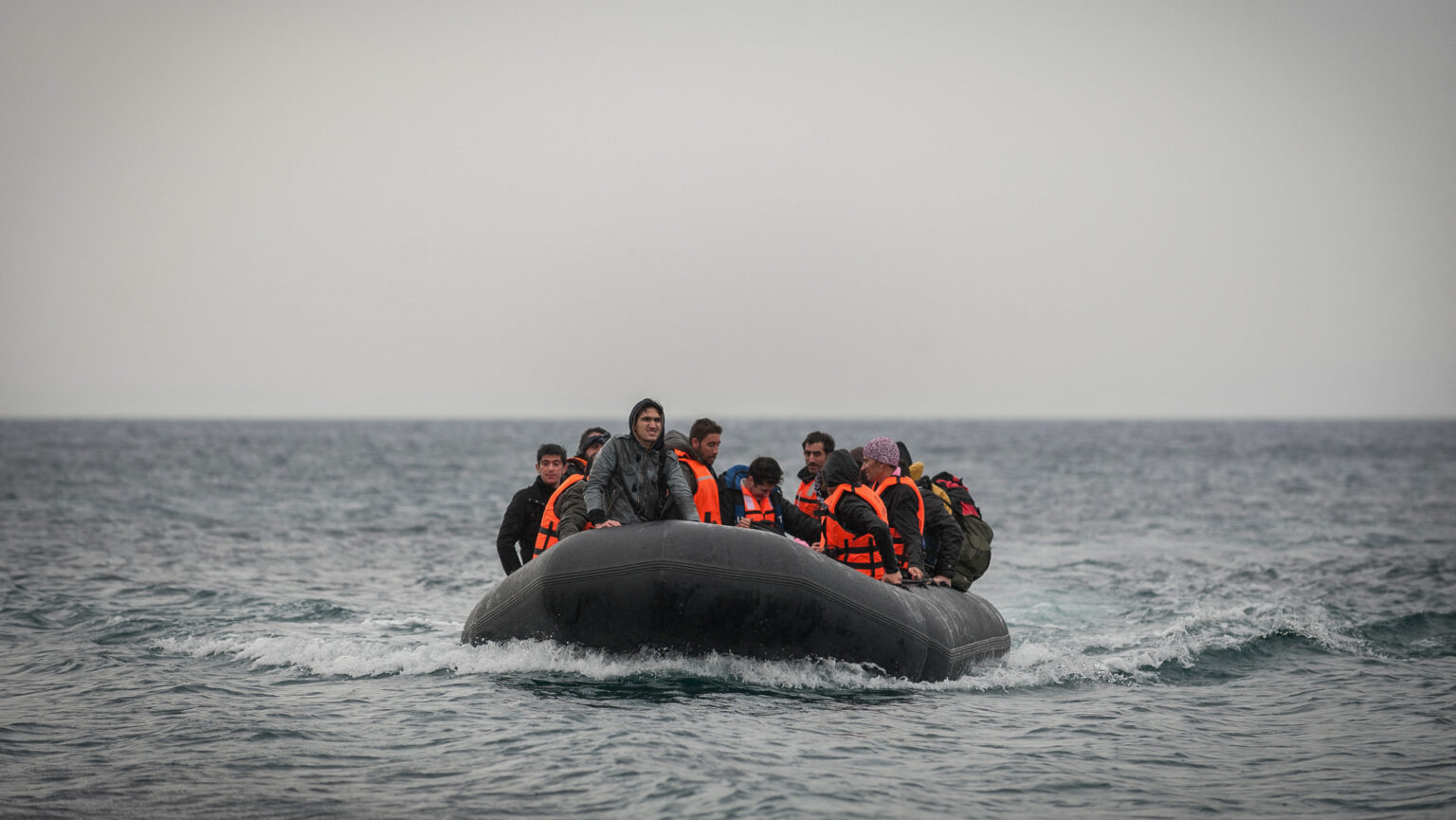
A motorboat carrying 14 Algerian illegal migrants struck a 17-year-old girl swimming off Sardinia, leaving her critically injured before continuing towards shore and trying to evade police. A teenage witness said those aboard saw what had happened, stopped briefly and then fled, while authorities later detained all 14 men and arrested the suspected helmsman.
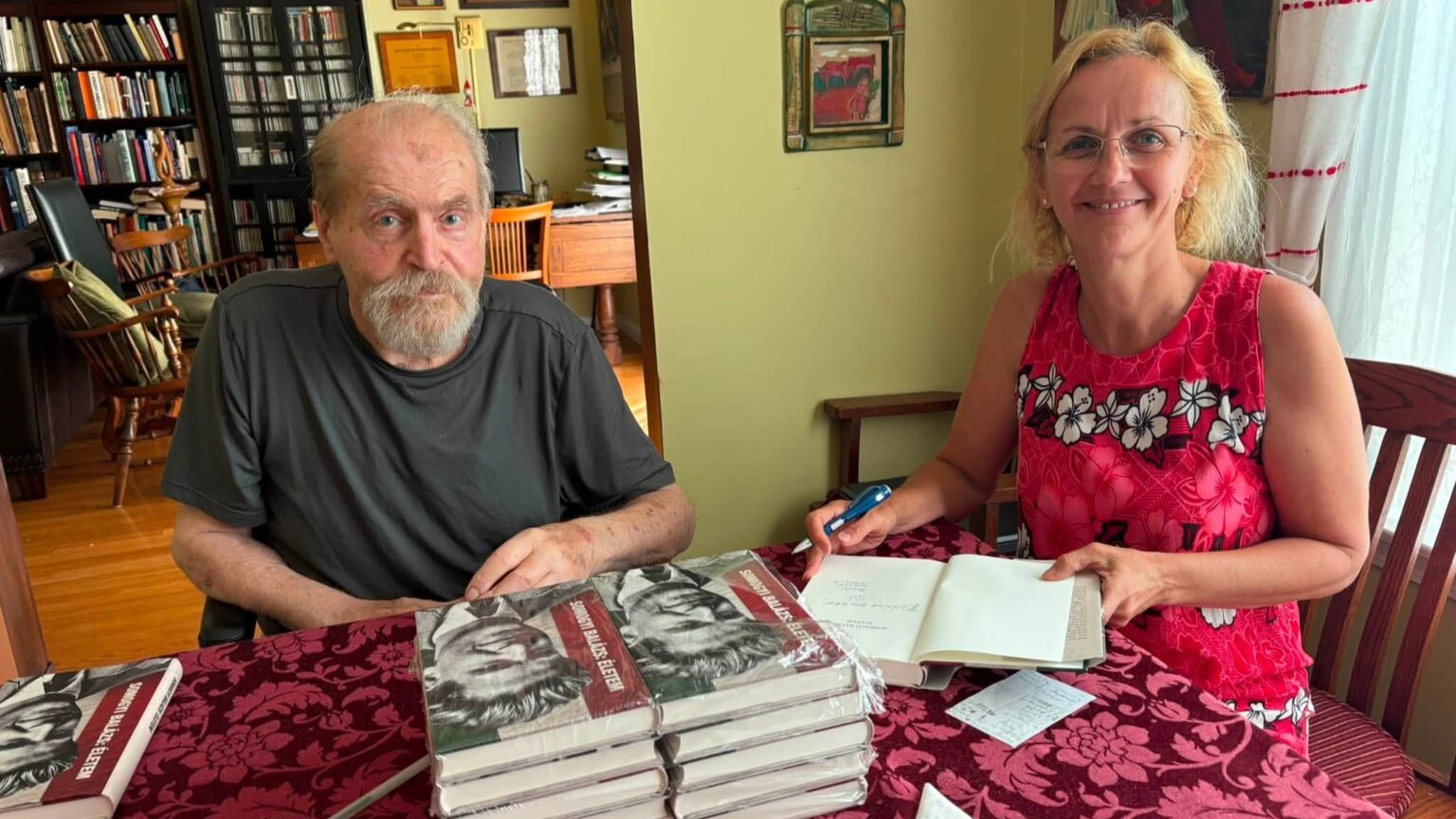
Balázs Somogyi’s memoir recounts his life from the 1956 Revolution to decades of Hungarian–American community work, offering a personal account of history, identity, friendship and service to the Hungarian diaspora.
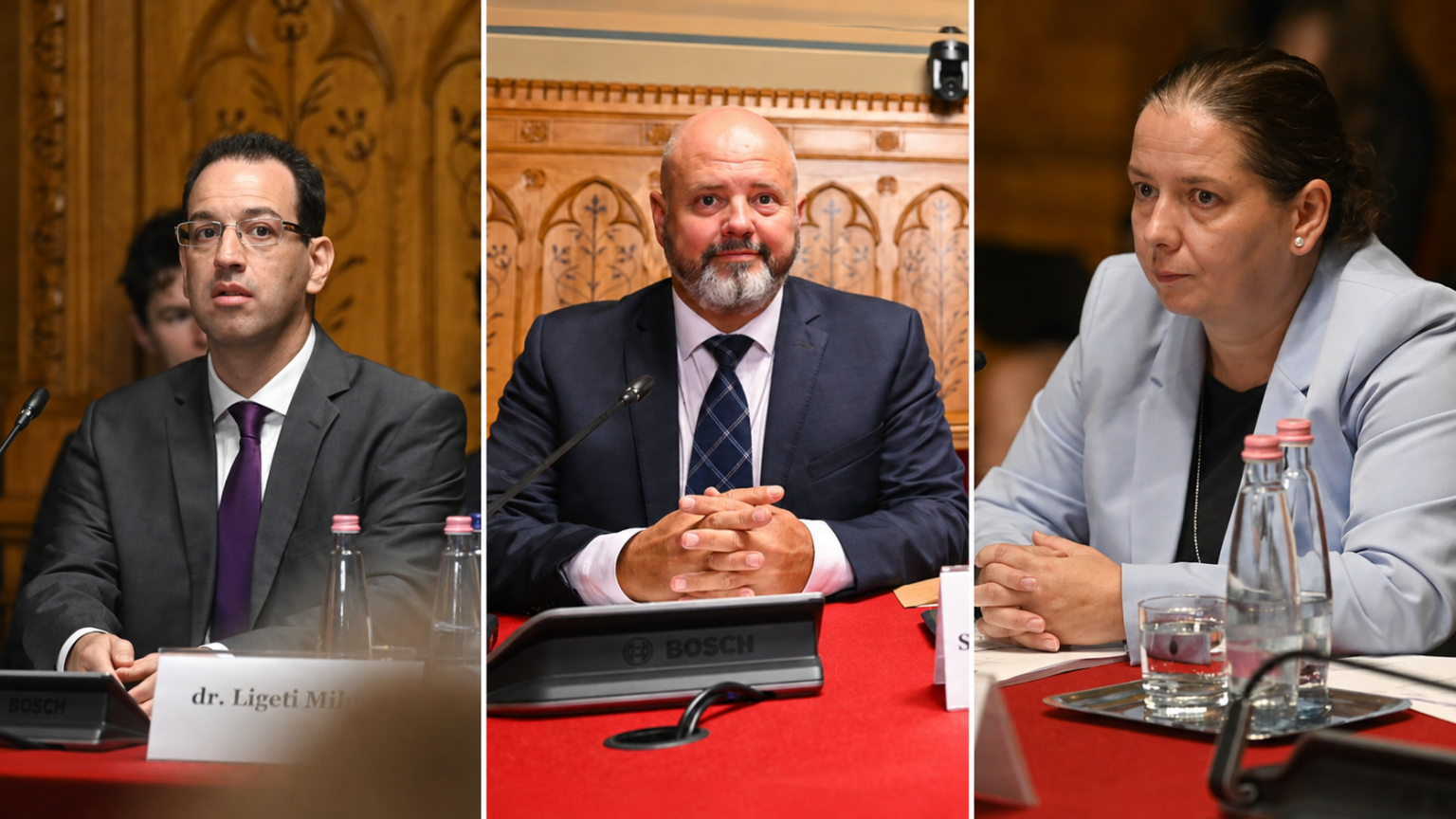
Hungary’s parliament will elect the first president of the powerful NVVH anti-corruption and asset-recovery office on Friday, choosing between Nicholas Sárvári, Miklós Ligeti and Anna Róza Unger. The process, initially meant to establish the office’s independence and credibility, has instead descended into controversy, largely due to the governing party’s communication failures.

Slovakia’s government has approved a bill that would prohibit people under 16 from creating user profiles on social media platforms. The proposed restriction could take effect next year if approved by parliament.

Ákos Hadházy has published emails he says expose a manipulated tender behind Hungary’s St Stephen’s Day celebrations, placing Tisza vice-president Márk Radnai in talks with the eventual winner weeks before procurement began. The case has sparked outrage among Tisza voters, with many calling it ‘Fidesz 2.0’ and warning that it undermines Péter Magyar’s regime-change narrative.

The fundraising campaign for Lindsay Clancy’s parents has reached over $1 million. Clancy is currently being tried for the murders of her three children in Massachusetts. GoFundMe, the site hosting the campaign, has banned the fundraisers for Kyle Rittenhouse and the Canadian truckers protesting pandemic restrictions in the past.

At a time when public debate is increasingly polarized and superficial, Hungarian Conservative remains committed to depth and independent thought.
Donate Now
Please consider supporting our mission.