






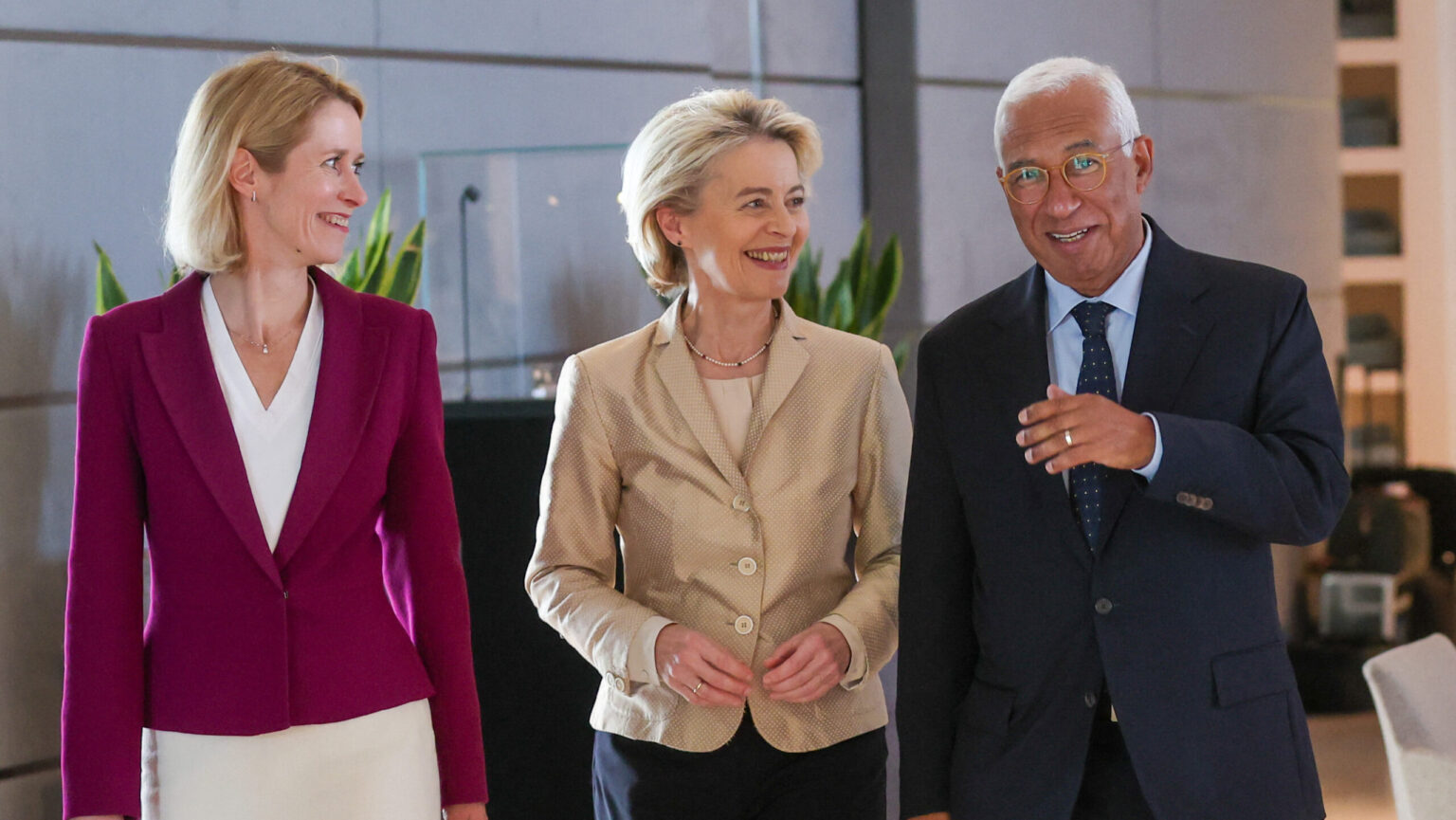
The future of the European Union’s foreign policy apparatus has been thrown into question after France proposed three sweeping reform options for the EU’s diplomatic service. The initiative comes as criticism grows over the performance of EU foreign policy chief Kaja Kallas and the bloc’s handling of major international crises.

Polish political celebrity Marianna Schreiber has launched a controversial campaign for mayor of Kraków, promising to restore what she calls ‘Polish normality’ by removing Ukrainian flags from public buildings, restoring Christian symbols in schools, and defending traditional values. The announcement comes ahead of a high-stakes election triggered by the recall of the city’s liberal mayor.
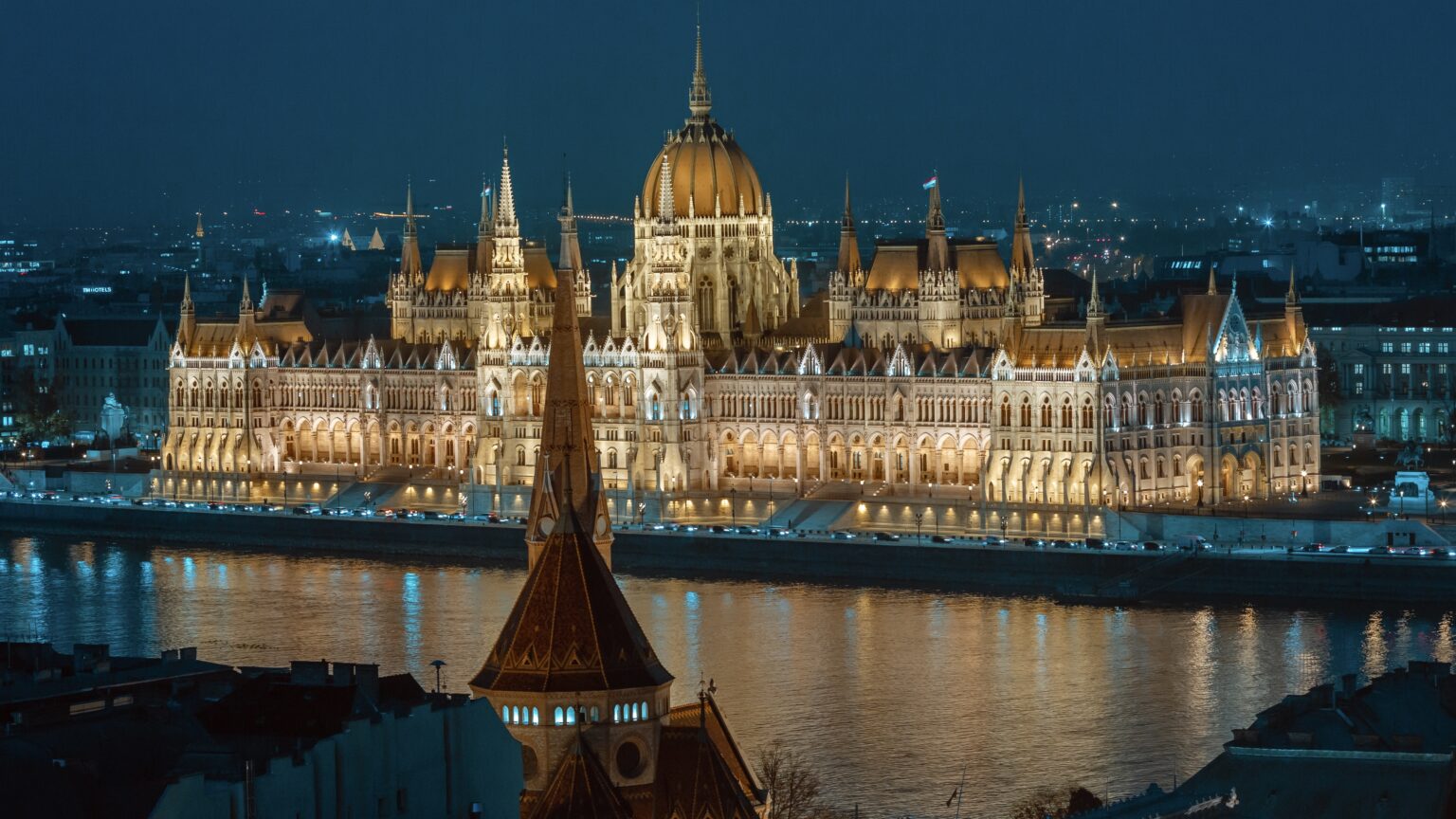
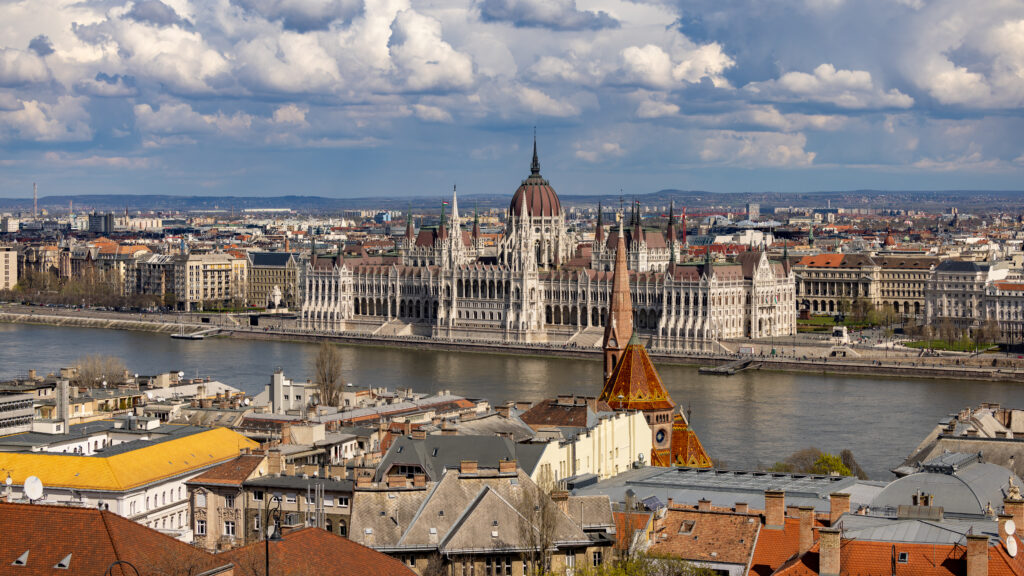
Hungary’s parliament will vote next week on a constitutional amendment that would limit the prime minister’s time in office to eight years, while also debating reforms linked to EU funding and the future of the Sovereignty Protection Office.
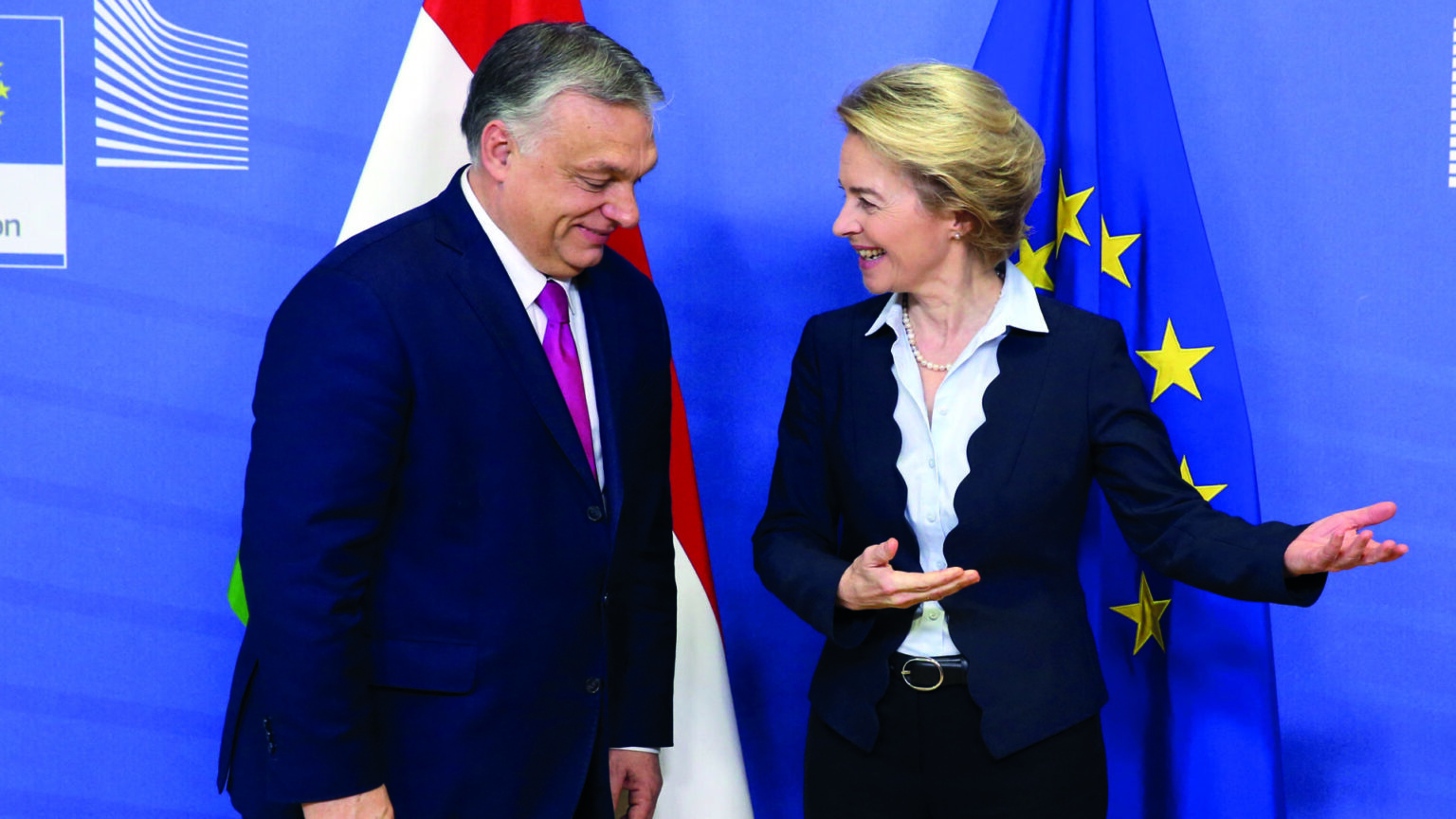
Germany, France, the Netherlands, Belgium and Luxembourg are pushing for major changes to the EU enlargement process designed to stop future members from following a path similar to that of Viktor Orbán’s Hungary. The proposal would strengthen Brussels’ ability to sanction ‘democratic backsliding’ and restrict veto rights during the early years of membership.
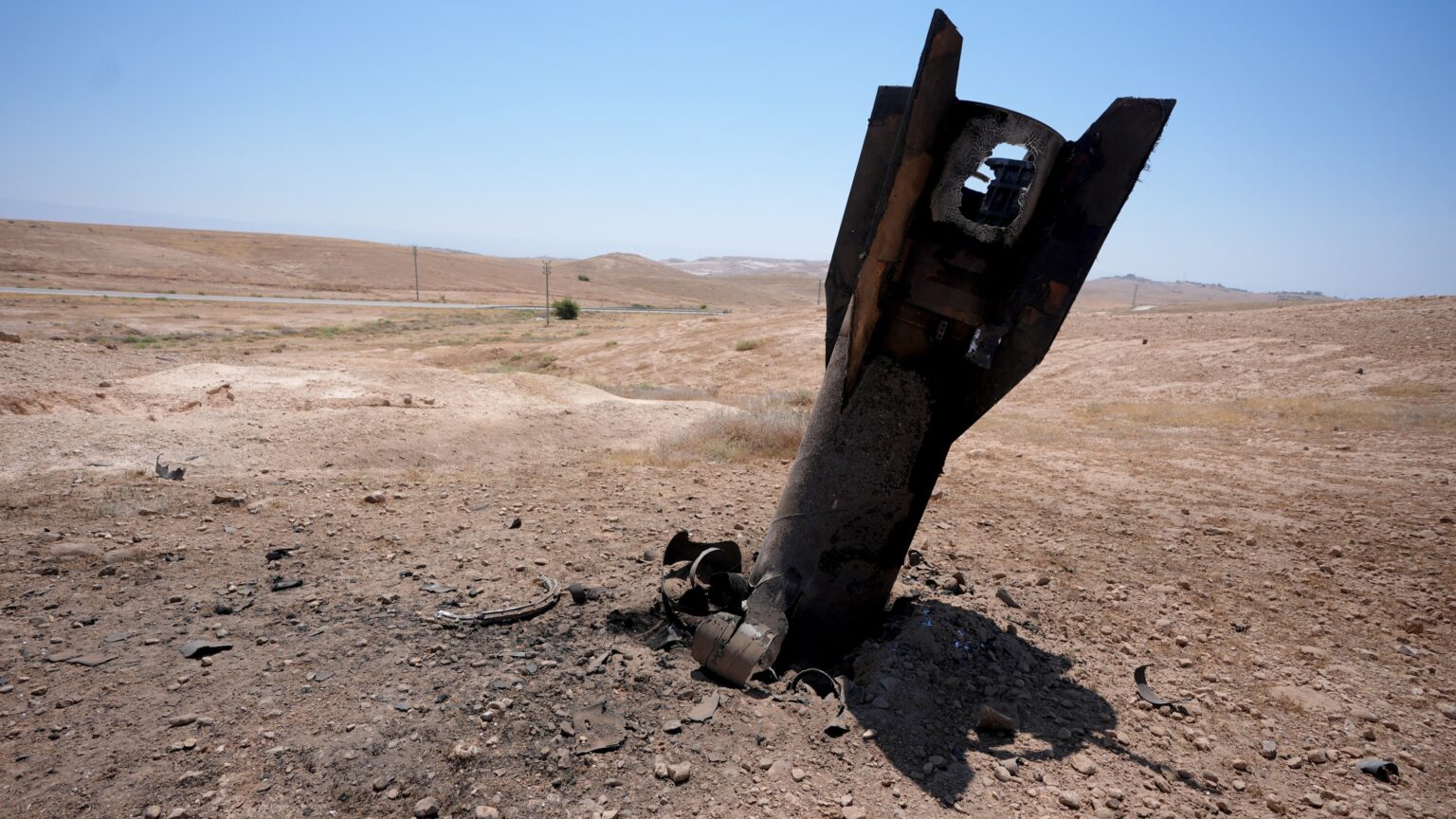
After Iran’s renewed assault on the Jewish state, Hungarian FM Anita Orbán delivered one of the clearest pro-Israel statements from any European government.
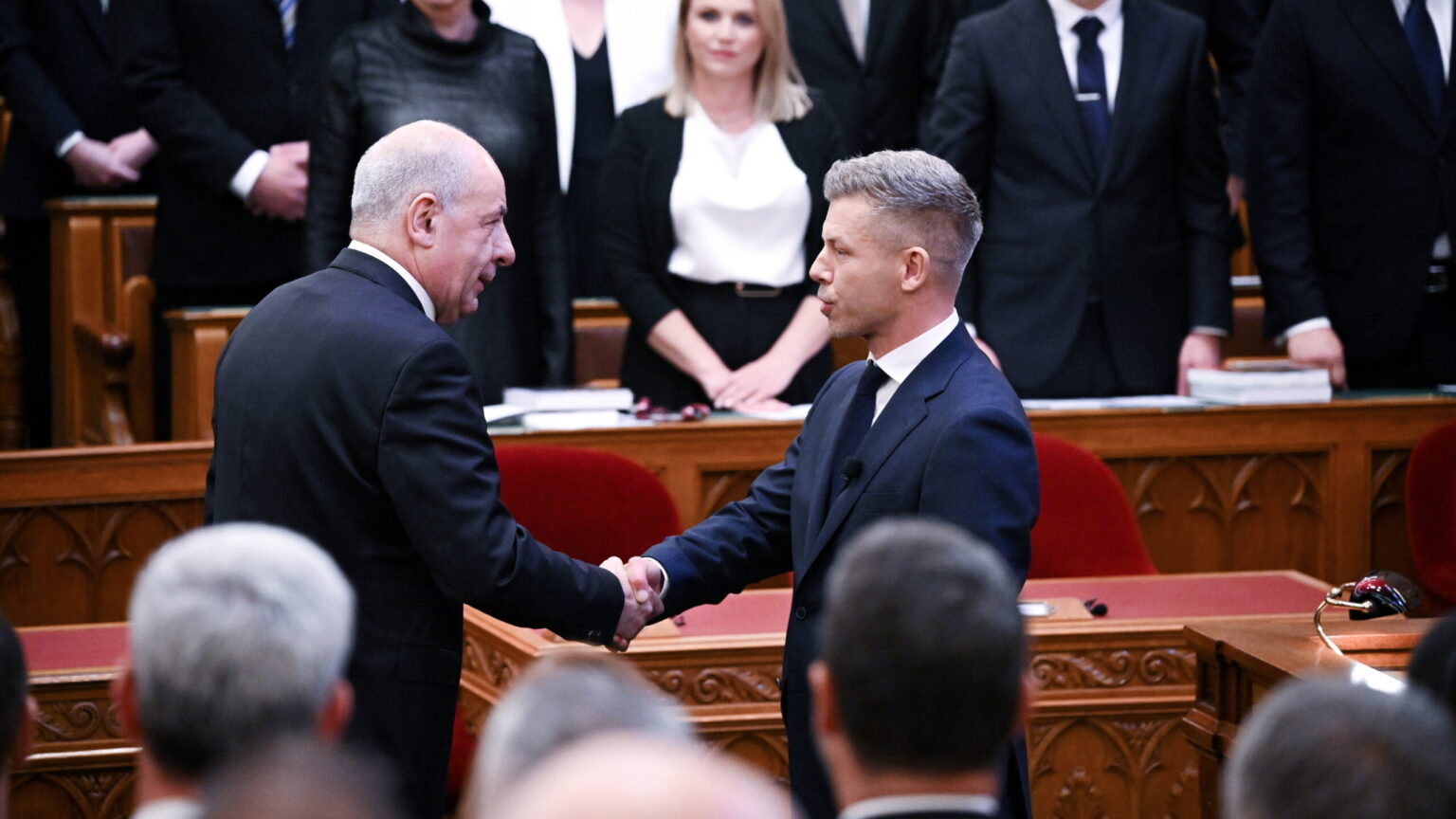
Hungarian PM Péter Magyar announced plans for another meeting with President Tamás Sulyok to persuade him to resign amid an escalating constitutional stand-off between the presidency and the government. Magyar also renewed his call for the eventual direct election of Hungary’s president, arguing that the office should derive its legitimacy directly from voters rather than parliamentary majorities.

As US-led mediation efforts fade, European leaders are signalling a willingness to take a more active role in pursuing peace between Ukraine and Russia. Kyiv is rallying support for renewed talks, but Moscow remains sceptical of European involvement. With fighting continuing and fresh EU funding flowing to Ukraine, the prospects for diplomacy remain uncertain.
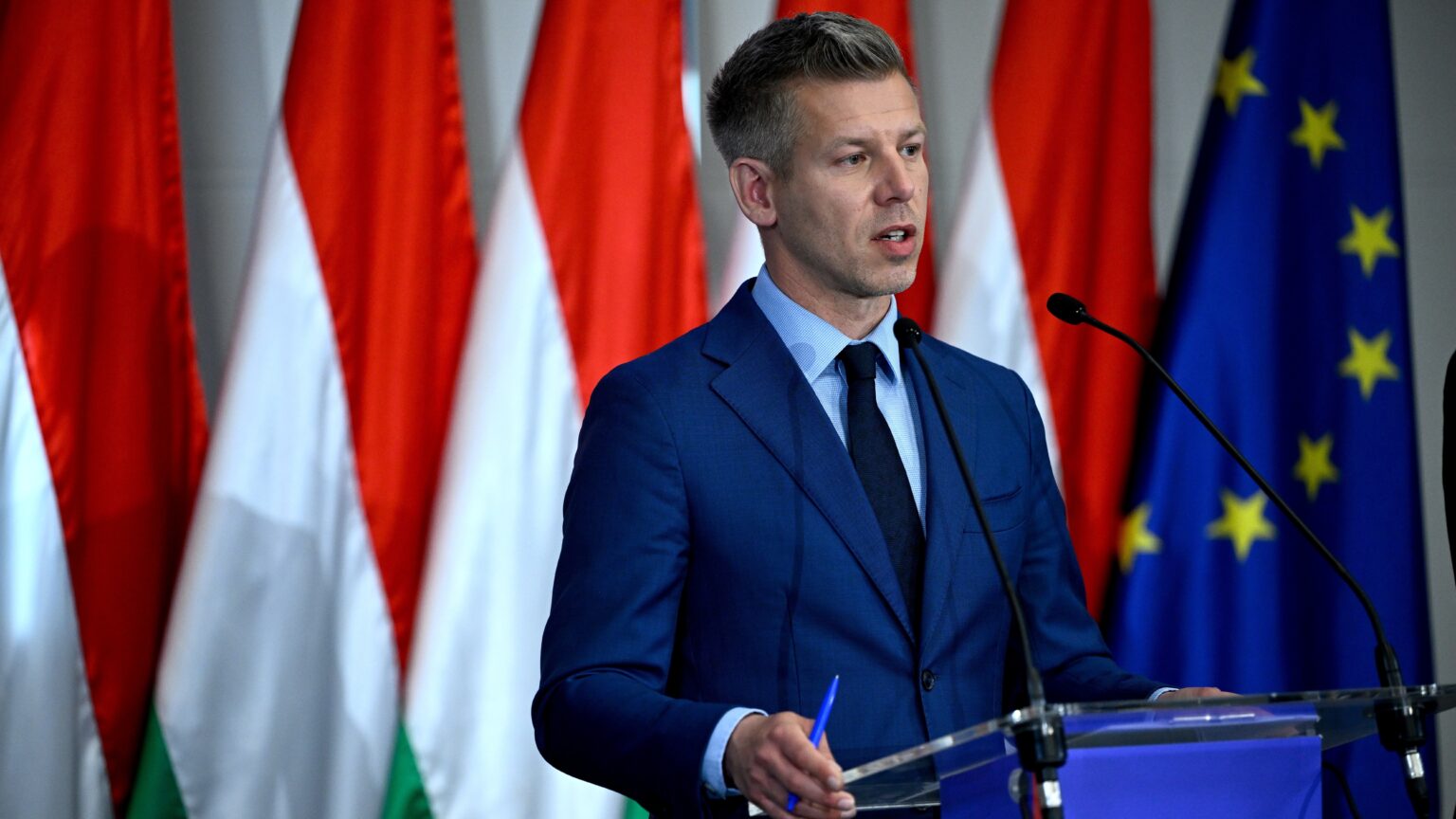
Hungary’s government has submitted a sweeping legislative package aimed at unlocking billions of euros in European Union funding. Prime Minister Péter Magyar described the reforms as a historic step toward greater transparency, stronger anti-corruption safeguards, enhanced university autonomy, and stricter oversight of public assets, arguing that the measures will allow Hungary to regain access to long-frozen EU funds.

Political tensions over Hungary’s approach to the EU Migration Pact have intensified after Prime Minister Péter Magyar claimed to possess a confidential government resolution allegedly detailing plans for a migrant reception centre under the previous Orbán administration. Magyar argued that the project demonstrates Fidesz had privately prepared for compliance while publicly rejecting the pact.
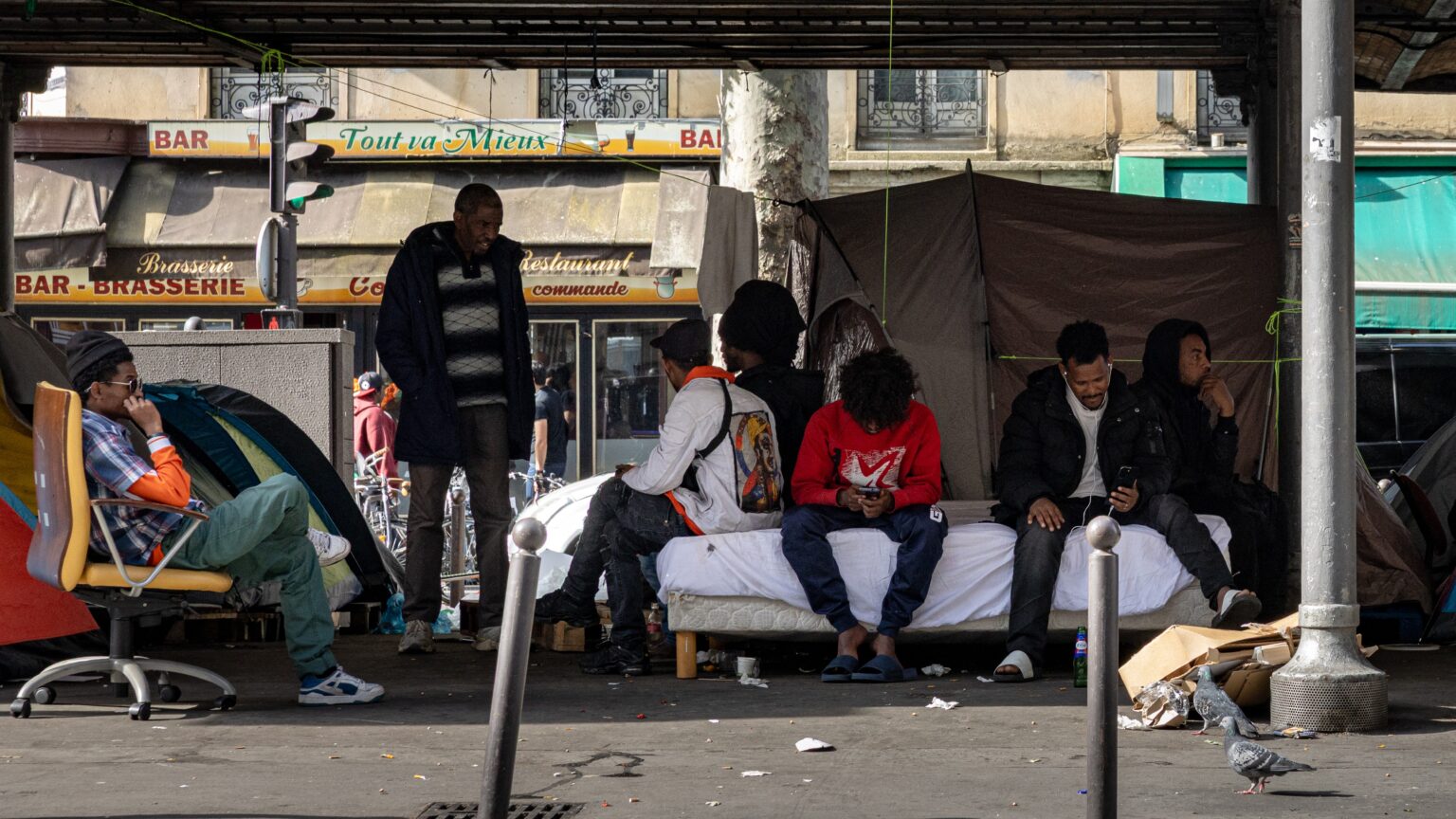
‘An administrative court ruling on the rights of a foreigner will…have to reconcile the Code of Foreigners with the EU Migration Pact. This will inevitably increase the discretionary power of administrative judges in migration matters. It also creates the risk of inconsistent jurisprudence or inconsistent consequences for litigants.’
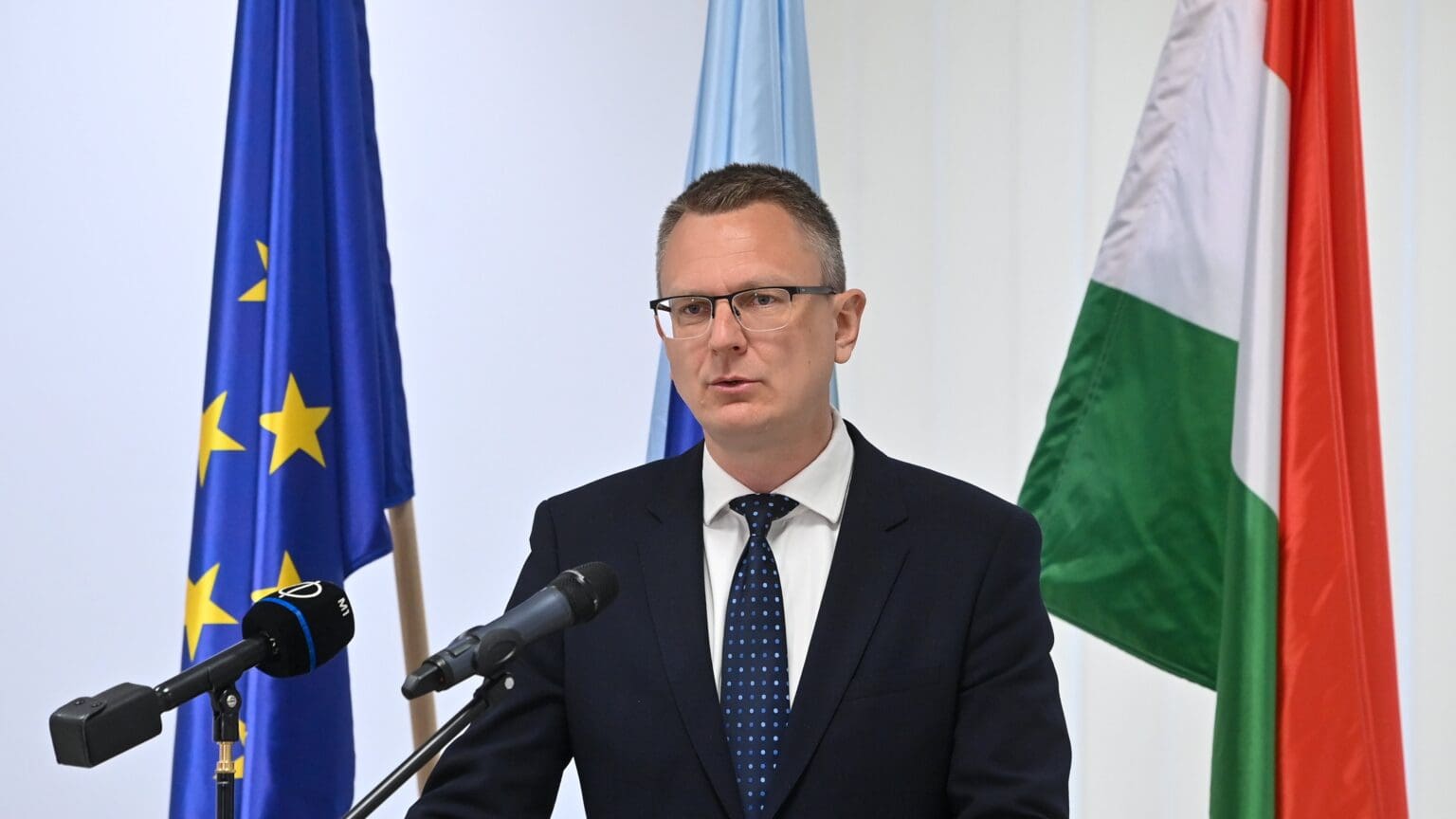
The Christian Democratic People’s Party (KDNP) has announced its support for the Tisza Party’s proposed parliamentary cost-cutting measures. The plan would reduce MPs’ salaries by 40 per cent, though increased allowances for leadership positions would limit overall savings to 10–15 per cent.
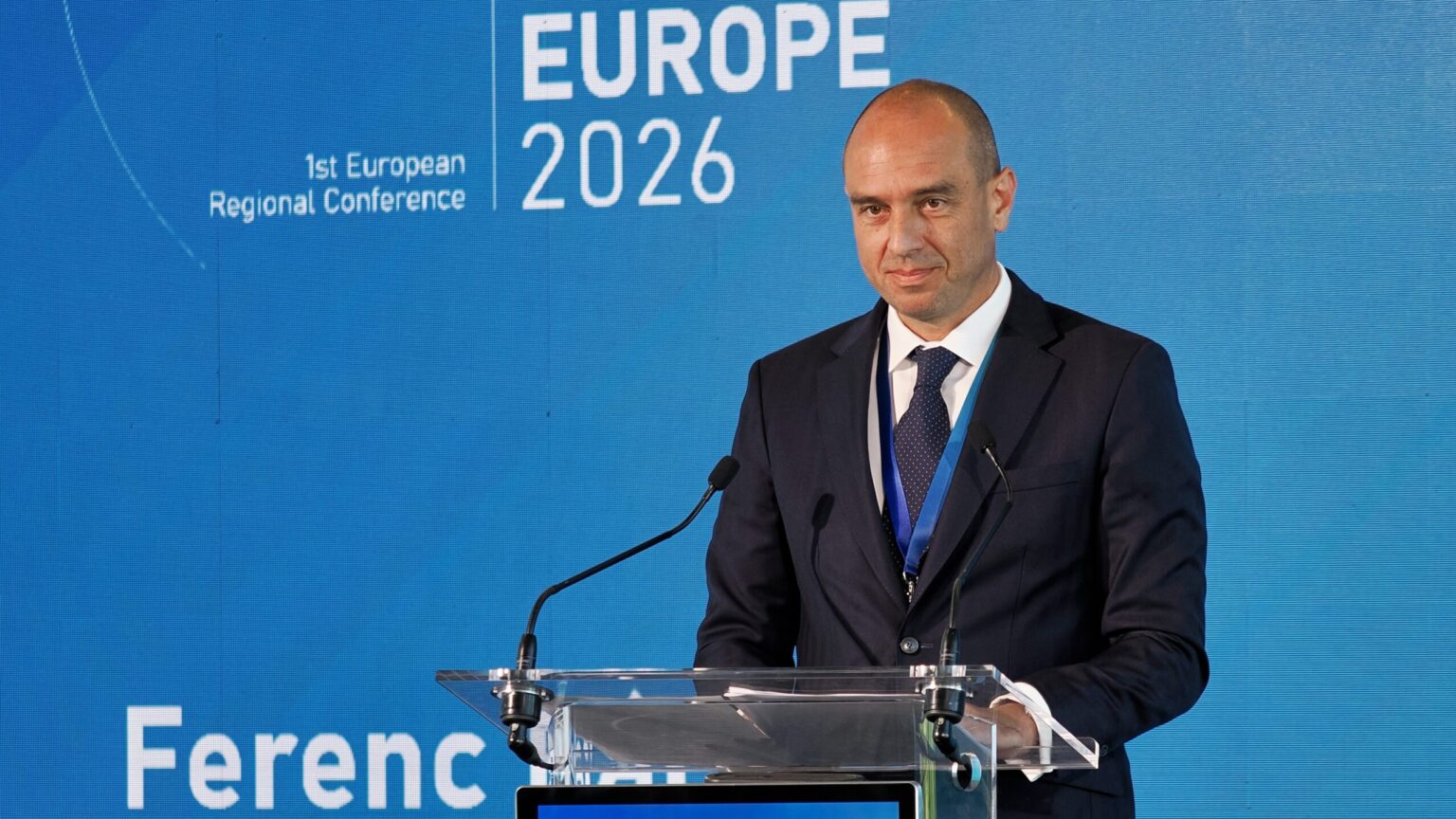
Hungary’s anti-corruption watchdog has accused senior officials in Viktor Orbán’s former government of obstructing investigations and claimed systemic corruption may have cost the country up to €150 billion over the past 16 years. Integrity Authority President Ferenc Bíró urged the new government to prosecute those involved and prioritize asset recovery and anti-corruption efforts.
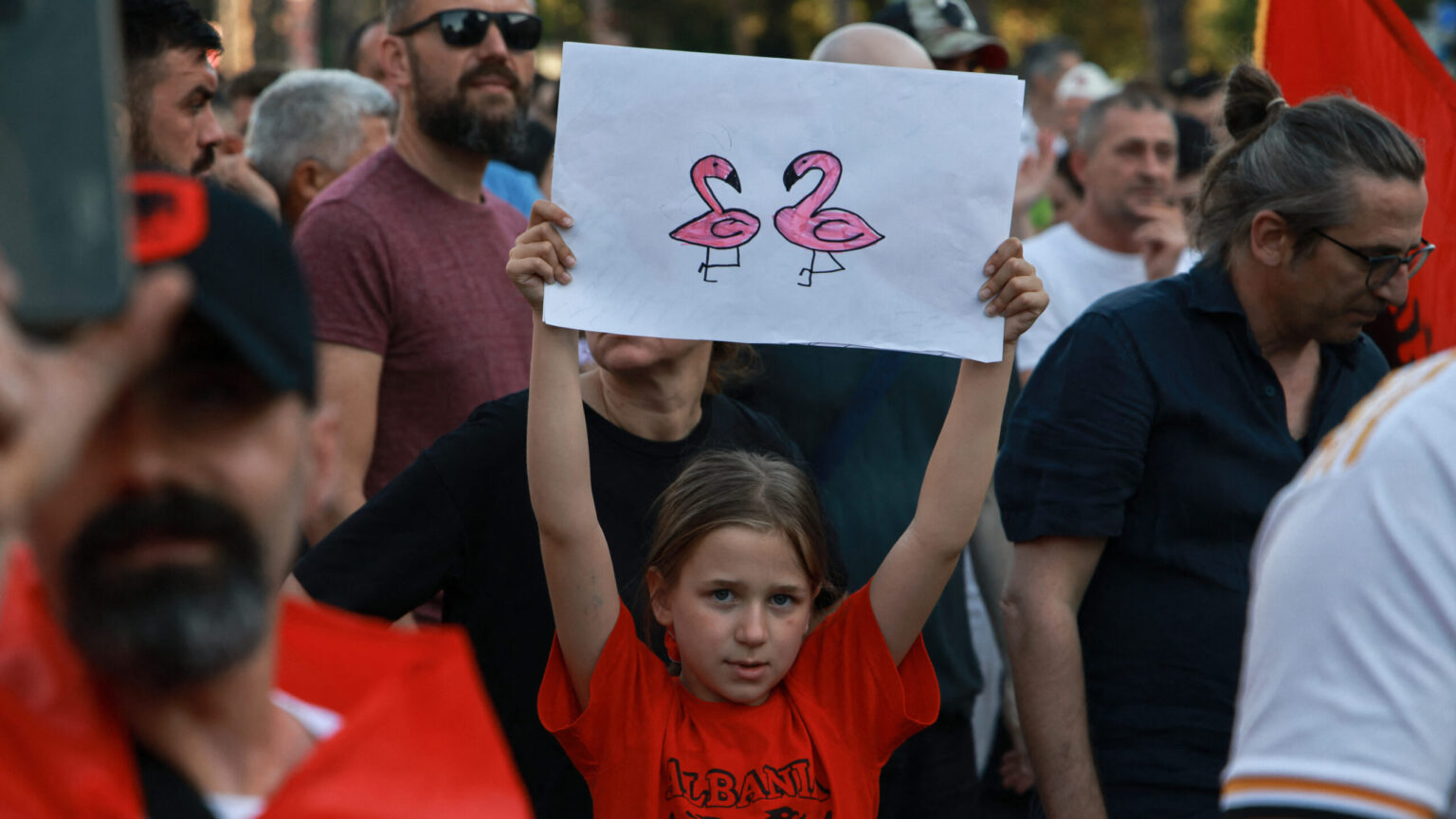
The European Commission has warned Albania that a controversial luxury tourism project backed by Jared Kushner’s investment firm may conflict with EU environmental rules and could affect the country’s accession process. Meanwhile, protests known as the ‘Flamingo Revolution’ continue to grow, evolving from an environmental campaign into a broader challenge to Prime Minister Edi Rama’s government.

California’s notoriously slow ballot count is once again drawing attention. On election night, Republican Spencer Pratt led progressive-socialist Nithya Raman by 10 points and appeared set to face incumbent Mayor Karen Bass in the general election. But six days later, Raman had erased the gap as more ballots were counted. What is happening?
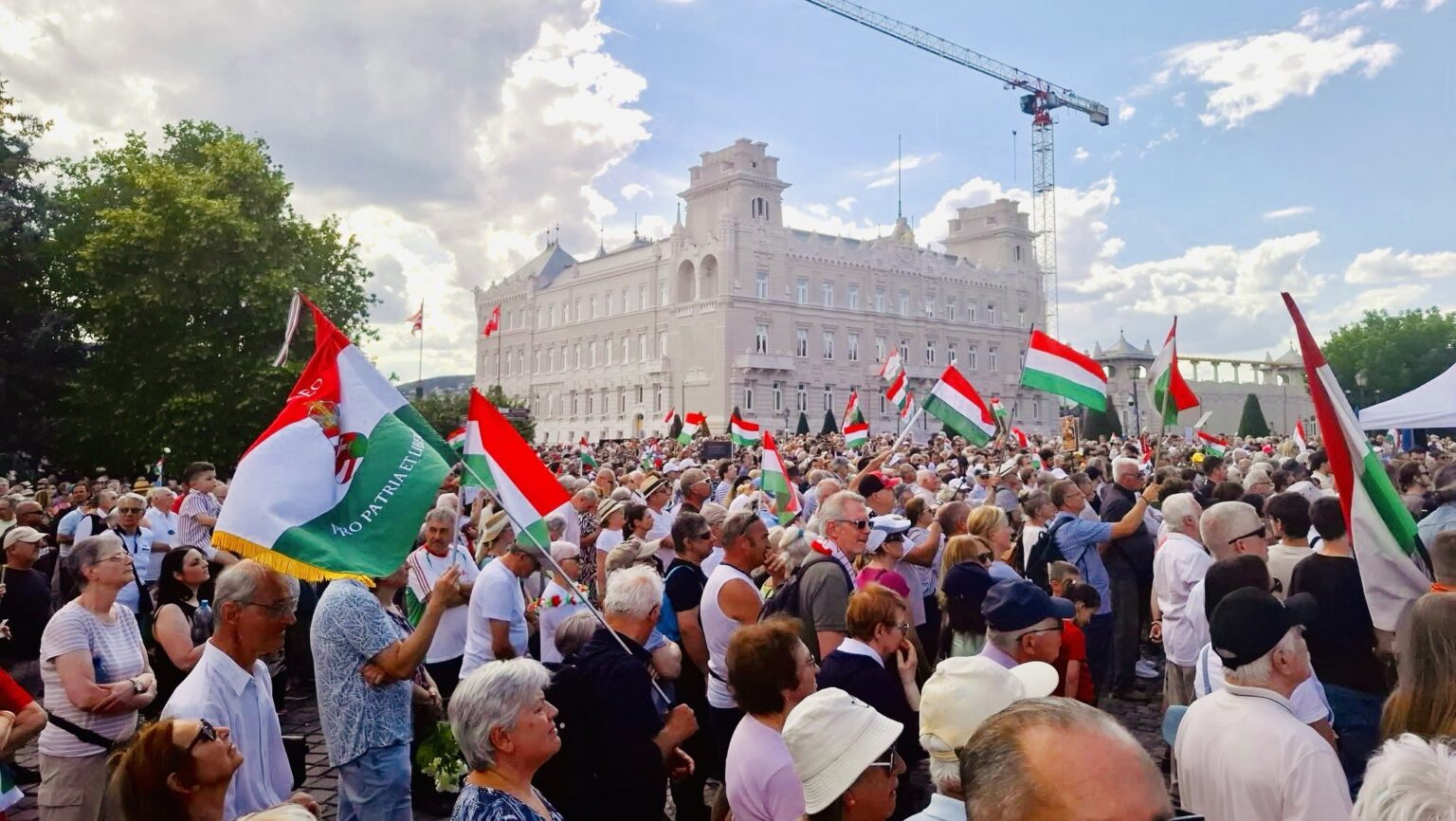
Supporters of President Tamás Sulyok rallied outside his official residence in Budapest on Sunday, arguing that constitutionally protected offices should not be abolished for political reasons. The demonstration comes amid a growing confrontation between the presidency and the Tisza government over plans to remove several institutional leaders appointed under previous administrations.

Jihadis in Europe. Taiwan viewed from the other side. Drones’ real importance.

During a debate on BBC’s Question Time, UK Greens candidate in the Makerfield by-election Sarah Wakefield made bizarre statements and facial expressions while discussing the effect of mass migration on housing in the UK with Reform UK’s Robert Kenyon. She got quite a lot of backlash online for her performance.

Prime Minister Péter Magyar has announced that the government will submit legislation next week to overhaul Hungary’s public media system, with the stated aim of ensuring balanced reporting and redefining the role of public service broadcasting.
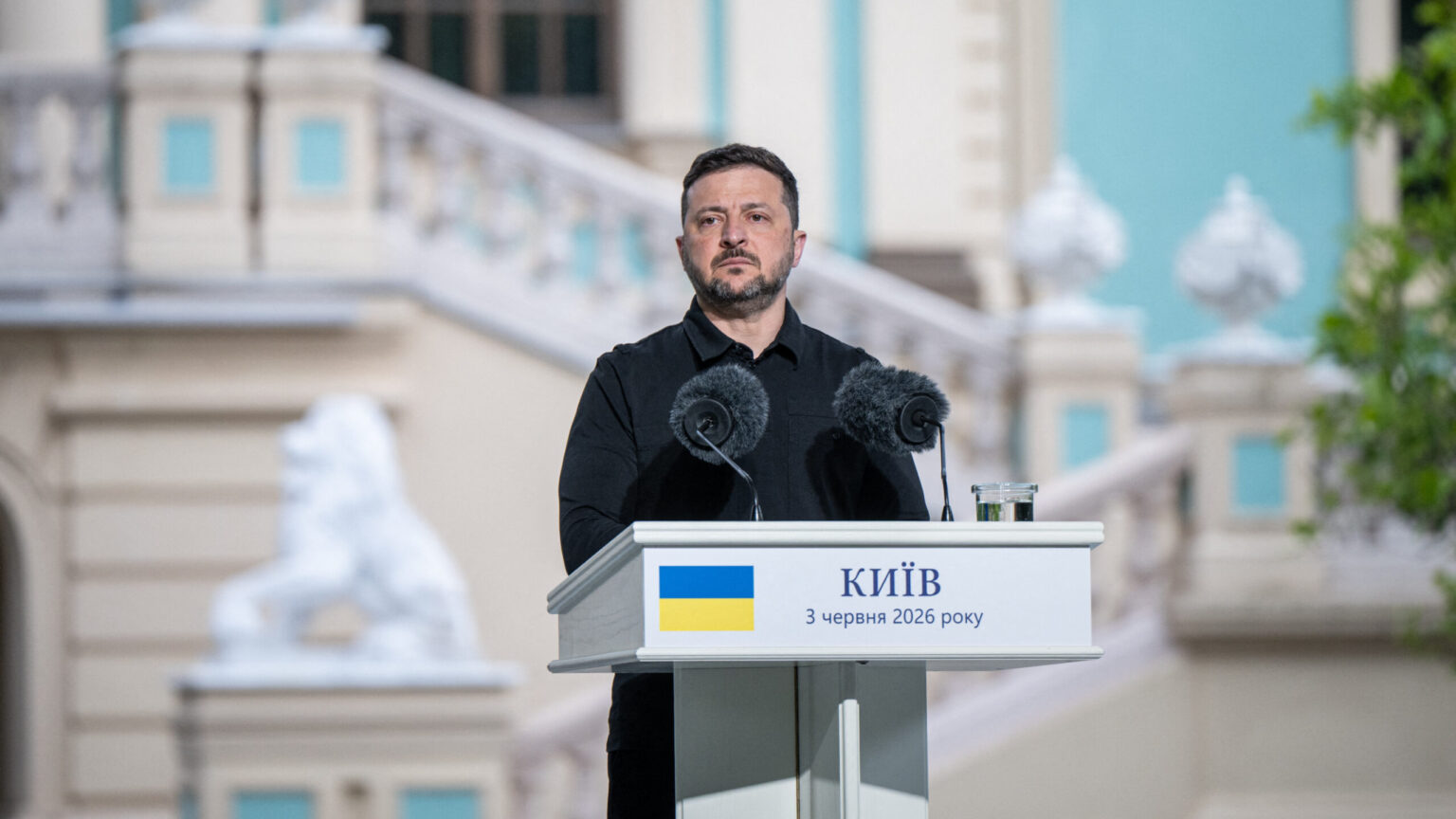
Ukrainian President Volodymyr Zelenskyy could soon visit Budapest for talks with Hungarian Prime Minister Péter Magyar, according to Ukraine’s ambassador to Hungary. The planned visit follows a political agreement on the rights of the Hungarian minority in Transcarpathia, helping clear the way for the first stage of Ukraine’s EU accession talks.
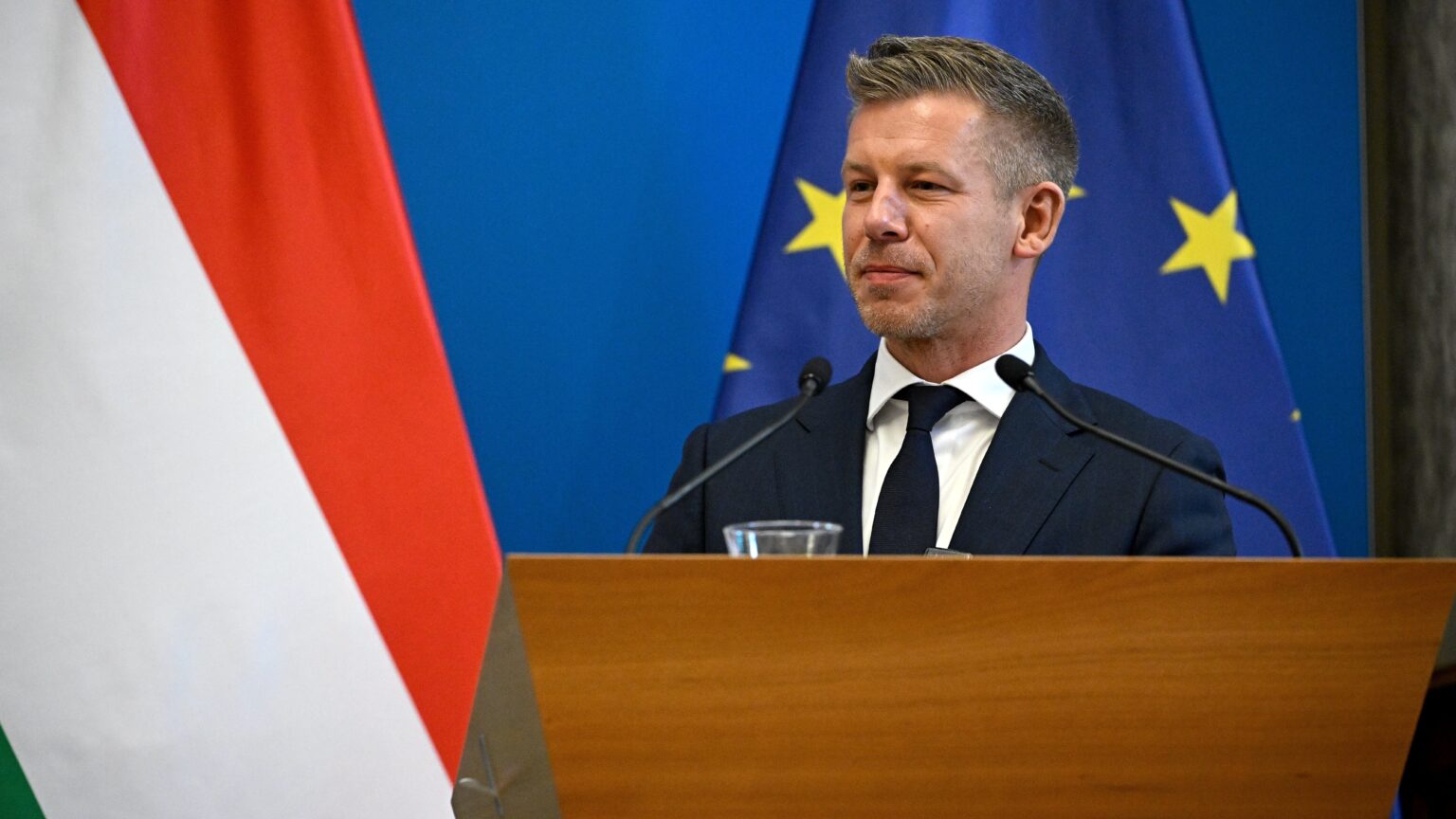
The Hungarian government has approved a broad set of decisions, including a planned EU funds recovery bill, investigations into Covid-era ventilator procurement, infrastructure audits, education reform, and tighter rules on advertising, labour and industrial projects.

The arrest of a Zimbabwean citizen after a brutal assault in Lublin has sparked a political dispute over rising numbers of foreign students in Poland. Konfederacja and PiS argue the student visa system is being used to facilitate uncontrolled migration, while the city’s progressive leadership has dismissed the claims as ‘lies and manipulation’.

The New York State Senate has passed Bill S9316, which mandates that the word ‘mother’ be replaced with the term ‘gestating parent’ and the word ‘father’ with ‘non-gestating parent’ in family court documents and education law in the state, drawing national ridicule.
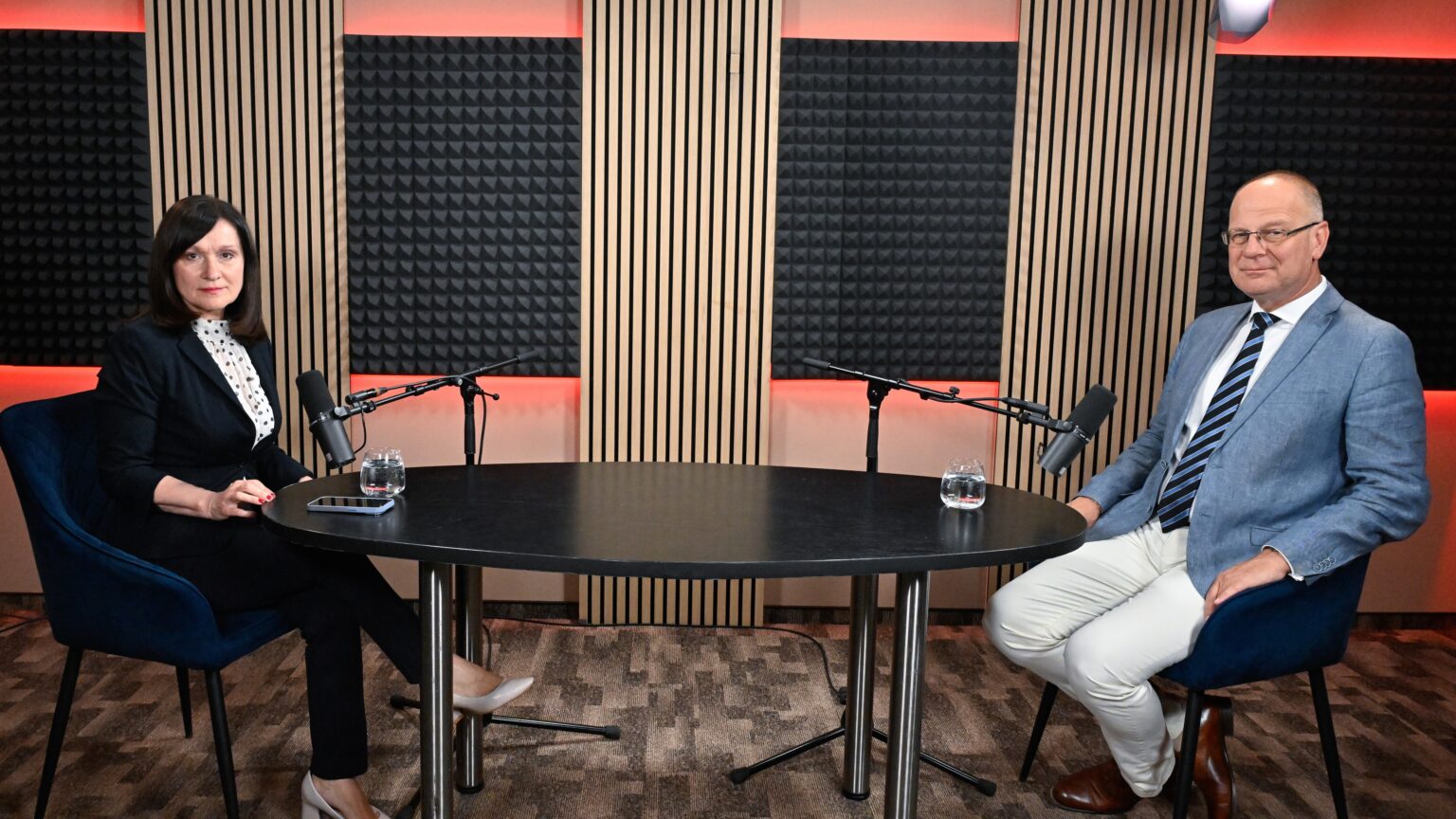
Former minister Tibor Navracsics said Viktor Orbán remains politically resilient despite Fidesz’s election defeat and could even return as the party’s prime ministerial candidate in 2030. He also called for organizational renewal within Fidesz while criticizing the new government’s reliance on symbolic politics and confrontational rhetoric.
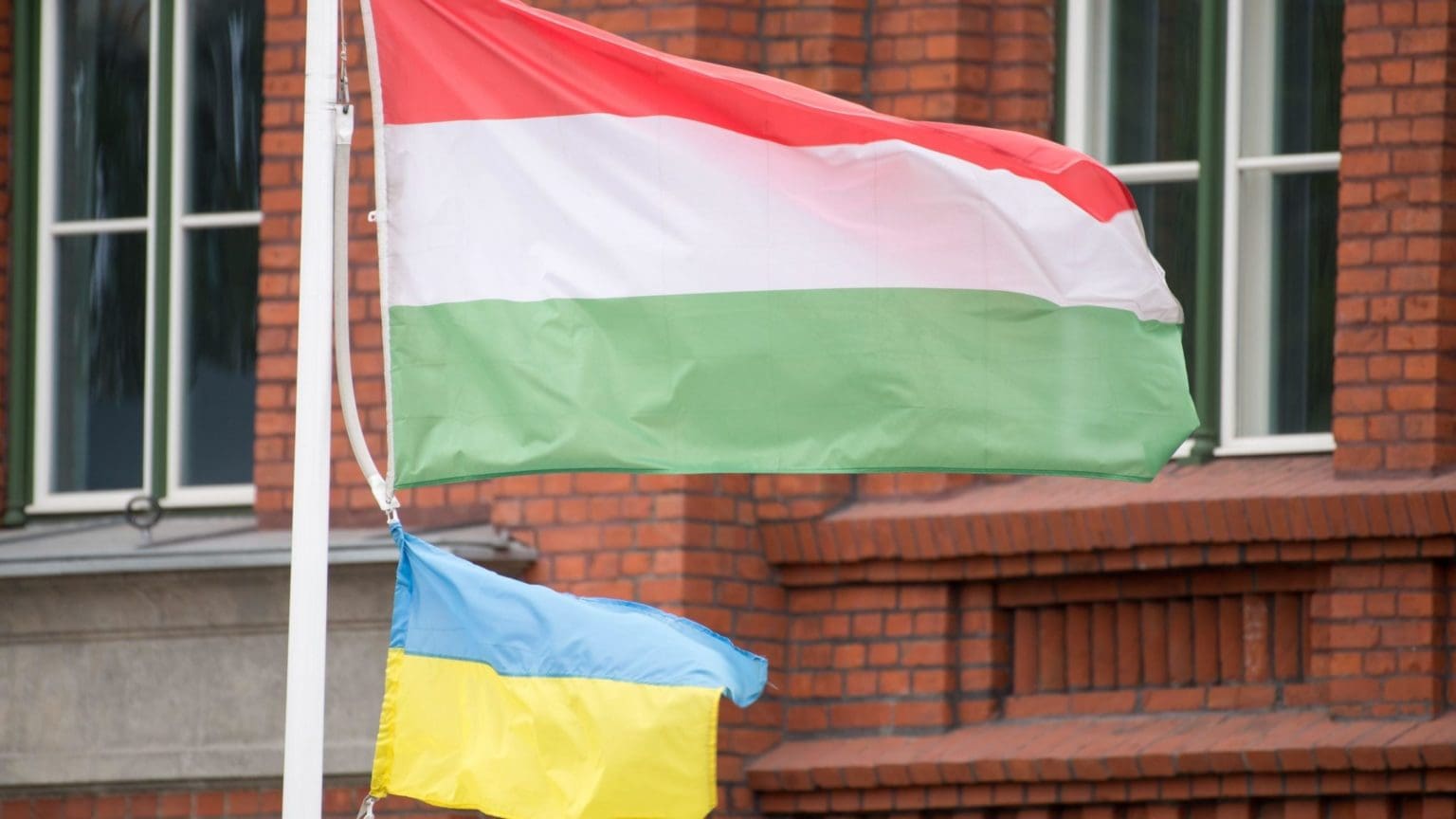
Prime Minister Péter Magyar announced that Ukraine has committed to restoring and expanding the education, language, cultural and political rights of the Hungarian minority in Transcarpathia, paving the way for Hungary to support the opening of Kyiv’s first EU accession negotiation cluster.

‘A new political regime also seeks to secure its position by holding the previous regime accountable, thereby presenting itself as more democratic and as a true defender of democratic values.’
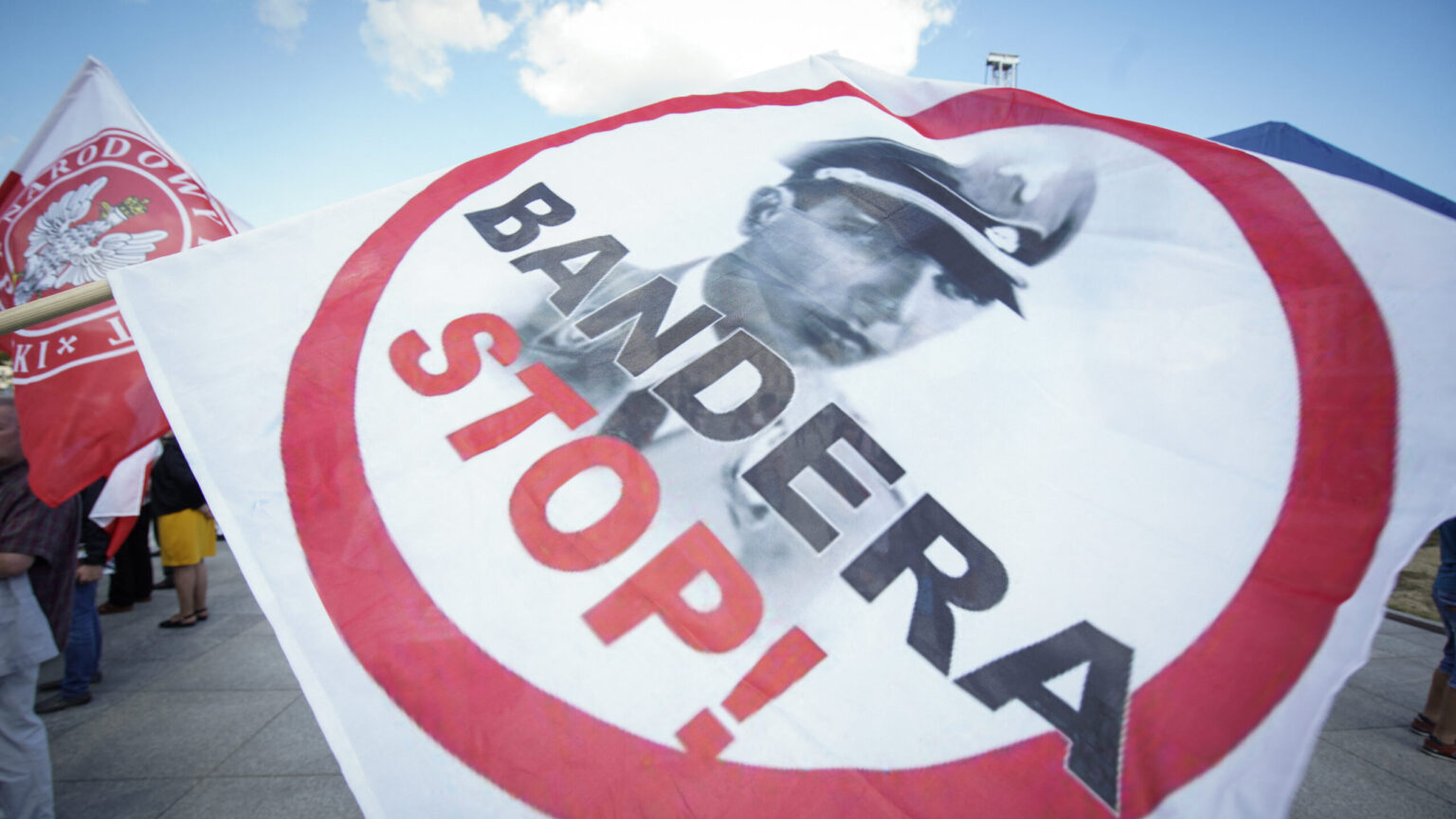
Ukrainian Foreign Minister Andrii Sybiha has called for de-escalation after a dispute erupted between Poland and Ukraine over President Volodymyr Zelenskyy’s decision to grant an elite military unit the honorary title ‘Heroes of the UPA’. The controversy has revived historical tensions surrounding the Bandera movement and the Volhynia massacres.
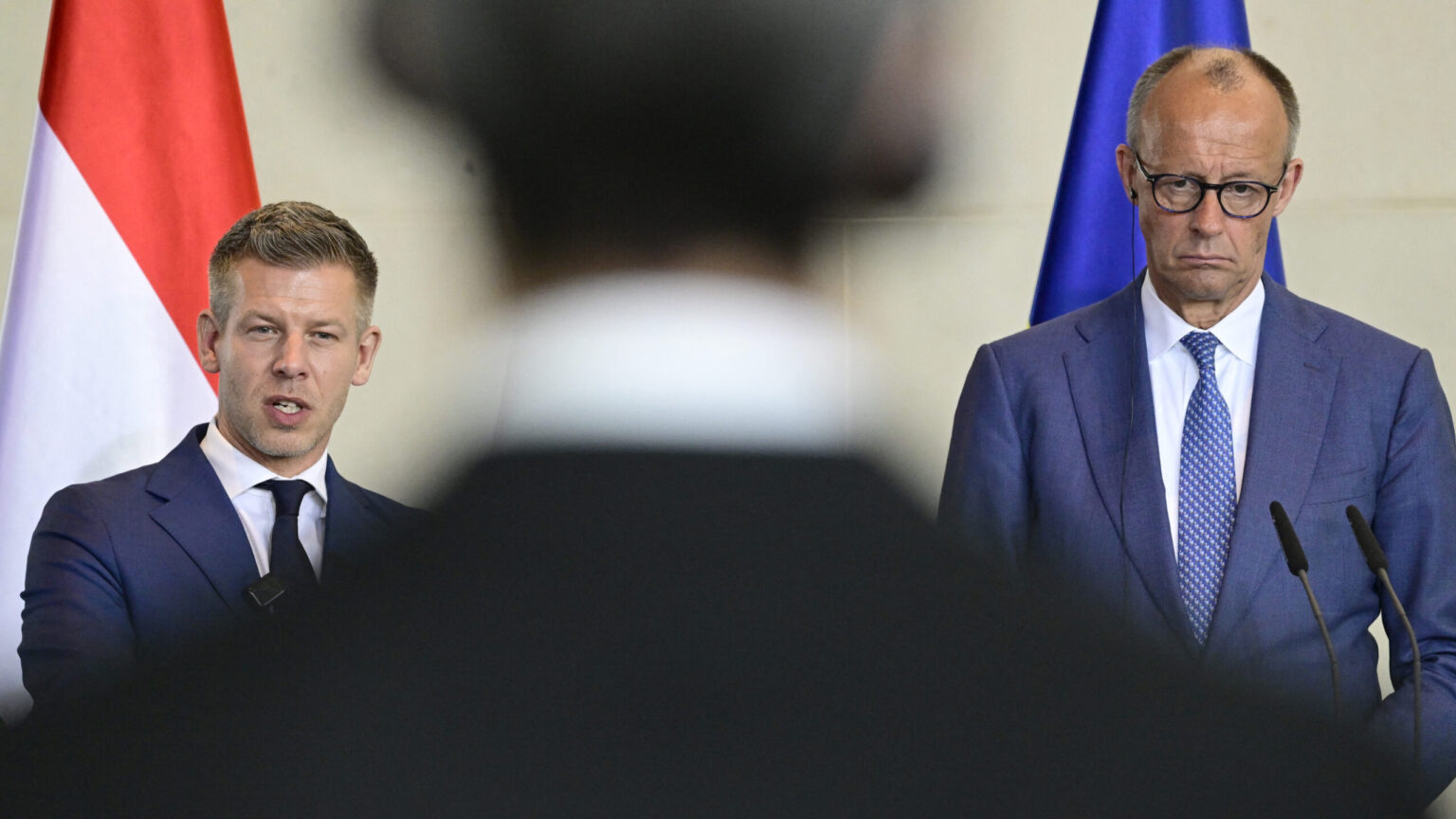
Hungarian Prime Minister Péter Magyar’s first official visit to Berlin produced several awkward moments for German Chancellor Friedrich Merz. During their joint press conference, Magyar openly contradicted Merz on Ukraine and likened the tactics used against the Tisza Party to those many observers associate with the German establishment’s treatment of the AfD.
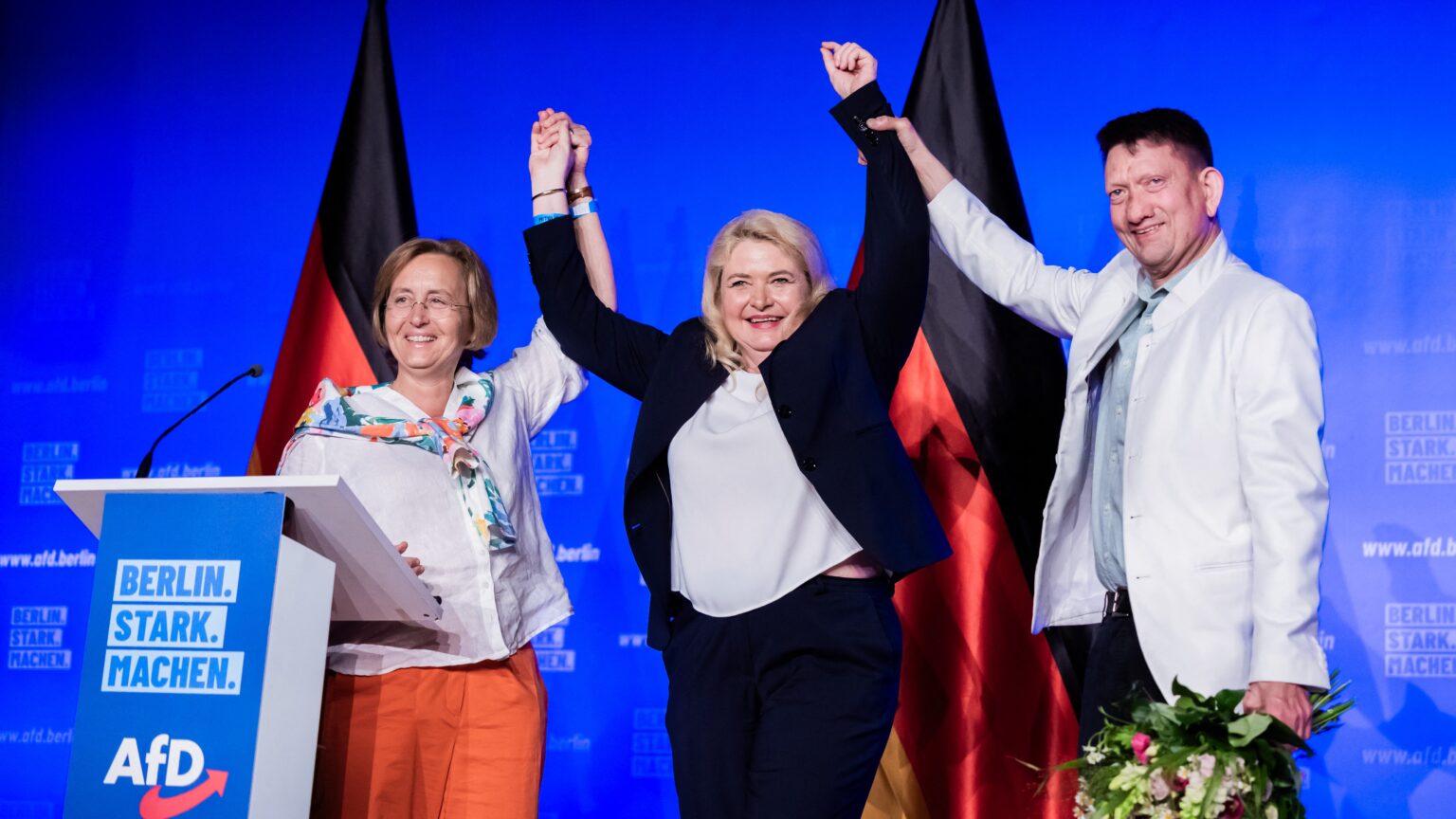
While Germany debates banning AfD, an EU authority has taken formal steps that could lead to the deregistration of the Europe of Sovereign Nations (ESN), the European party to which AfD belongs. The unprecedented procedure raises questions about political pluralism, the independence of the decision-making process, and the EU’s growing willingness to sanction political opponents.
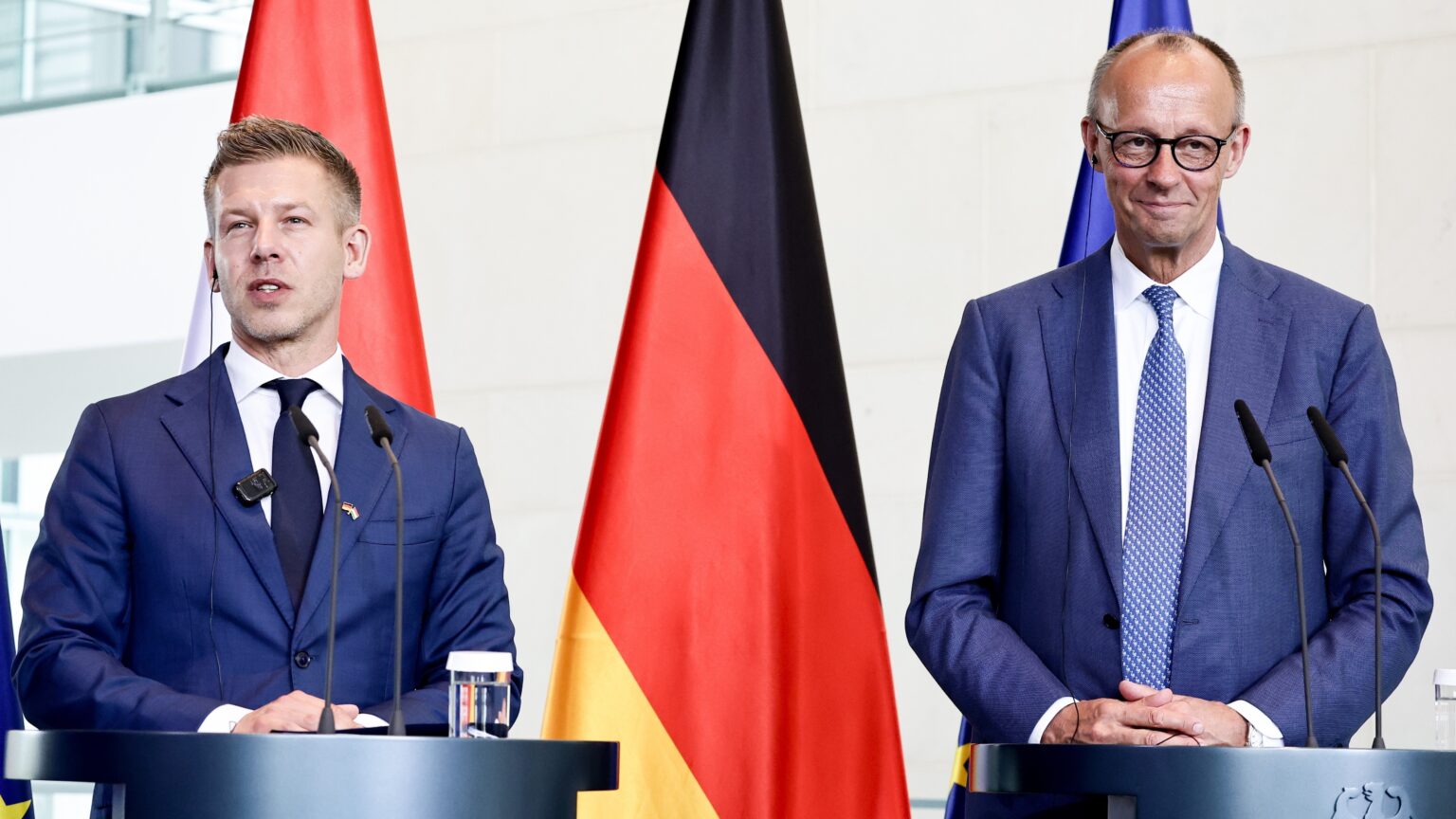
Prime Minister Péter Magyar said Hungary would return to the European table as a sovereign and constructive partner during talks with German Chancellor Friedrich Merz in Berlin, while outlining plans to strengthen ties with Germany, advance negotiations with Ukraine, and expand regional cooperation in Central Europe.

The Save Europe Act, a European Citizens’ Initiative calling for an end to non-European immigration and a Europe-wide remigration framework, surpassed 100,000 signatures within three days of its launch. Backed by Dutch commentator Eva Vlaardingerbroek and endorsed by Viktor Orbán, it also advocates stricter border controls and migration-related welfare reforms.

At a time when public debate is increasingly polarized and superficial, Hungarian Conservative remains committed to depth and independent thought.
Donate Now
Please consider supporting our mission.