


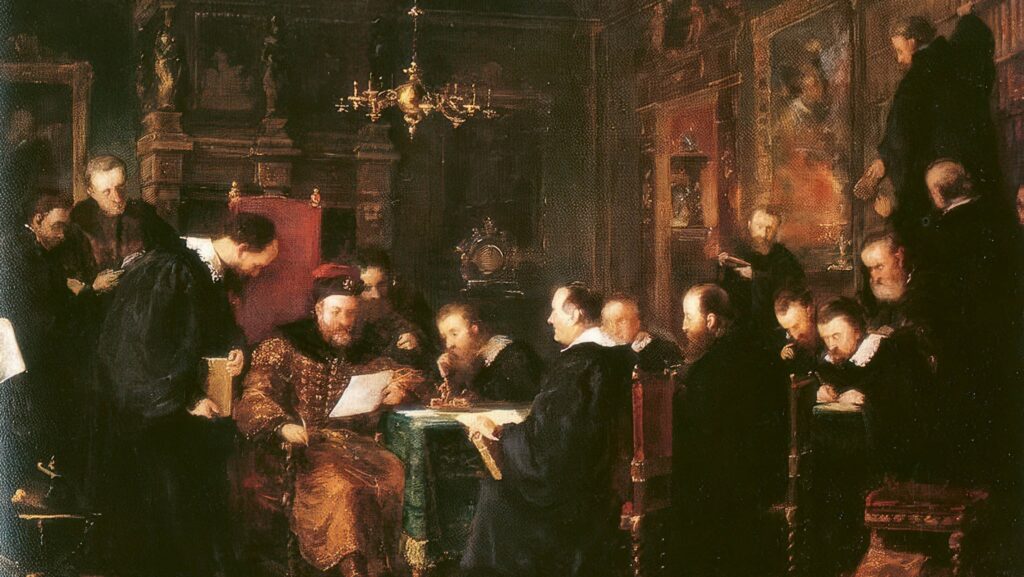


Viktor Orbán’s recent vacations abroad have fuelled criticism that he is disappearing at moments of domestic crisis. Those same trips, however, overlap strikingly with progress in MOL’s bid for Serbia’s NIS: undisclosed talks in Washington, an OFAC extension days later and a Serbian visit alongside MOL deputy CEO Oszkár Világi, pointing to possible influence beyond formal office.
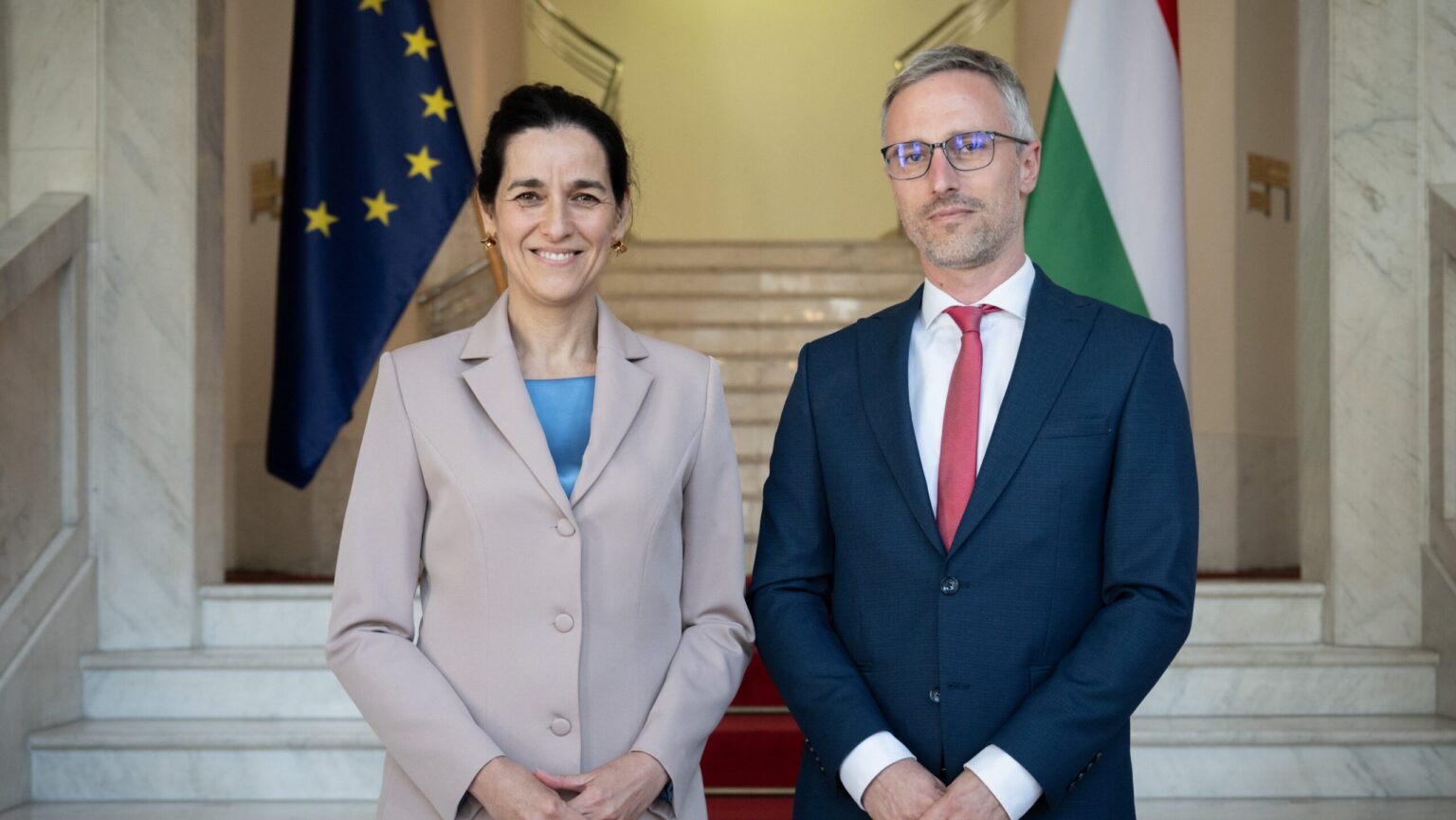
Hungary’s new foreign-policy establishment is preparing a ‘complete break’ with the MAGA-oriented model, according to the recently appointed leadership of the country’s main foreign-policy institute. Balázs Orbán, former political director of Viktor Orbán, said the shift meant abandoning a ‘sovereign, realist and conservative’ approach for a EU-centred liberal foreign policy.
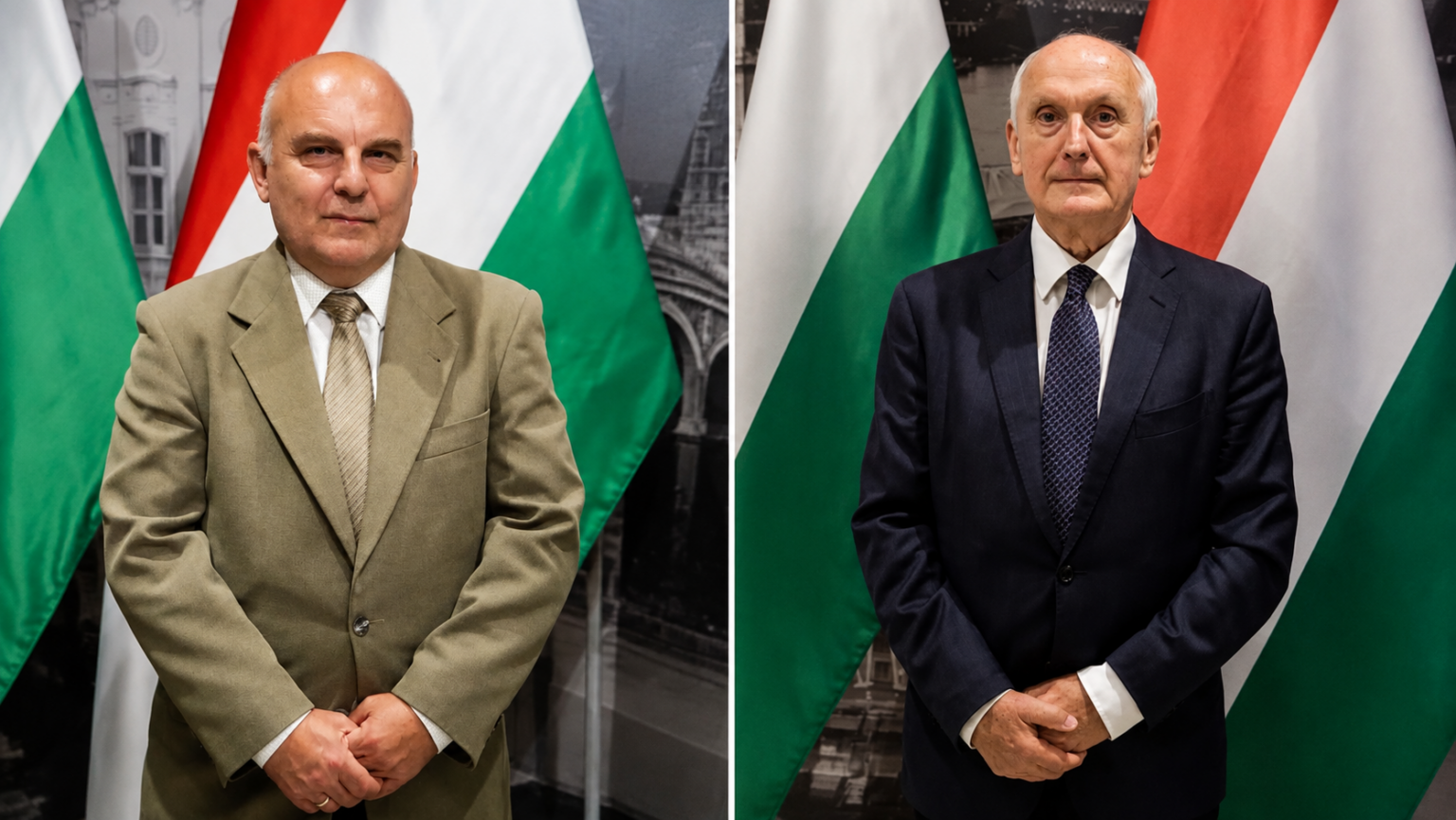
Hungary’s next president could be elected as early as 11 August, putting the new head of state in office one day before St Stephen’s Day. The date would give Tisza’s regime-change narrative powerful symbolism, while the party’s social-media casting increasingly points towards András Baka or Botond Fülöp after Péter Magyar lost his top candidate through a rushed process.
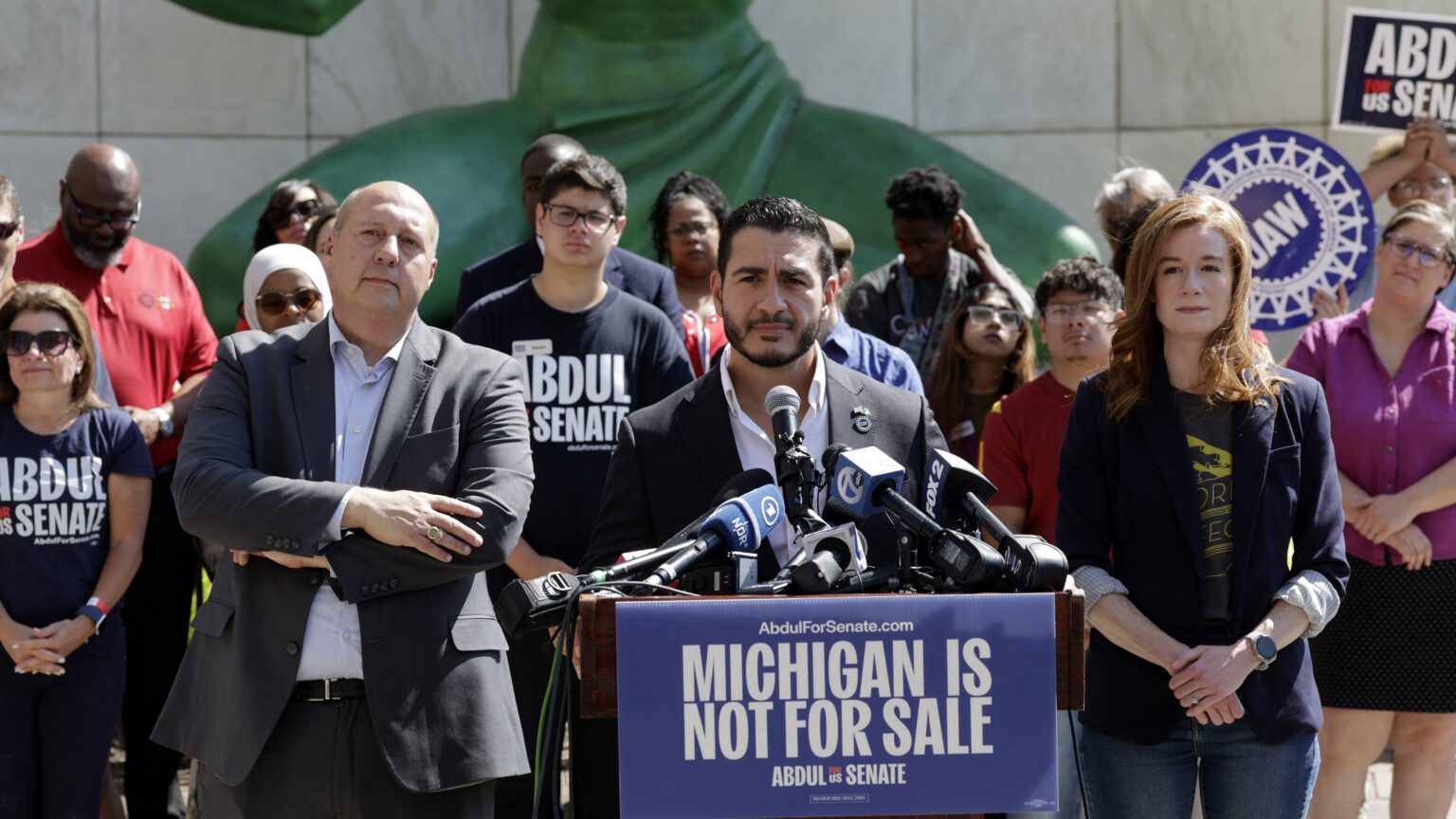
Abdul El-Sayed’s narrow Democratic primary victory in Michigan has reignited the debate over the influence of the party’s progressive wing ahead of the 2026 midterms. With Wisconsin’s primary next, another self-described socialist candidate could jeopardize the Democrats’ chances in another swing state in the Midwest.
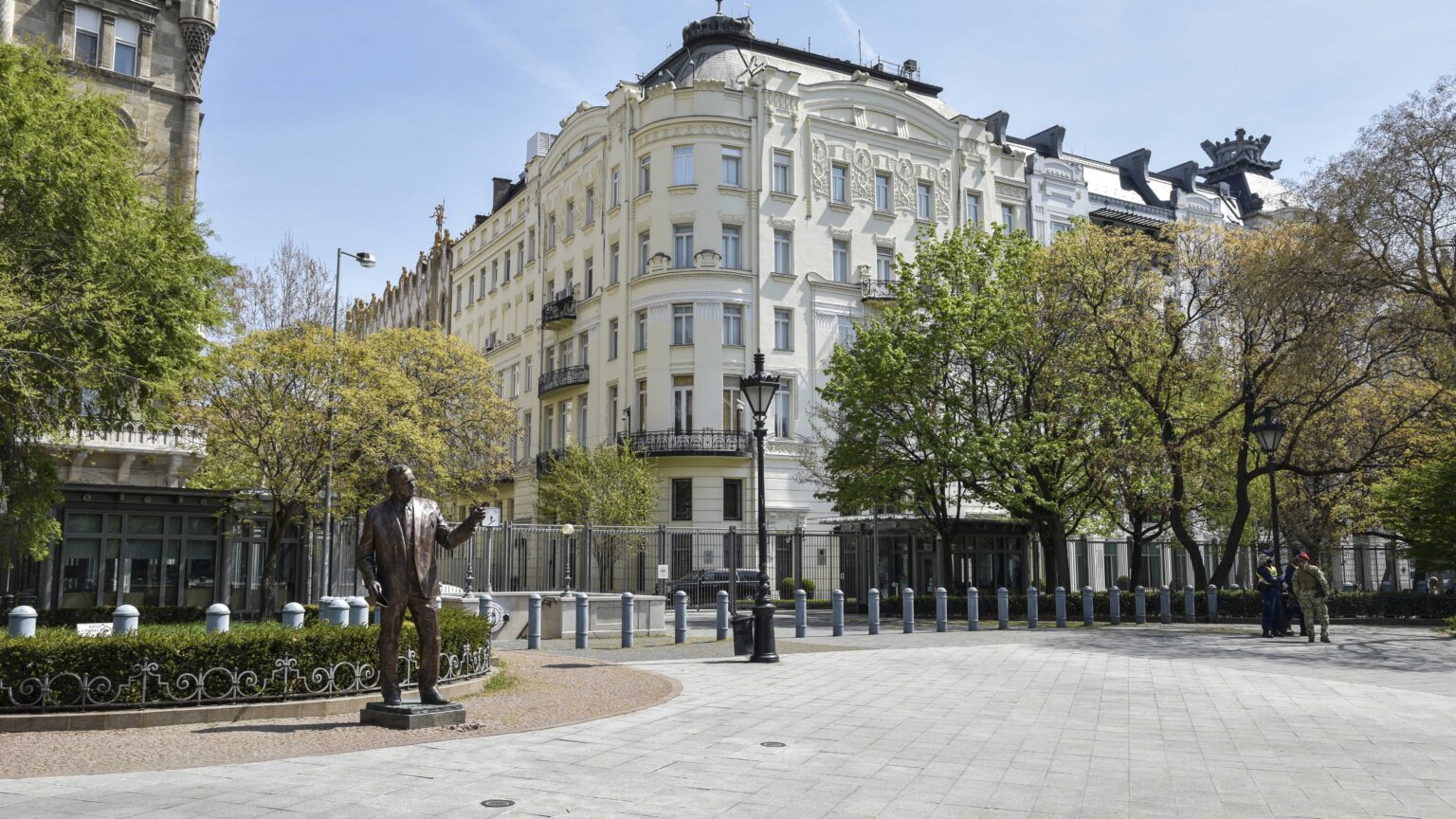
The leader of the Tisza Party’s parliamentary group reaffirmed Hungary’s commitment to the European Union and NATO following talks with officials at the US Embassy in Budapest, highlighting the importance of predictable foreign policy and stronger parliamentary ties between the two countries.
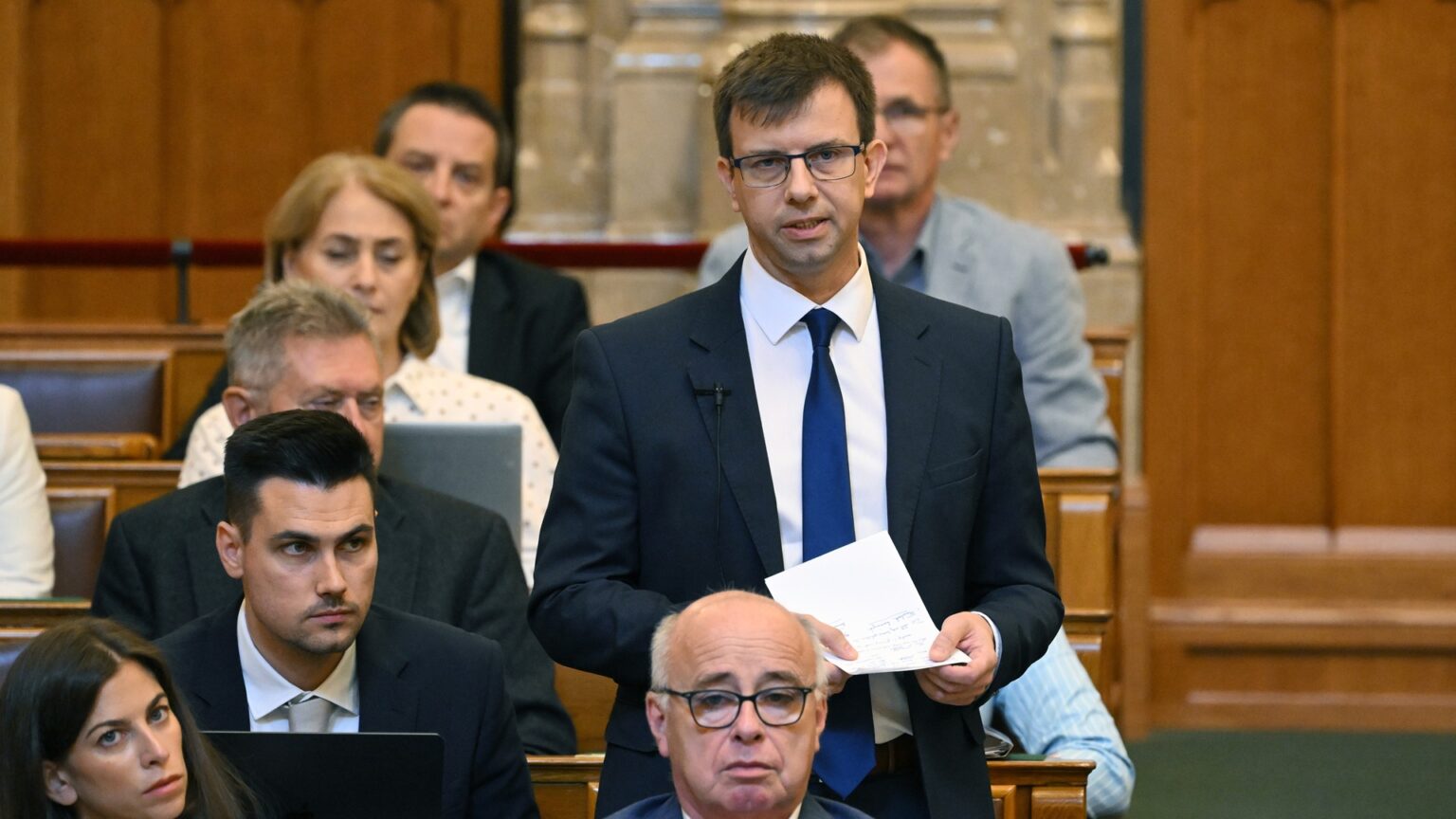
Fidesz parliamentary faction leader János Bóka has criticized the Hungarian government’s handling of the drought crisis, arguing that the newly established task force lacks operational authority and that officials have offered little beyond public appeals to reduce electricity consumption.
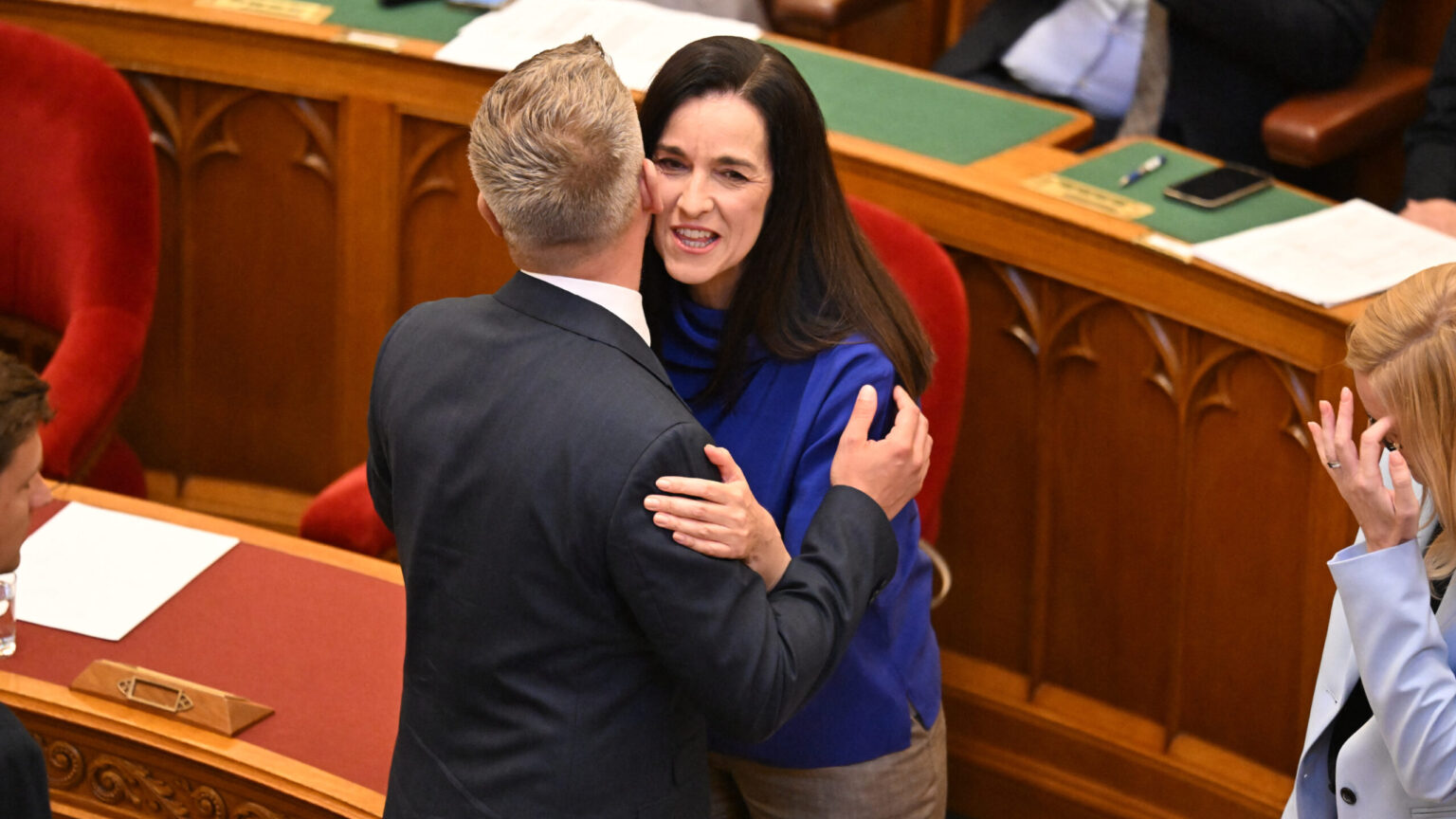
One day after RIA Novosti taunted Péter Magyar over Hungary’s nuclear-energy crisis, Anita Orbán struck a more conciliatory tone, saying Budapest still seeks pragmatic ties with Moscow. The exchange captured the tension at the heart of Tisza’s strategy: breaking with the close alignment that characterized Viktor Orbán’s leadership without giving up vital Russian oil, gas and nuclear cooperation.
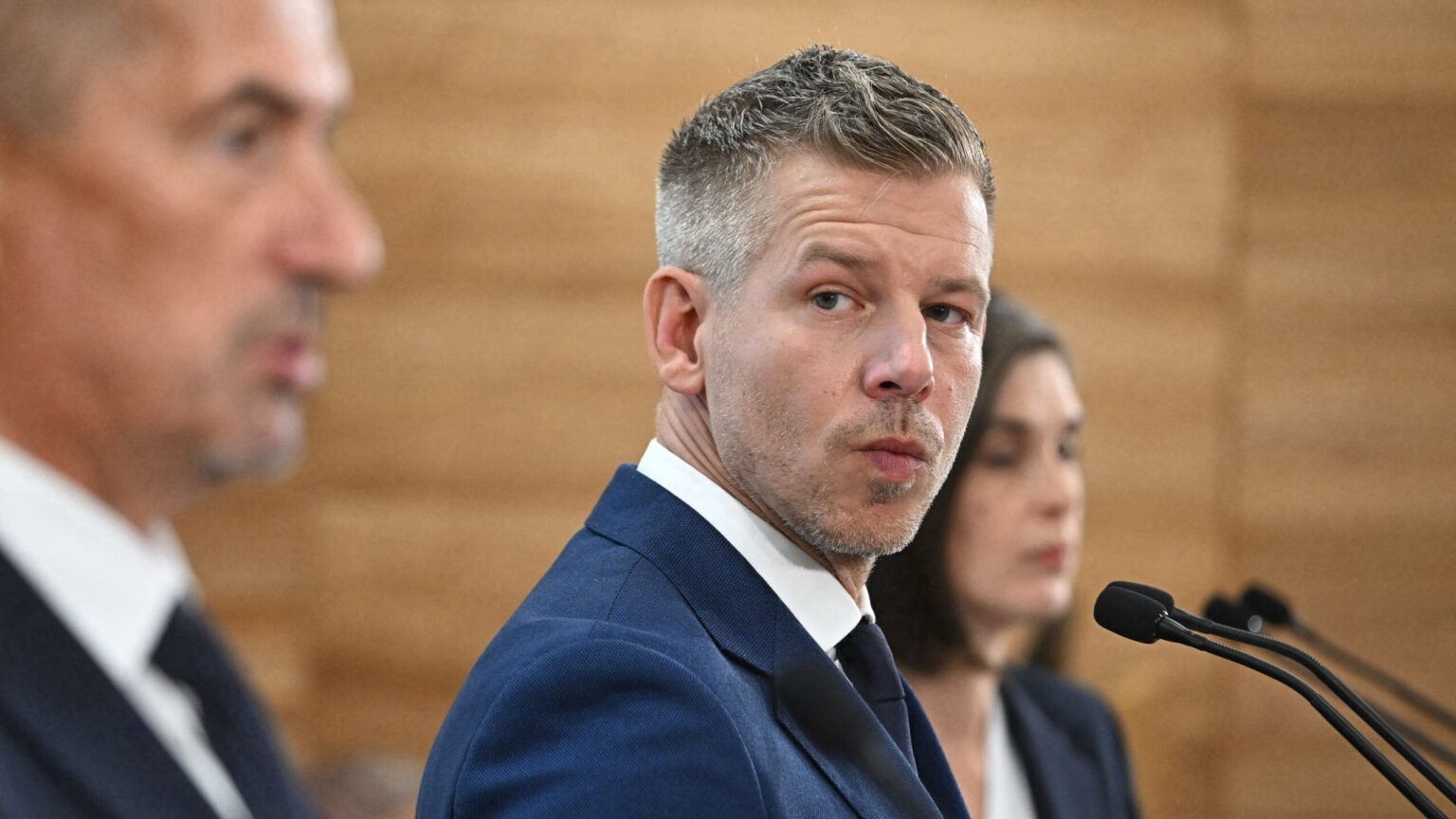
Hungary’s energy crisis is giving Péter Magyar the kind of first major test that can define a new government and its future trajectory. Tisza won power by arguing that Orbán’s system merely projected competence while hollowing out institutions; the days ahead will show whether the new administration can manage a real crisis or was merely competent in words.
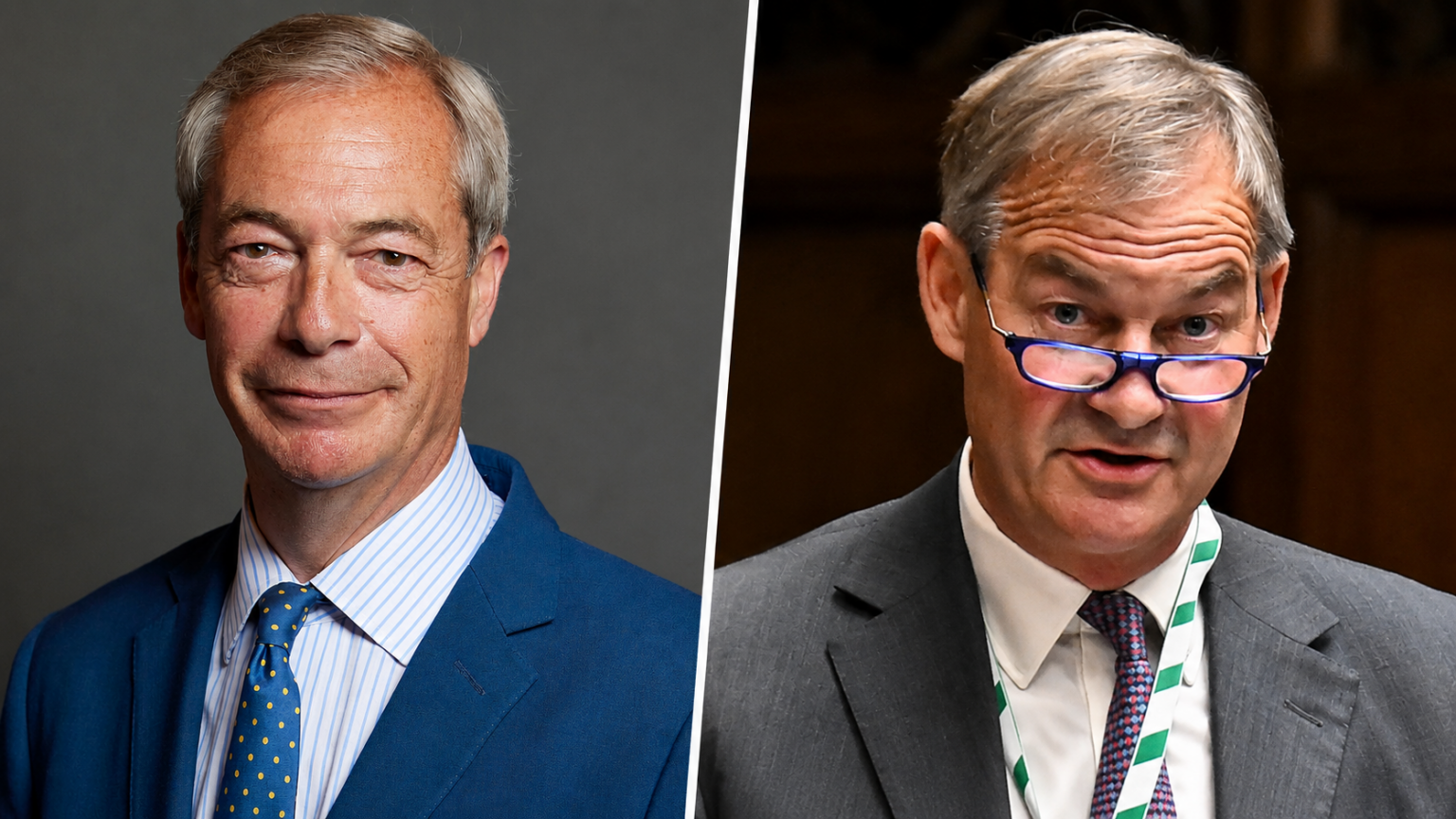
Following the gains the incumbent Labour Party made on Reform UK since Prime Minister Andy Burnham took office, right-wing populist Restore Britain Party leader Rupert Lowe has published an open letter to Reform leader Nigel Farage, laying out his conditions for cooperation.
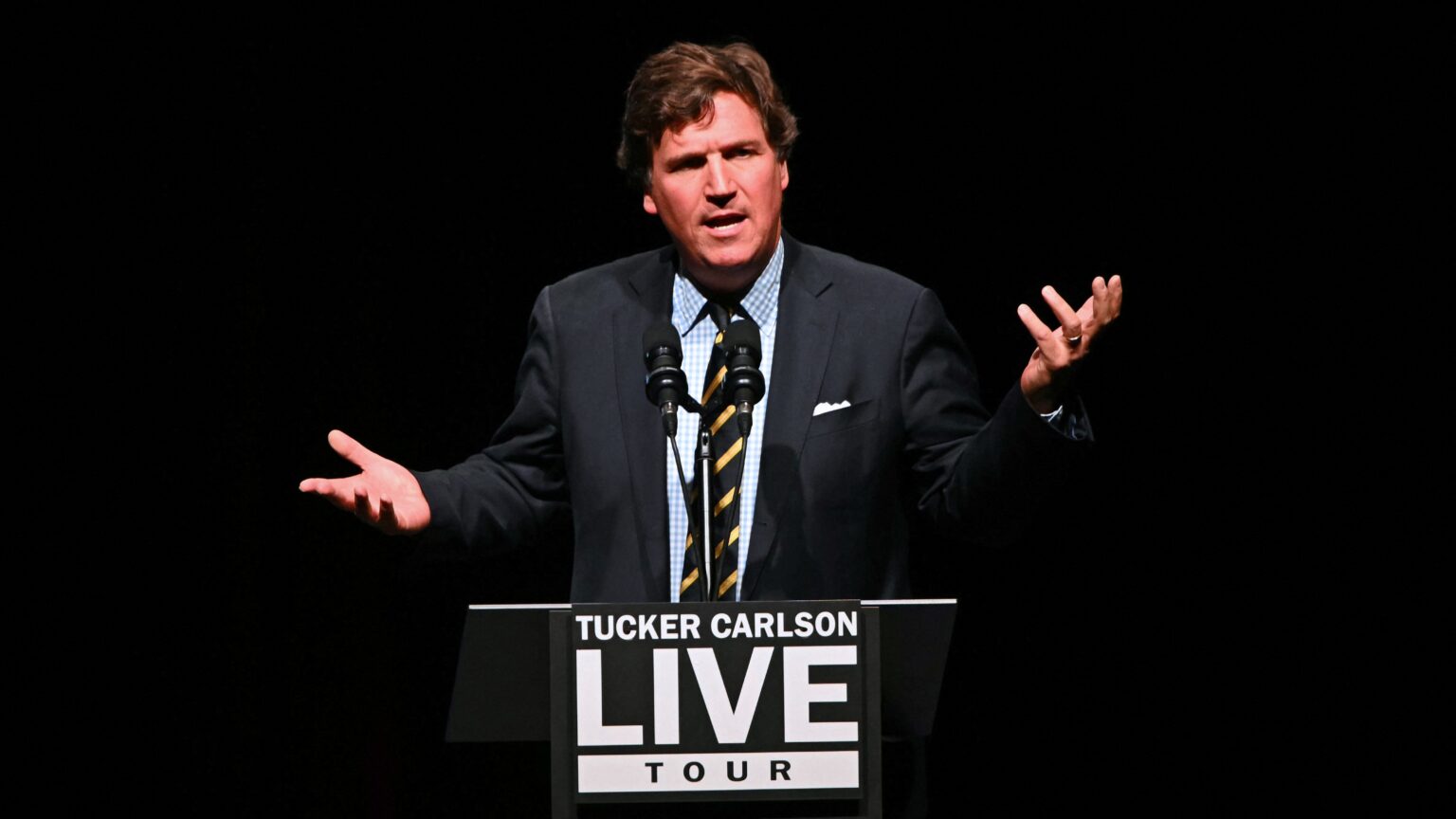
A photo shared by Former Congresswoman Marjorie Taylor Greene featuring Tucker Carlson, Thomas Massie, and Joe Kent has fueled speculation that the conservative figures could be planning a new political movement—or even a third party—following their growing split with President Donald Trump.
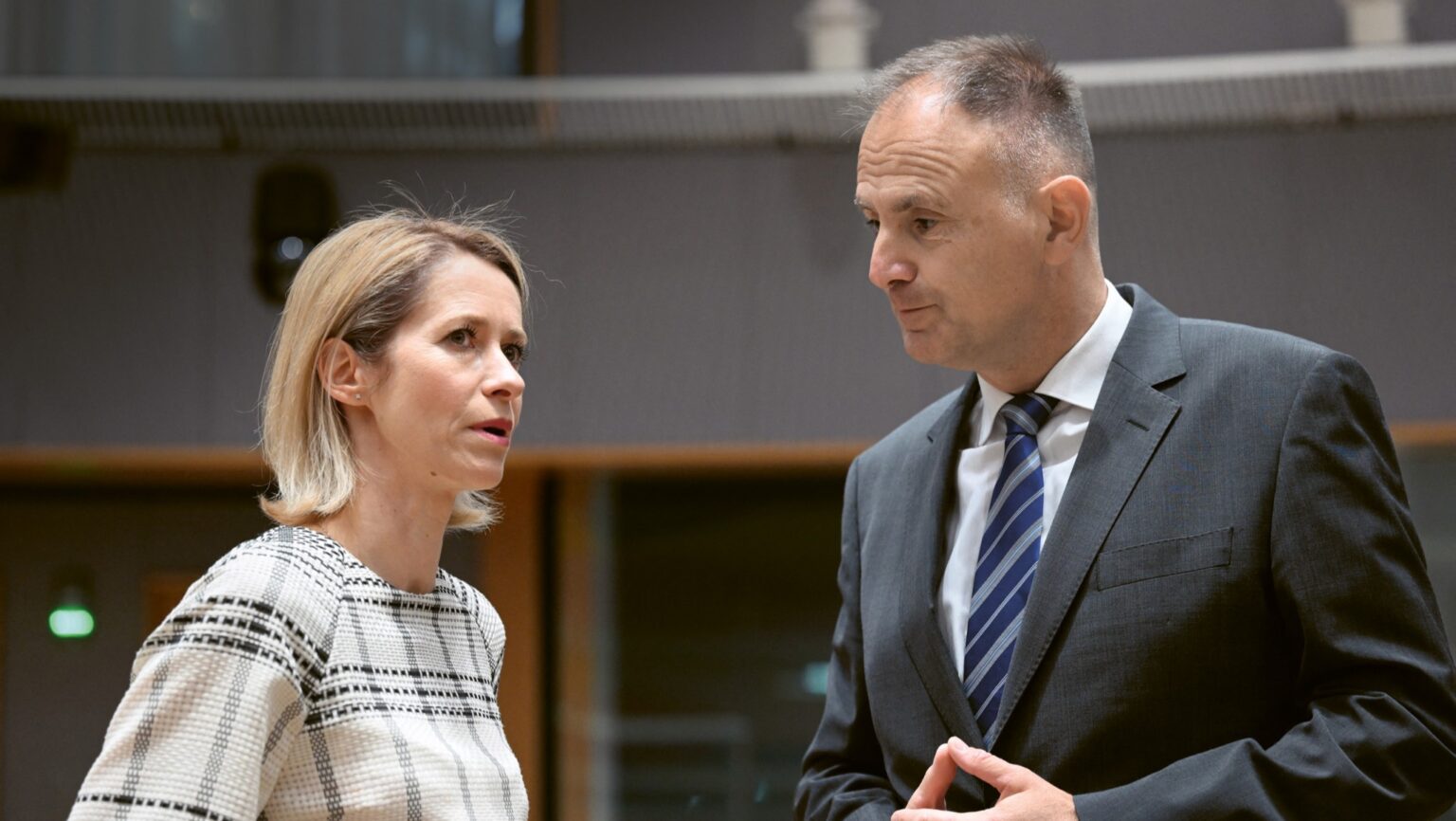
‘What was the principal promise of liberalism to Hungarians who were being liberated? Nothing less than the Western gospel: the almost suspiciously harmonious unity of political freedom, peace, and prosperity.’
‘The European Union undoubtedly needs simpler rules…However, simplification only works if, instead of making rules changeable quickly, it also makes them more predictable in the long term, so that a business can understand and comply with the requirements in less time, with less external assistance, and with greater legal certainty.’

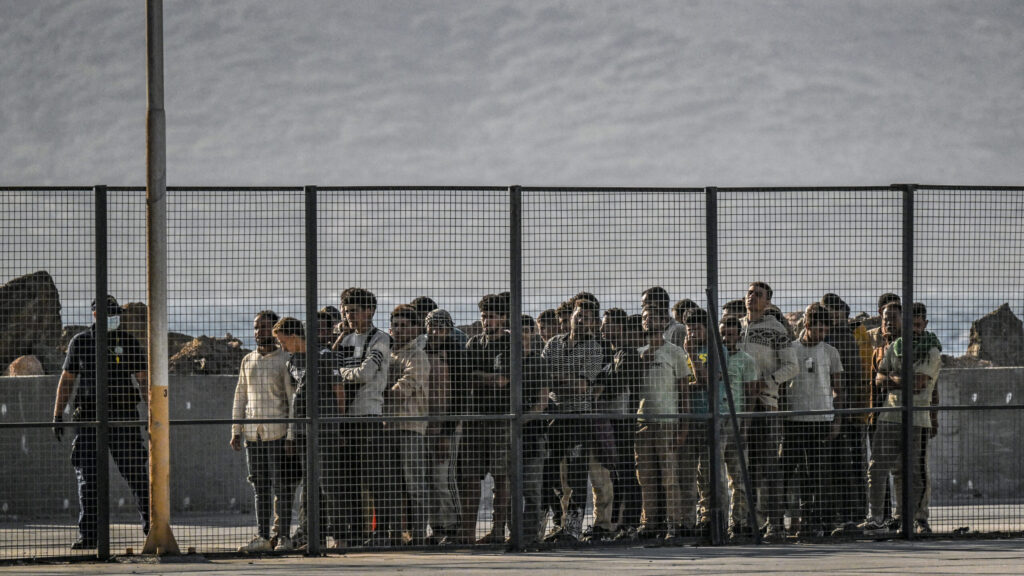
Ceuta was overwhelmed after an estimated 60,000 illegal migrants invaded the Spanish enclave in North Africa within 24 hours, with the crisis spreading to Melilla overnight. Morocco is widely accused of deliberately loosening border controls, while some analysts have advanced a broader theory of American and Israeli involvement for geopolitical gain.
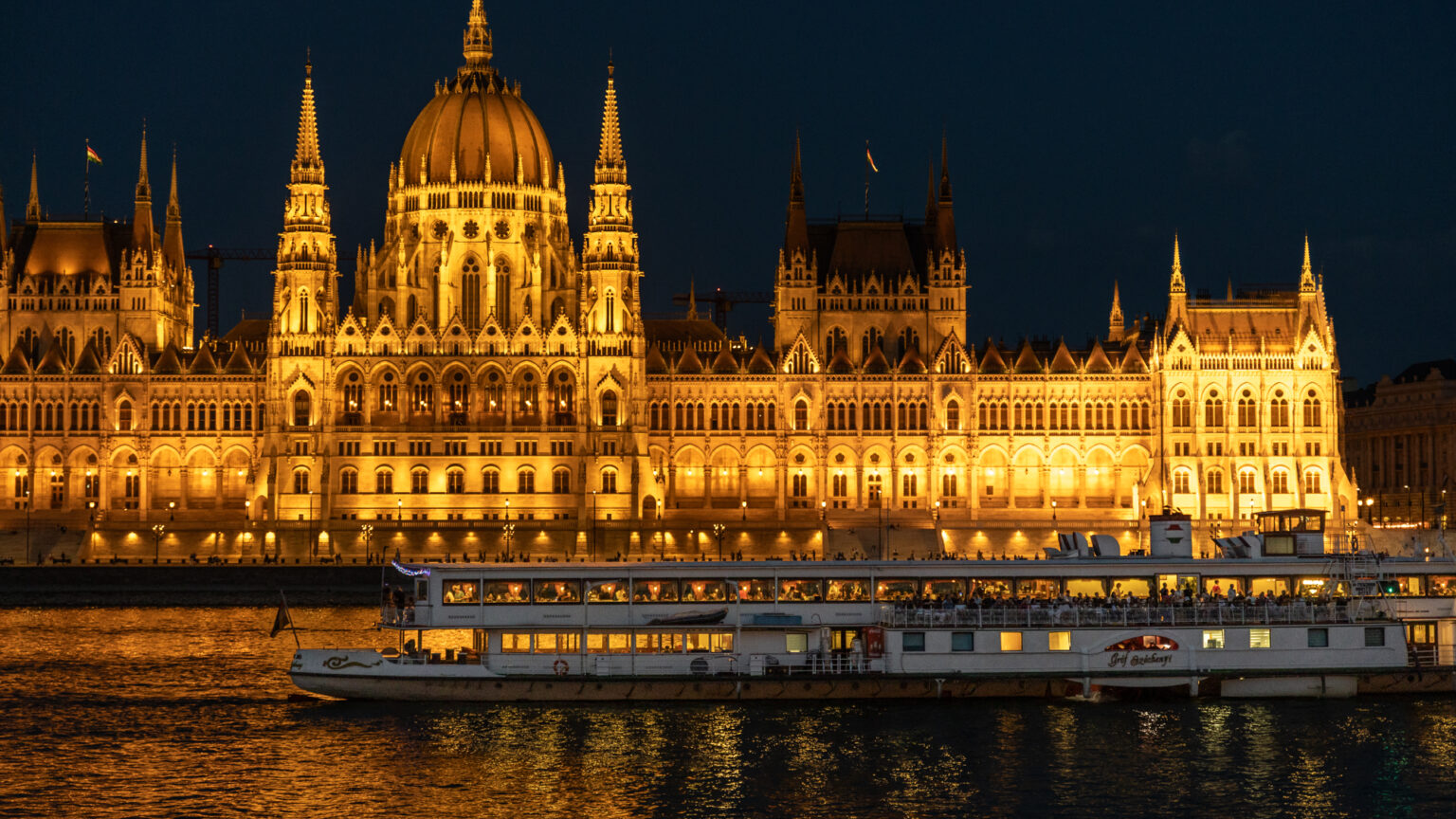
‘We must deal with a dangerous illusion. A country cannot be made strong by an optimism that ignores its problems. It can be confident and hopeful only if it recognizes the problem in time and has a serious plan to solve it…Our task now is not to create panic. And it is not to sell false hope. But it is to remain sober.’

More than a month after its suspension from the EU Transparency Register, MCC Brussels has released a video detailing its dispute with EU authorities. The think tank argues the decision was politically motivated, questions the handling of the investigation, and says the move restricts its access to EU institutions and events.
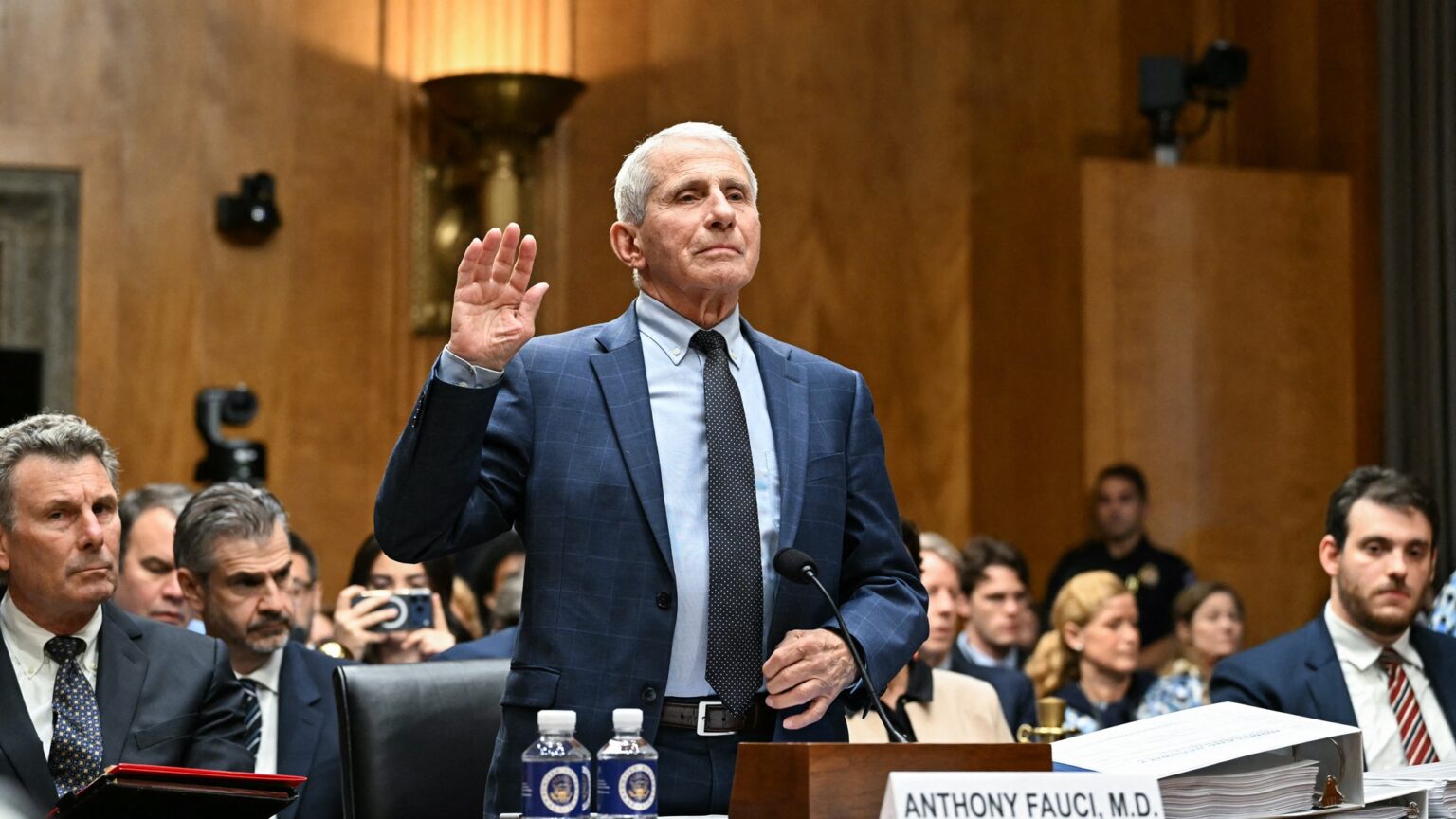
Dr Anthony Fauci, Director of the National Institute of Allergy and Infectious Diseases during the COVID-19 pandemic, refused to answer questions during his testimony before the US Congress by appealing to his Fifth Amendment right against self-incrimination. However, the blanket pardon he had received from President Biden takes self-incrimination off the table; thus, his refusal could land him contempt of Congress charges.
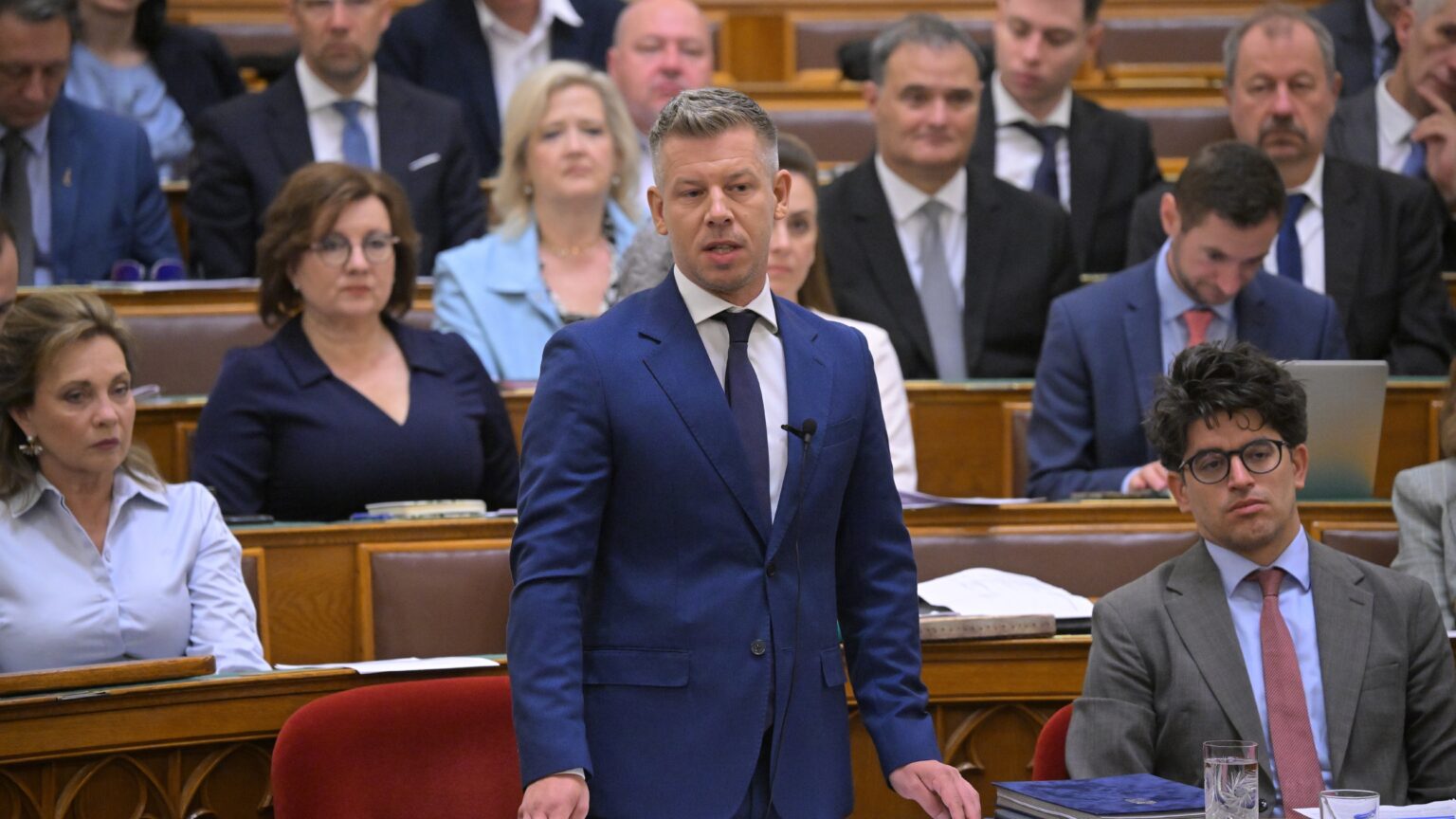
Hungary’s Parliament has approved legislation establishing the National Asset Recovery and Protection Office. Prime Minister Péter Magyar said the new institution would operate independently of the government and could become Europe’s strongest anti-corruption body.

During a campaign event in DeSoto, Texas, Democratic Senate candidate for Texas James Talarico made statements that were interpreted by many as an endorsement of reparation payments for black people. Is he really promising reparations to win over black voters in Texas?
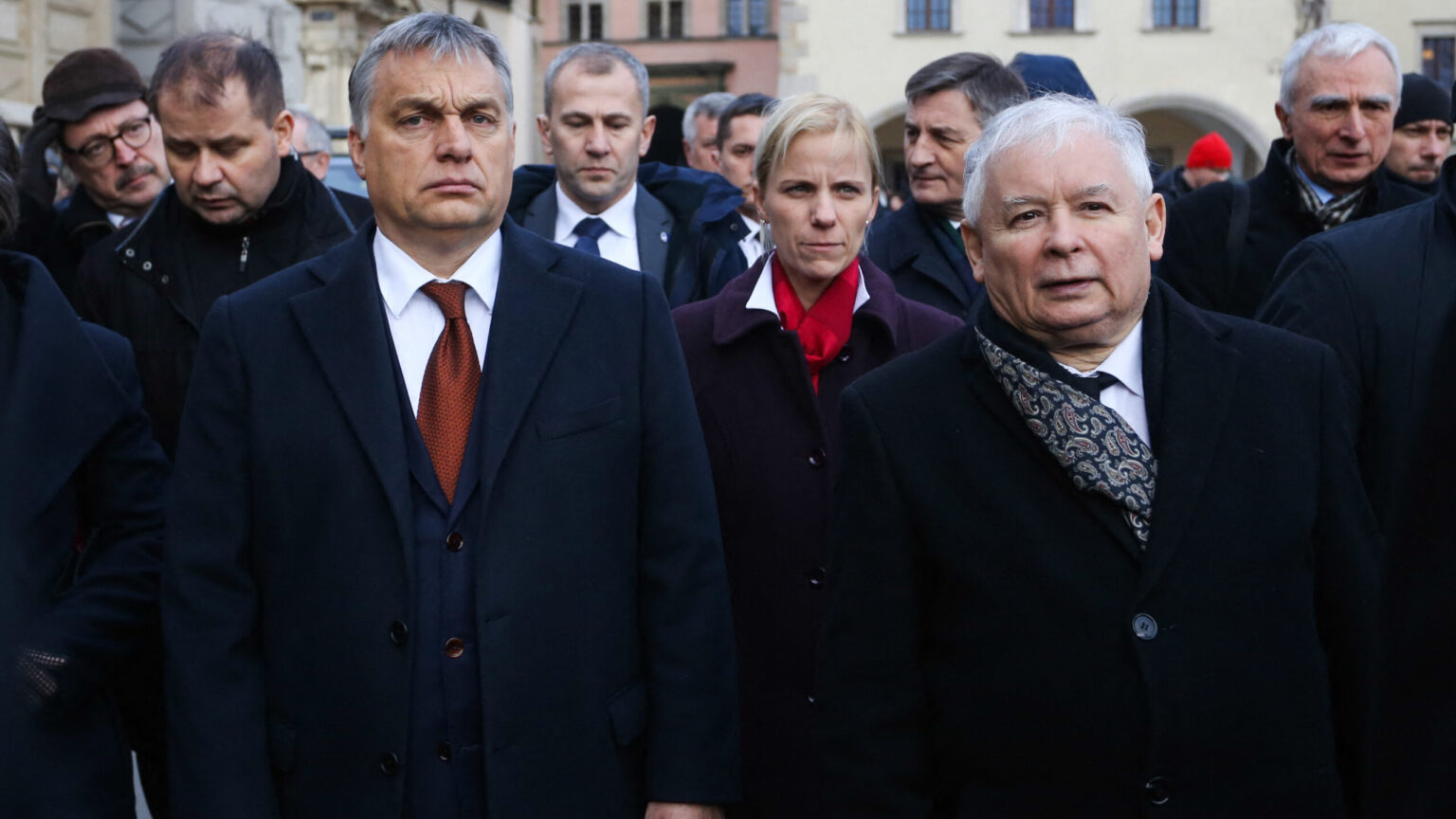
Poland’s Law and Justice is facing its gravest internal rupture in years after Jarosław Kaczyński threatened to force Mateusz Morawiecki’s Development Plus faction out of PiS. The crisis has become a stark warning to Fidesz and Viktor Orbán about what follows when electoral defeat is not met with the necessary self-reflection and renewal, leaving disputes over direction and succession unresolved.
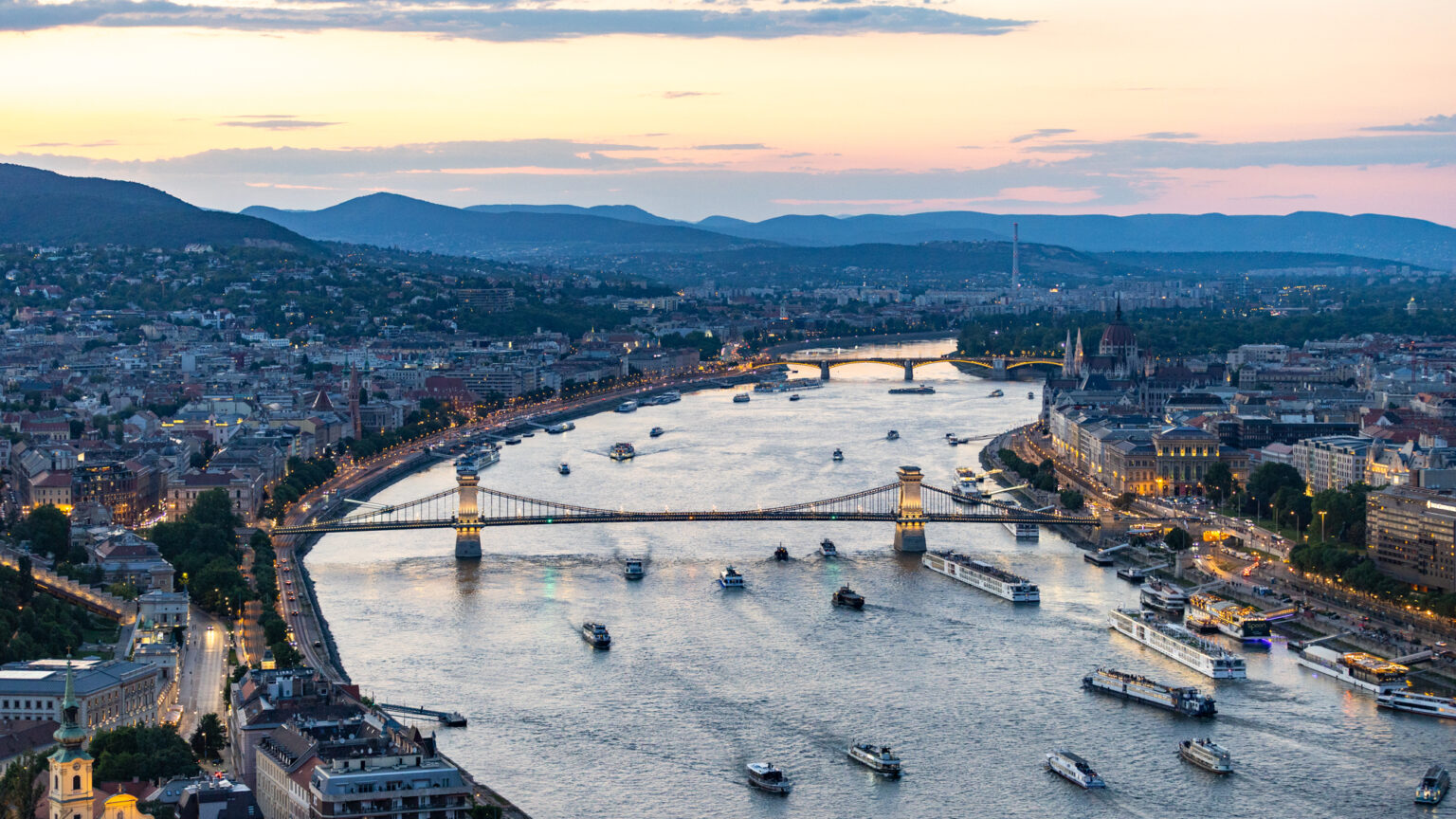
Hungary’s Parliament will begin a two-day extraordinary session on Monday with an address by Prime Minister Péter Magyar. Lawmakers are also expected to elect a new Constitutional Court judge and debate legislation on public transport, energy reforms, taxation and public asset protection.
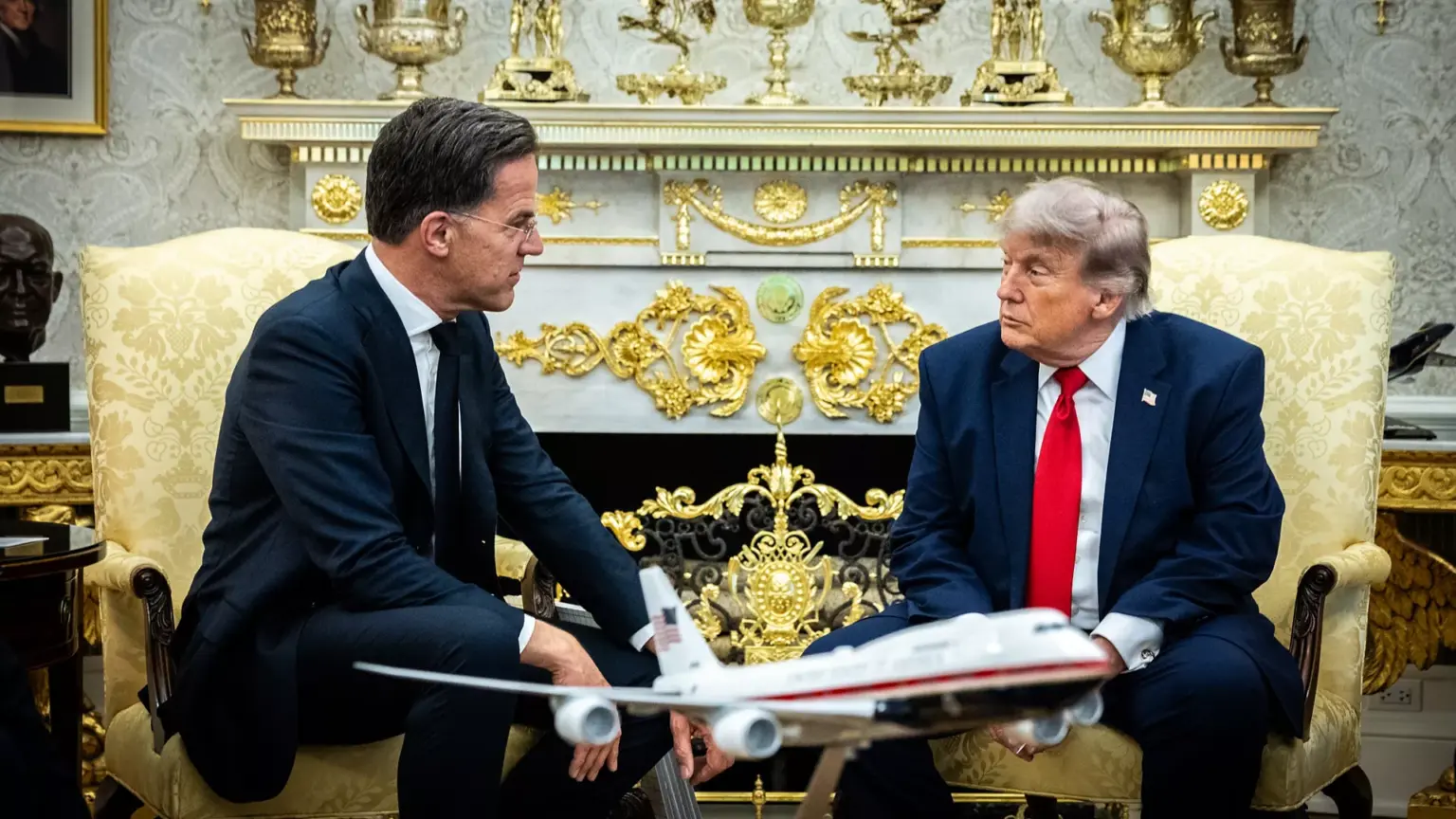
‘Simply put, “Strategic Complementarity” is best defined as the principle that alliances and relationships are strongest when each partner within that system develops strategically distinctive and niche capabilities that complement and strengthen the collective resilience, lethality, and deterrence capabilities of the alliance or partnership.’
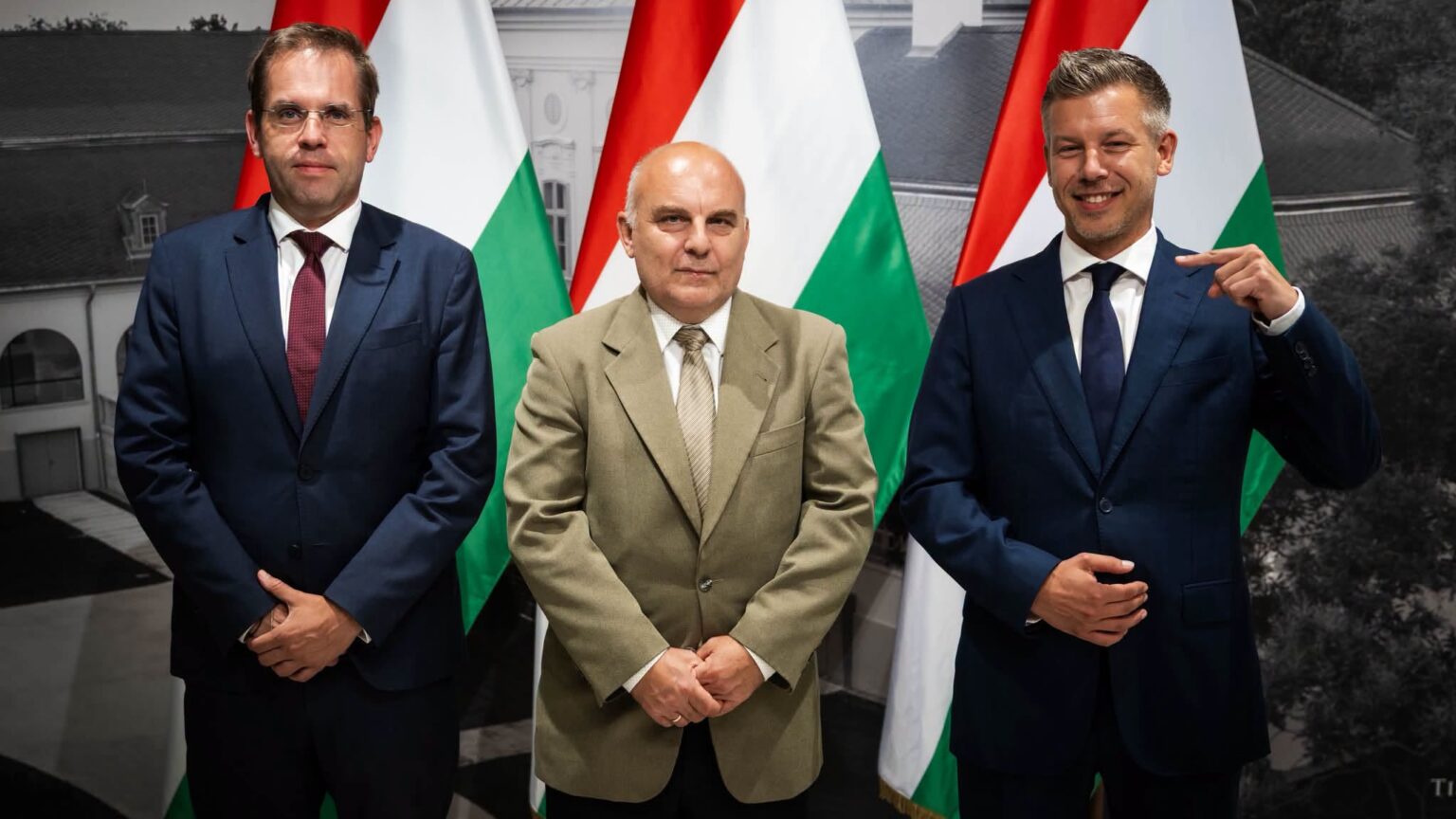
After the collapse of Judit Polgár’s nomination, Prime Minister Péter Magyar appears to be testing alternative presidential candidates through a carefully staged social media casting process. Photos with Botond Fülöp and Ignác Romsics have already attracted public attention, while polling points to other favourites and raises doubts over whether anyone can be chosen without Magyar’s backing.

A resolution adopted by the Croatian parliament argues that Bosnia’s Croats have been denied the full political equality promised by Dayton. Coming weeks after Christian Schmidt’s resignation, it signals that the Dayton settlement is now being challenged well beyond Bosnia itself.
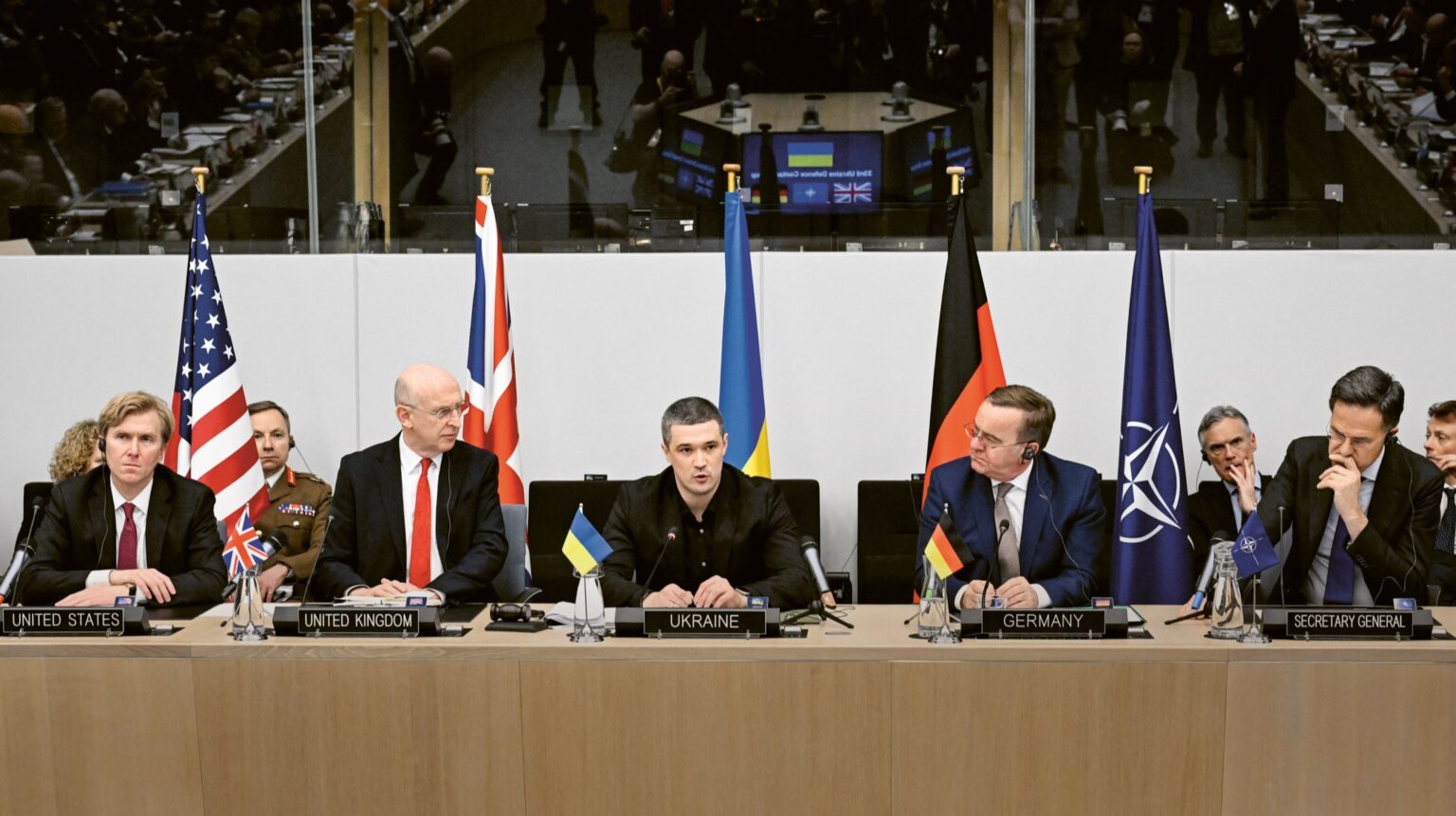
‘Europe should field the preponderance of the forces required to deter and, if necessary, defeat conventional aggression in Europe. A strategy that pretends the United States can indefinitely serve as the primary conventional defender of Europe while also carrying the decisive burden everywhere else is neither sustainable nor prudent.’
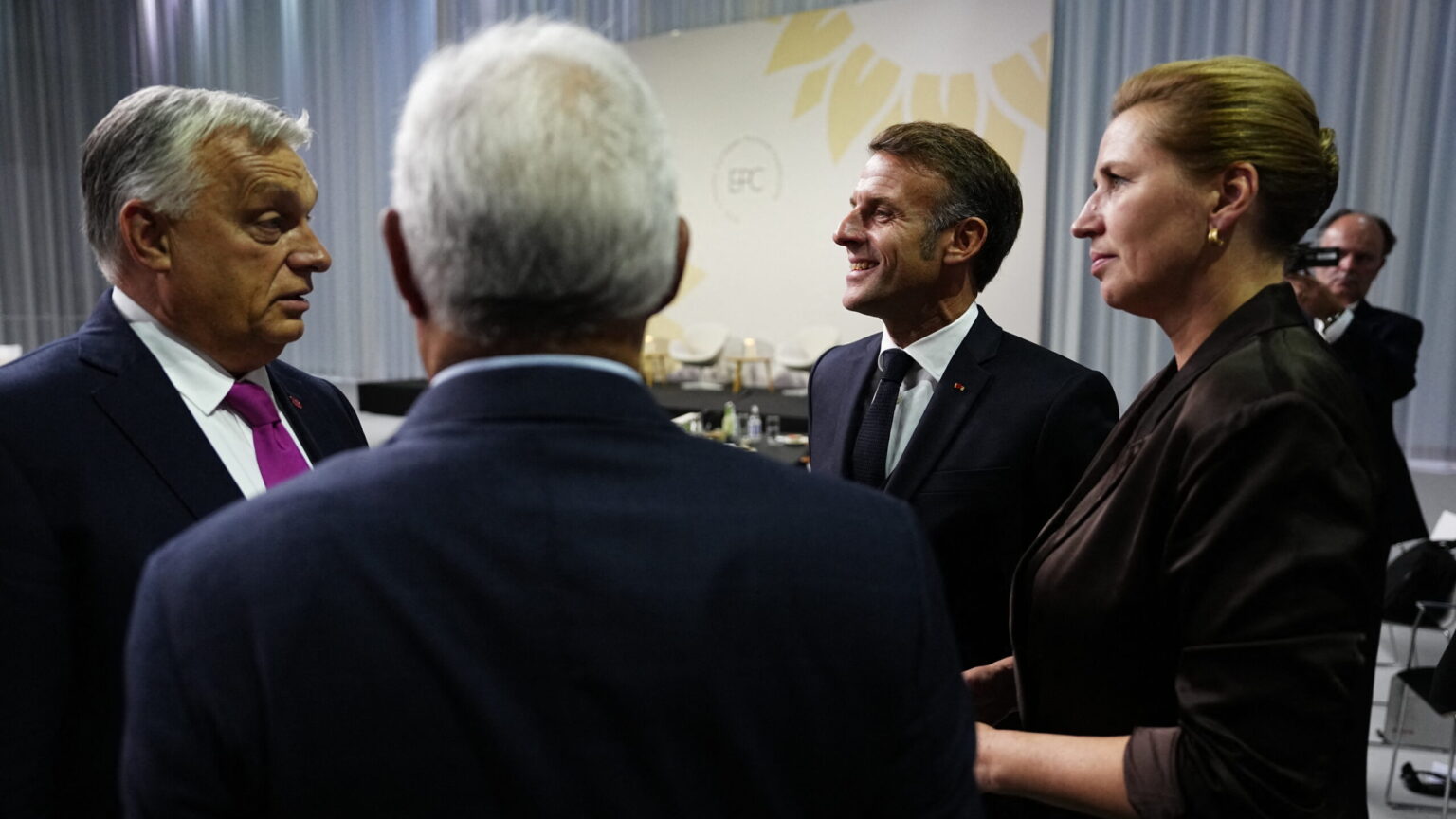
Viktor Orbán’s fall was expected to make EU sanctions on Russia easier to approve. Instead, negotiations over the 21st package have exposed how Hungary’s resistance often shielded other capitals with objections of their own, as Greece, Austria, Bulgaria, Italy, France and Germany pushed to exclude certain measures, including some areas once portrayed as uniquely pro-Russian.
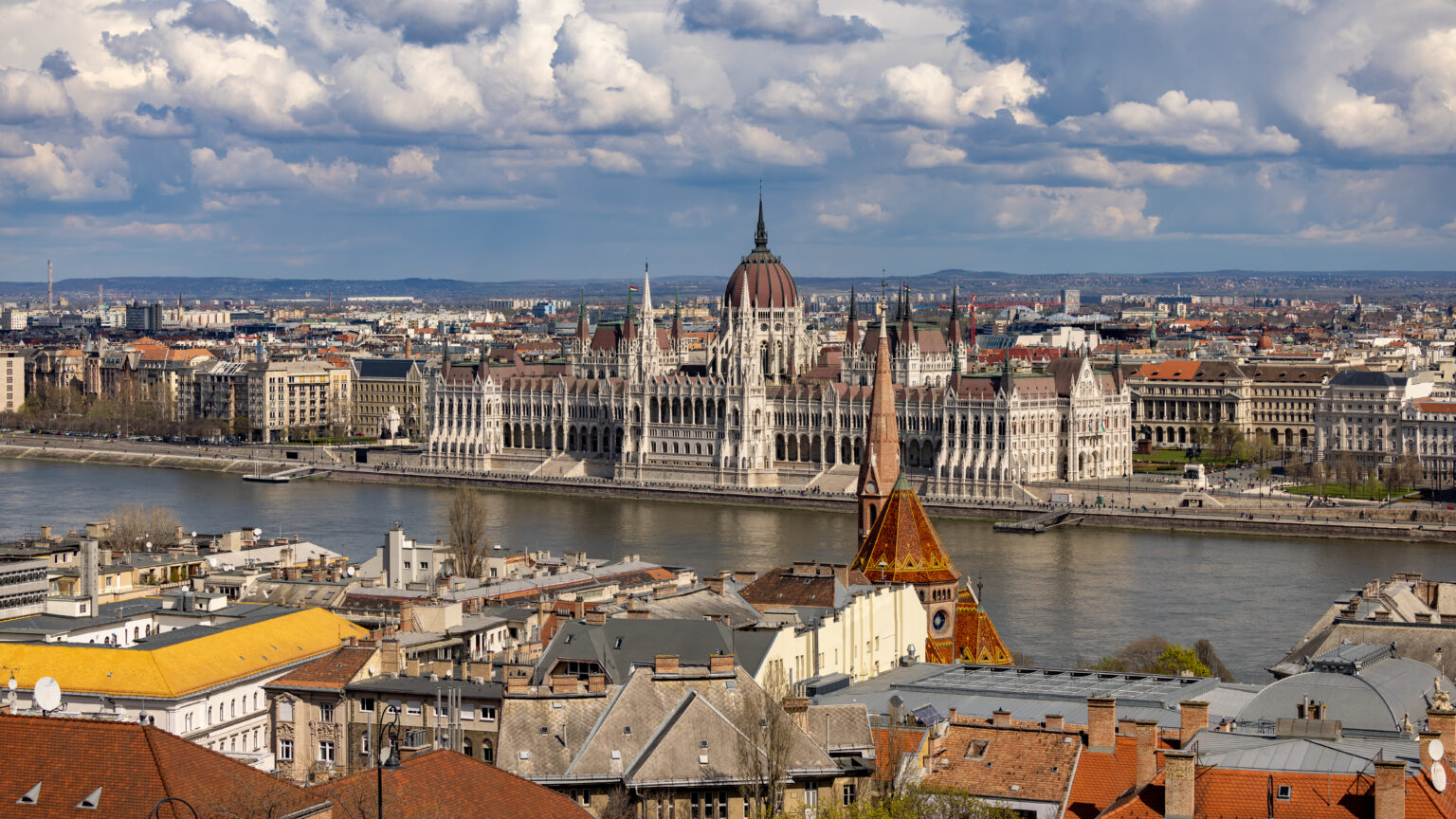
The Hungarian government has requested an extraordinary parliamentary session for next Monday and Tuesday to debate and vote on eight legislative proposals, including measures on railway reform, energy policy, asset recovery and the disclosure of communist-era state security records.
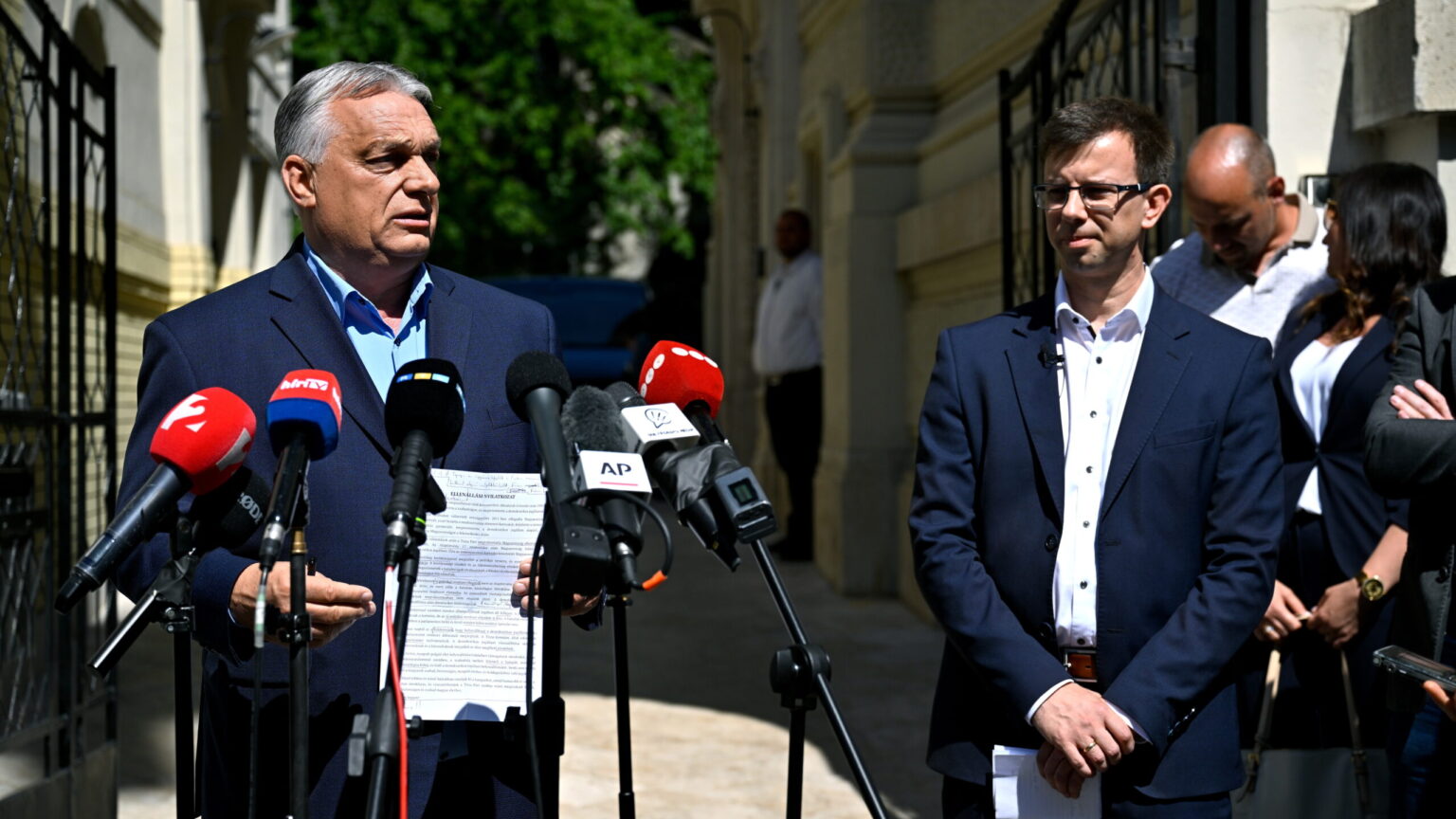
Former prime minister Viktor Orbán accused Péter Magyar’s government of constructing an ‘illegitimate authoritarian system’ as Fidesz unveiled a ‘Declaration of Resistance’. Orbán said he would outline the next steps in his annual Tusványos speech.

‘One of the most important messages from the 2026 NATO summit in Ankara is that cooperation no longer depends on a single political actor or that actor’s political will but has evolved into an institution capable of adapting and emerging stronger from any internal disagreements within the alliance.’

The Trump administration is bringing back the ‘public charge’ rule, allowing US immigration officials to consider a broader range of public benefits an incoming immigrant might apply to receive when evaluating green card applications. The policy, reversed by the Biden administration in 2021, is set to take effect in September.
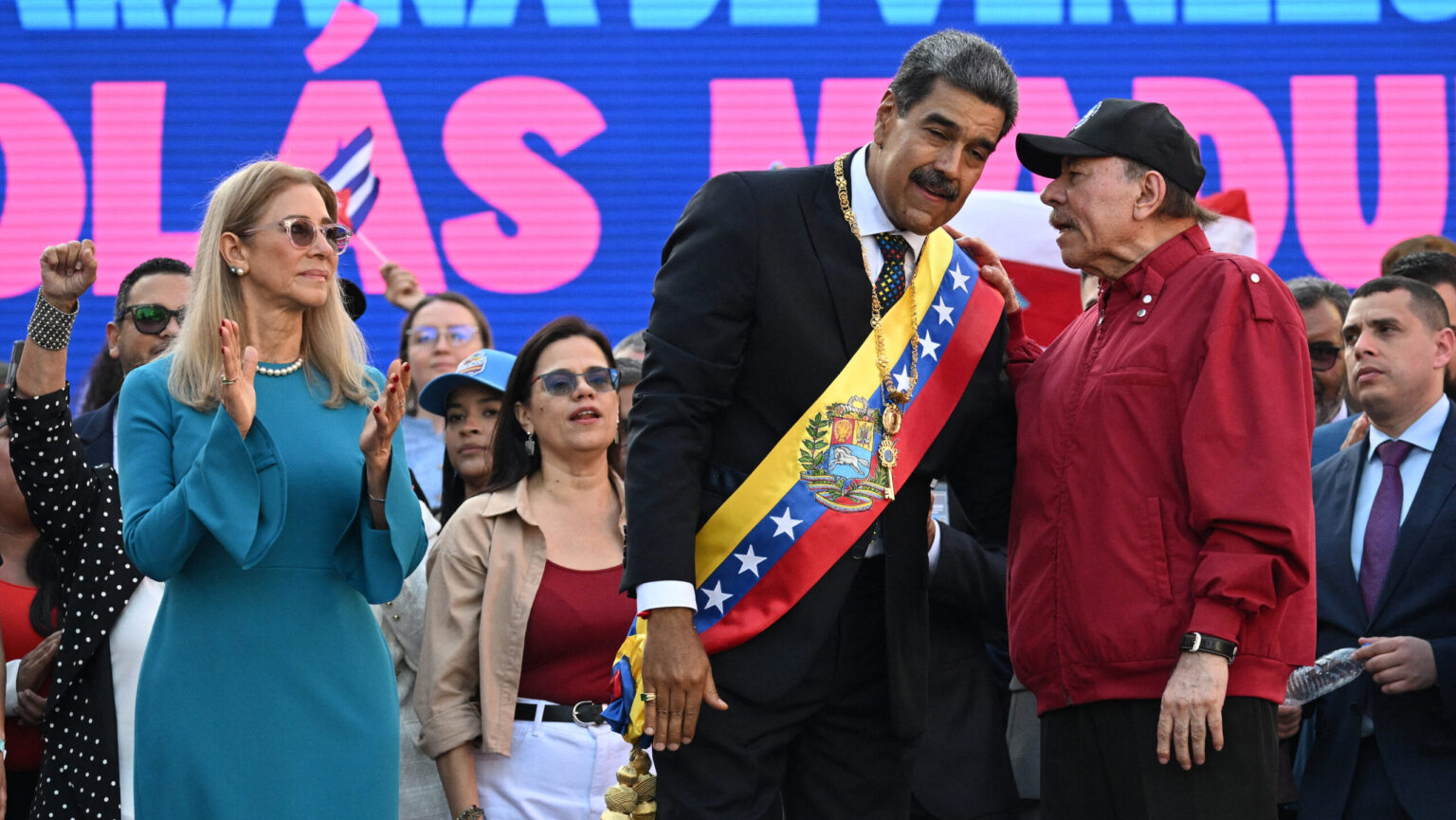
In a speech marking the anniversary of the Sandinista revolution, Daniel Ortega declared that Nicaragua will no longer hold elections capable of removing his regime. While the announcement formalizes a political reality long evident in practice, it also raises a broader question: whether Donald Trump will treat Managua as the next major test of his hemispheric doctrine, alongside Venezuela and Cuba.

At a time when public debate is increasingly polarized and superficial, Hungarian Conservative remains committed to depth and independent thought.
Donate Now
Please consider supporting our mission.