











Spain have won the second FIFA World Cup title in their history. Just like in 2010 against the Netherlands, they won the Final 1–0 after extra time, this time against defending World Champions Argentina. Ferran Torres delivered the winning goal in the 106th minute.
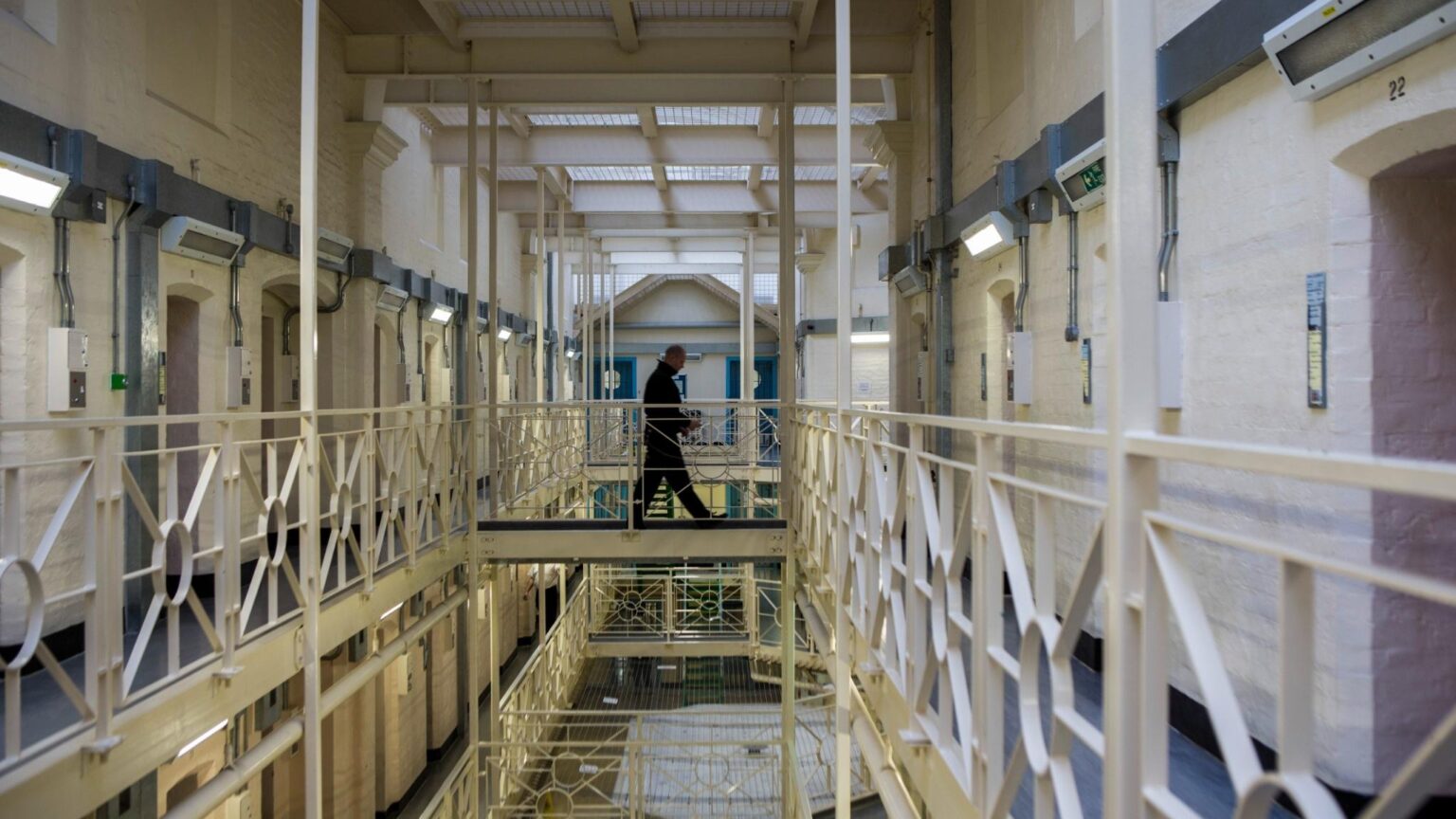
Labour’s new early-release scheme could allow 2,462 convicted sexual offenders, including more than 100 rapists serving sentences longer than 15 years, to leave prison sooner. Ministers say the policy is needed to stop prisons running out of space by November, while critics accuse Labour of putting victims and the public at risk to cover up its failure to expand capacity.
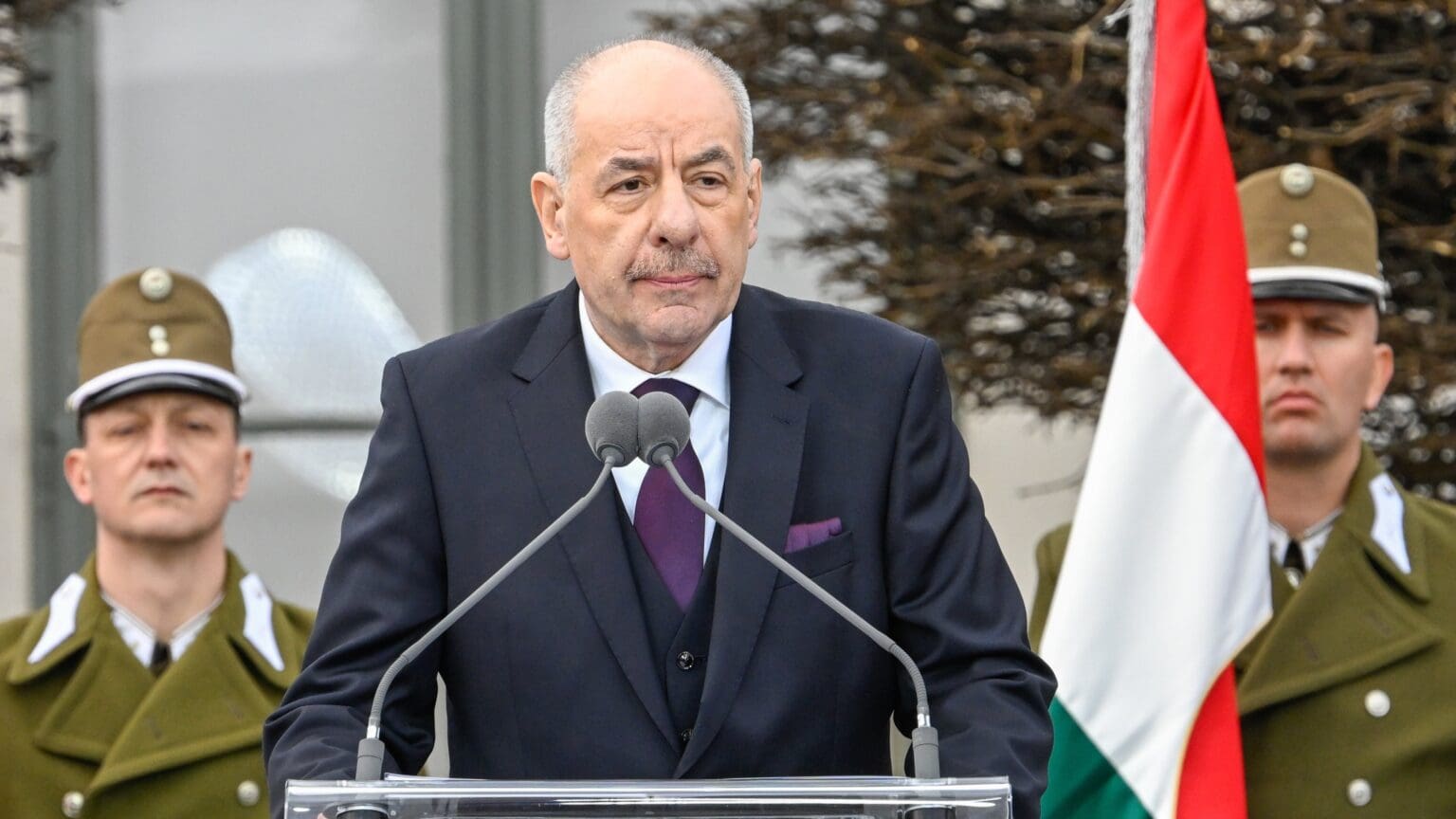
President Tamás Sulyok of Hungary has signed the 17th amendment to the Fundamental Law, thus ending his own tenure. The constitutional changes take effect on 19 July, with Sulyok leaving office the following day. He said he had no legal means to challenge the amendment despite his objections.

For the first time in World Cup history, the reigning European champions are taking on the reigning South American champions, Spain vs Argentina. This match-up was set to take place in March in Qatar, but was ultimately cancelled due to the Iran war. Argentina can become the first nation to defend the World Cup title since 1962.

Clips of Christopher Nolan’s The Odyssey were leaked online before the previews and were widely mocked online. However, despite all that negative attention, the film still brought in a whopping $15 million on its preview night on Thursday, the best preview showing for any live-action movie released this year.

Pakistan has refused to accept Shabir Ahmed, the convicted ringleader of the Rochdale grooming gang, arguing that the 73-year-old was raised, ‘groomed’ and ‘spoiled’ in Britain. Restore leader Rupert Lowe blasted the refusal, demanding sanctions, a suspension of Pakistani immigration, remittance taxes and an end to UK aid until Islamabad accepts deported criminals.
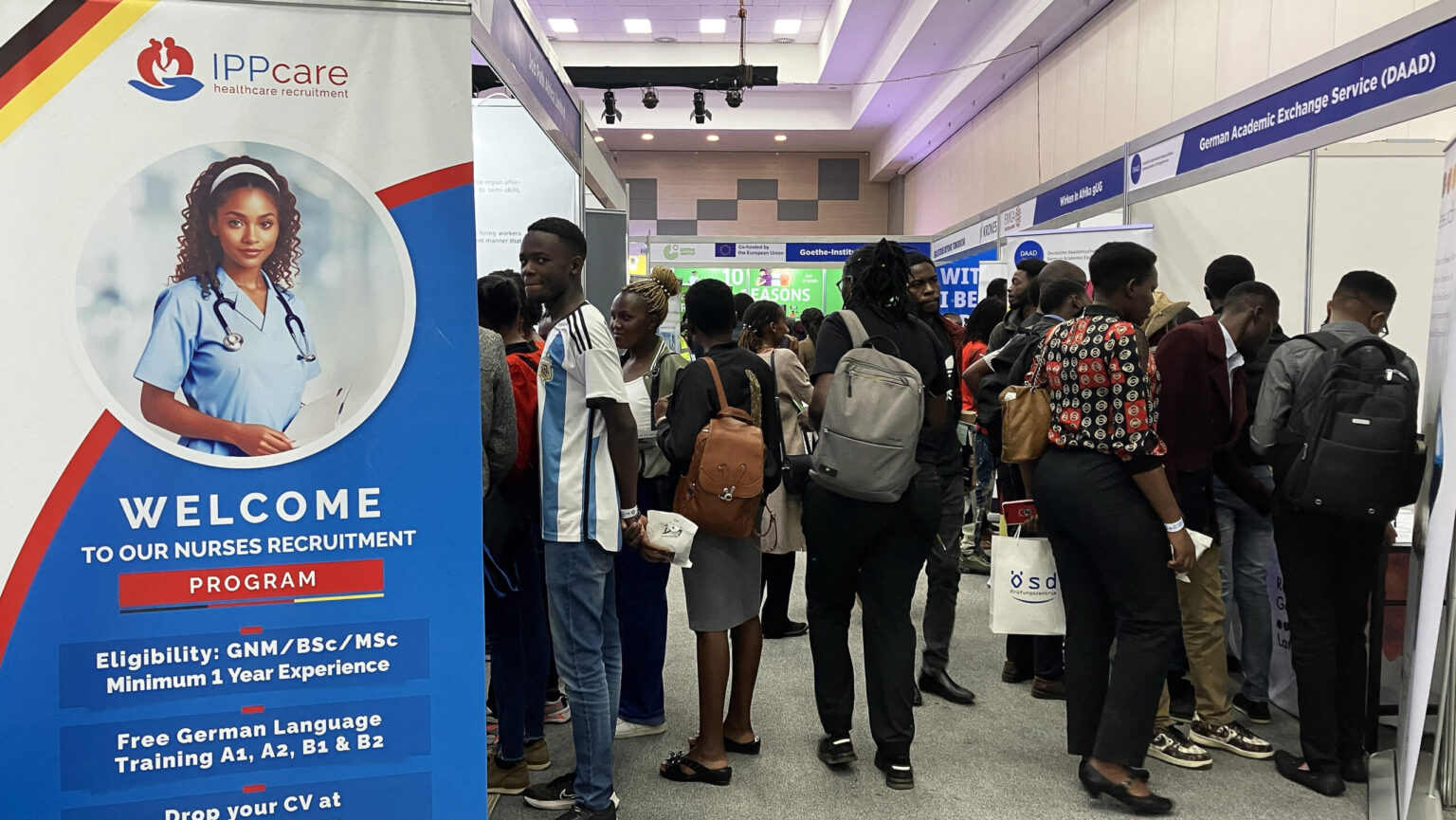
The EU’s third Demography Report places migration at the centre of Brussels’ response to Europe’s ageing population and shrinking workforce. While Commissioner Dubravka Šuica called migration a ‘necessity’, evidence suggests labour schemes multiply family arrivals, deepen fiscal burdens, and accelerate permanent settlement rather than relieve pressure on welfare and the economy.
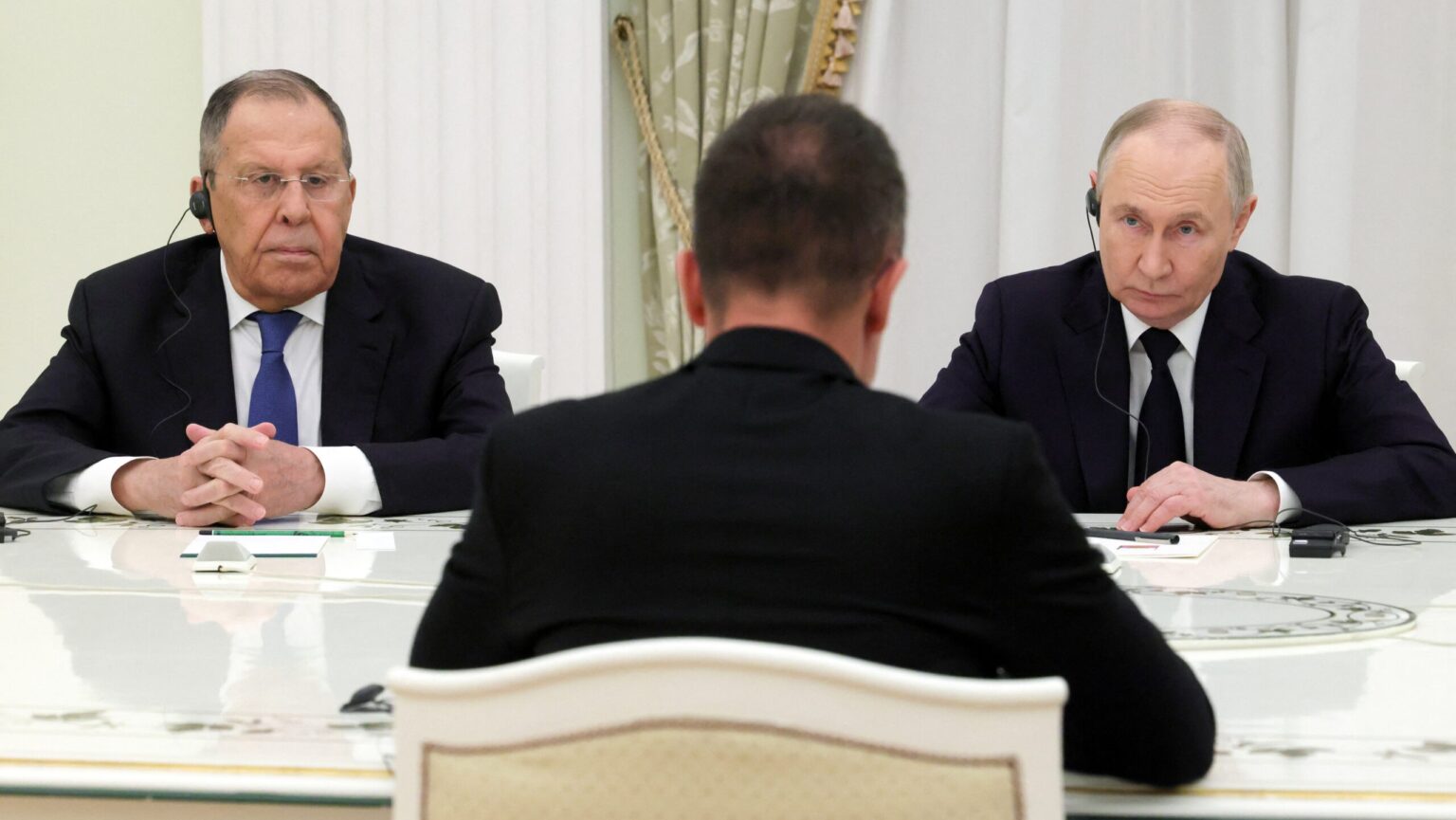
Former foreign minister Péter Szijjártó is under mounting pressure after Péter Magyar confirmed an investigation into his Russia ties and classified ministry documents. The probe revives allegations that Szijjártó briefed Moscow on EU negotiations, while his immediate move into BYD’s global leadership has fuelled suspicions that years of pro-China policy were rewarded with a corporate post.

Hungarian cup title holders Ferencváros beat out the Serbian side FK Vojvodina in UEFA Europa League qualifying with back-to-back wins home and away and an impressive 5–1 score on aggregate. Hungarian champions ETO FC Győr, however, fell short against their Icelandic counterparts Vikingur Reykjavík.
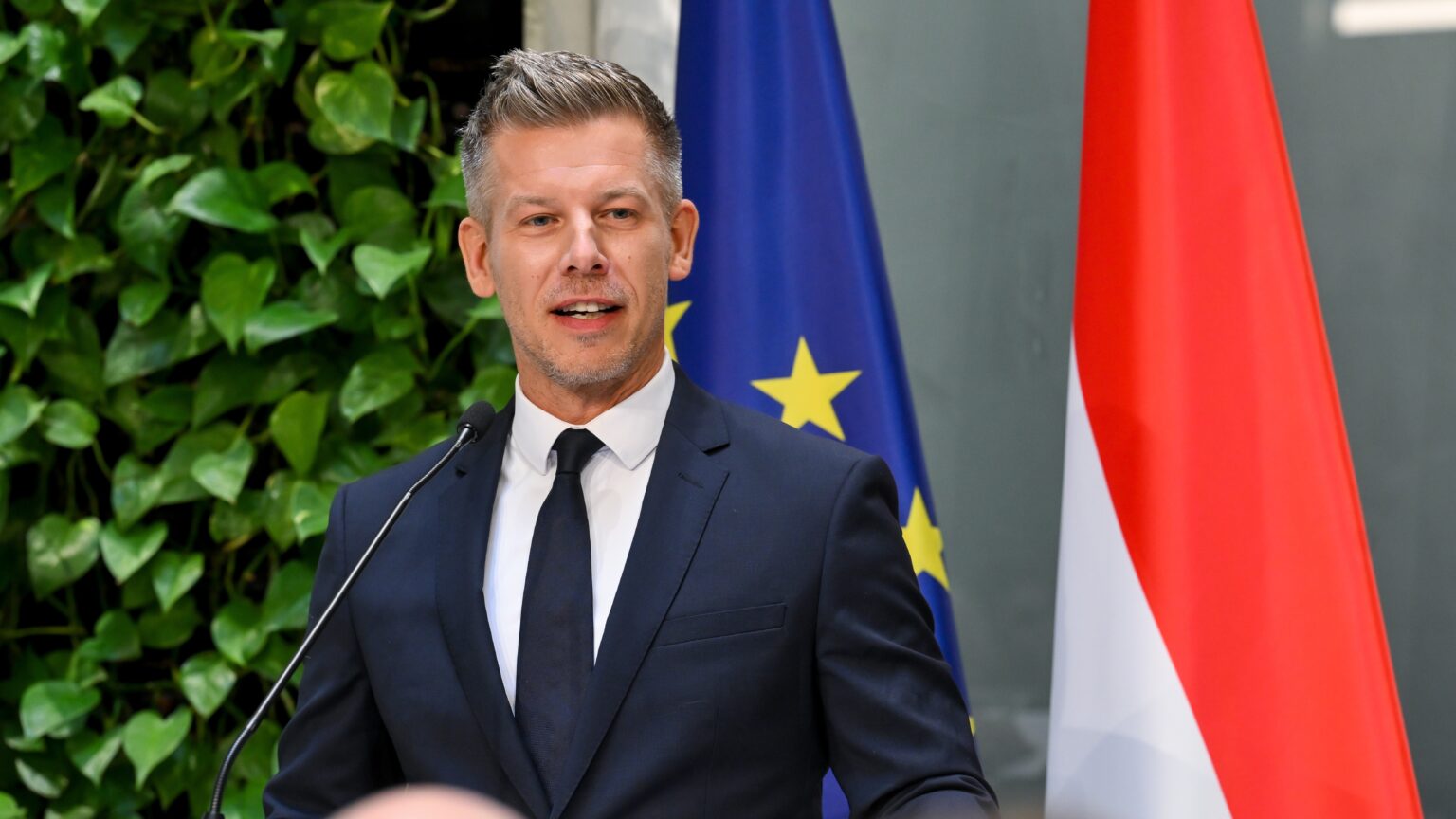
The Hungarian government has approved the first draft of a comprehensive rural development programme and is preparing a major railway modernization plan financed largely with EU funds. Prime Minister Magyar Péter also announced new public consultations on road safety, expanded hospital air-conditioning upgrades and a 30-day public security operation in Budapest.
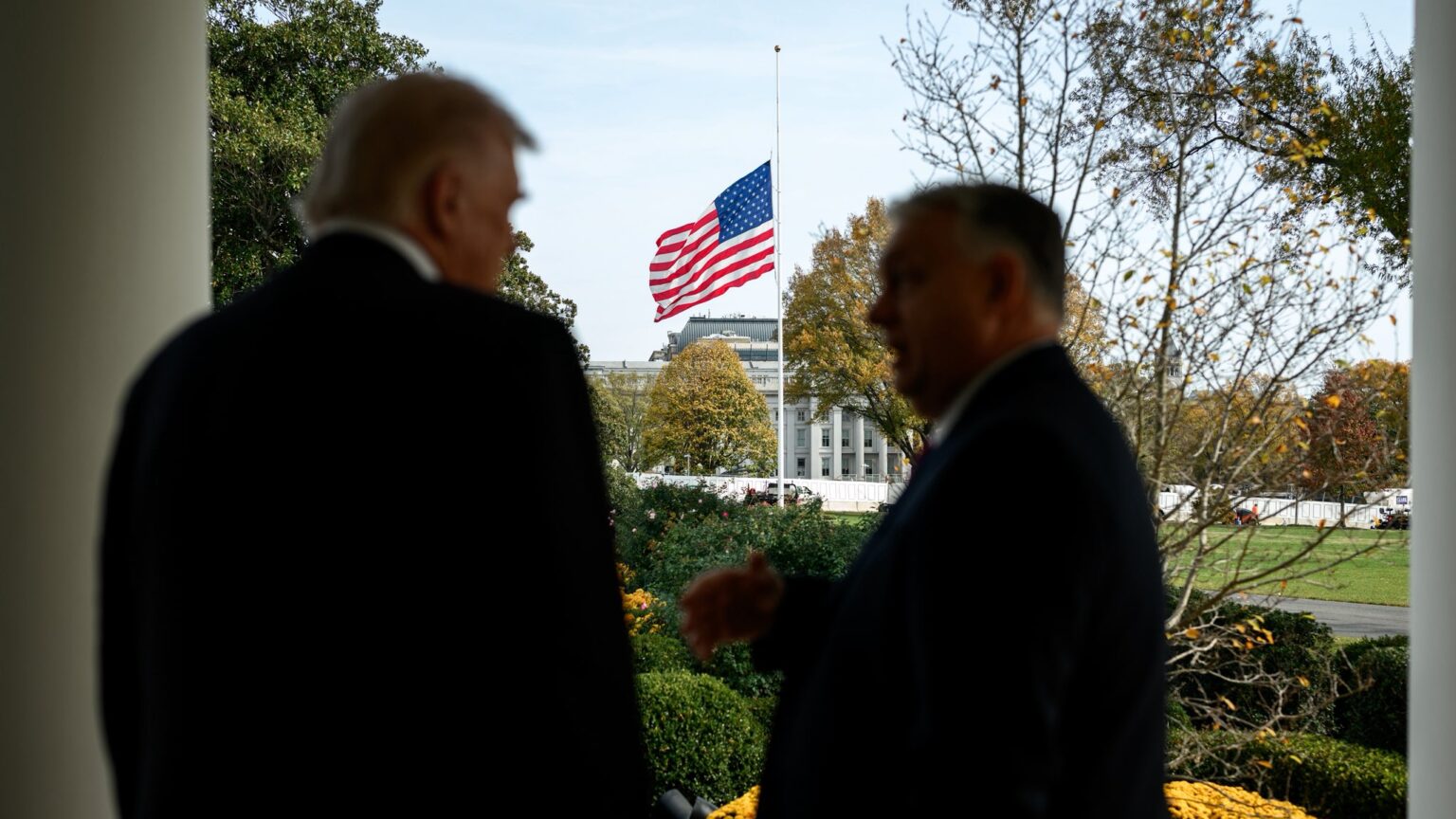
Fidesz communications director Bertalan Havasi denied that Viktor Orbán would meet Donald Trump during his US visit, dismissing claims by MP Zsolt Németh. The contradictory statements came as Orbán attended the World Cup while Fidesz faced resignations, internal criticism, and what analysts increasingly described as the beginning of the party’s ‘formal disintegration’.

In their newly updated manifesto, the Democratic Socialists of America not only calls for the abolition of the Senate and Electoral College, but also proclaim ‘comfortable housing’ as a human right that they pledge the government would provide to all residents under their governance.

The Trump administration has opened a State Department grant programme offering up to $3 million for European projects on free speech, sovereignty, migration, democratic resilience, and ‘civilizational self-confidence’. The scheme translates Washington’s 2025 National Security Strategy into direct support for civil-society work, prompting renewed European accusations of political interference.

Belgian police blocked Finnish MEP Sebastian Tynkkynen from entering the European Parliament for nearly an hour as Save Europe Act organizers tried to deliver more than half a million signatures. The confrontation followed a last-minute court victory over a protest ban, turning the remigration campaign’s Brussels rally into a direct clash with EU institutions.
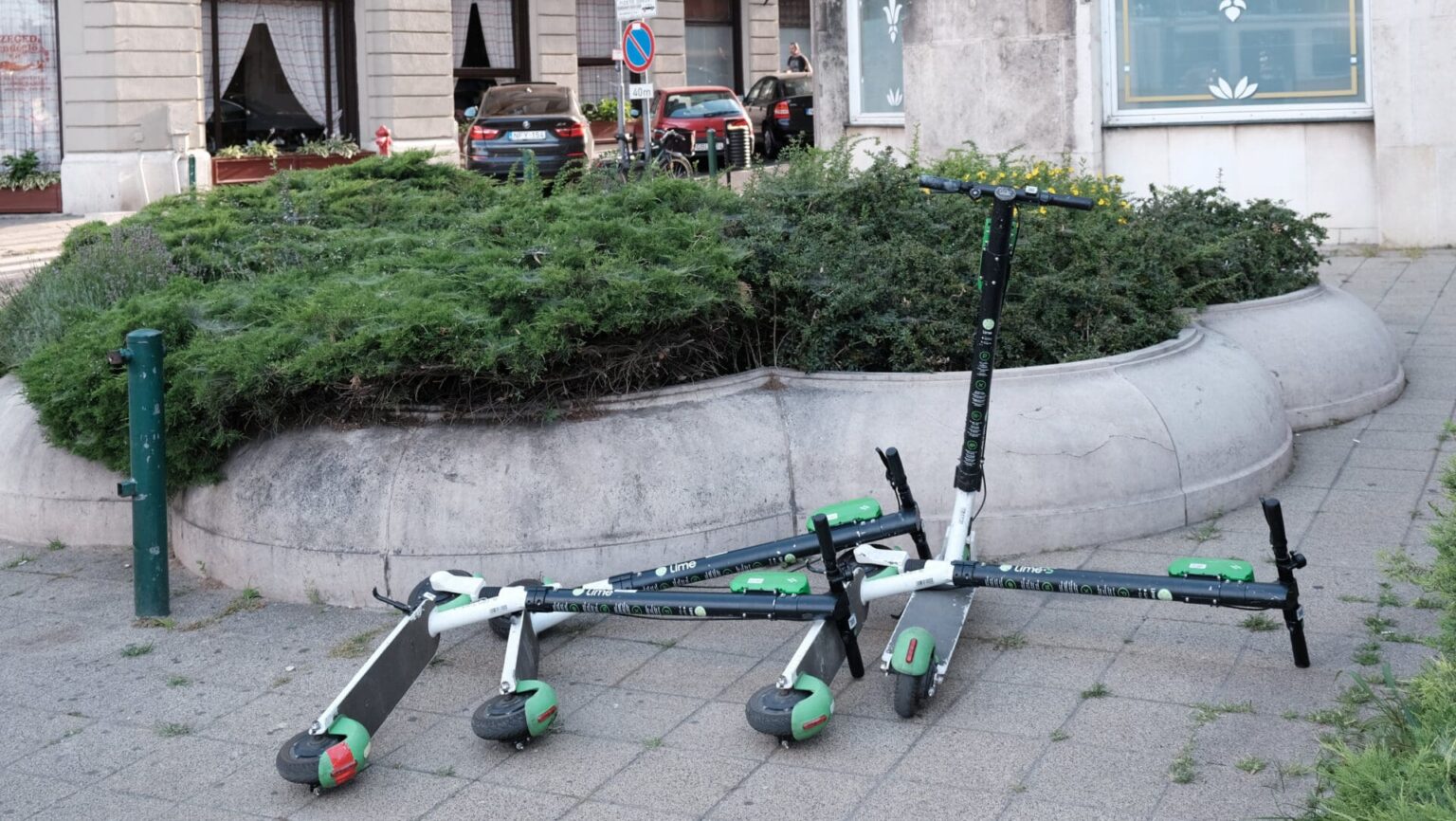
Germany recorded a sharp increase in e-scooter accidents involving injuries in 2025, with both fatalities and serious injuries rising compared with the previous year. Official statistics show that younger riders accounted for the vast majority of those involved in the crashes.
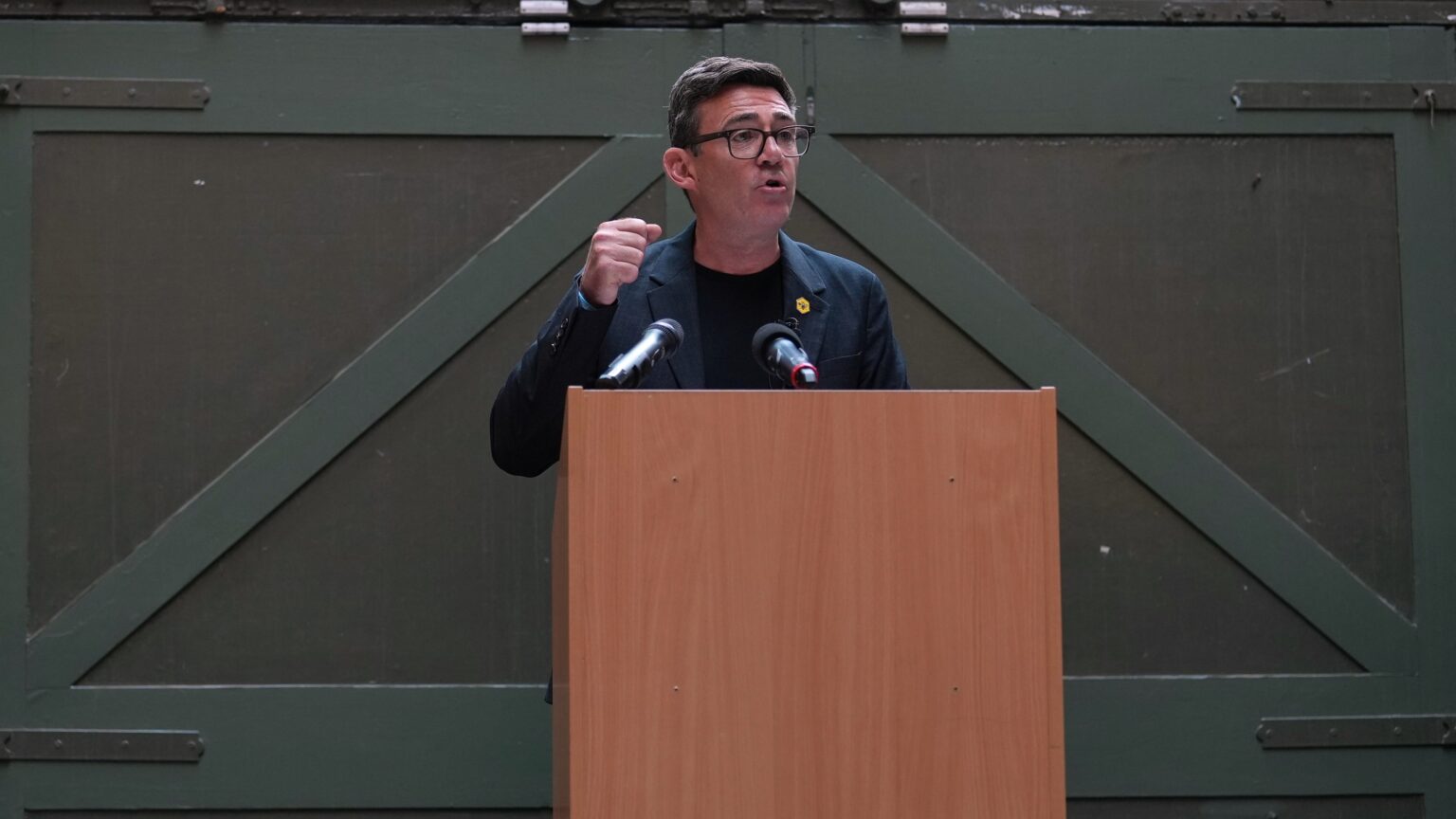
Andy Burnham has been confirmed as the new leader of Britain’s governing Labour Party after securing overwhelming backing from MPs and affiliated trade unions. He is expected to become the UK’s next prime minister on Monday, replacing Keir Starmer.

Former Hungarian foreign minister Péter Szijjártó resigned from Parliament to join BYD’s international leadership, ending a 24-year political career closely tied to Viktor Orbán’s Eastern Opening policy. Prime Minister Péter Magyar said that Szijjártó had ‘long represented foreign interests’ and alleged that the appointment rewarded years spent promoting BYD and Chinese interests in Hungary.

Right-wing YouTuber Craig Houston was detained and had his electronic devices seized by Police Scotland at the Glasgow Airport as he was returning from a holiday in Greece. He is a member of the Restore Britain Party and a vocal critic of mass migration into the United Kingdom.
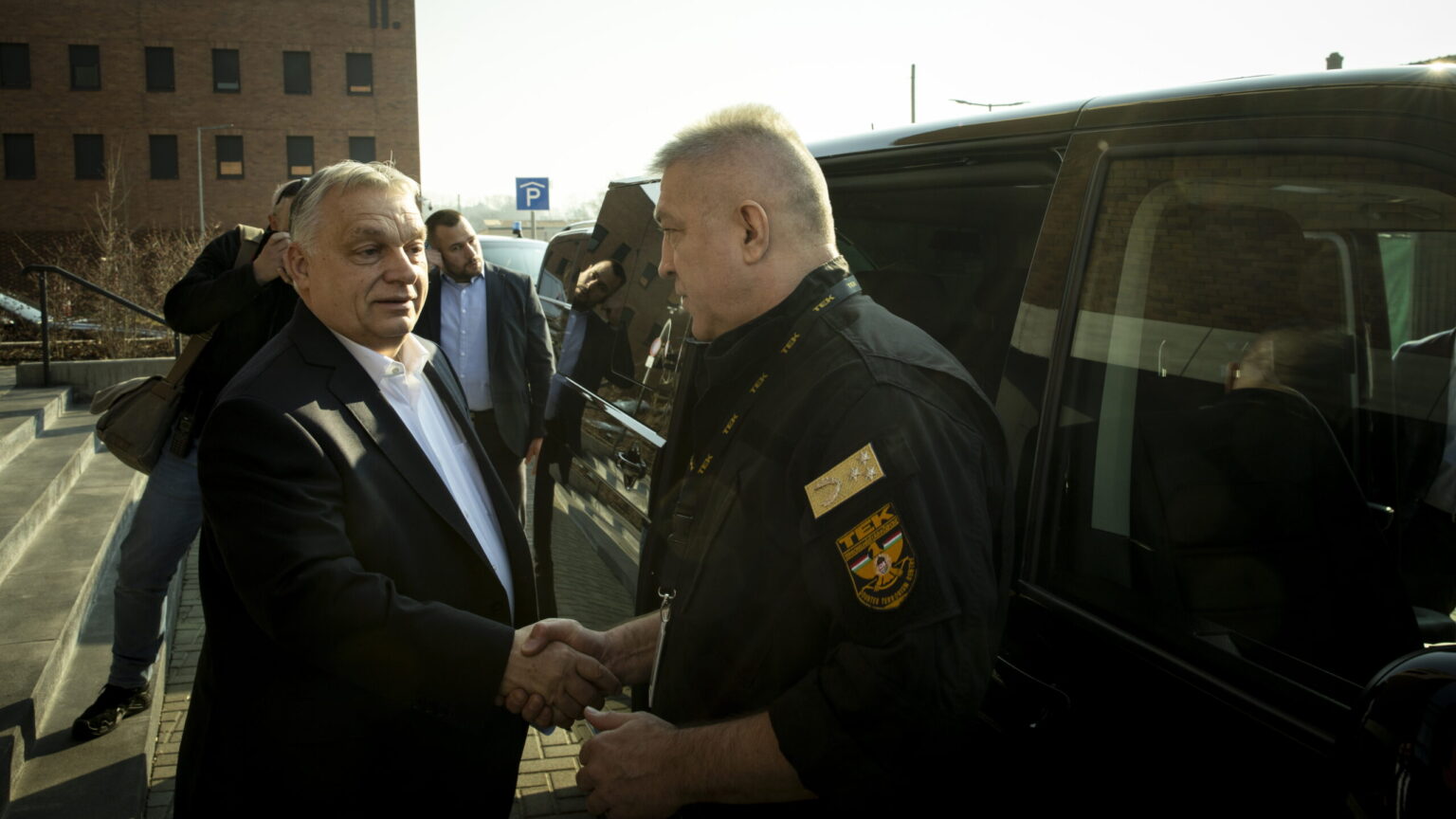
Traders on Polymarket are assigning roughly a one-in-six chance that former Hungarian prime minister Viktor Orbán will be arrested or detained before the end of 2026. The market reflects growing pressure after the new government led by Péter Magyar launched ‘Operation Purgatory’ and, more directly, the Ukrainian ‘gold convoy’ case, where prosecutors are examining whether Orbán had any role.

‘It’s legitimately scary. I decided that my mental health is degrading so substantially being here that I just need to get out. The situation we have in the US as a trans person [is] not good. But here, I will be hurt or killed,’ a trans woman who fled the United States and was placed in a refugee camp with muslim men told a Dutch news programme in a clip shared on X.

Hungary’s residential property market lost momentum in the first half of 2026 as high prices weighed on affordability, leading to fewer transactions and slower price growth. According to Duna House, first-time buyers accounted for a growing share of purchases while investors increasingly exited the market.

Transport and Investment Minister Dávid Vitézy has dismissed MÁV board chairman István Lepsényi and board member László Parragh, while the remaining board members have resigned. The government says a new board will be appointed soon as part of efforts to modernize Hungary’s railway system.
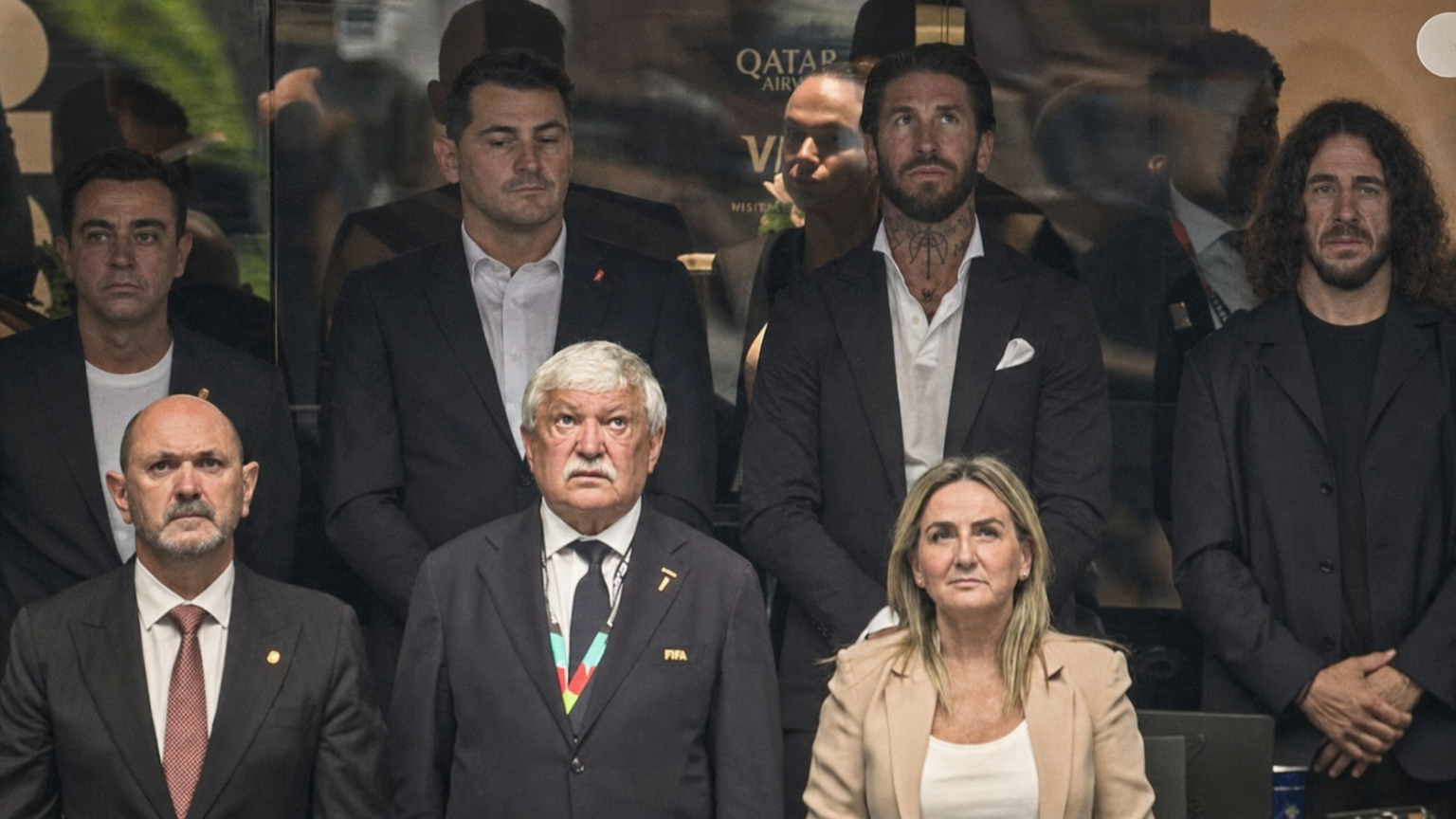
MLSZ President Sándor Csányi appeared on live television alongside Spain’s golden generation as La Roja reached the World Cup final with a 2–0 victory over France. The match already carried unusual political resonance for Hungarian viewers, with Viktor Orbán in the US for the tournament while the new government removed President Tamás Sulyok from office and Fidesz faced a deepening internal crisis.

Hungary’s construction sector suffered a sharp setback in May, with output falling 10.7 per cent year-on-year—the weakest result since January. The decline was driven mainly by a steep drop in civil engineering, particularly road and railway projects, while activity in the first five months of 2026 was also down.
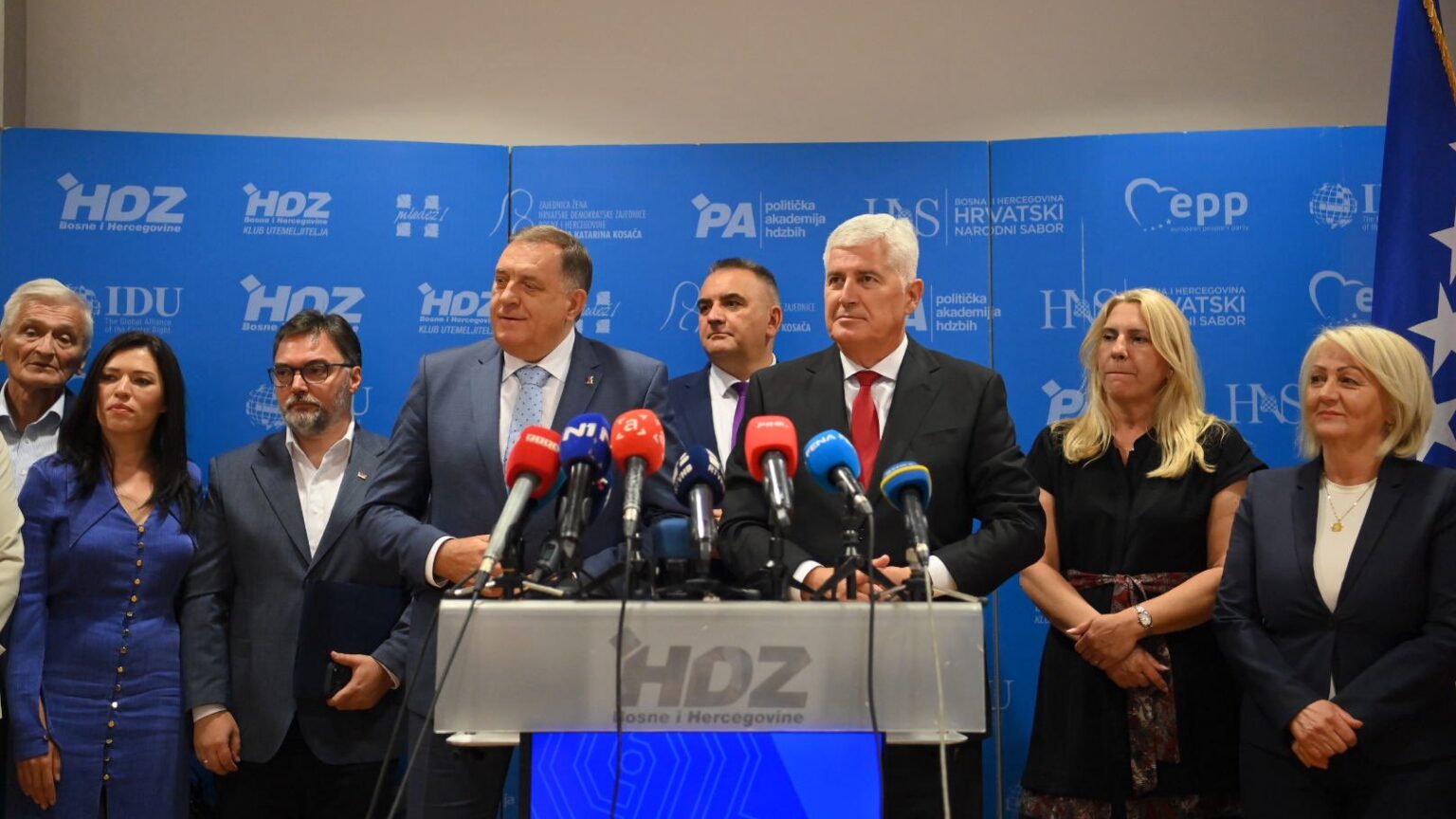
Bosnia and Herzegovina’s constitutional order faces pressure from two directions after international envoys failed to choose a new High Representative. The US–EU dispute over the office’s future is weakening Dayton’s external safeguard just as Milorad Dodik and Dragan Čović coordinate efforts to overturn OHR decisions and strengthen Serb and Croat autonomy within BiH.

Ixelles Mayor Romain De Reusme has banned a demonstration linked to the Save Europe Act campaign outside the European Parliament one day before it was due to take place, prompting organizers to launch an immediate legal challenge. The anti-immigration campaign says supporters will still gather in Brussels as it seeks to deliver signatures backing its remigration initiative.
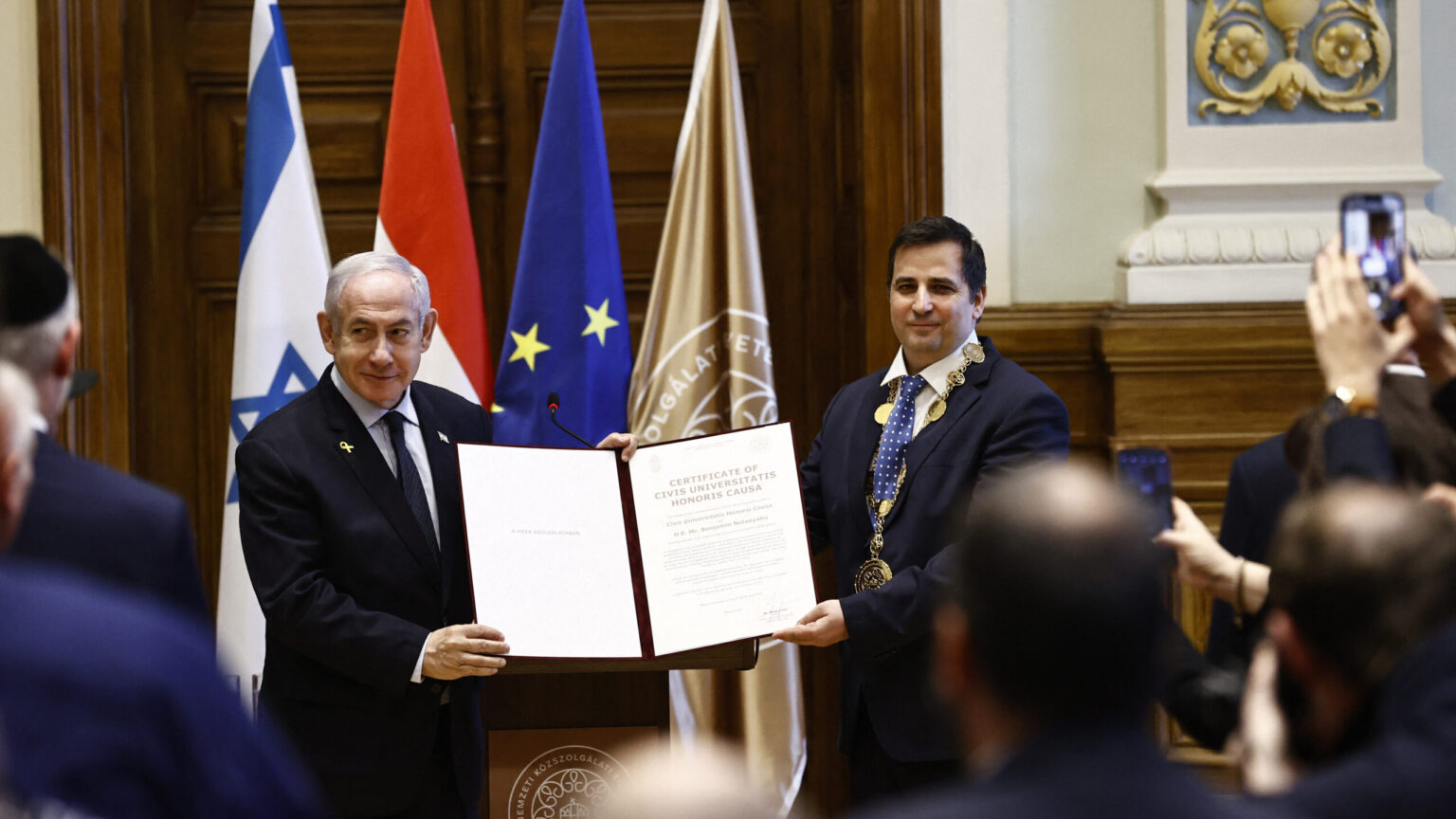
Mossad reportedly spent years cultivating former Iranian president Mahmoud Ahmadinejad as a possible future asset, using closed climate conferences in Budapest to conceal meetings with Israeli intelligence operatives. The Hungarian figure who made the arrangement possible was Gergely Deli, rector of NKE, who knowingly provided institutional cover after being approached by a senior government official.

A 28-year-old Colombian national has been shot and killed by ICE agents while driving his car in their direction during an immigration enforcement operation in Biddeford, Maine. The case has some clear similarities, but also key differences, to the shooting of Renée Good in Minnesota earler this year.
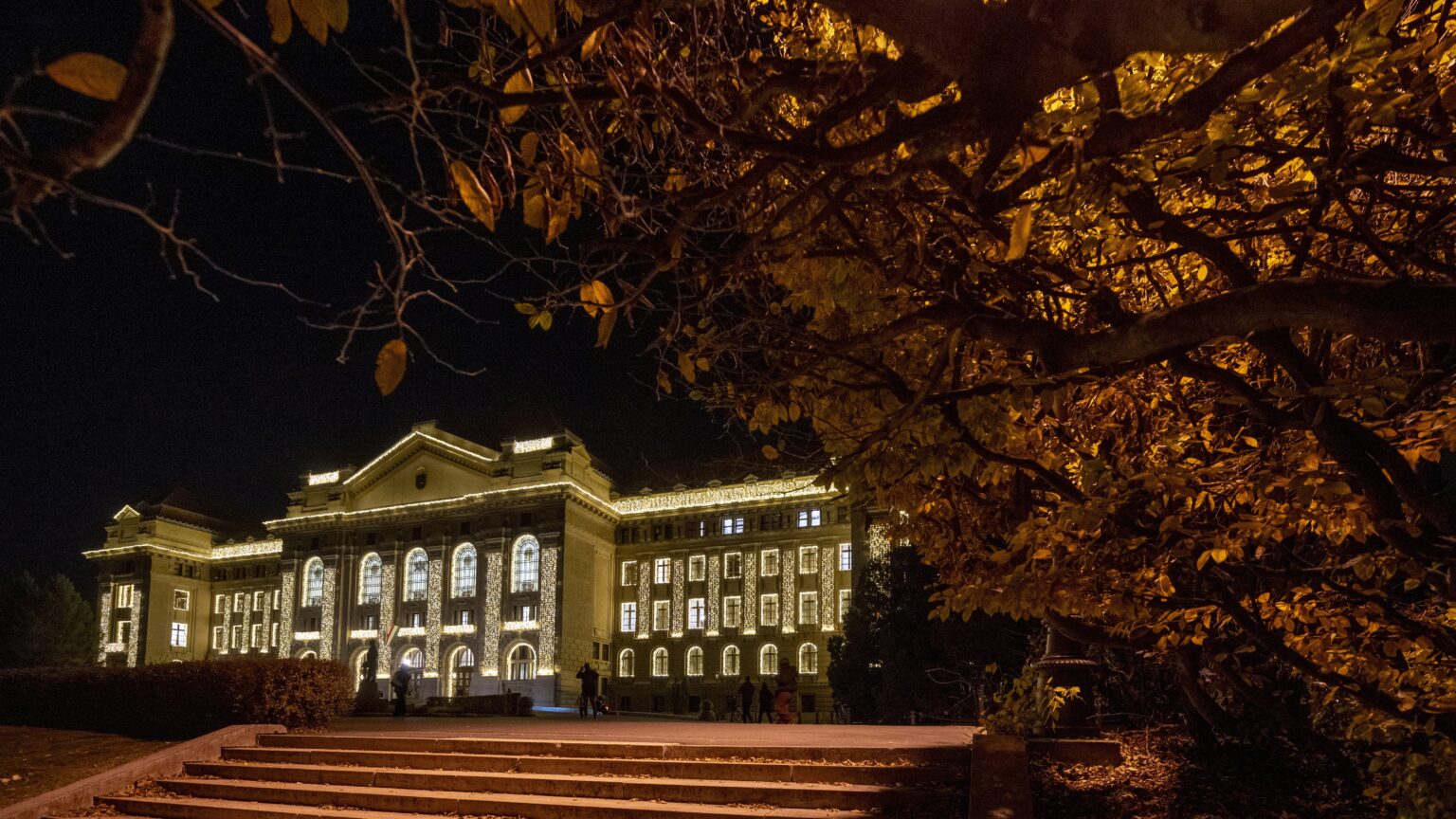
The University of Debrecen has successfully carried out its first minimally invasive video-assisted thyroid surgeries, introducing an advanced technique that reduces tissue damage, shortens recovery time and leaves minimal scarring.
The European Union has yet to reach an agreement on its latest sanctions package against Russia, with several issues still unresolved, EU foreign policy chief Kaja Kallas said ahead of a meeting of foreign ministers in Brussels. She expressed confidence that negotiations would continue with the aim of securing consensus.

At a time when public debate is increasingly polarized and superficial, Hungarian Conservative remains committed to depth and independent thought.
Donate Now
Please consider supporting our mission.