








Violent unrest erupted in Paris after PSG qualified for the Champions League final, leaving 127 people arrested and multiple injured. National Rally leader Jordan Bardella condemned the scenes, arguing that public celebrations are increasingly marked by ‘insults, destruction, and threats’ in today’s ‘new’ France, promising to restore order if elected.

Hungarian broadcaster TV2 will discontinue its long-running news programme Tények as part of a broader restructuring aimed at overhauling the channel’s infotainment and news operations.

After a memorable 5–4 score in France, Paris Saint-Germain and Bayern Munich tied each other 1–1 in the rematch in Munich, Germany. This means that PSG will face Arsenal in Budapest, Hungary in the final, with a chance to become the first team to defend their UCL title since Real Madrid in 2018.

‘The contested Hungarian legislation prohibits exposing children to content that normalizes certain practices, such as transgenderism, sex change, or homosexuality…Other Hungarian laws contain similar provisions…These…were held to be contrary to EU law by the CJEU in its judgment of 21 April 2026, delivered in Full Court, that is, the Court’s most solemn formation.’

Addressing members of the Digital Civic Circles in a letter, Viktor Orbán called on supporters to begin reorganizing the ‘Hungarian right’ following the ‘earthquake-like electoral defeat’. The outgoing prime minister also claimed that Hungary is entering an era of ‘arbitrariness and overreach’ under the incoming Tisza government.

Hungarians, the Danube Institute’s new documentary, premiered in Budapest on 5 May, portraying the nation through self-told personal stories rather than narration. From Holocaust memory and Jewish identity to elite sport, architecture, and Ferencváros fandom, the film weaves diverse personal journeys into a powerful portrait of the Hungarian people.

Two new polls in Germany indicate a sharp decline in support for Chancellor Friedrich Merz’s government, while the Alternative für Deutschland continues its rise nationwide. Surveys by INSA and Forsa show deep voter dissatisfaction and growing openness to an unprecedented CDU–AfD coalition.
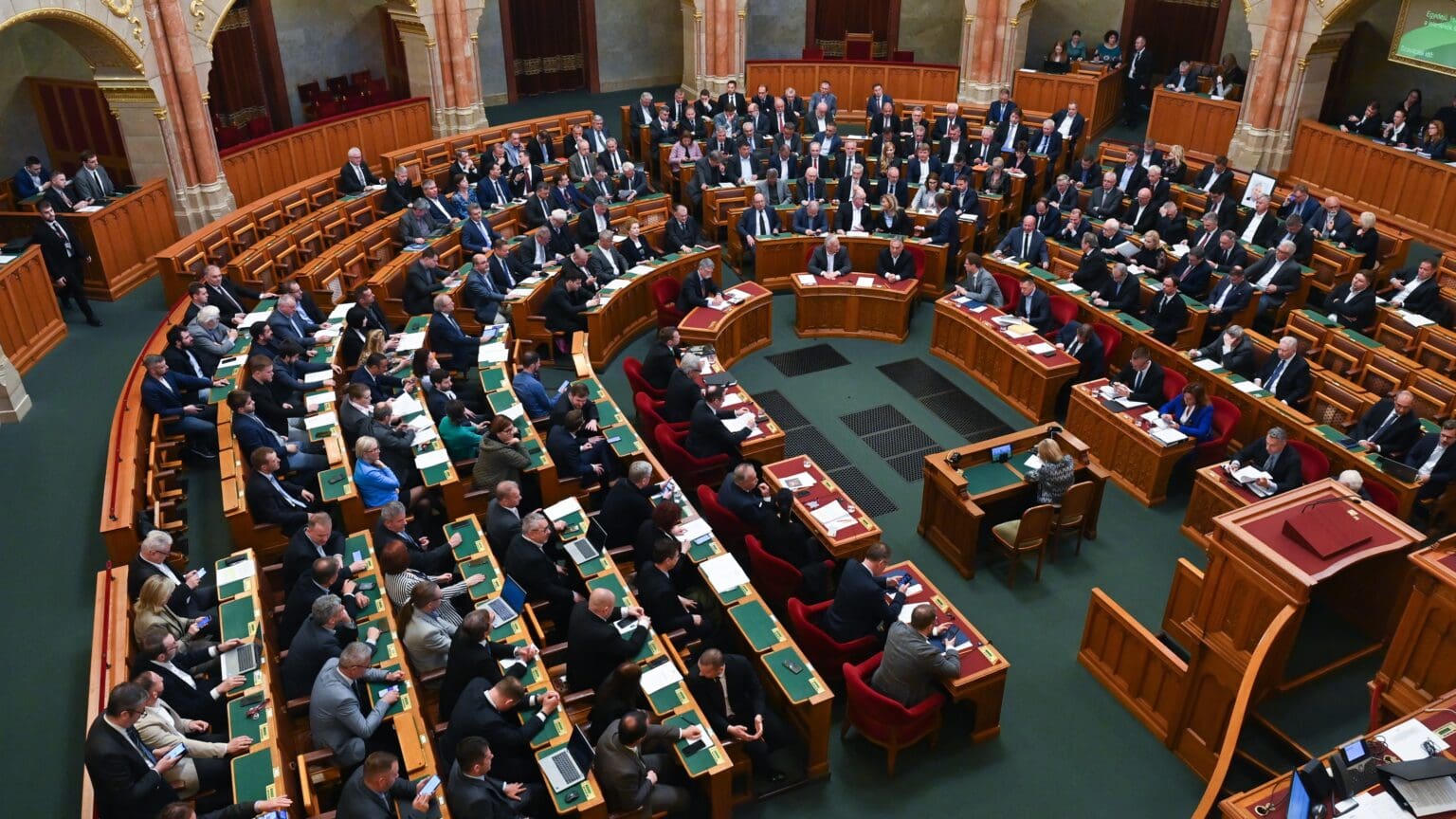
Hungary’s newly elected parliament will convene on Saturday, with Tisza Party leader Péter Magyar expected to be elected prime minister following April’s decisive election victory.

More than 60 Christians were killed when ISIS-linked militants infiltrated a funeral gathering in eastern Congo, disguising themselves as mourners before carrying out a coordinated massacre, according to Amnesty International. The report details systematic violence by Islamist fighters and highlights persistent security failures in the conflict-hit region.

AI-generated deepfake images of Italian Prime Minister Giorgia Meloni have spread widely across social media, depicting her in sexualized ways and prompting sharp online reactions. Meloni condemned the content as ‘politically motivated attacks’, while implicitly reinforcing Italy’s ongoing regulatory crackdown on AI content.

Hungary’s incoming technology minister has outlined plans for a more efficient, transparent and sovereign government IT system, combining central standards with decentralized innovation.

The Hungarian Academy of Sciences elected geologist Mihály Pósfai as its 22nd president on 5 May, placing a highly decorated researcher at the helm of the country’s leading academic body. However, his family ties to incoming Minister of Interior Gábor Pósfai have drawn immediate scrutiny amid ongoing criticism over perceived nepotism around Hungary’s new government.

Can the new government remove the President of the Republic? Does a two-thirds electoral victory give the authority to dismiss public dignitaries? What can an amendment to the Fundamental Law achieve and what are its limits? After the inauguration of Péter Magyar as Prime Minister, a serious public law battle is set to begin.

With their 1–0 win over Atlético Madrid at home in London, UK, Arsenal advanced to their first UEFA Champions League final in 20 years. They will be playing either Paris Saint-Germain or Bayern Munich at the Puskás Arena in Budapest, Hungary, on 30 May.

Alberta’s separatist movement reached a new milestone as organizers announced over 300,000 signatures for an independence petition—far surpassing the legal threshold required to trigger a referendum. Yet even as calls for a vote intensify, deep-rooted structural limitations continue to undermine the feasibility of the province leaving Canada.

PM Narendra Modi of India’s right-wing populist and nationalist Bharatiya Janata Party (BJP) won the state legislative election in West Bengal, a state that Modi had never won in the three general elections in which he was elected Prime Minister by a landslide. In the state of Kerala, the last remaining communist-led state government in India was voted out.

Romania’s parliament has ousted Prime Minister Ilie Bolojan in a decisive no confidence vote, collapsing the pro-EU coalition and plunging the country into political uncertainty. The collapse raises concerns over reform paralysis, investor confidence, and shifting regional power dynamics.
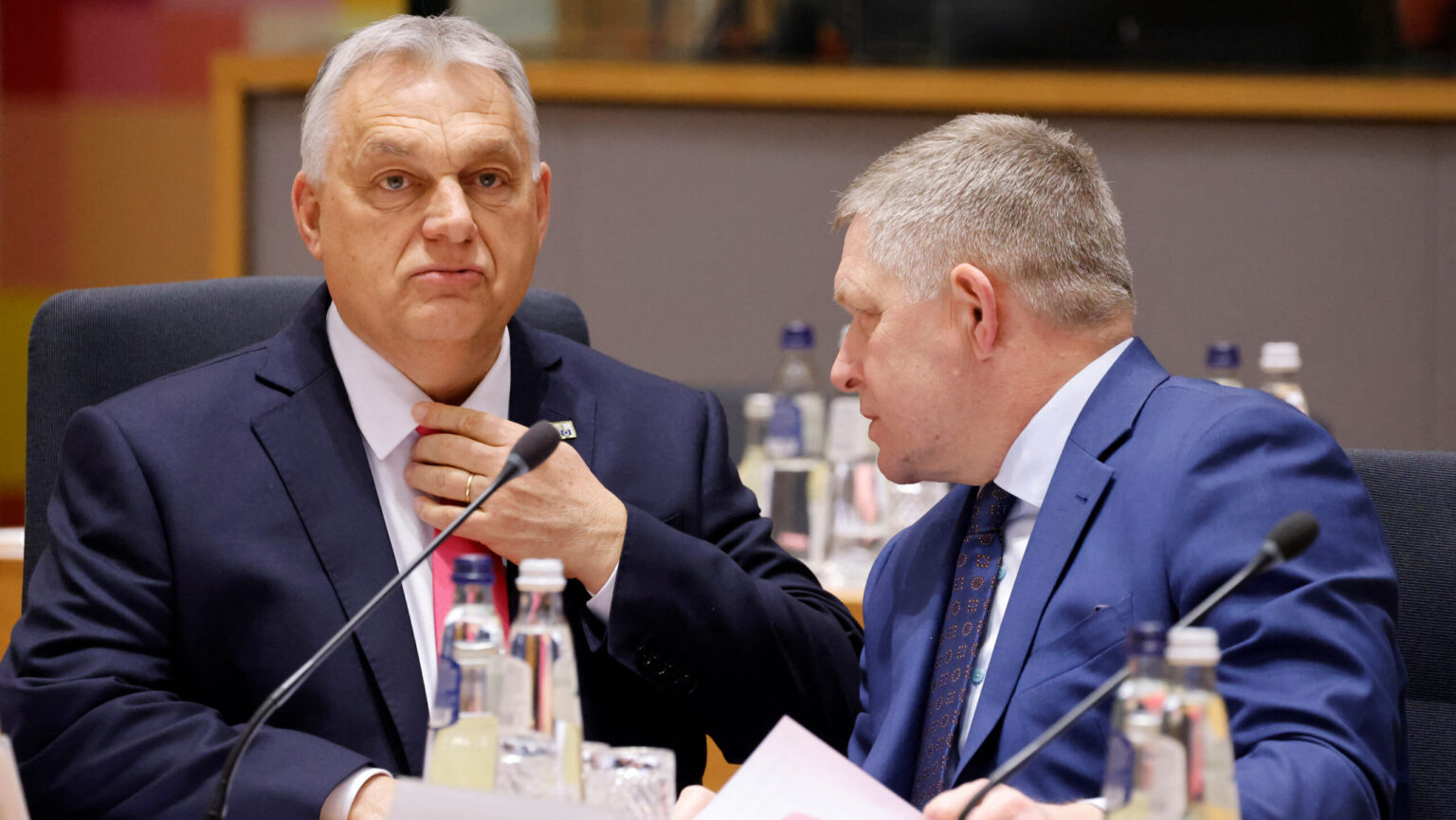
Slovak Prime Minister Robert Fico’s call to revive the Visegrád Four highlights a rapid regional recalibration after Viktor Orbán’s electoral defeat, which stripped him of his closest EU ally. Yet the outreach is already overshadowed by emerging tensions with incoming Hungarian Prime Minister Péter Magyar, particularly over minority rights and the Beneš Decrees.

Hungary’s president has called for new legislation to balance child protection, EU law and constitutional requirements following a recent European court ruling.

The Vatican has published a confidential 2024 letter rejecting German efforts to formalize same-sex blessings, in a move widely seen as a direct rebuke of Cardinal Reinhard Marx’s reform agenda. The release intensifies tensions with the German Church, where structured blessing ceremonies have already begun to take shape.

Hungary’s armed forces have launched the Adaptive Hussars exercise in coordination with NATO drills, focusing this year on command systems and crisis management without large-scale troop movements.

A Canadian court has convicted Innisfil Pride founder Jake Tucker on multiple human trafficking charges, in a case that has sparked controversy due to his prominent role in local LGBTQ activism. The verdict, delivered by a Barrie jury, found Tucker guilty on seven counts related to exploiting two women over several years.

Germany’s SPD, Greens, and Left have announced a coordinated exit from Elon Musk’s X, citing disinformation concerns, in a move that quickly sparked controversy online. Critics argue the identical statements and timing suggest political choreography, while users accuse the parties of retreating from open public debate.

Marking the 235th anniversary of Europe’s first modern constitution, Polish President Karol Nawrocki unveiled plans to prepare a new constitutional framework by 2030. The initiative comes amid ongoing institutional conflict with Prime Minister Donald Tusk’s government.

Husband and wife Christopher and DeYanna Ostroushko, along with their daughter Paige Ostroushko, were captured on camera attacking TPUSA reporter Savanah Hernandez at an anti-ICE protest in Minneapolis, Minnesota. The couple has gone on a ‘media tour’ seeking sympathy after the backlash they have received for their violent action. However, they have been charged in federal court since.

European Commission Executive Vice-President Henna Virkkunen sparked fierce backlash after suggesting that Brussels may need to address VPNs used to bypass the EU’s upcoming age-verification systems. Critics warned that the EU’s expanding digital regulation agenda increasingly resembles China- or Russia-style internet control.
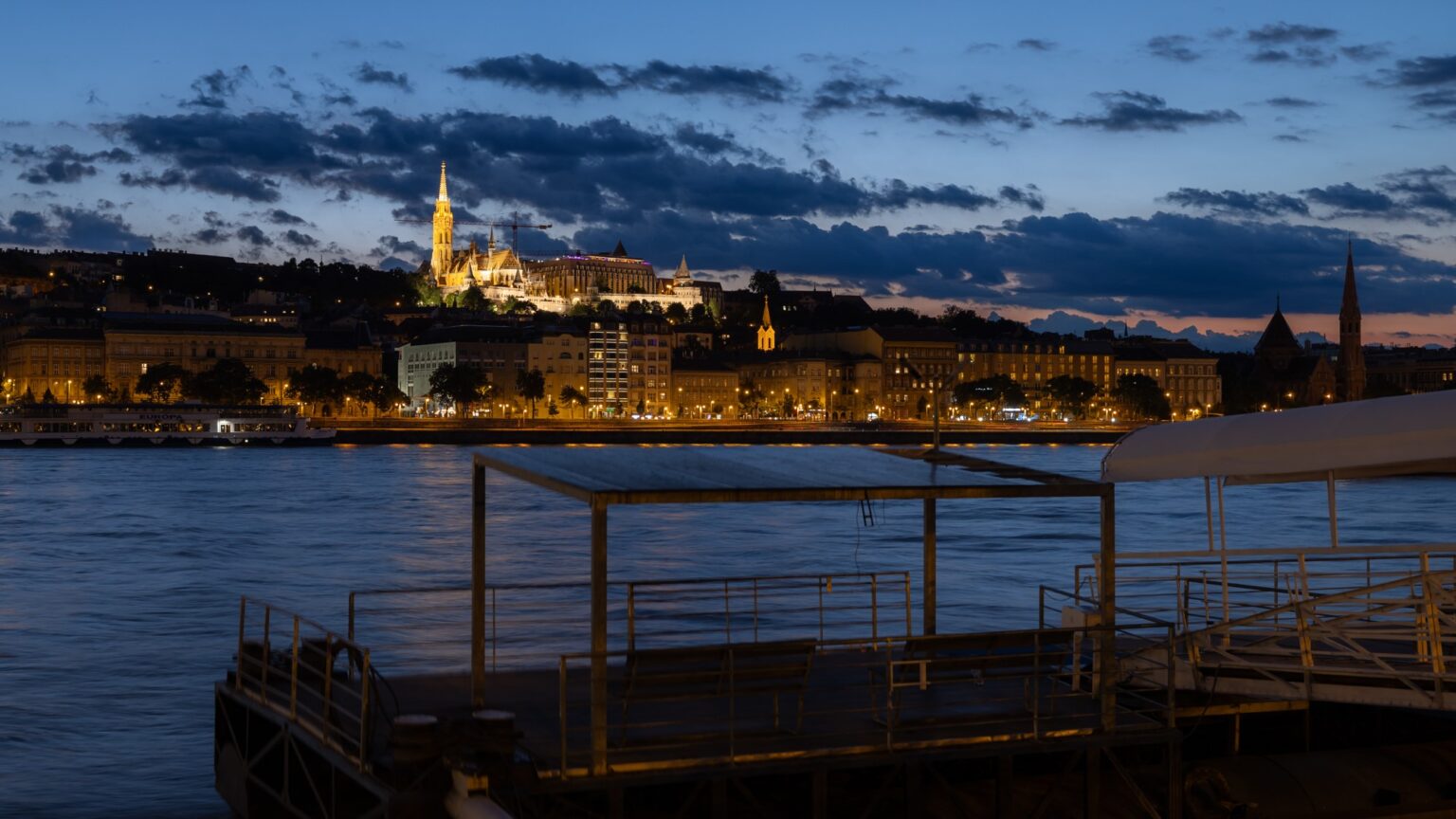
Prime Minister-elect Péter Magyar criticized Budapest Mayor Gergely Karácsony for organizing a concert one day before a planned national celebration marking the new parliament, calling the move inappropriate.

Mel Gibson’s long-awaited sequel to The Passion of the Christ has finished filming, with viral behind-the-scenes photos immediately reviving the powerful visual imagery associated with Christ’s crucifixion. The film is scheduled for release in 2027.
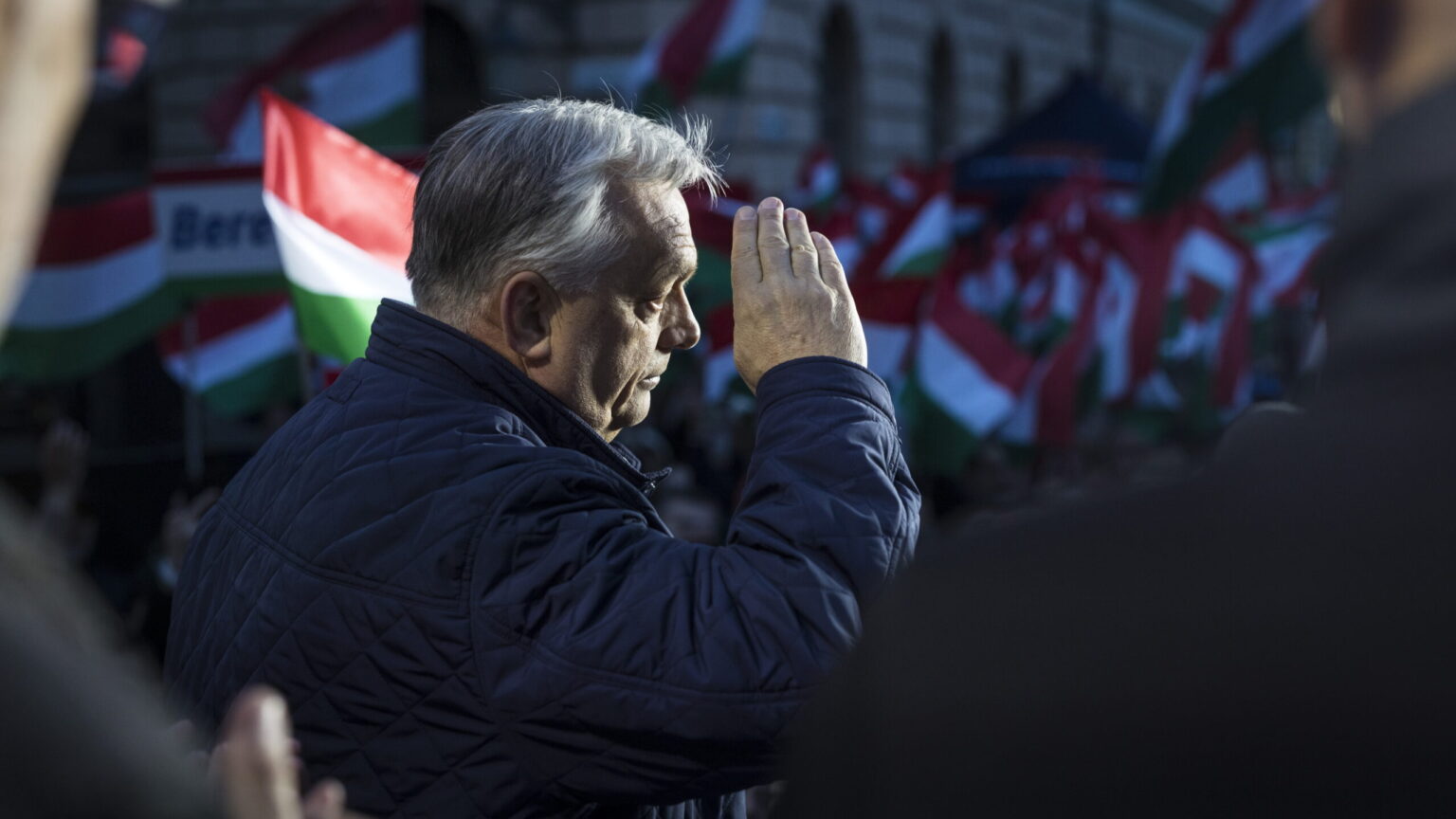
Hungary will not implement a recent European Union Court ruling on its child protection law, Prime Minister Viktor Orbán said, citing constitutional and sovereignty concerns in a letter to the president.

Hungary’s incoming Tisza government is facing accusations of nepotism after Péter Magyar nominated his brother-in-law as Minister of Justice. Although Márton Melléthei-Barna is widely regarded as a highly experienced legal expert, the appointment has opened an avoidable political front for the new administration—particularly sensitive given that Tisza repeatedly portrayed patronage networks and family-based loyalty systems as defining features of the Orbán era.

At a time when public debate is increasingly polarized and superficial, Hungarian Conservative remains committed to depth and independent thought.
Donate Now
Please consider supporting our mission.