




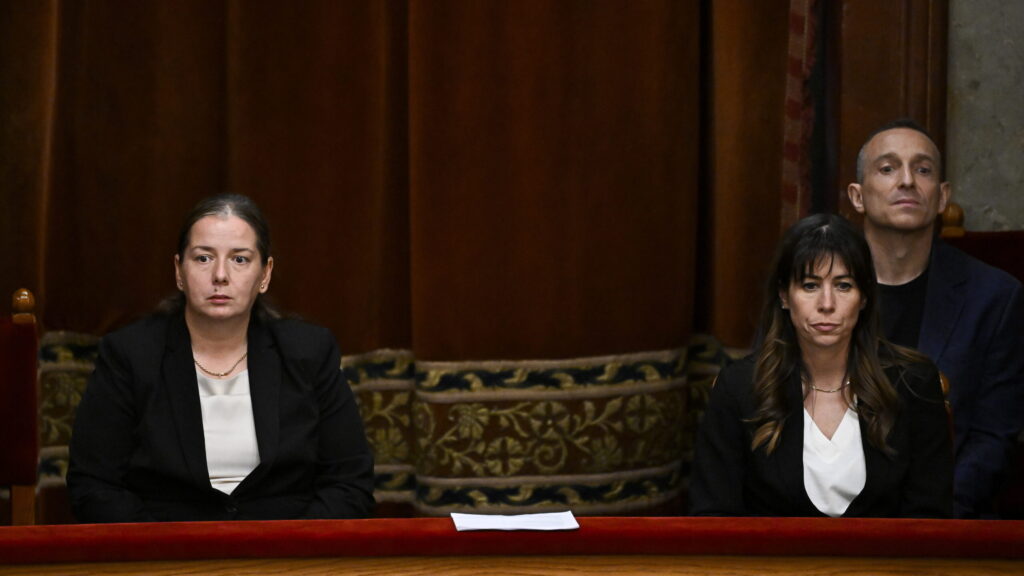



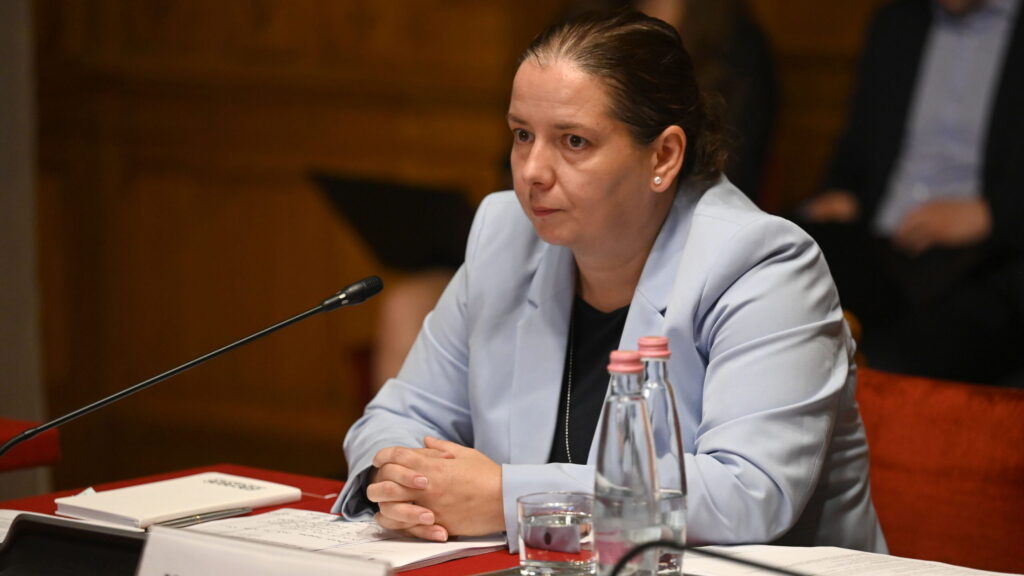
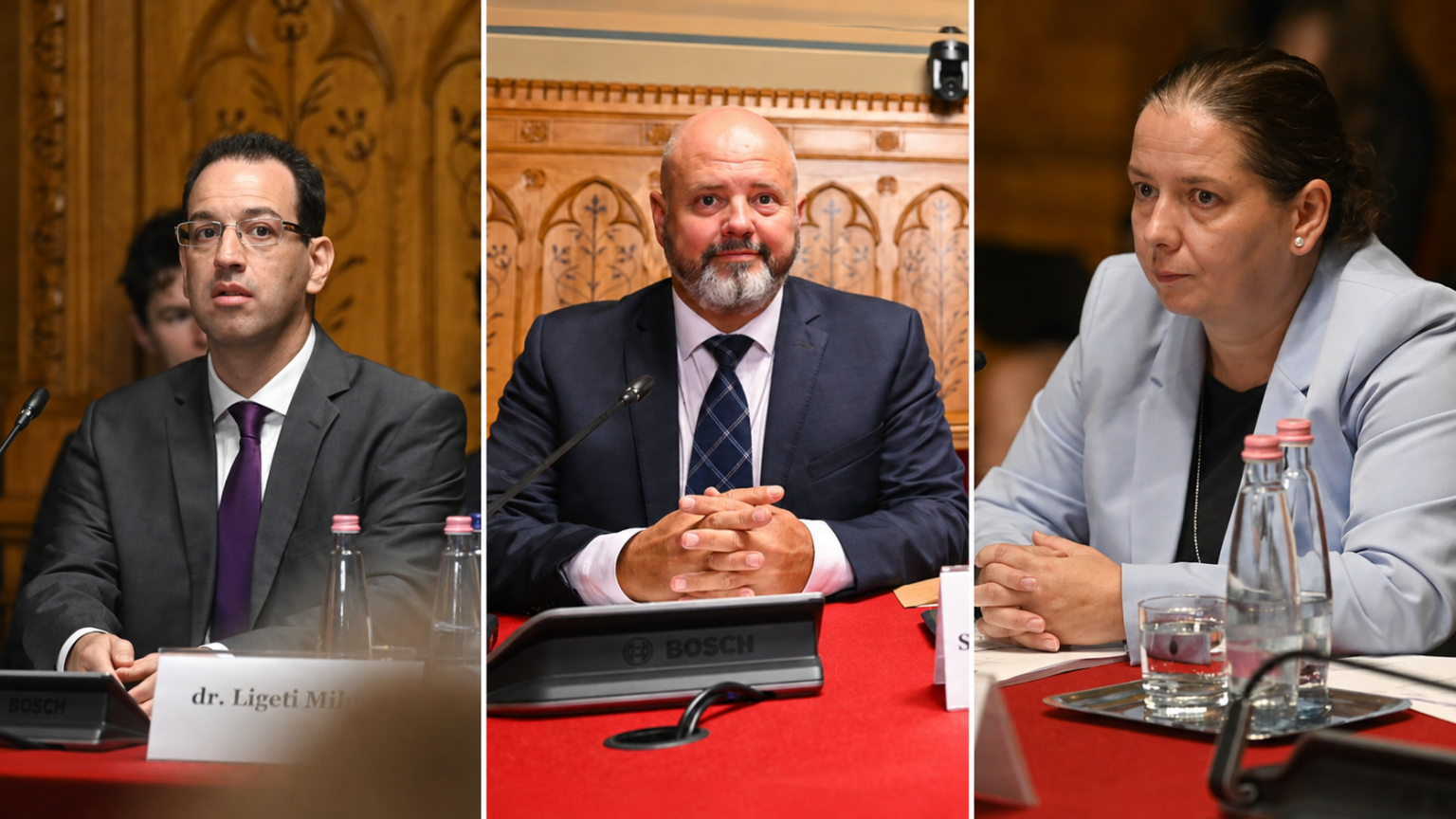
Hungary’s parliament will elect the first president of the powerful NVVH anti-corruption and asset-recovery office on Friday, choosing between Nicholas Sárvári, Miklós Ligeti and Anna Róza Unger. The process, initially meant to establish the office’s independence and credibility, has instead descended into controversy, largely due to the governing party’s communication failures.

Slovakia’s government has approved a bill that would prohibit people under 16 from creating user profiles on social media platforms. The proposed restriction could take effect next year if approved by parliament.

Ákos Hadházy has published emails he says expose a manipulated tender behind Hungary’s St Stephen’s Day celebrations, placing Tisza vice-president Márk Radnai in talks with the eventual winner weeks before procurement began. The case has sparked outrage among Tisza voters, with many calling it ‘Fidesz 2.0’ and warning that it undermines Péter Magyar’s regime-change narrative.

The fundraising campaign for Lindsay Clancy’s parents has reached over $1 million. Clancy is currently being tried for the murders of her three children in Massachusetts. GoFundMe, the site hosting the campaign, has banned the fundraisers for Kyle Rittenhouse and the Canadian truckers protesting pandemic restrictions in the past.
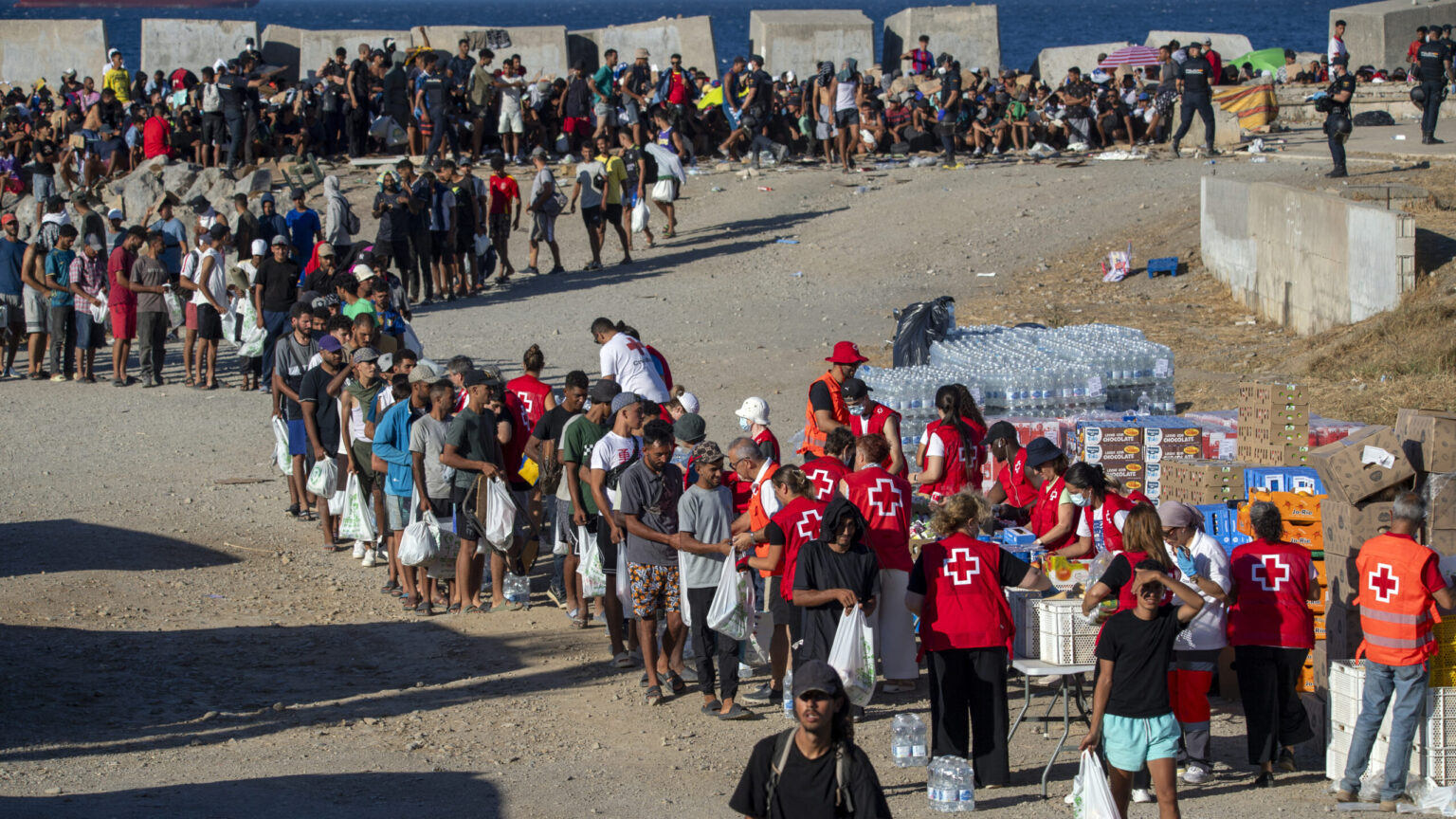
Ceuta saw its most violent day in weeks on Tuesday as illegal migrants clashed with riot police during a Red Cross food distribution, prompting officers to charge the crowd and use tear gas and rubber bullets. At the same time, hundreds of residents marched against further migrant accommodation and demanded the resignation of Prime Minister Pedro Sánchez.

Hungary’s government has withdrawn €84.6 million in EU funding from turkey processor Gallicoop, a company linked to Lőrinc Mészáros, after ruling that its ownership structure failed statutory transparency requirements. The decision mirrors the recent removal of €169.2 million from OPUS TITÁSZ, another Mészáros-linked business; both companies are challenging the decisions legally.
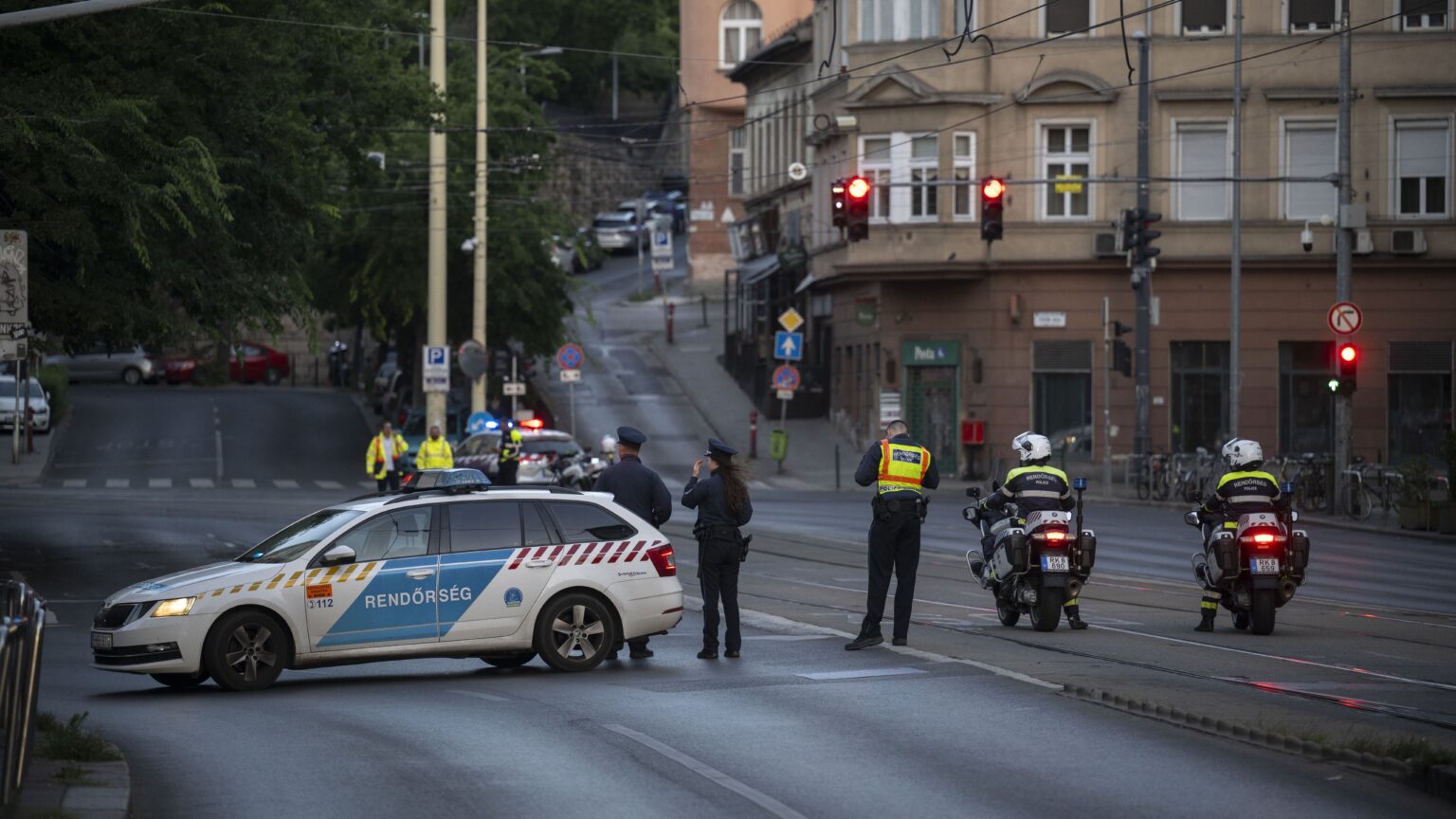
Budapest police checked more than 11,000 people and arrested 252 during the first month of an expanded public-security operation launched in mid-July. Police said the targeted checks would continue based on the experience of the first month.

CIA Director John Ratcliffe made a secret visit to Moscow on Tuesday, becoming the first American intelligence chief to travel there since William Burns warned the Kremlin against invading Ukraine in November 2021. With US intelligence now focused on possible Russian provocations against NATO’s eastern flank, the trip has revived speculation that Ratcliffe carried a similar warning.

The US Supreme Court has, in part, lifted the nationwide injunction a Circuit Court judge imposed on President Trump’s executive order requiring the Department of Homeland Security to create an eligible voters’ list for each state and the US Postal Service to deliver mail-in ballots only to residents on that list.

Germany’s establishment celebrated Péter Magyar’s defeat of Viktor Orbán as a lesson in how to beat right-wing populism. Four months later, the comparison looks less comfortable: AfD candidate Ulrich Siegmund is using a similar campaign strategy, combining a strong rural presence with social-media dominance, while the establishment repeats Fidesz’s grave strategic mistakes.

‘Abu Safieh’s supporters dispute the allegations, maintaining that he is a medical professional and that his detention is unjustified. But the distinction is crucial: the person being celebrated at the Budapest demonstration is…an individual whom Israel identifies as a senior Hamas figure and whose hospital…was used by the terrorist organization for military purposes.’

Budapest has drawn up plans to renovate Népliget, beginning with the construction of an irrigation system. Mayor Gergely Karácsony said the city was seeking the government’s cooperation in redeveloping the park.
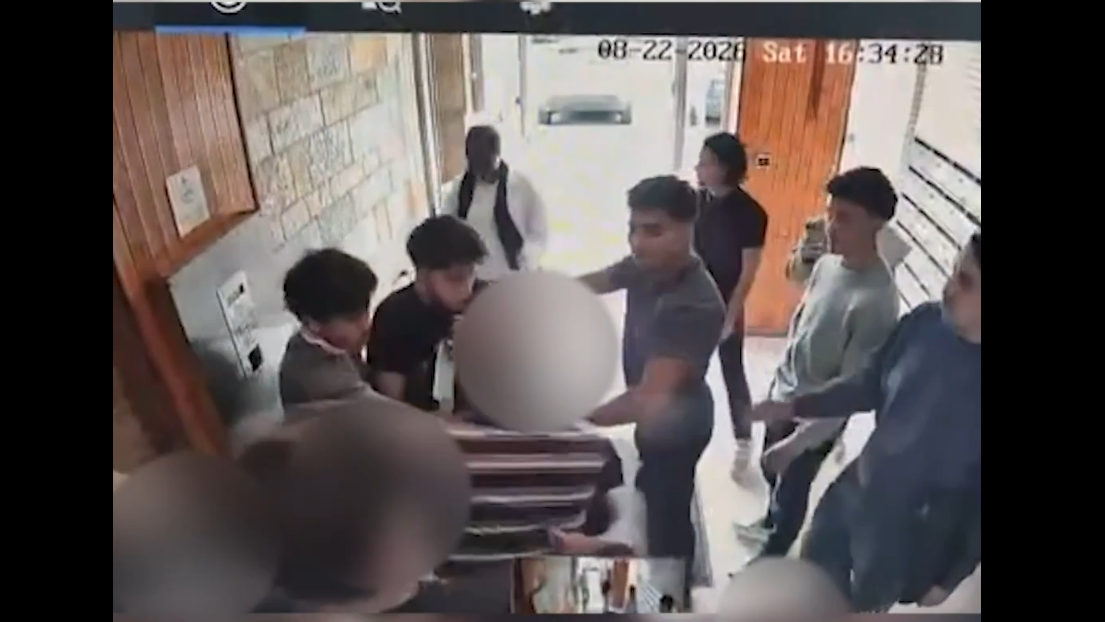
Footage of a group of men attacking a person inside an apartment complex in Vilvoorde, Belgium, is being circulated on the social media site X. Multiple accounts, including that of a sitting Belgian MP, claim that the attack was perpetrated by migrants against an elderly white man.

An unexplained US Air Force C-17 flight from Latvia to Moscow has triggered speculation that Washington may be preparing fresh diplomatic contact with Russia, with some military-aviation observers even linking the mission to Pete Hegseth. The development comes just as Reuters reported the other day that negotiations over Ukraine had stalled, with potential efforts to revive them now being discussed.
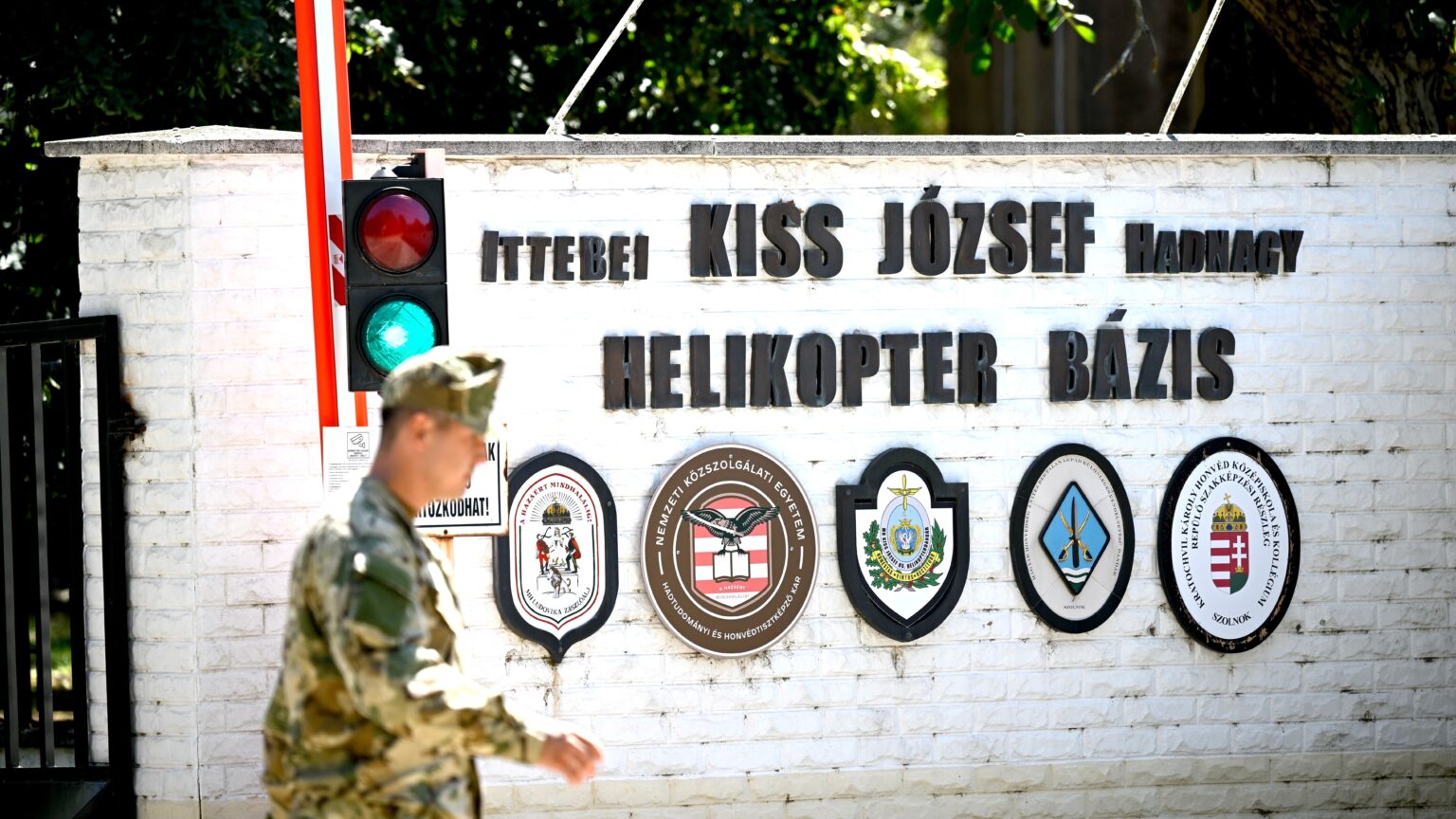
A Hungarian Gripen fighter jet was destroyed near Szolnok on Monday after issuing an emergency warning and making a forced landing before catching fire. The pilot ejected and suffered a spinal injury but is in good condition and is due to undergo surgery.
Hungary could begin implementing a programme to reduce healthcare waiting lists this autumn, while a new patient satisfaction platform and greater transparency over ambulance service quality indicators are also planned, the health minister said.

Hungary’s governing Tisza Party has begun financing its party-communication pamphlet, Tiszta Hang, with a state-funded allocation from its parliamentary group, replacing the donation-based model used during the campaign. The shift is legal but politically awkward, cutting directly against Péter Magyar’s promise to break with publicly financed party propaganda.

A local woman in Ceuta says she and her mother rescued a 12-year-old girl from being raped by five Moroccan illegal migrants after hearing her screams outside their home at 2am. She said overwhelmed emergency services failed to send police, while the number of confirmed sexual assault cases has risen to 16 since the July mass invasion, with more than 200 complaints now reaching the courts daily.

Kalocsa-based Smarttable CEE has agreed to take delivery of €1.5 million worth of Chinese ZTT energy-storage systems as Hungary races to expand battery capacity after August’s energy crisis exposed the limits of its solar-heavy grid. The deal lands just as both Budapest and Brussels tighten scrutiny of Chinese-linked energy technology and infrastructure.

Hungarian energy attorney Máté Tóth has accused Economy and Energy Minister István Kapitány of making misleading claims about Hungary’s gas prices. He says physical gas purchases and price hedging are separate transactions, and claims MVM had already begun hedging for 2027, despite the Minister’s statements to the contrary.
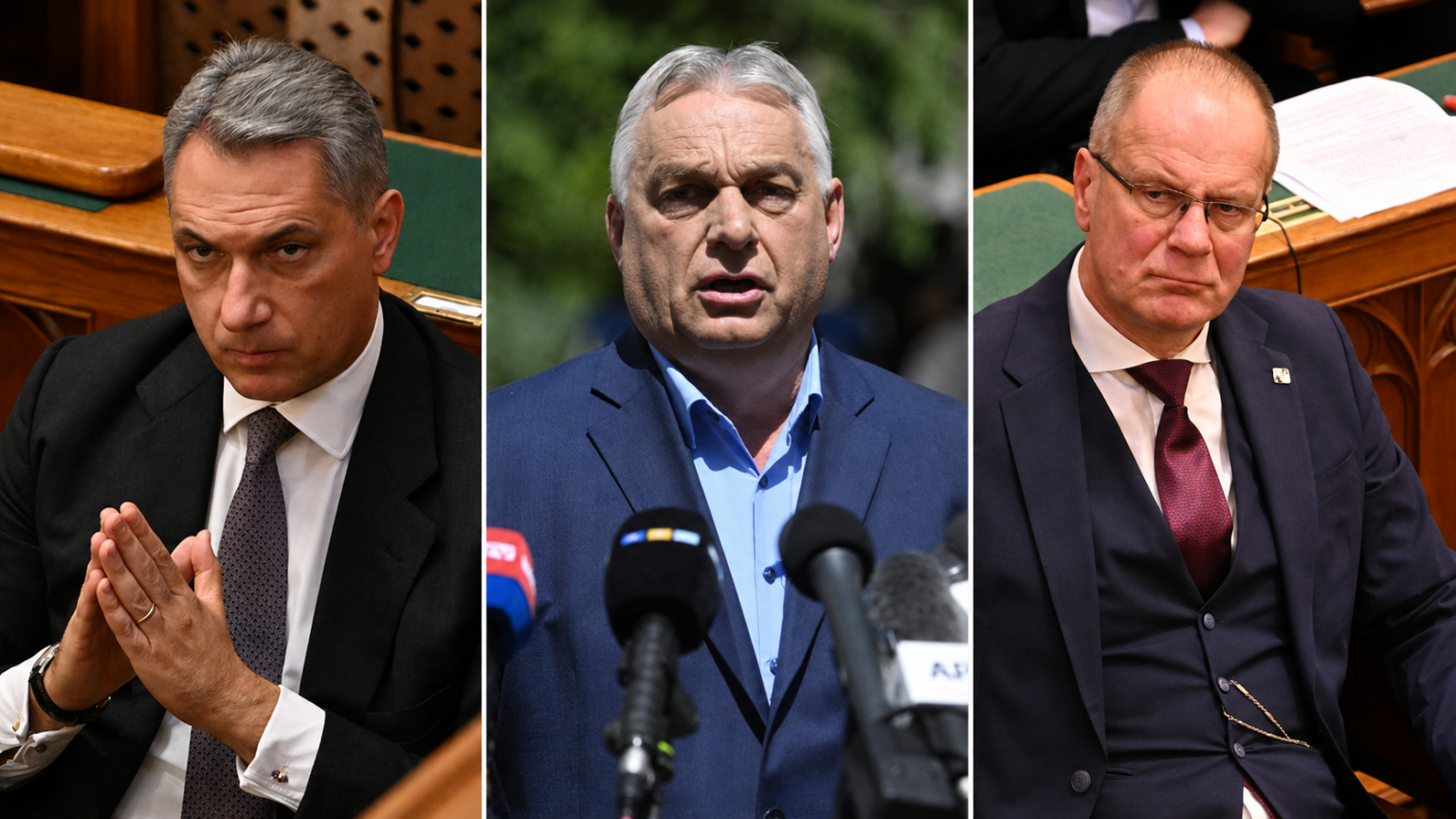
Viktor Orbán’s grip on Fidesz is being tested from inside and outside as Tibor Navracsics builds a moderate alternative, János Lázár demands renewal and the new asset-recovery agency prepares to investigate the Orbán era. That makes September the most important month since April, potentially deciding whether Fidesz survives intact or begins to break apart.

‘The snivelling wokesters will work themselves into a lather over the name. A mature country does not run from its history. A serious country does not vandalize its memory to satisfy the latest fashion in whinger politics,’ Minister of Rail Winston Peters of New Zealand has stated about a new ferry connecting the North and South Islands of New Zealand being named after Captain Cook.

The United States faces a complex immigration dilemma: while stronger border enforcement is necessary, deportations alone cannot provide a sustainable solution. A balanced immigration policy should protect national security while expanding legal pathways, addressing labor shortages, and offering a limited path to legal status for long-term undocumented residents.

A Hungarian Defence Forces Gripen fighter jet crashed near Szolnok on Monday morning for reasons that remain unclear. The pilot ejected safely, and no injuries or damage to civilian infrastructure were reported.

Hungary’s central bank is expected to continue cutting interest rates this week, while the KSH will publish fresh data on investment, wages and employment. The Finance Ministry will also release detailed figures on the central sub-system of the state budget for the end of July.

The alleged GTA 6 leaker has released a ninth gameplay video as the leak campaign enters its sixth consecutive day. Take-Two Interactive has expanded its legal efforts to identify those behind the leaks, issuing a subpoena to X after previously targeting Microsoft and Discord.

Mothers are declaring ‘Same, Lindsay’ in a bizarre TikTok trend, identifying with Lindsay Clancy’s descriptions of postpartum distress during her trial for killing her three children. The sympathy campaign, which has sparked harsh backlash from conservatives, has gone so far that one woman says she now asks dates whether Clancy should go to jail—and walks out immediately if they answer yes.

The European Network Remembrance and Solidarity is marking the European Day of Remembrance for Victims of All Totalitarian and Authoritarian Regimes with its 13th ‘Remember. August 23’ campaign. This year, the initiative tells the story of Dr Stefania Perzanowska, who saved prisoners’ lives by establishing a hospital inside the Majdanek concentration camp in 1943.

Die Linke and the AfD are reshaping Berlin’s political map ahead of September’s election, with the radical left leading on 22 per cent and the hard right party tied with the CDU on 18. Their combined support has almost doubled since 2023, while the SPD has collapsed to 12 per cent and the governing parties that once dominated the capital now command only 30 per cent.

The Save Europe Act has passed 700,000 signatures less than three months after launch, keeping the remigration campaign on course for its one-million target despite Brussels refusing to register it as an official ECI. Co-founder Eva Vlaardingerbroek says the next steps are to reach one million and take the European Commission to court over the decision.

At a time when public debate is increasingly polarized and superficial, Hungarian Conservative remains committed to depth and independent thought.
Donate Now
Please consider supporting our mission.