








Erin Piacenti, a 32-year-old Bank of America vice president, was killed in a random and unprovoked stabbing in Times Square on Monday, according to the NYPD. Police said attacker Pamela Cisneros stabbed a 68-year-old man seconds earlier, then later advanced on officers with two knives before being shot dead.

British comedian and actor Sacha Baron Cohen is returning as his iconic character from the 1990s and 2000s, Ali G, in a new mockumentary. However, despite the character’s immense popularity in past decades, Cohen is now constantly being attacked for being racist, doing blackface, and supporting Israel while promoting his new film on social media.
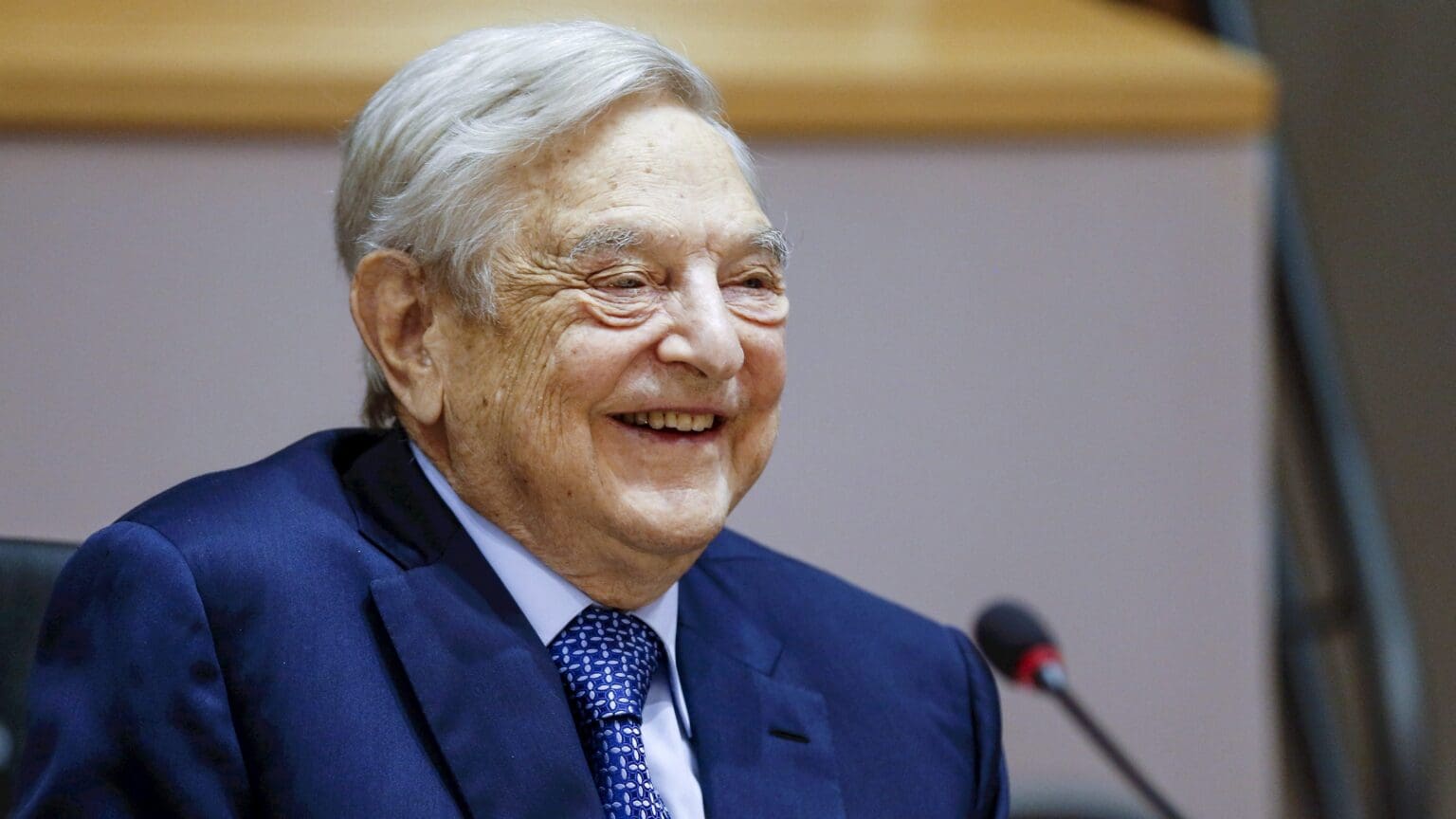
According to anonymous sources inside the Trump administration who spoke to the New York Post, the IRS and the Treasury are getting ready to act on a 2025 directive issued by President Trump and try to remove the 501(c) tax-exempt statuses of left-wing nonprofits that allegedly contribute to political violence.

Hungary has secured all EU funding that was previously frozen, but the main task of putting the money to work is only now beginning, Transport and Investment Minister Dávid Vitézy said. He outlined major planned investments in railways, housing, water management and energy security.

Spanish prosecutors have raised the number of reported sexual assaults in Ceuta since July’s mass invasion from Morocco to 23, including five ‘rapes involving penetration’. Nine victims are minors and eight suspects have been identified, as the enclave’s security crisis deepens amid overcrowded facilities, growing pressure on police and emergency services and hardening local resistance.

Serbia opened a Chinese-backed humanoid robot factory in Šabac on 29 August, with President Vučić targeting more than 5,000 units a year and future exports to the EU. The project forms part of increasingly deep defence ties between Belgrade and Beijing, which could further complicate the country’s already stalled EU accession bid.

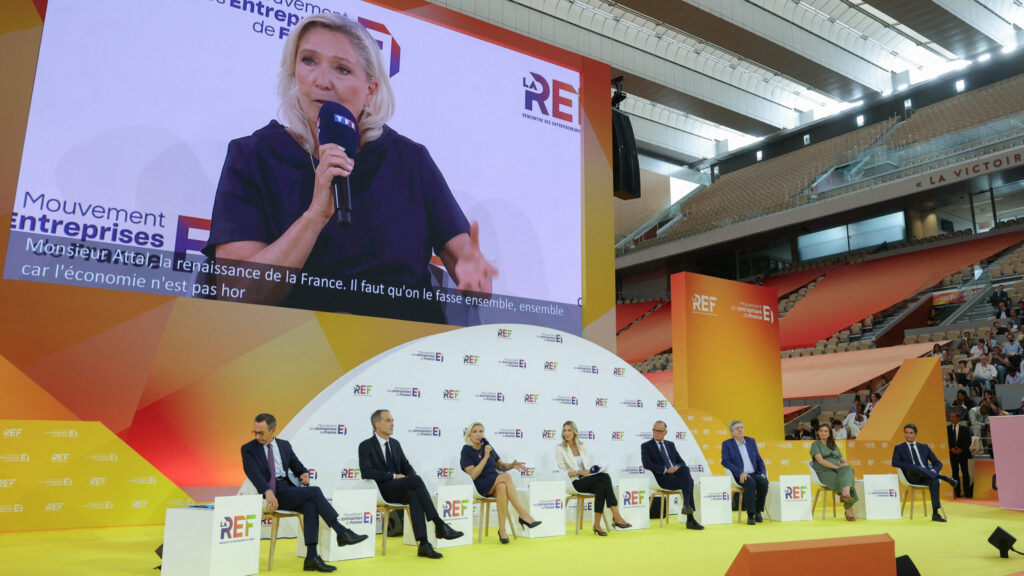
Marine Le Pen would beat every presidential rival according to a recent Elabe poll, defeating even Édouard Philippe in a hypothetical runoff. Despite a significant shift in mainstream voter sentiment in favour of Le Pen, French banks remain reluctant to lend to her campaign, continuing the long-standing institutional exclusion imposed on National Rally ahead of the 2027 vote.

A man in his 40s suffered life-threatening injuries after falling onto the Danube embankment following a fight near a Budapest nightclub. Police are investigating the incident, while the venue says neither its staff nor security used pepper spray during the altercation.

‘A country’s energy supply cannot be reduced to a preference for one technology over another, and its energy mix cannot be redesigned according to the political cycle of a single government. Energy strategies are built for decades, not for four-year terms.’

Iceland held a referendum over the weekend on restarting accession negotiations with the European Union. The people of the small Nordic island nation have chosen the ‘No’ option, which received 52.8 per cent of the vote, against the ‘Yes’ option’s 47.2 per cent.
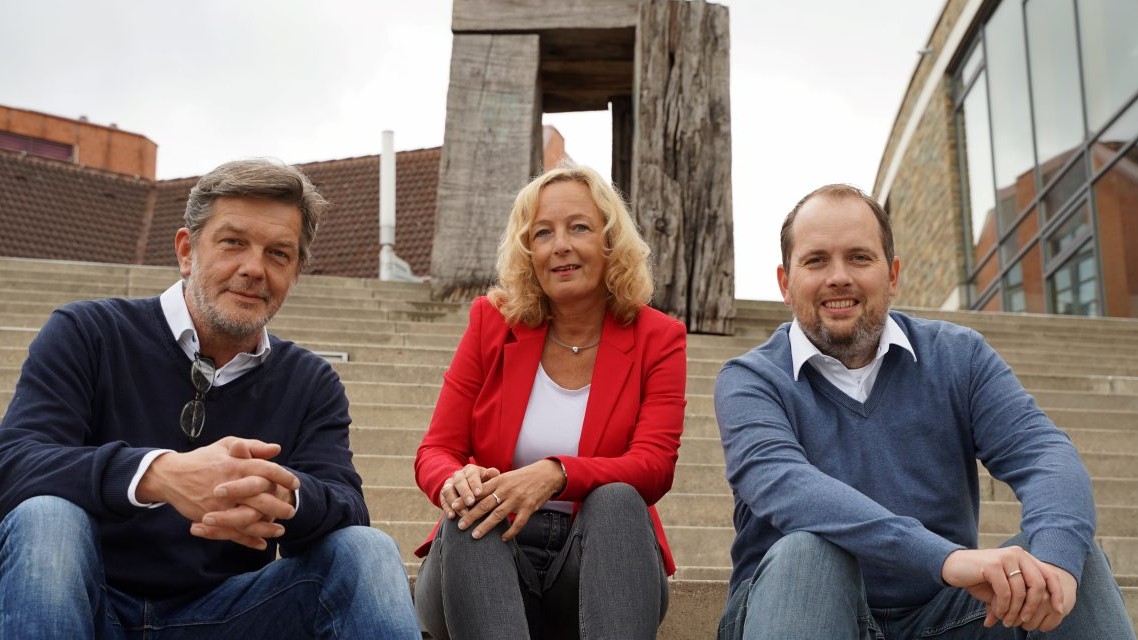
Germany’s Social Democrats have been hit by an awkward scandal after a former local official was filmed naked, shouting ‘Heil Hitler’ and performing the Nazi salute. The footage surfaced while the SPD was simultaneously campaigning against the AfD, depicting the party as an extremist threat and invoking precisely the history of Nazi Germany.

Hungarian households are expected to spend an average of 107,539 forints on preparing for the new school year, with spending averaging 66,928 forints per child, according to a new PwC survey. Most families continue to prioritise traditional school supplies, while online shopping and AI tools are becoming increasingly common.

NASA’s Roman Space Telescope has been launched from Cape Canaveral aboard a SpaceX Falcon Heavy rocket. The next-generation observatory will operate about 1.6 million kilometres from Earth and survey the universe with a field of view far larger than Hubble’s.

Three men were stabbed outside Amsterdam Centraal on Saturday by Dutch fitness influencer Angelo Bryson, who livestreamed the confrontation to his TikTok audience. Bryson, known as ‘Superhuman Unchained’, had recently converted to Islam and increasingly used his platform to discuss Palestine and North Africa, including support for Morocco’s claim over Ceuta.
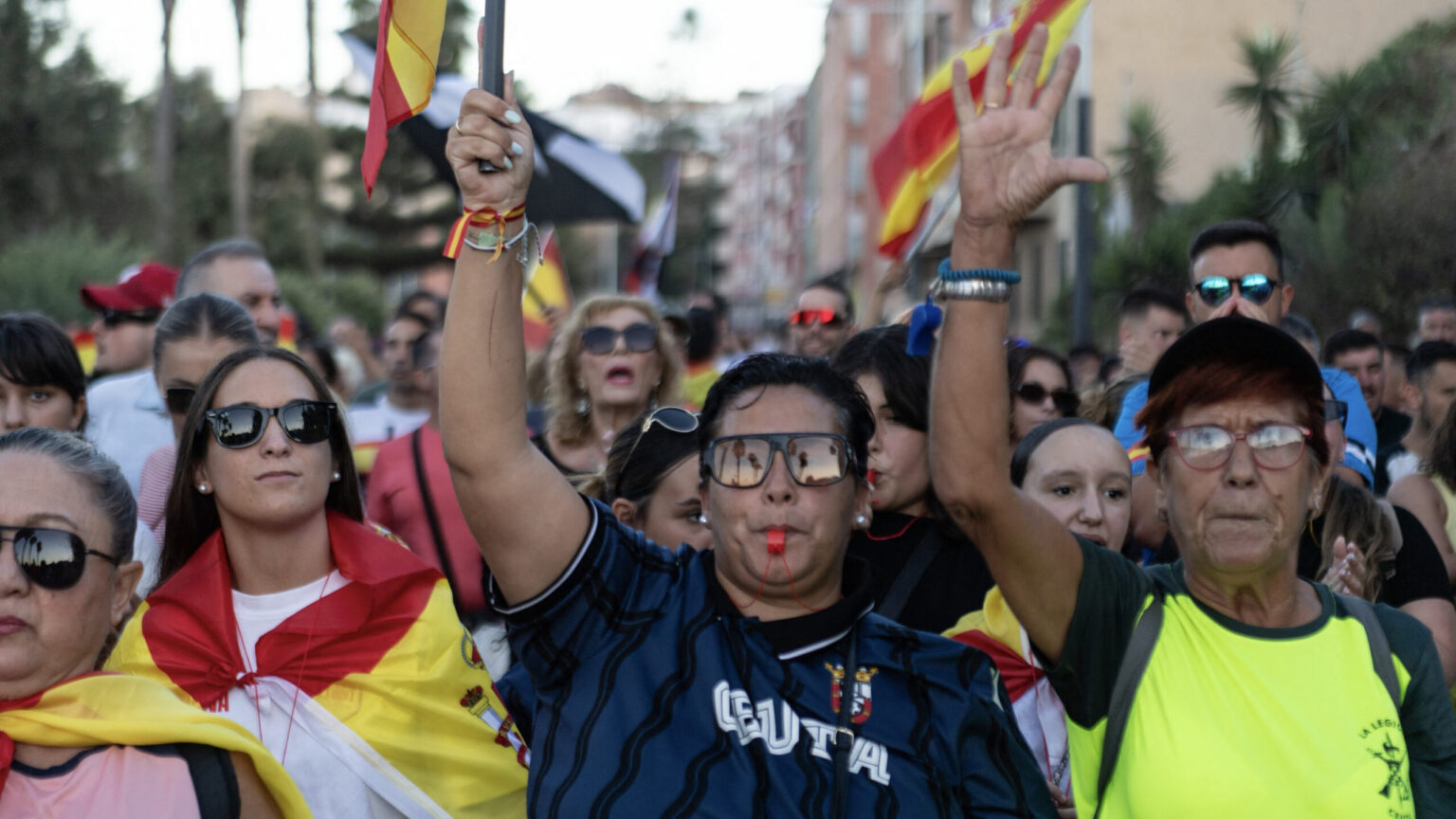
Illegal migrants in Ceuta threw bottles containing a chemical solvent at local protesters on Friday, escalating a fourth day of unrest in the Spanish enclave. Hours earlier, police were reported to be investigating bulk purchases of hydrochloric acid and aluminium foil by migrants accompanied by NGO activists, fuelling growing local hostility towards humanitarian groups.

Hungarian wage growth slowed sharply in June, with average gross earnings rising by 7.1 per cent year-on-year—the weakest increase since 2021. Despite the slowdown, strong real wage growth and subdued inflation continue to support household consumption and economic growth.
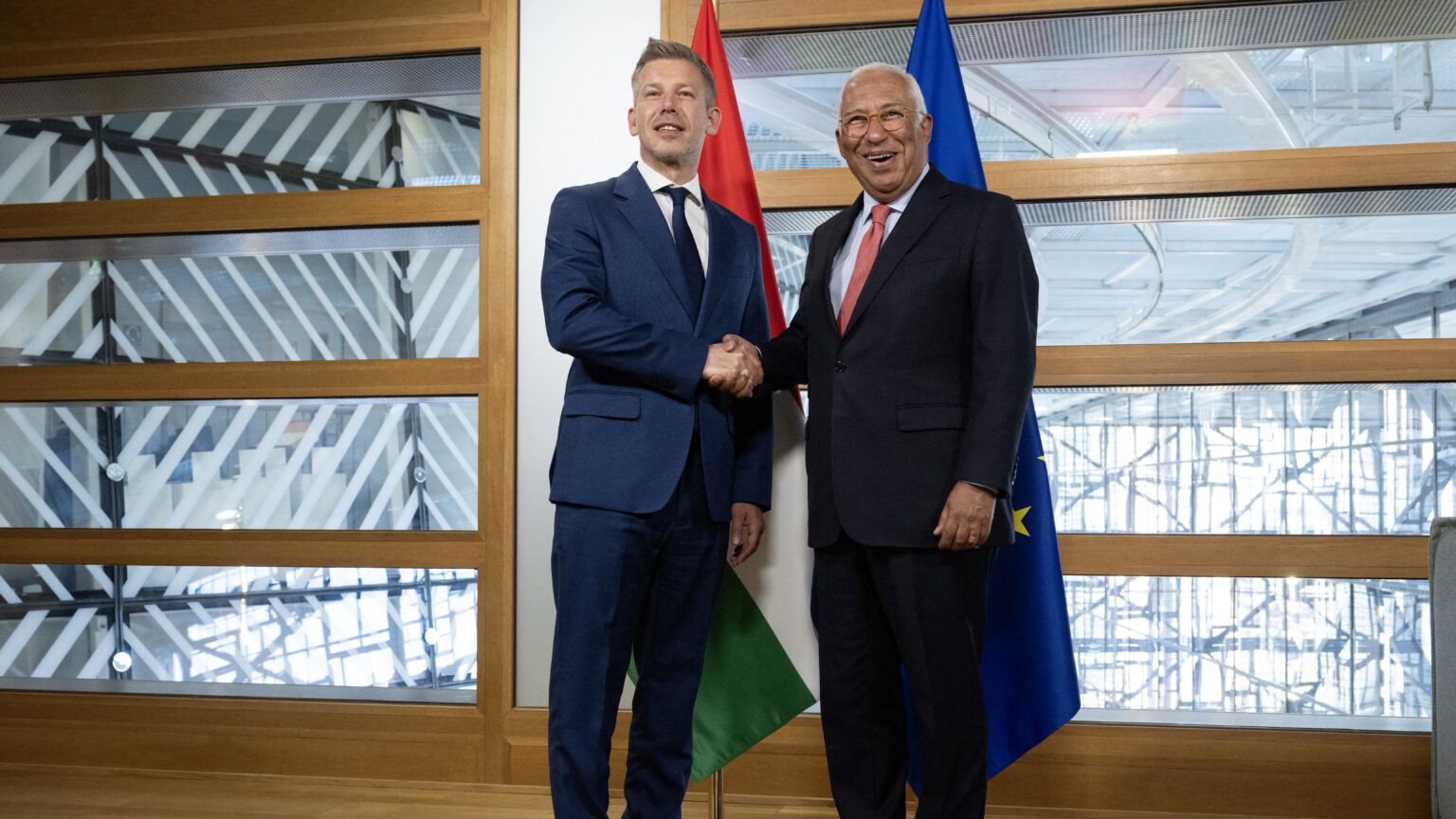
European Council President António Costa will meet Hungarian Prime Minister Péter Magyar in Budapest on 2 September as part of his tour of EU member states. The talks will focus on the bloc’s next long-term budget and other key EU priorities.

Canada’s taxpayer-funded CBC is facing backlash after an internal memo told journalists not to describe the 11 September attacks as ‘terrorist attacks’. The directive drew criticism from Canadian and US politicians and comes amid unusually tense relations between Washington and Ottawa, just weeks ahead of the 25th anniversary of 9/11.

President Trump has shared his ranking of US Presidents on his own social media platform, Truth Social. Perhaps unsurprisingly, he has ranked himself as the Greatest of All Time. However, who else did he rank high, and who did he rank as ‘Failures’ among the men who had served in his role before him?

UNICEF Hungary has urged reforms to address problems in Hungary’s child protection system, educational inequalities and children’s mental health. The organization presented its recommendations at a Geneva meeting ahead of the United Nations’ Universal Periodic Review of Hungary.
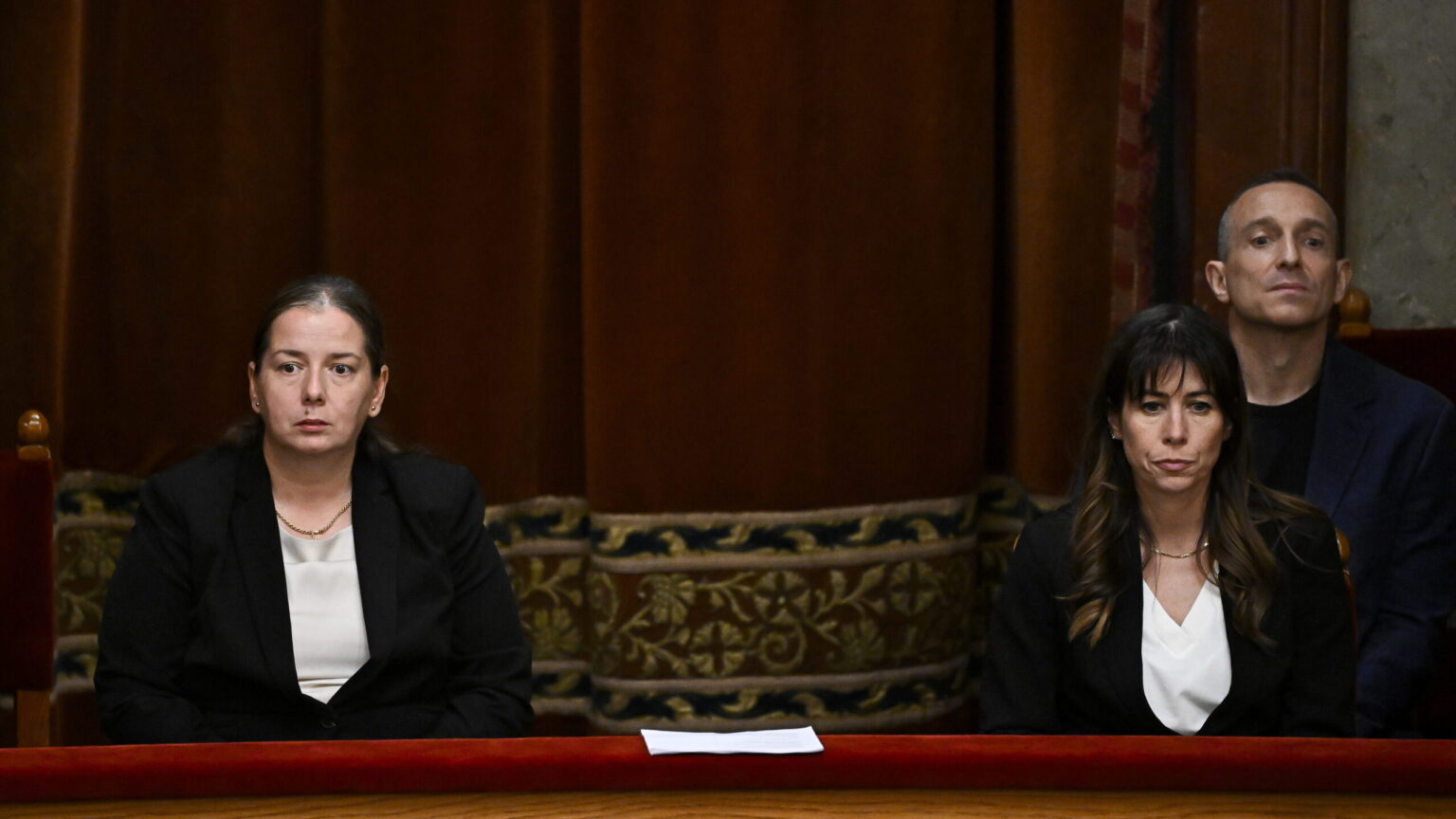
Parliament elected Anna Róza Unger president of Hungary’s new NVVH anti-corruption super-agency on Friday by 137 votes to seven, despite mounting criticism of her professional background and the chaotic selection process. The backlash intensified as Ákos Hadházy alleged the contest was largely ‘theatre’ and that Unger emerged from a compromise inside Tisza’s leadership.
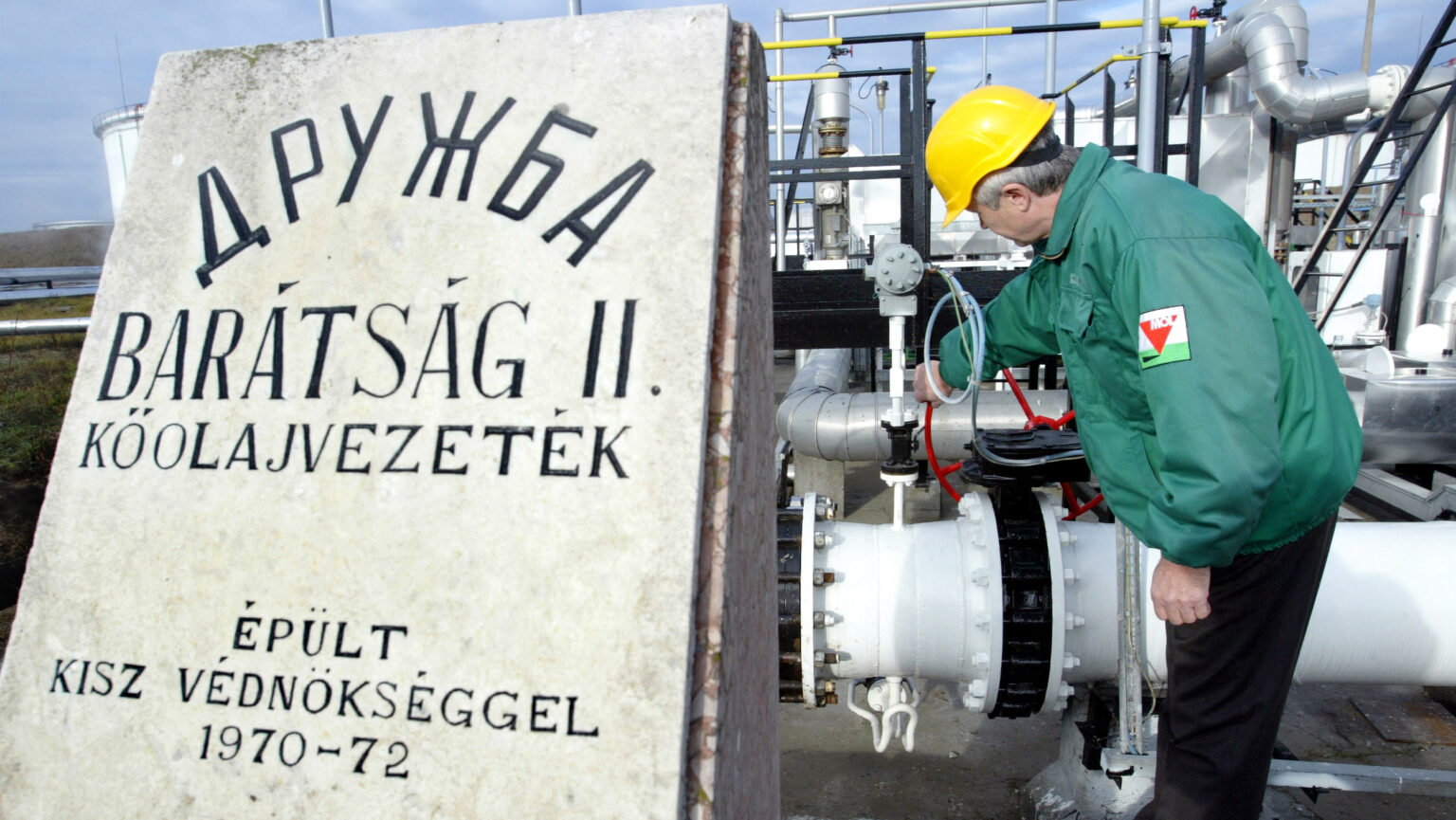
Russian lawmakers have lashed out at Péter Magyar after Hungary formally described Russia as a threat to the country, Europe and the global order in new UN instructions. The rhetoric marks a sharp break with the Orbán era, while threats over cutting oil and gas deliveries expose how Budapest’s diplomatic realignment to the EU collides with its continuing dependence on Russian energy.
Hungarian technology and telecommunications group 4iG is establishing a new energy division and a dedicated holding company as it expands into critical infrastructure. The group is pursuing small modular nuclear reactors, wind farms and energy storage projects across Central Europe and the Western Balkans.

Ceuta’s unrest continued on Thursday as hundreds of residents blocked Red Cross food deliveries, pushed through police cordons and tore down migrant encampments, setting belongings on fire. Hours earlier, dozens of illegal migrants had attacked a vehicle carrying Spanish soldiers with stones, forcing the troops to flee on foot.

Ferencváros made it to the group stage or league phase of a European competition for the eighth season in a row, after beating out the Turkish club Trabzonspor featuring Liverpool legend Mohamed Salah with a shockingly lopsided, 5–0 aggregate score and back-to-back wins in the two legs of the UEFA Europa League qualifying play-off.
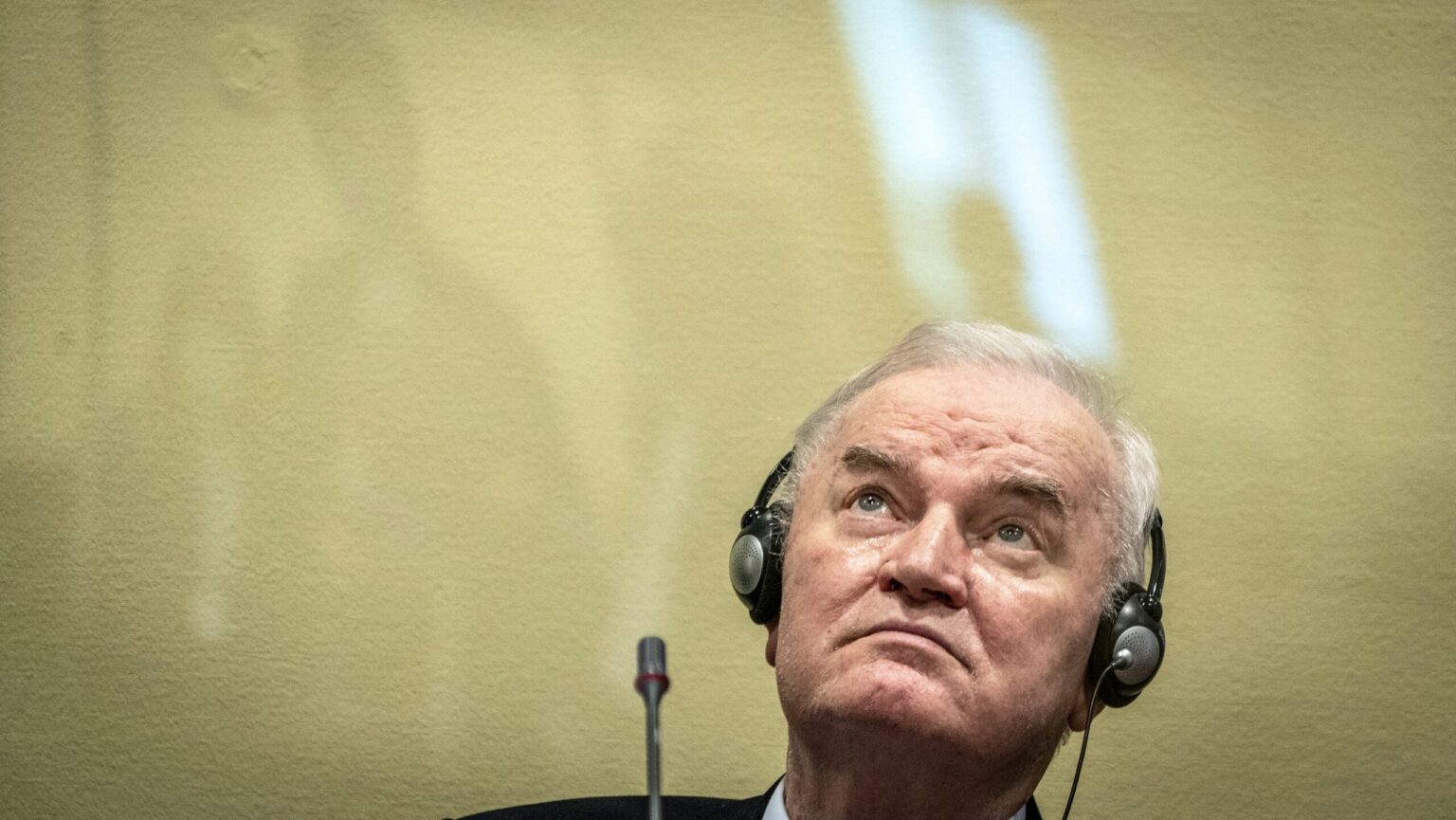
Former Bosnian Serb commander Ratko Mladić, convicted of genocide, crimes against humanity and war crimes, died in UN custody in The Hague on Thursday, aged 83. Central to his conviction was the 1995 Srebrenica massacre, where more than 8,000 Bosnian Muslim men and boys were killed, a crime whose legacy still deeply divides Bosnia and Serbia even today.
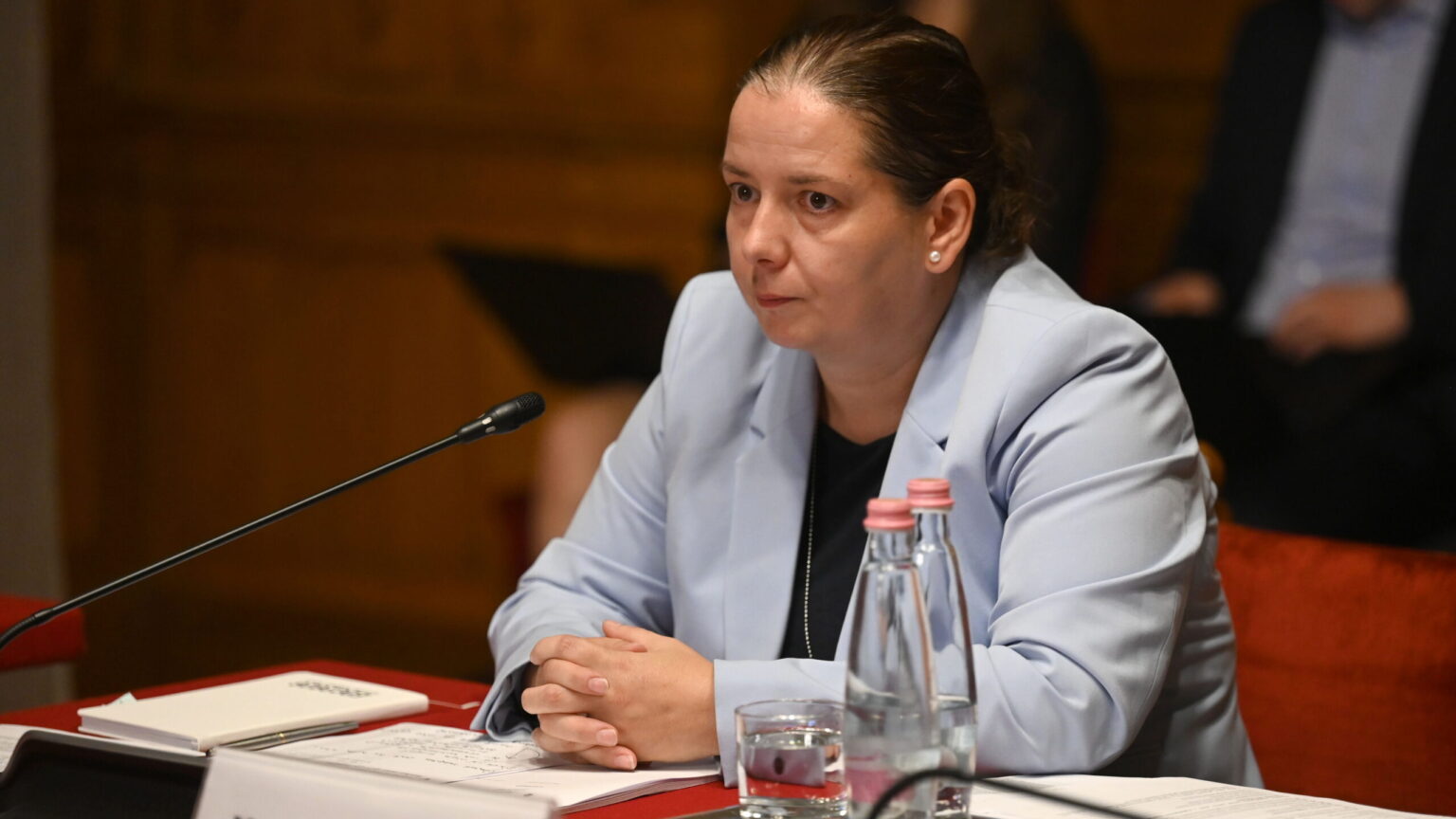
Parliament’s justice committee has chosen political scientist Anna Róza Unger as its nominee to lead the National Asset Recovery and Protection Office, favouring the candidate with the strongest systemic accountability agenda despite her limited operational background. The decision sharpens questions over what role the super-agency is meant to play as parliament prepares for Friday’s secret ballot.

A federal judge in Texas has permanently blocked enforcement of Senate Bill 12, ruling that the law restricting sexually explicit performances in the presence of minors violates the First Amendment. Attorney General and Republican Texas Senate candidate Ken Paxton has vowed to appeal the decision.
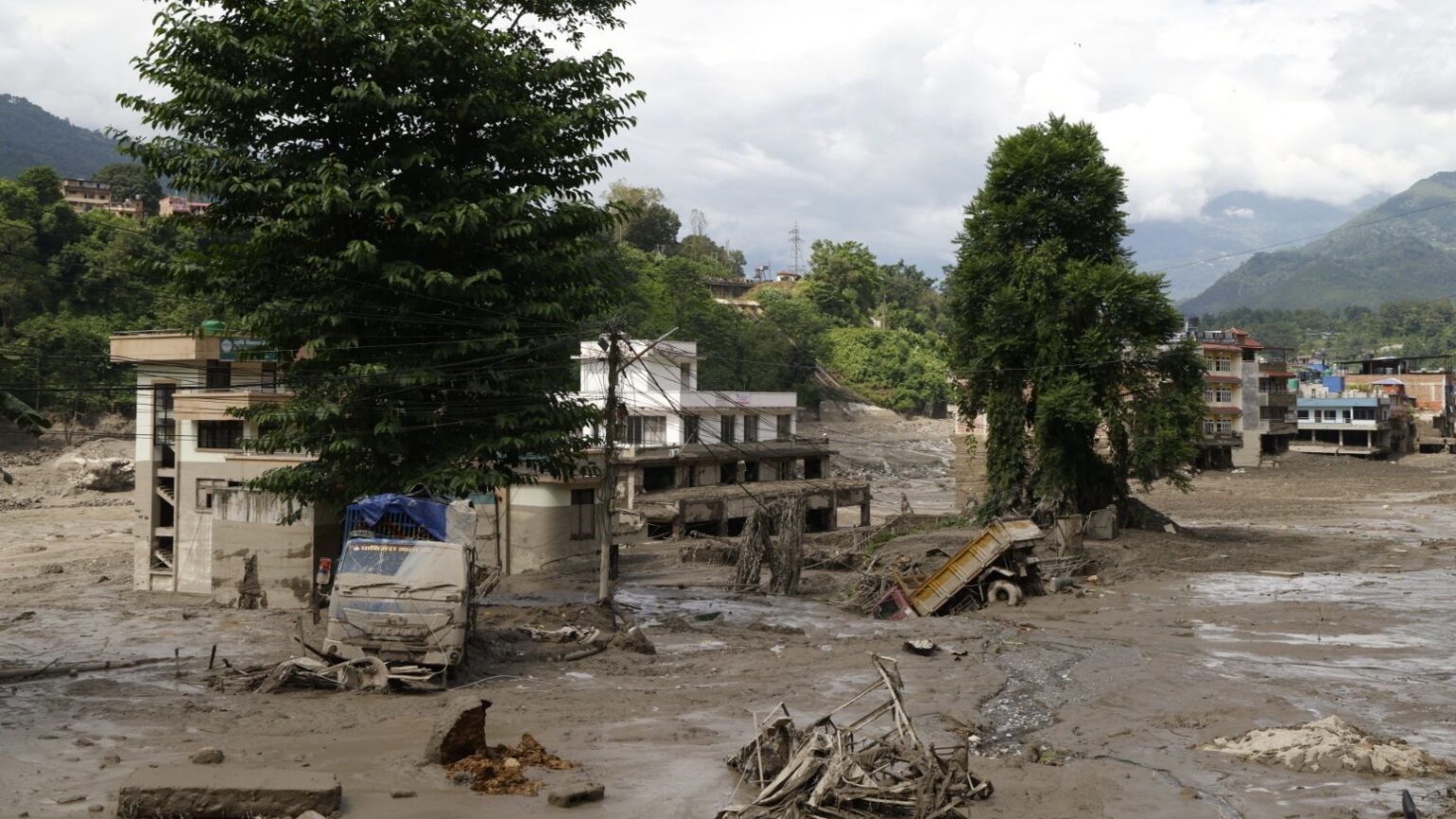
Two Hungarian nationals have been confirmed missing following devastating flash floods in Nepal, Hungary’s Foreign Ministry said on Wednesday. The ministry warned that additional Hungarian citizens could also be among those unaccounted for.
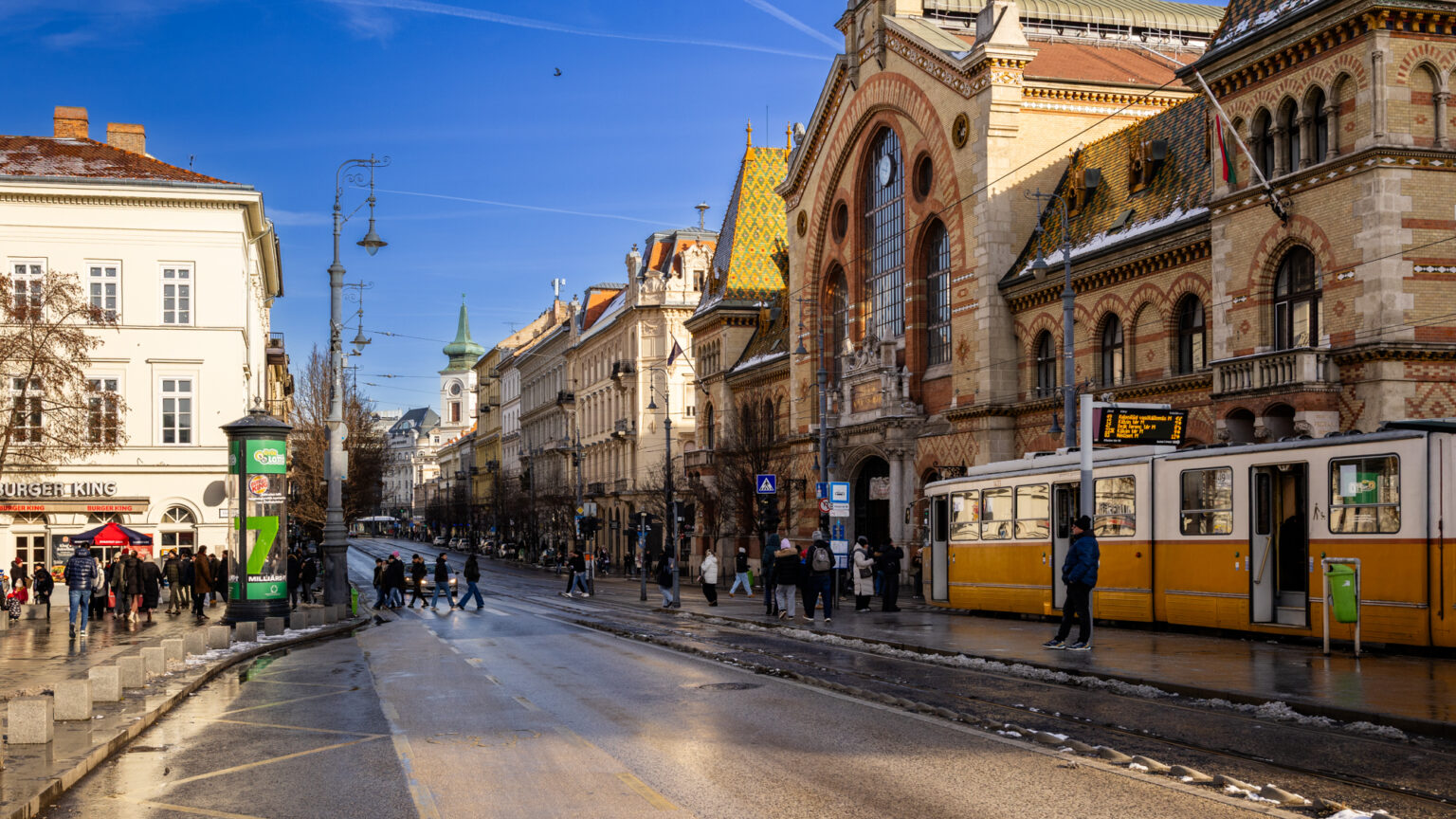
The Hungarian government has accepted several proposals from the mayors of five central Budapest districts aimed at improving public safety. The measures include permanent police presence at key locations and expanded powers for district authorities.

At a time when public debate is increasingly polarized and superficial, Hungarian Conservative remains committed to depth and independent thought.
Donate Now
Please consider supporting our mission.