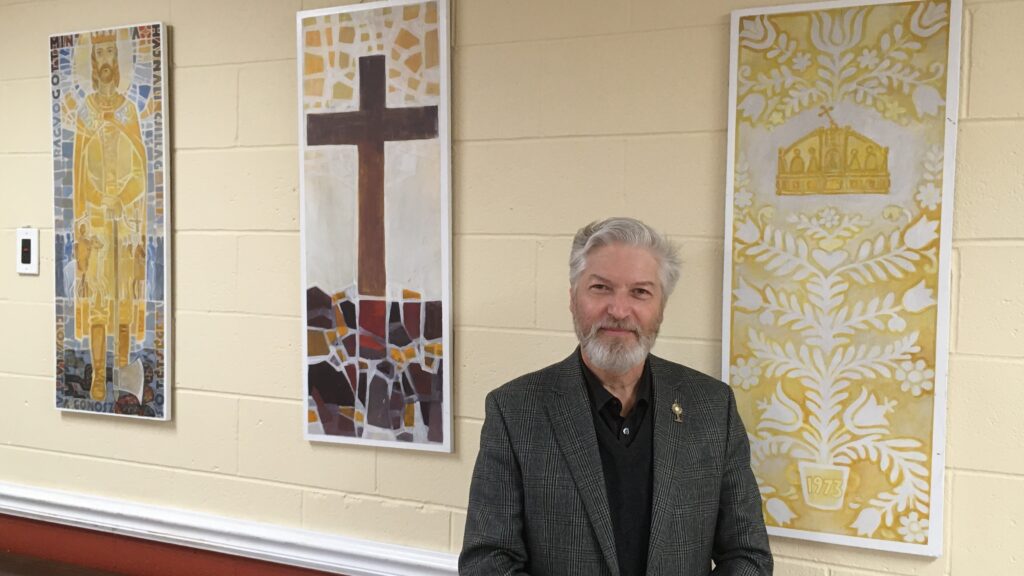
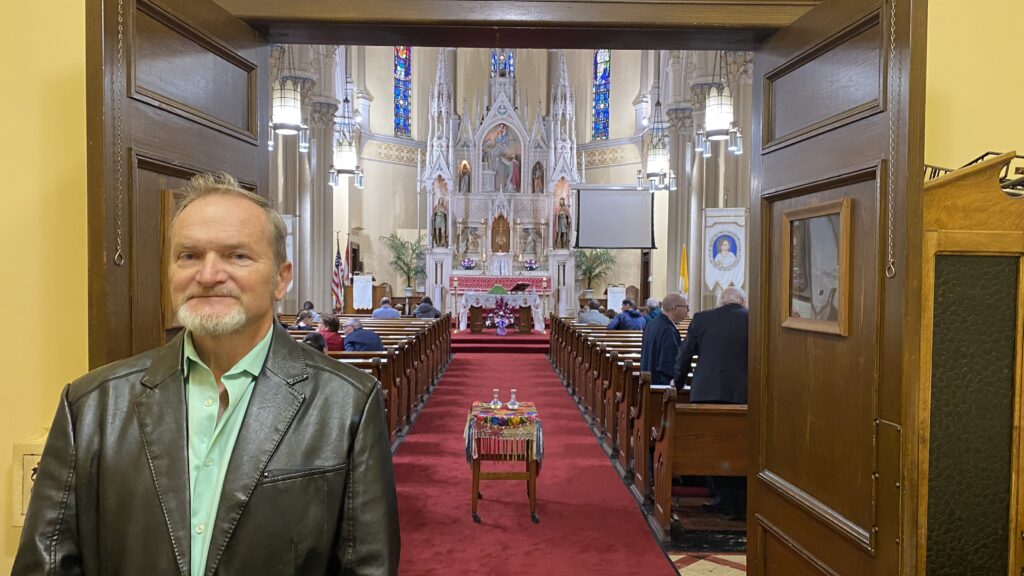
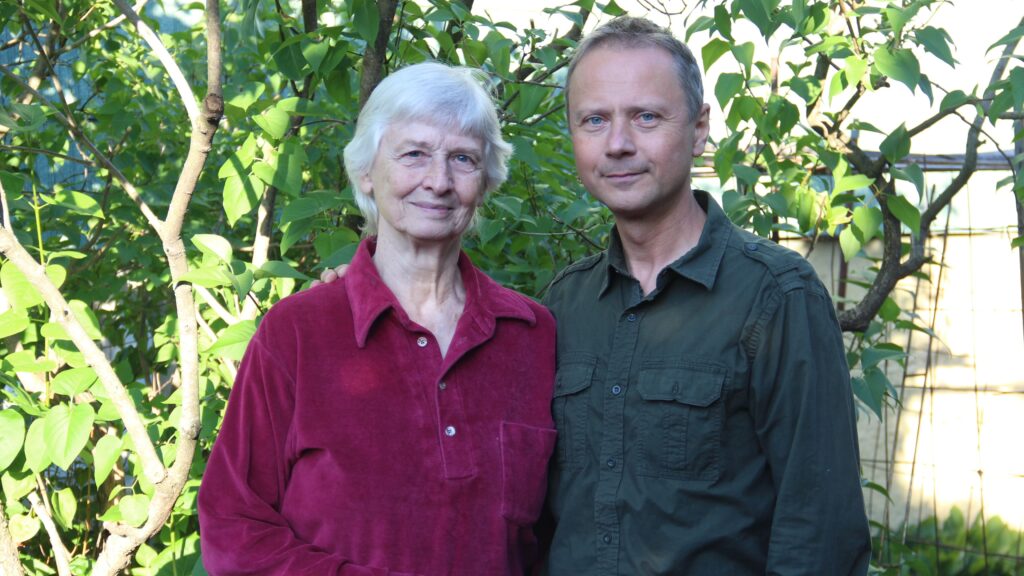
An extraordinary life blessed with unshakeable faith, dedicated to selflessly serving the community: meet Dr. István Horváth, a pillar of the New Brunswick Hungarian American community, and his family….
‘I know that if I ask God for something, I will eventually get it. But that doesn’t mean my prayers are only for asking. There are some who feel that being Catholic is only about asking and they are disappointed…
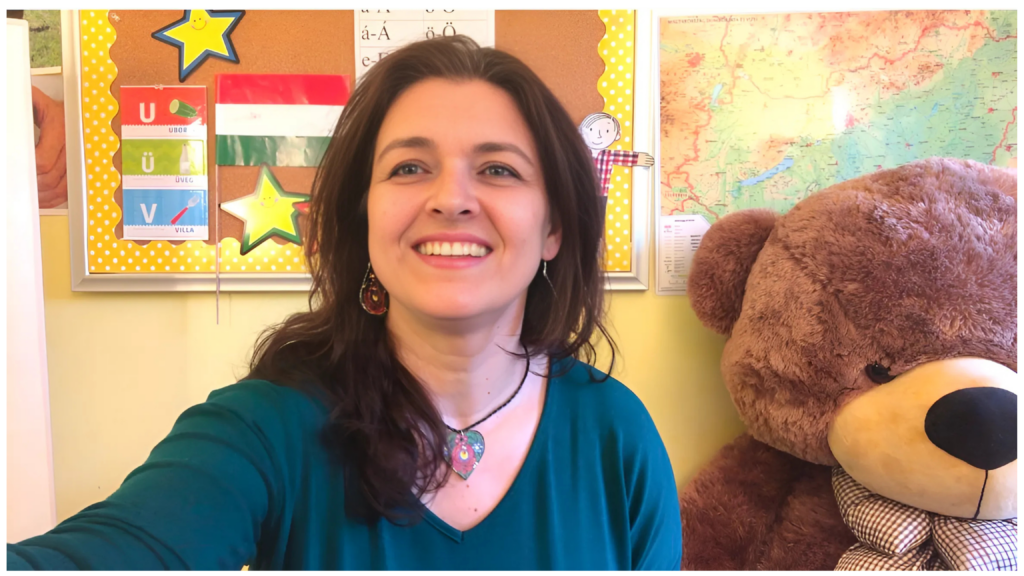
An in-depth interview with Dr. Judit Tamás, who arrived in America thirty years ago as a kindergarten teacher, and after moving to North Carolina, founded the Carolinas Hungarian Group, organized camps for Hungarians for twenty years, and later launched the…
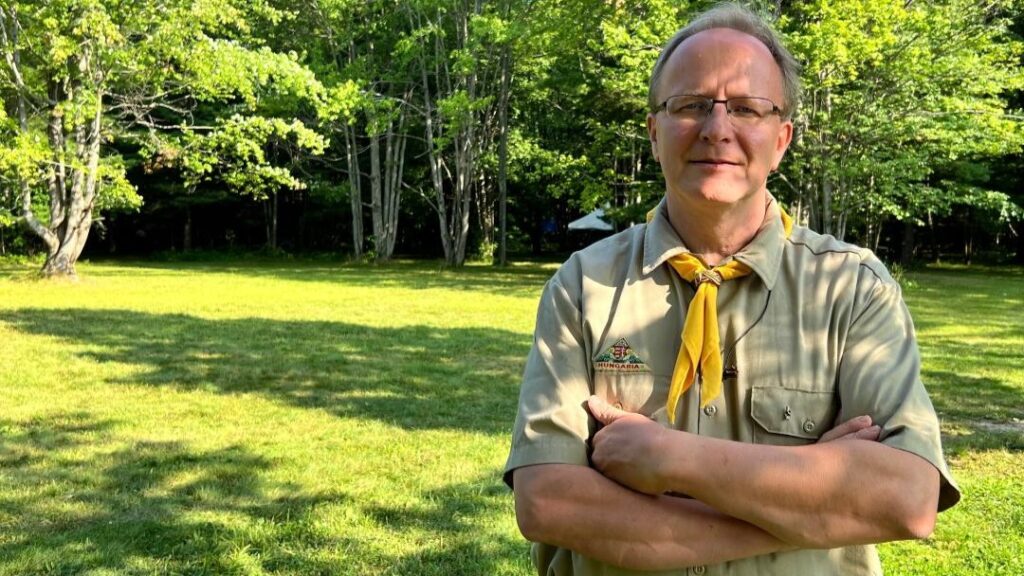
‘When I heard the saying, “Survivors carry the credentials of the forever silenced”, it really touched me. Due to the values instilled in me by the Hungarian scouts and the Piarists, as well as the American attitude of giving back,…
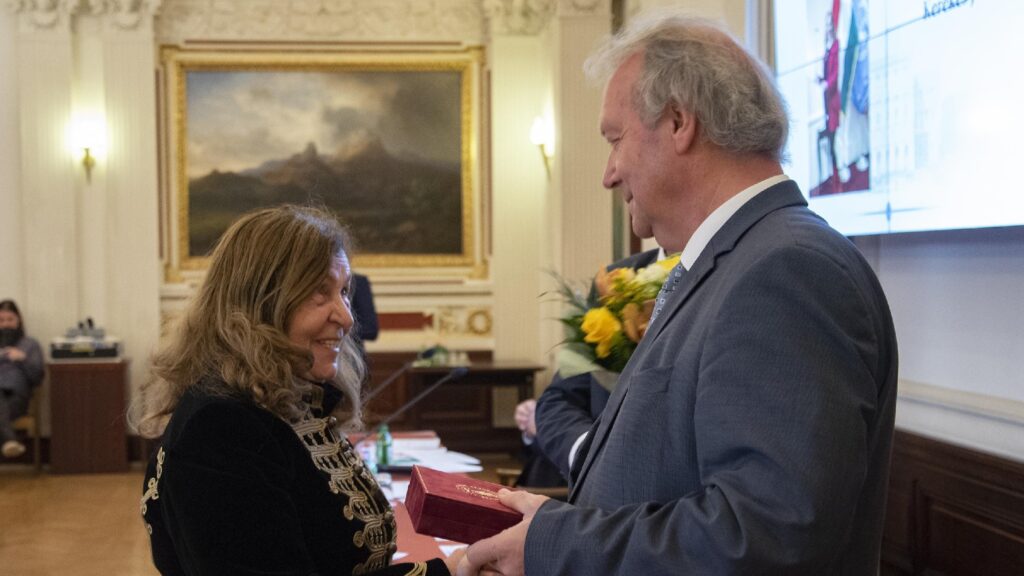
‘Knowledge is yours, but if you keep it to yourself, that’s the end of it. On the other hand, if you pass it on to others, you’ll not have less, while others will have more,’ says Judit Kerekes, professor of…
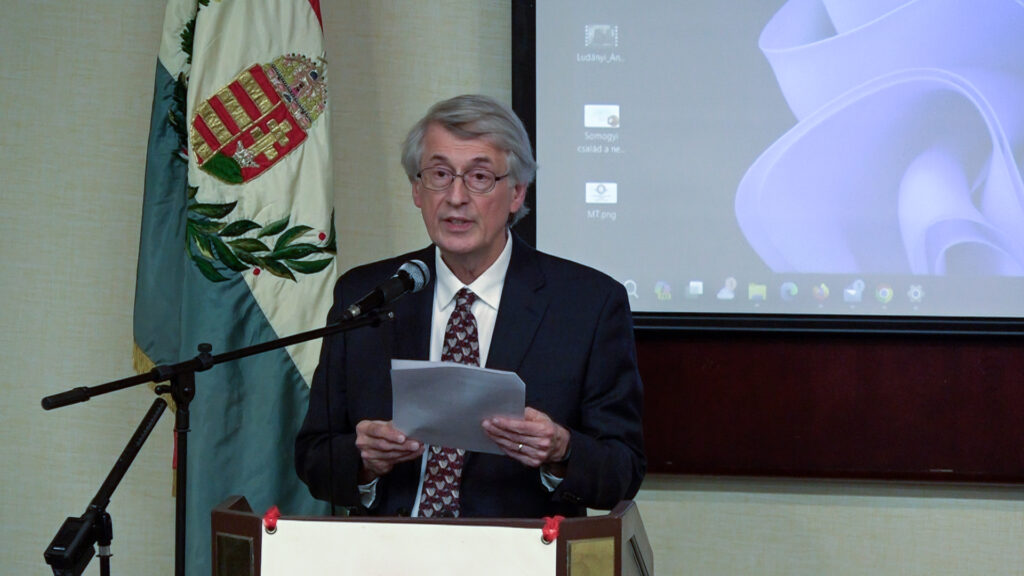
An in-depth interview with Lél Somogyi, son of c-founder of the Hungarian Association, outstanding scholar and Horthy era government official Ferenc Somogyi, about his father’s legacy, his professional career, his family, and his contributions to the Hungarian American community, not…
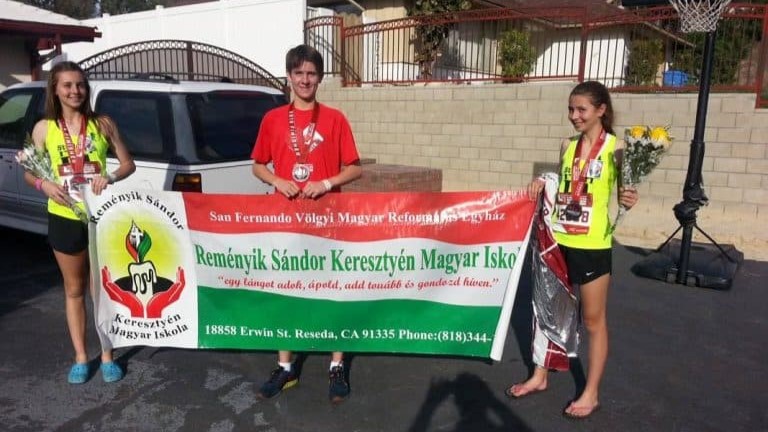
Zsolt Jakabffy answered God’s calling twice: first, when he became a pastor, and then when he moved to California from Transylvania, with the mission of helping the local Hungarian community preserve both their Christian faith and their Hungarian identity. An…
‘It’s very interesting to see to what extent we can acknowledge the fact that diaspora life automatically implies linguistic and cultural assimilation. There’s a growing geographical dispersion; mobility is very characteristic in North America…In 2018 we finally started to talk…about…
An in-depth interview with German teacher Gergely Tóth, who went to the University of Berkeley, California 26 years ago for a doctoral program, then soon became immersed in local Hungarian community life. Since then, his voluntary work has extended from…
‘We’ve been approached much more often by local American organizations to present Hungarian culture to various schools or other groups as part of a larger, multicultural performance. These collaborations have been so invigorating for our whole team that we’ve come…