
Physical artificial intelligence is opening a new era in robotics, as pre-programmed and rigid machines are increasingly replaced by adaptive, learning systems capable of operating safely in complex, changing and unpredictable environments, according to the latest analysis in Deloitte’s Tech Trends 2026 report.
In an analysis, Deloitte said physical AI refers to artificial intelligence systems that enable machines to independently perceive and interpret their physical surroundings and respond to changes in real time. These capabilities are no longer limited to software applications but are appearing in next-generation robots, autonomous vehicles and advanced sensor systems. Unlike earlier rule-based solutions, physical AI systems learn from experience and continuously adjust their behaviour based on current data and conditions.
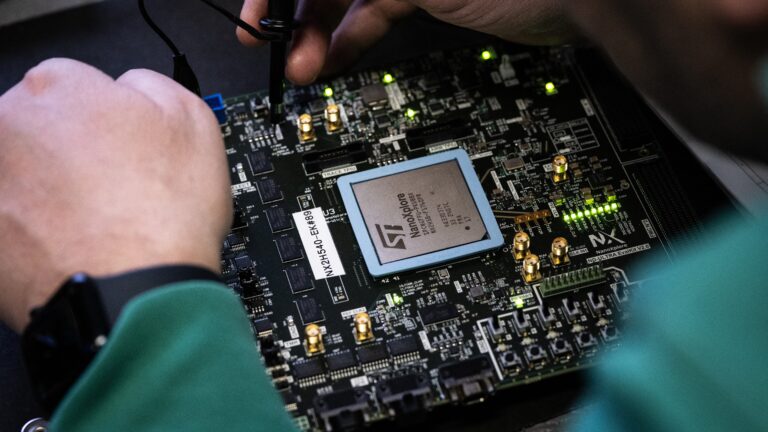
The rapid development of the technology is being driven by several breakthroughs occurring in parallel. Multimodal vision language action models allow robots to interpret complex environments and select the most appropriate actions in a way that resembles human reasoning. Built-in neural processing units enable fast, low-latency computing directly on devices, reducing reliance on cloud-based systems. Advances in robotics hardware, including improved computer vision and more sophisticated sensors, further reinforce these trends. Combined with improving economic conditions, these factors are bringing large-scale industrial adoption closer.
The report notes, however, that widespread deployment of physical AI still faces significant challenges. One of the key technical issues is managing the so-called reality gap, ensuring that systems trained in simulated environments can operate reliably in the real world. Organizations must also navigate complex regulatory frameworks, manage large volumes of diverse data and address questions of human acceptance, particularly concerns related to the future of work.
Despite these challenges, physical AI is already being applied across multiple sectors. In healthcare, AI-driven robotic surgery and autonomous imaging tools are helping to address labour shortages and improve accuracy. In the energy sector, drones are used to inspect networks, while robots are expected to take on hazardous field work in the future to protect human lives. In public services, AI-based drones and autonomous vehicles are supporting infrastructure assessment and monitoring.
According to the analysis, humanoid robots represent the next major stage in the evolution of physical AI. Their human-like structure and movement enable them to operate effectively in environments designed for people, such as factories or even homes, without major infrastructure changes.
Analysts expect the spread of humanoid robots to accelerate significantly over the next decade, with estimates suggesting they could appear in workplaces in the millions, while the market’s value could reach several trillion dollars by 2050. Warehousing and logistics are already key testing grounds, driven by persistent labour shortages and strong demand for the automation of precise physical tasks, the Deloitte Tech Trends 2026 report said.
Related articles: