Many consumers who postponed buying a new computer in anticipation of Black Friday discounts were left disappointed this year, and as the Christmas shopping season went into full effect, many were even more disappointed. Instead of price cuts, several key PC components became so expensive in recent weeks that the total cost of a computer rose by as much as 10–20 per cent.
Those who waited until late November often encountered what amounted to a ‘Black Friday surcharge’. The outlook remains bleak: the trends driving prices higher are expected to persist, meaning even shoppers planning a Christmas purchase are unlikely to see relief.
The impact goes beyond desktop PCs. Analysts warn that next year the same component shortages could significantly raise prices for certain laptops, game consoles and even smartphones, particularly devices reliant on newer, high-performance hardware.
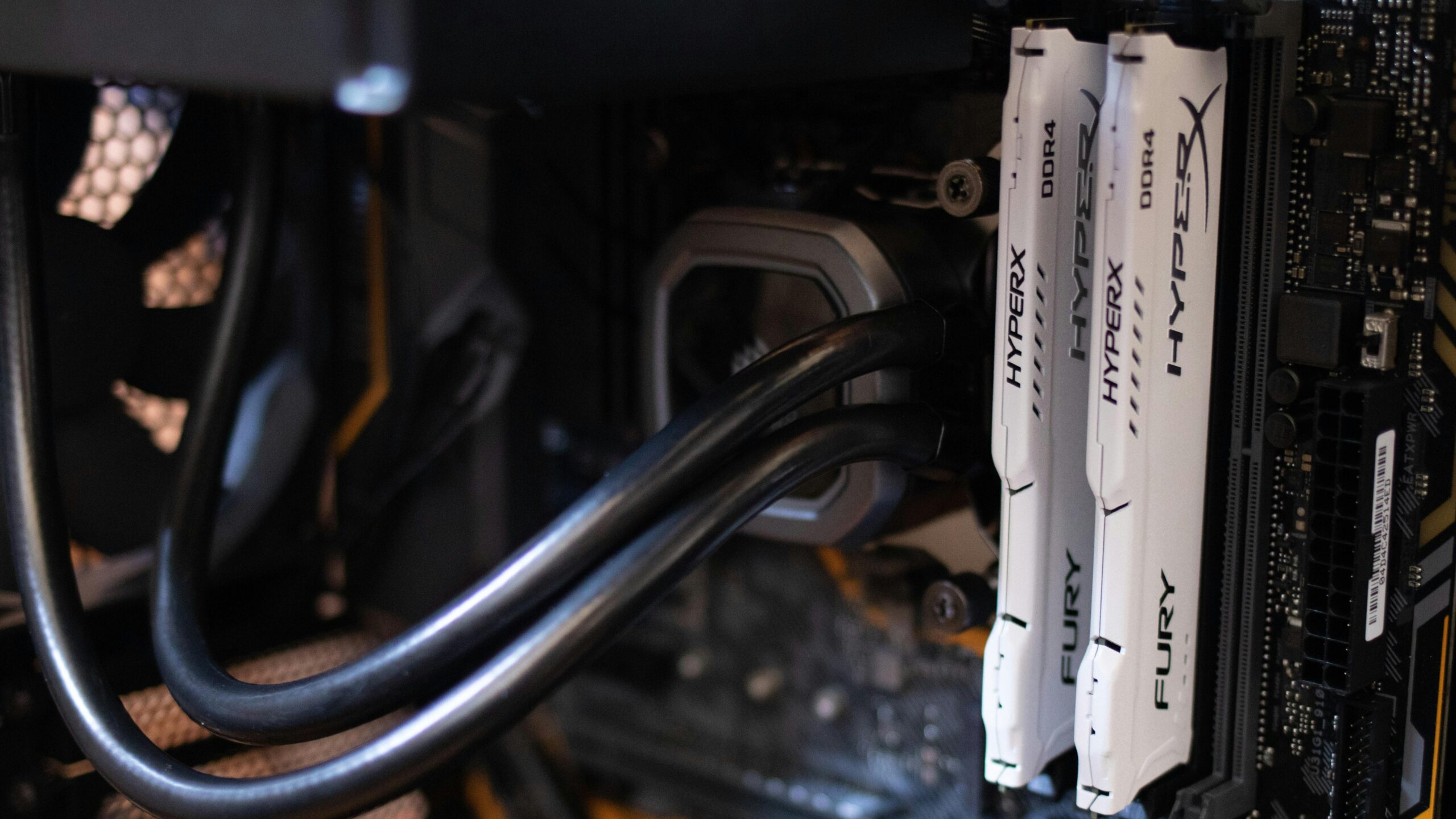
The steepest increases have come from memory modules. Over just a few weeks, RAM prices began fluctuating more like stock market assets than retail goods. In one reported case, a module priced at around 50,000 forints at the start of the week doubled by Friday, before settling near 80,000 forints days later.
This volatility was not confined to Hungary. In the United States, several brick-and-mortar retailers reportedly stopped displaying fixed RAM prices altogether, asking customers to check with staff due to rapidly changing market conditions.
Both short-term memory (RAM) and, to a lesser extent, storage devices have been affected. The most dramatic rises were seen in DDR5 memory, currently the most advanced consumer standard, though older DDR4 modules also became significantly more expensive. Price comparison data show that many DDR5 products began rising in October, then jumped again in the week before Black Friday. In some cases, prices quadrupled between September and December.
According to aggregated data, the average price of all DDR5 modules available in Hungary rose by around 150 per cent between early October and the final week of November. International data suggest similar trends, with DDR4 prices doubling or tripling in mid-2024, while DDR5 prices climbed even faster over a shorter period.
Storage prices increased more moderately. Internal drives such as hard disks and SSDs (Solid State Drives) rose by about 22 per cent in Hungary between early October and late November. Shoppers who closely followed tech news rushed to buy before further hikes, making memory and storage among the most popular products on major e-commerce platforms.
The rising cost of components has been most visible in gaming PCs capable of running modern, demanding titles. However, any device containing memory or storage may be affected. Industry rumours suggest that while some console makers stocked up in advance, others may soon be forced to raise prices. Upcoming hardware, including next-generation gaming machines planned for 2026, is also expected to reflect higher component costs.
‘The rising cost of components has been most visible in gaming PCs capable of running modern, demanding titles’
So far, smartphones have largely avoided dramatic price increases in Hungary, with recent changes mostly limited to low single-digit percentages. But this may not last. Executives at major manufacturers have already blamed unexpectedly high memory prices for more expensive new models, and reports indicate that further price rises are under consideration.
At the root of the problem is booming demand from the artificial intelligence sector. Data centres powering large language models require vast quantities of high-capacity memory and fast storage, drawing manufacturing capacity away from consumer electronics. AI training and operation depend heavily on SSDs and advanced memory chips, many of which are produced using the same components found in PCs and laptops.
Major chipmakers are increasingly prioritising AI-focused products, with some even exiting consumer segments altogether. Market analysts expect this strategy to continue, as AI customers are willing to pay more than traditional electronics manufacturers.
Forecasts suggest that this shift will keep consumer prices under pressure. Entry-level smartphones could see component costs rise by 5–7 per cent next year, while laptops may become 10–15 per cent more expensive if manufacturers pass costs on to buyers. For consumers hoping for a return to affordable upgrades, relief may still be years away.
Related articles: