‘Diplomacy doesn’t open doors with a twist of the wrist. Diplomacy never works. It never works…It’s getting to “no” over, and over, and over. The answer will be “no,” so don’t stop when you hear it. Diplomacy never works. Until it does…One of the boneheaded truisms of foreign policy is that talking to your enemies legitimizes them. Talk to everyone. Talk to the dictator. Talk to the war criminal. Talk to terrorists. Talk to everyone. Fail. And fail again. And fail again—because maybe, eventually…it works.’
The above quote is from Hal Wyler, a seasoned diplomat who eventually becomes the vice president of the United States in Netflix’s surprisingly accurate political thriller series The Diplomat. There are few instances when Hollywood shows can and should serve as guidance for real-life politicians; however, this is exactly one of those cases—at least partially.
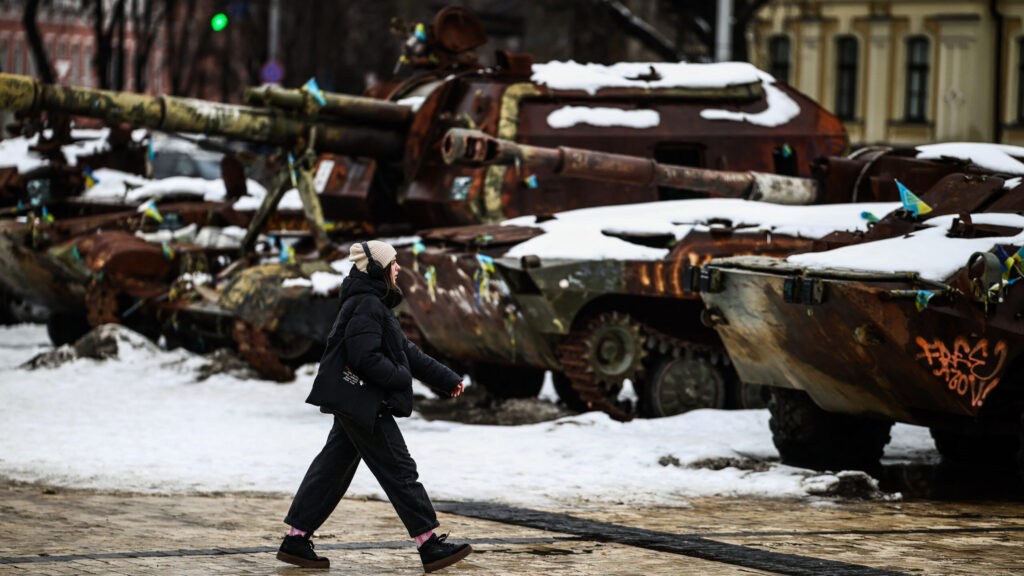
As the war in Ukraine enters its fifth year, claiming that we are closer to a ceasefire or a peace agreement feels somewhat dull. We have heard this argument countless times since the war broke out—especially since US President Donald Trump returned to the White House a year ago. Nevertheless, this time it might actually hold some truth.
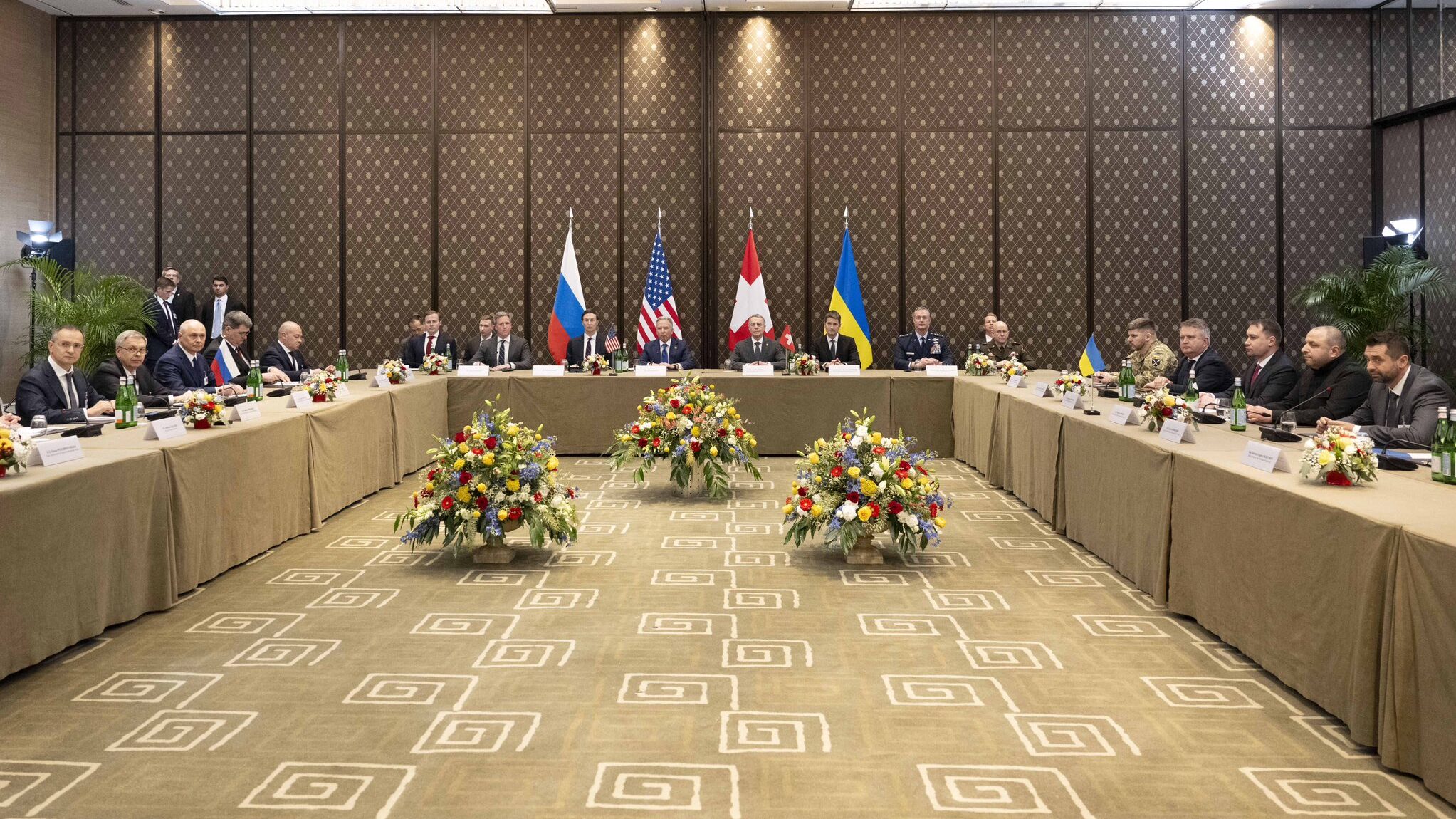
The past year has brought significant developments in diplomatic efforts to end the war raging in the European Union’s neighbourhood for four long years. Breaking with what Hal Wyler described as ‘one of the boneheaded truisms of foreign policy’, the Trump administration reopened communication channels with Russia almost immediately after taking office, laying the groundwork for the ongoing talks between Moscow and Kyiv. These negotiations gained renewed momentum at the beginning of 2026, with multiple rounds held in locations such as Abu Dhabi and Geneva.
If someone had said in 2024 that within a year the United States, Ukraine, and Russia would be engaged in continuous negotiations, most would have dismissed it outright. At the time, what has been achieved since then did not seem remotely realistic. And yet, here we are.
While a major breakthrough still has not materialized, the positions of Moscow and Kyiv are clearly closer than they were a year ago. As the frontlines have largely stalled and the war has increasingly become dominated by drones, both sides have begun to recognize that some form of compromise is inevitable. The conflict has crippled both economies, destroyed large parts of critical infrastructure, and cost countless lives.
Russia’s initial objective—removing Volodymyr Zelenskyy’s government and installing a pro-Russian leadership in Kyiv—has, by most accounts, been scaled back. Moscow now appears willing to settle for control over the Donbas region without direct political influence over Ukraine as a whole.
Ukraine’s definition of victory has also evolved significantly. What once centred on NATO membership and the full restoration of its 1991 borders has shifted toward a more pragmatic position: openness to territorial compromises and a potential freeze along the current line of contact, paired with Western security guarantees.
‘Washington understands how diplomacy actually works’
The reason such progress has been possible is simple: Washington did not stop when both sides kept saying no. It did not stop after the first rejection, or the tenth, or the fiftieth. And it is unlikely to stop even if more refusals follow in the months ahead.
With Donald Trump back in the White House, the United States has a clear political interest in ending the war—this was one of his central campaign promises in 2024. As the 2026 midterm elections approach, delivering tangible results in these negotiations is becoming increasingly important for the administration.
But political interest alone does not explain the shift. The deeper reason is that Washington understands how diplomacy actually works—at least in the sense described by Hal Wyler. You talk to everyone. You do not isolate one side and expect a deal to emerge. Because the moment you cut off communication, you are no longer doing diplomacy—you are managing a stalemate.
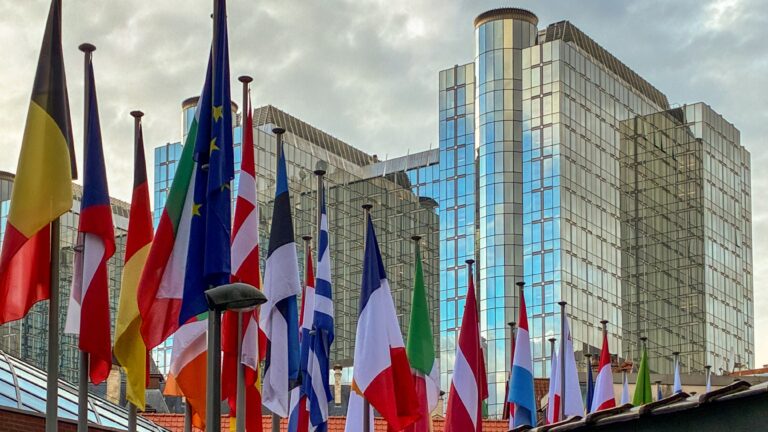
This is precisely where most of the European Union continues to fail. With the exception of Hungary and Slovakia, EU member states have largely maintained a strategy of limited or non-existent engagement with Moscow. This effectively sidelines them from meaningful participation in the peace process. Instead of recalibrating, Brussels has doubled down on a moralized foreign policy approach that leaves little room for pragmatic negotiation.
The consequence is obvious: Europe risks being excluded from shaping the continent’s future security architecture. And whether Brussels likes it or not, that architecture will include Russia. Ignoring this reality does not eliminate it—it only ensures that Europe has less influence over it.
If diplomacy is to succeed, European leaders will have to abandon the illusion that refusing to talk is a strategy. Re-engaging with Moscow would not guarantee a breakthrough—but it would at least create the conditions under which one becomes possible. It would also give Europe a chance to shape its own future, rather than watching it being decided elsewhere.
Even then, a real breakthrough may still take months or even years. There will be more failed rounds, more dead ends, more ‘no’s. But that is how diplomacy works. You keep going—again and again—because at some point, one of those attempts might finally deliver results.
Because diplomacy never works. Until it does.
Related articles: