This writing seeks to outline a non-comprehensive but certainly valuable and, hopefully, interesting list of common Christmas traditions that a lot of Hungarians hold. Its aim is to provide a solid, easily digestible summary of some of the customs certain areas of Hungary and some families maintain. The question to be asked is: what constitutes a traditionally Hungarian Christmas in terms of ceremony and traditions, such as worship, foods, music and familial gatherings?
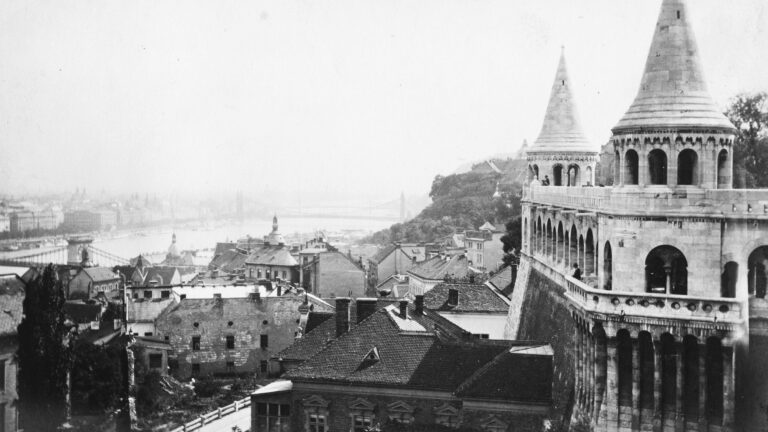
Hungary is now over a thousand years old as a Christian country. Since the coronation of King Saint Stephen I, the nation has endured as a European nation with a Christian faith. It is also of high importance to consider that not only is faith influential and the grounding reason for the traditions, but history and cultural proximity are also determining factors in their expression.
Since Hungary is a landlocked nation in the heart of Central Europe, some of these traditions might be, in some form, found in other countries surrounding it. Also, it is important to state that many Hungarians today live outside of the country but practice a lot of the same traditions.
The Tradition of Christmas Eve
In Hungary, Christmas begins and is mainly celebrated on the eve of the holiday. This effectively means that when someone refers to the celebration of Christmas, a Hungarian will most likely think of Christmas Eve on the 24th of December. A definite contrast to the Anglo-world’s idea of Christmas being primarily celebrated on the morning of the 25th of December. The cold, dark outside environment creates a contrast with the warm, bright inside during the celebration.
Jézuska or Angyalka
Instead of Santa Claus, Hungarians receive their gifts from Jézuska or Kis Jézus (Little Jesus or the Christ Child), sometimes delivered by the Angyalka (Little Angel). These gifts are then opened on the Eve of the 24th, whereafter, usually, the feasting with the family begins. Notably, Santa or Mikulás (Hungarian Santa Claus) visits on the 6th of December on the Catholic Feast of Saint Nicholas.
Midnight Mass and Christmas Service
It is very popular for Hungarian Catholics to attend Midnight Mass. For this celebration, most of the local community gathers at their parish church, attends the Mass at 12am and also prays together. Traditionally, only after Mass, meaning in the middle of the night, would the feasting and the food consumption begin. Until then, it is considered to be a prayerful waiting period. Protestants attend worship services during the celebration, usually during the day on the 25th of December.
Traditional Christmas Foods
Lots of Hungarian families commonly have similar foods on Christmas Eve. These can and often include töltöttkáposzta (stuffed cabbage), halászlé (Hungarian fish soup) or some other sort of fish dish and some type of roasted bird, such as a duck. In terms of desserts, bejgli (walnut or poppy seed rolls) and mézeskalács (Gingerbread) are highly popular.
Hungarian Christmas Songs
Hungarian Christmas songs are somewhat different from the English traditional Christmas carols. They are uniquely Hungarian in character and feel. Some examples are: Pásztorok, Pásztorok (Shepherds, Shepherds), Mennyből az angyal (The Angel from Heaven), Csordapásztorok (Flock Shepherds) or Kiskarácsony, nagykarácsony (Little Christmas, Big Christmas). There is also a tradition, less so followed today in many areas, to go around nearby neighbourhoods and sing Christmas hymns. Local carols of ordinary people would knock on doors and ask permission to sing a few Christmas songs to the families; this tradition in Hungary is known as kántálás (carolling).
Some Festive Hungarian Sweets
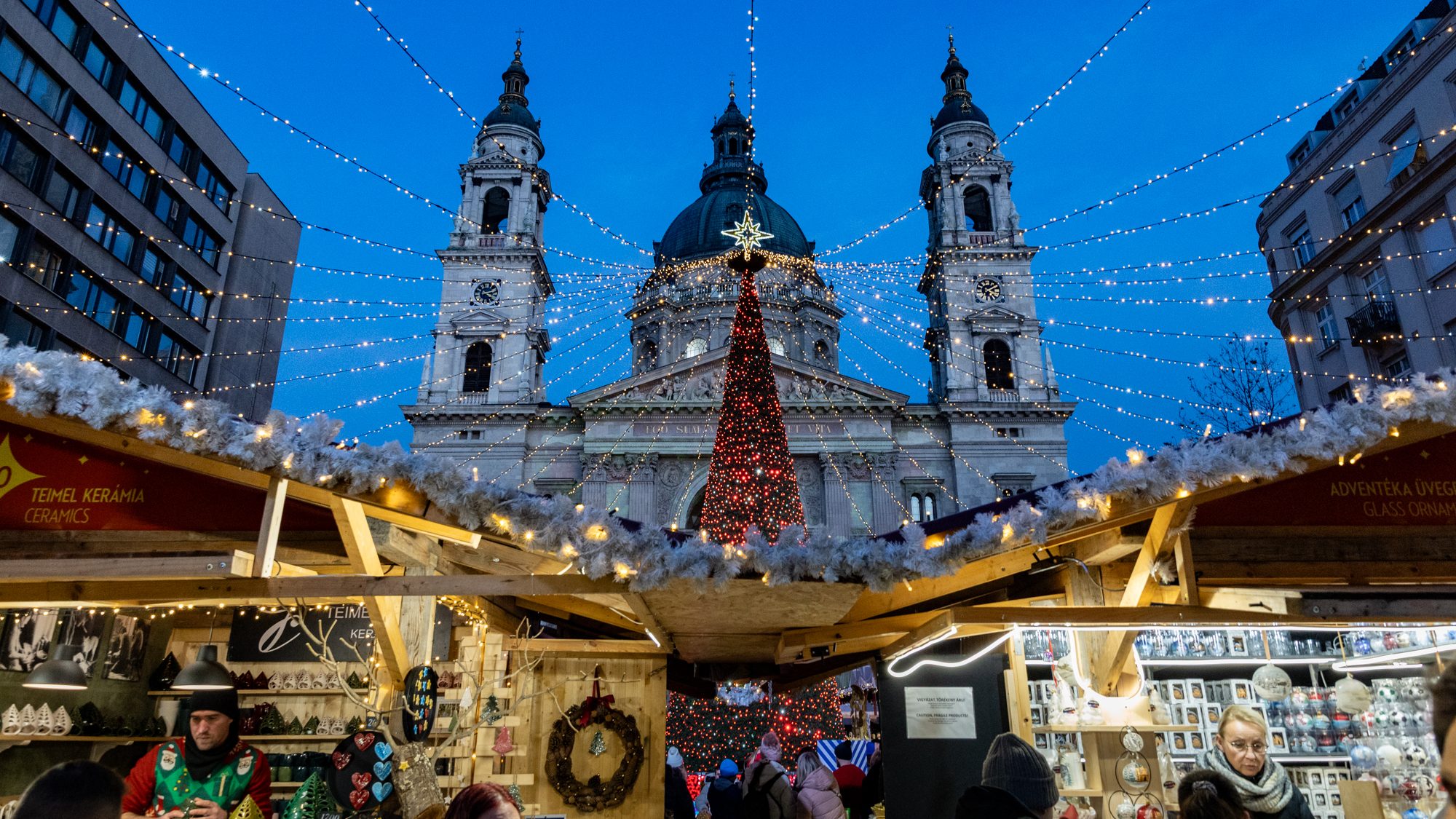
Finally, this area constitutes a category of its own. It is the area of specific, traditionally Hungarian sweets, consumed during the festive season. One of them is the famous kürtőskalács (chimney cake), widely consumed around Hungarian Christmas markets along with forralt bor (mulled wine). Another very popular traditional national favourite is the szaloncukor (a uniquely Hungarian Christmas candy). These are wrapped in a wonderful shiny packaging and often hang on Christmas trees as edible decorations. They consist of a fondant-like filling, sometimes with marzipan, which is a recognizable national food and custom.
This was an overview of some of the Christmas-time traditions many Hungarians tend to follow. Hopefully, it is interesting and provides some insight into an area which, for a lot of people, is self-understood, thus rarely expressed, thereby often remaining a mystery to others.
Related articles: