In the previous parts of this series, I argued that Europe is no longer debating its future—it is fighting over it. I showed how this works in practice: competence creep has become a recurring method of EU governance, while the Treaty safeguards meant to protect Member State sovereignty have proved too weak.
The next question we must ask now is: what can we do?
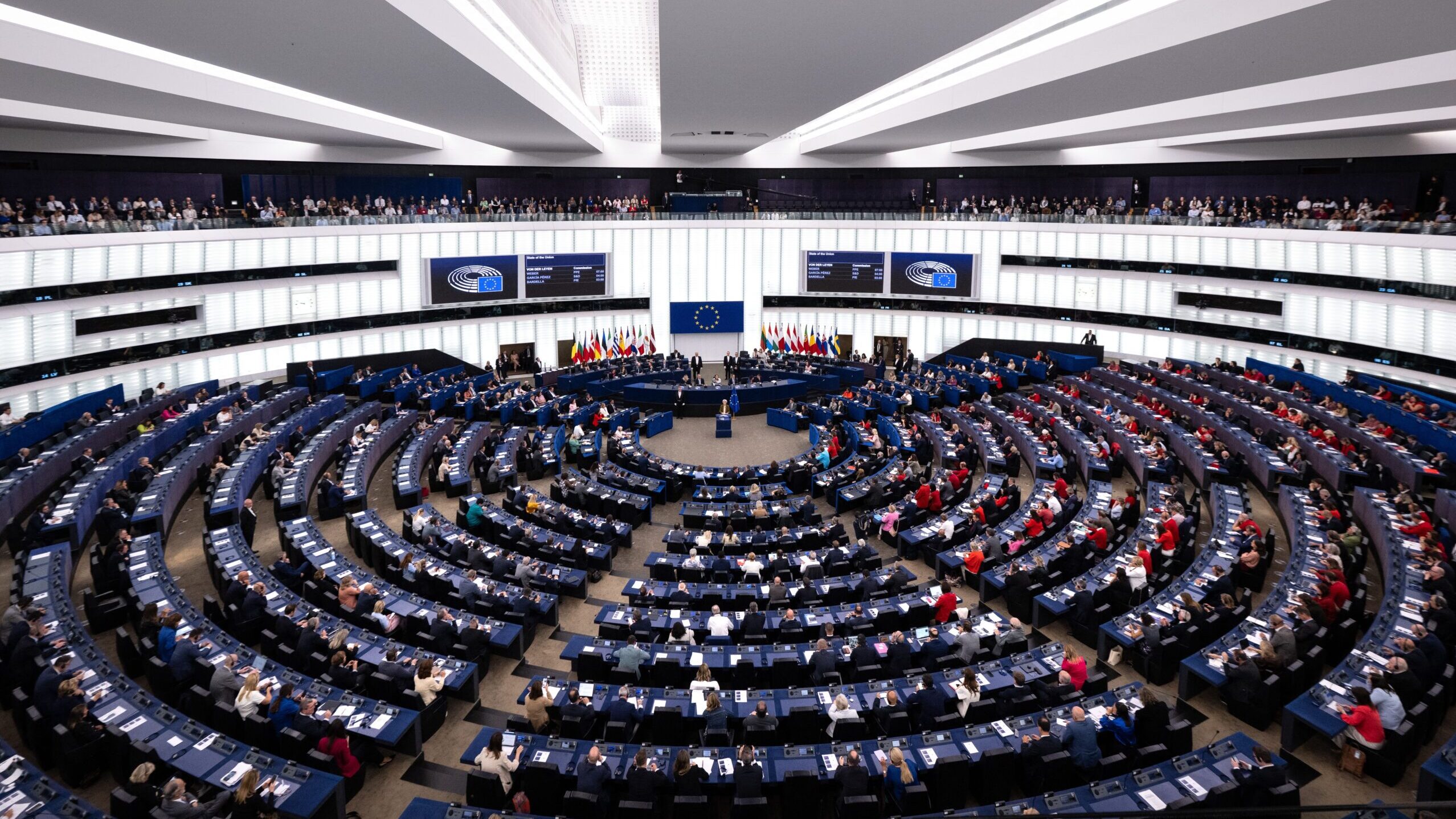
Because the problem is no longer theoretical, today, a silent constitutional coup is unfolding in the European Union—a power grab executed without democratic mandate, against the will of Europe’s nations and citizens. This process is taking place in open defiance of both the letter and the spirit of the Treaties. It bypasses Member States, sidelines national parliaments, and gradually dismantles the constitutional balance on which European cooperation was originally built.
Let me be clear: in a Europe of sovereign nations, Member States are the custodians of European integration and the exclusive holders of sovereignty. Only they can decide which competences they wish to exercise jointly. If this decision is taken out of their hands, sovereignty is no longer shared; it is confiscated—and integration without sovereignty is nothing but empire-building.
This is precisely why the Hungarian government launched a systematic review of EU competences. The review has now been completed, and its conclusion is clear: competence creep has become general practice in the EU, while the current system of checks and balances does not function effectively enough to stop it.
Restoring Balance
If the existing safeguards have failed, then the answer is not more rhetoric—but decisive political action. We must halt further centralization and restore the authority of Member States. To protect Member State sovereignty, new solutions, instruments, and coordinated action are required.
Our review, as a basis for discussion, puts forward several proposals. Some require a treaty change; others could be implemented without that, if there is political will.
For instance, the Treaties already provide for the possibility of specialized courts. Therefore, we propose the establishment of a specialized competence court to settle disputes concerning the division of competences and to put an end to jurisdictional overreach by EU institutions.
We also recommend a more detailed competence catalogue in the Treaties. Although they already contain a classification of competences, the current catalogue is too vague and too easily reinterpreted. We need clear, precise and enforceable rules that leave no room for political manipulation.
Furthermore, we propose strengthening the role of national parliaments. They are the primary democratic representatives of European citizens—not Brussels bureaucracies. The current early warning system provides only limited influence. The introduction of red- and green-card procedures would allow national parliaments to block legislative proposals with a qualified majority, or initiate legislation themselves with sufficient support.
We also suggest introducing an ‘emergency brake clause’, according to which, if a number of Member States declare that strategic national interests or constitutional traditions are at stake, decisions could only proceed with unanimity in the European Council.
In the longer term, a broader strategic shift is needed. Europe must abandon the illusion of forced uniformity to avoid internal tension within the European Union and the risk of disintegration. The motto of united in diversity should be applied in practice too, to ensure that the level of integration is determined by the conscious and sovereign decisions of the Member States, while the deepening of integration does not happen through competence creep.
A Patriotic Turn
European cooperation has reached a critical point. Today, we can no longer draw a clear line between Member States and EU competences based on the EU Treaties. The EU law no longer recognizes any Member State institution that could declare: ‘This far and no further.’
This process must be stopped—and reversed.
‘Europe must rediscover a simple truth: only strong nations can build a strong Europe’
Member States and European citizens must regain control over European cooperation and EU institutions.
The patriotic turn that is now beginning across the continent will hopefully reshape the Union. Nations are raising their voices, demanding respect, demanding sovereignty, demanding a Europe that serves them—not rules over them. This movement will reshape the Union, whether Brussels likes it or not. Europe must rediscover a simple truth: only strong nations can build a strong Europe. There is no Europe without nations, and no democracy without sovereignty.
This is the only way to save Europe—from drifting into a post-democratic project, detached from its citizens, its laws, and its founding principles.
Related articles:
At a time when public debate is increasingly polarized and superficial, Hungarian Conservative remains committed to depth, intellectual honesty, and independent conservative thought.
Producing high-quality journalism requires resources. Your contribution helps us expand our coverage, reach new audiences, and keep our content accessible.

Please consider supporting our mission.