Summer heatwaves are pushing Hungary’s electricity demand close to record levels, increasing the importance of flexible power plants and large-scale battery storage in maintaining grid stability, according to Danubius Erőmű Ltd, which operates the Gönyű Power Plant and is owned by the Veolia Group.
The company said the greatest challenge for the electricity system does not occur during midday, when solar generation can create temporary oversupply, but in the evening. As photovoltaic output rapidly declines after sunset, electricity demand remains elevated due to widespread air conditioning use.
This imbalance has had a significant impact on electricity prices. During recent heatwaves, wholesale market prices during the evening peak climbed to between €600 and €700 per megawatt-hour.
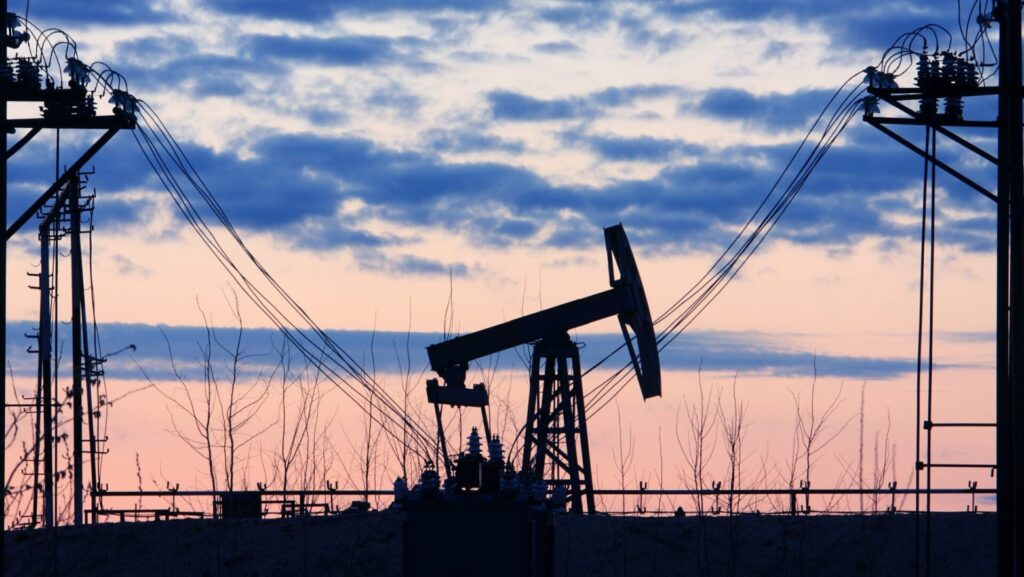
Danubius Erőmű said rapidly dispatchable power stations have become increasingly valuable under these conditions. Its Gönyű combined-cycle gas-fired power plant, with 428 MW of flexible operating capacity, can adjust its output between 150 MW and its maximum available generation according to the transmission system operator’s requirements.
Although no electricity production had originally been planned for the second quarter, the company said the prolonged heatwave required the plant to help balance the national grid for nearly half of the period. The facility typically shuts down around midday when solar generation peaks before restarting between 6:00pm and 9:00pm, when national electricity demand can reach 7,000 MW.
During the highest demand periods, the plant also deployed its 10 MW diesel generators for two to three hours to support the grid.
According to the company, the Gönyű plant’s location and relatively low water consumption allow it to operate reliably even during extreme heat, unlike some river-cooled power stations whose output can be restricted when water levels fall and river temperatures rise because of environmental regulations.
Veolia expects large-scale battery storage to play an increasingly important role in the future. The company is planning a utility-scale battery energy storage system that would store excess electricity generated during the day—primarily from solar power—and feed it back into the grid during the evening consumption peak.
The company said investments in battery storage, together with flexible generating capacity, will be essential to improving the resilience of Hungary’s electricity system as climate change increases the frequency and intensity of summer heatwaves.
Veolia acquired full ownership of the Gönyű Power Plant at the beginning of 2025. The combined-cycle gas turbine (CCGT) facility is one of Hungary’s largest power plants and has sufficient installed capacity to supply electricity to approximately 600,000 consumers.
Related articles:
At a time when public debate is increasingly polarized and superficial, Hungarian Conservative remains committed to depth, intellectual honesty, and independent conservative thought.
Producing high-quality journalism requires resources. Your contribution helps us expand our coverage, reach new audiences, and keep our content accessible.

Please consider supporting our mission.