The case of Noelia Castillo, a 25-year-old Spanish woman who died by euthanasia, has opened another line of conflict between the Trump administration and Europe, as Washington has ordered a formal inquiry into the Spanish government’s handling of the case, according to a leaked diplomatic cable obtained by the New York Post.
According to the alleged cable, the US State Department instructed its embassy in Madrid to investigate what it described as ‘serious concerns’ over ‘systematic human rights failures’ surrounding Castillo’s case.
Castillo, a multiple rape victim who became paraplegic following a suicide attempt in 2022, died last Thursday after a prolonged legal battle with her father, who had sought to block the procedure. Spanish courts and the European Court of Human Rights ultimately ruled in her favour, affirming that she met the legal criteria for euthanasia based on chronic and irreversible suffering.
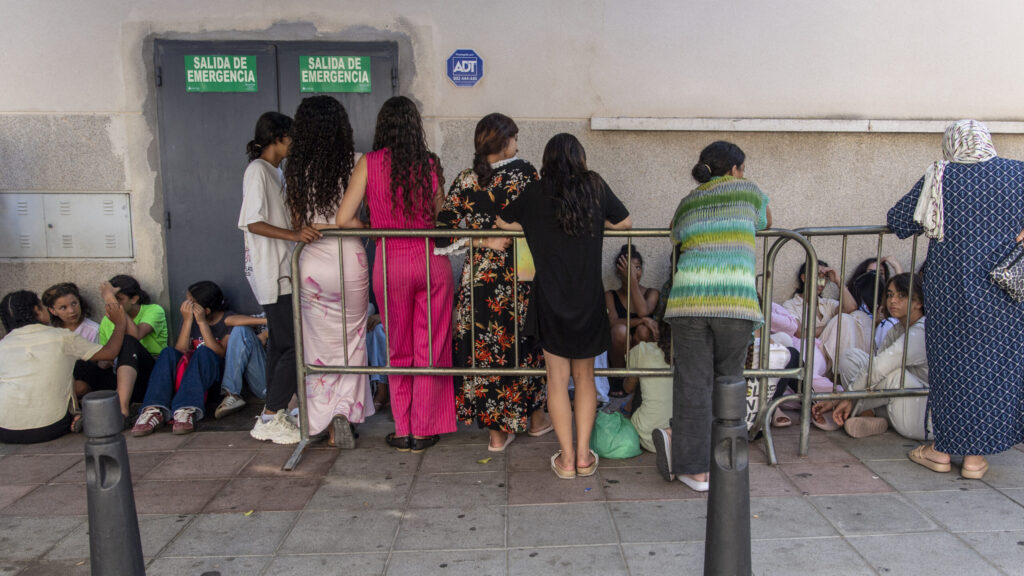
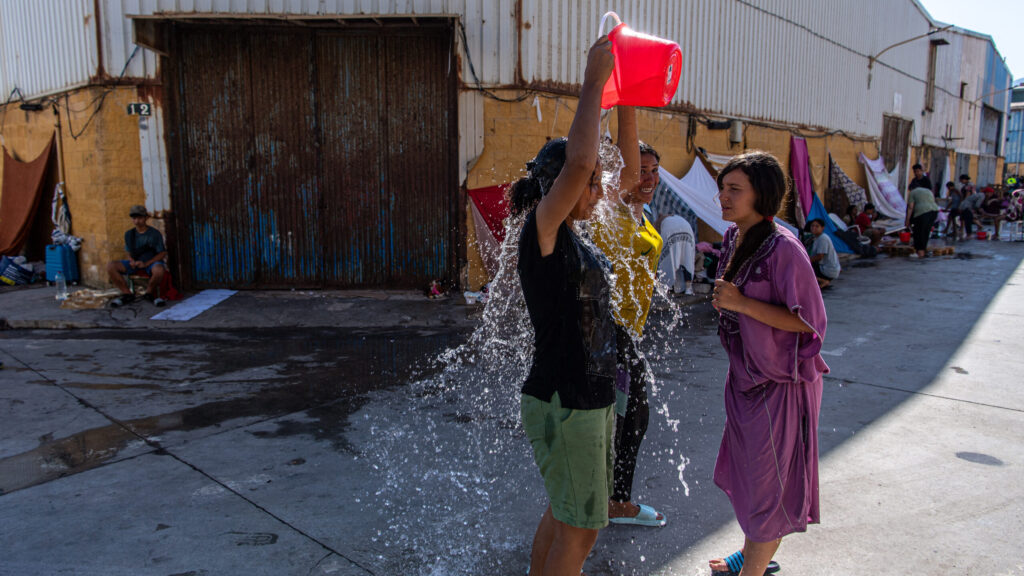
Her case drew international attention and outrage among many conservatives. Central to the controversy are claims—referenced also in the US diplomatic cable—that Castillo was the victim of repeated sexual assaults, including gang rape, some of which were allegedly committed by individuals of a migrant background in a state care facility.
Noelia Castillo Ramos was euthanised yesterday at around 6 p.m. local time at Hospital Residencia Sant Camil near Barcelona.
— Visegrád 24 (@visegrad24) March 27, 2026
In 2022, Noelia was placed in a state institution amid family difficulties.
There, she was gang-raped by a group of North African migrants.
The trauma… pic.twitter.com/C6xB7PMBMq
The State Department has tasked embassy officials with obtaining information on the identity and legal status of the suspected perpetrators, including whether they were unaccompanied minors, and assessing whether legal or procedural barriers prevented prosecutions. These claims are based on information from her father’s legal team; Castillo herself did not publicly address that specific aspect of the assaults.
‘We are deeply concerned by allegations that Ms Castillo was repeatedly sexually assaulted while under state care and that no perpetrators have been brought to justice,’ the US diplomatic cable states, according to the New York Post.
‘Spain’s euthanasia regime is among the most permissive in Europe’
It also raises concerns that Castillo may have ‘expressed hesitancy’ in her final hours, suggesting potential shortcomings in the safeguards governing euthanasia procedures. The probe will examine both the handling of the alleged sexual assaults against Castillo and the circumstances under which she was permitted to undergo assisted suicide under Spain’s 2021 euthanasia law.
Spanish authorities have rejected the US intervention, framing it as an intrusion into domestic affairs. Health Minister Mónica García defended the country’s euthanasia framework as ‘guaranteed, regulated, and overseen by multiple levels of medical and judicial review’. She also accused US President Donald Trump of supporting and carrying out ‘human rights violations’ in Gaza and Iran.
En Estados Unidos mueren cada año miles de personas sin seguro médico, mientras Trump apoya y ejecuta vulneraciones de derechos humanos entre Gaza e Irán.
— Mónica García (@Monica_Garcia_G) April 1, 2026
Que deje de alimentar la agenda ultra internacional metiendo sus narices en cualquier sitio.
España es un país serio, con… pic.twitter.com/sU0cnm7RrT
Spain’s euthanasia regime is among the most permissive in Europe, allowing assisted death not only for terminal illness but also in cases of severe, chronic suffering. Castillo’s case has reignited debate over the legislation, with pro-life critics—including the Spanish Catholic Church, the right-wing Vox party, and advocacy groups—condemning the decision as a ‘failure of protection’, arguing that the state did not adequately safeguard a vulnerable individual before facilitating her death.
They argue that the law has expanded too far beyond terminal illness, risking the normalization of suicide in cases involving trauma and psychological distress, and raising doubts about whether Castillo’s consent—given her history of mental health issues and prior suicide attempt—was fully free and informed.
Supporters of euthanasia, however, argue that the case demonstrates the functioning of a rigorous legal and medical framework that ultimately respected her autonomy.
Related articles:
At a time when public debate is increasingly polarized and superficial, Hungarian Conservative remains committed to depth, intellectual honesty, and independent conservative thought.
Producing high-quality journalism requires resources. Your contribution helps us expand our coverage, reach new audiences, and keep our content accessible.

Please consider supporting our mission.