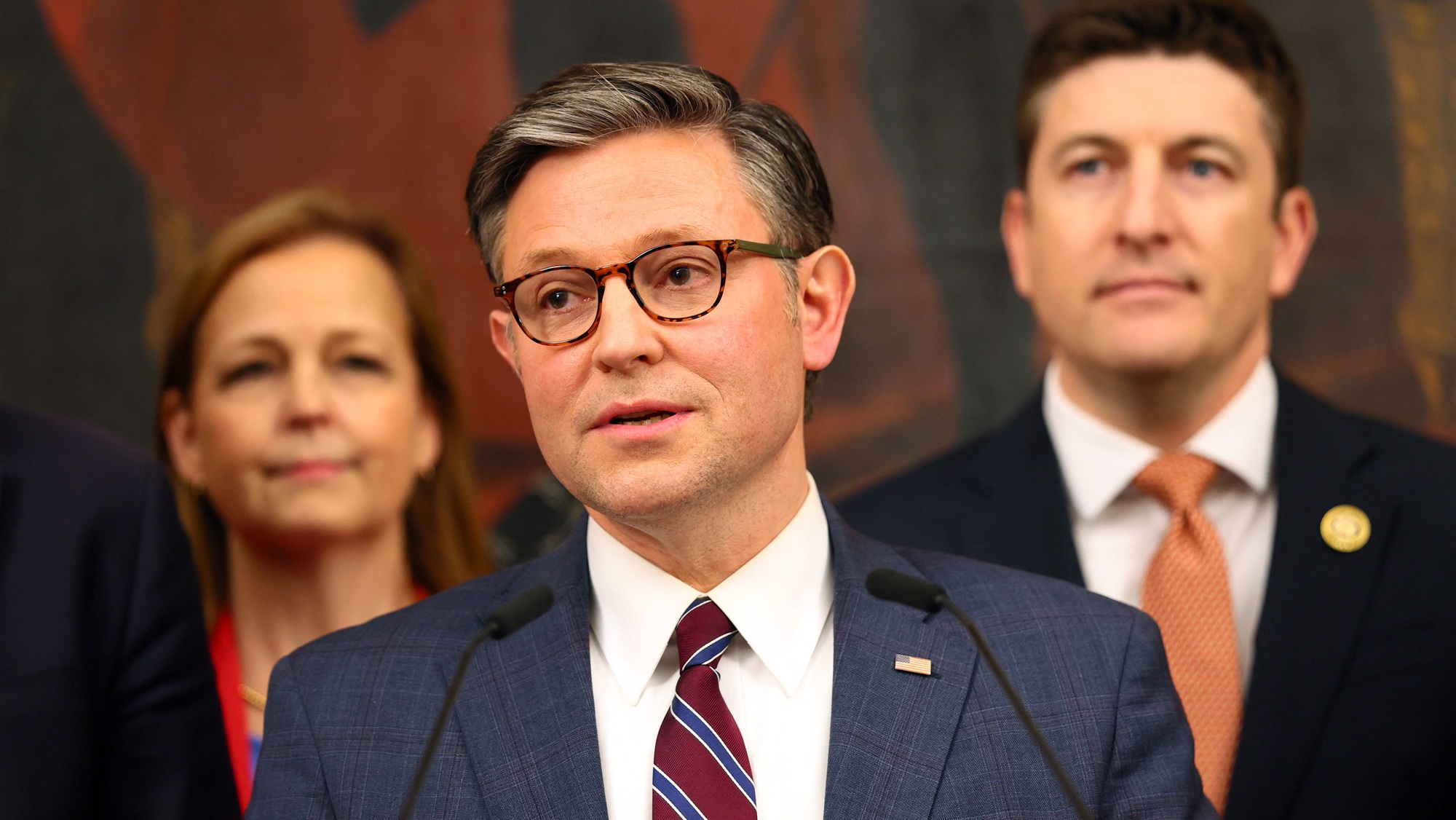
In a 218–213 vote, the US House of Representatives passed the Safeguard American Voter Eligibility (SAVE) Act on Thursday, 12 February. The proposed legislation would require the showing of proof of citizenship when registering to vote.
All Republicans present voted in favour, while only one Democrat, Representative Henry Cuellar of Texas, broke from his party to join them.
The actual text of the Act states its purpose is ‘to amend the National Voter Registration Act of 1993 to require proof of United States citizenship to register an individual to vote in elections for Federal office, and for other purposes’. It then lists what would meet the definition of a proof of citizenship. There, it casts a pretty wide net: ‘A valid government-issued photo identification card issued by a Federal, State or Tribal government showing that the applicant’s place of birth was in the United States,’ is just one of the list of acceptable documents, along with a valid US Passport.
This is important to note as misinformation on X and other social media platforms has been circulated by some users, claiming that a valid US Passport, which only around half of all Americans have, would be required to vote in accordance with the SAVE Act. However, that is not accurate: a passport is just one of the options.
Another common complaint seen online is about married women whose birth certificates have their maiden name on them. Again, that is quite a peculiar argument to make: married women, too, can have driver’s licenses or passports with their new legal name on them, and their maiden name is still documented.
Accusations of racism have also been levelled at the bill by Democratic Members of Congress, based on the dubious claim that people of colour in the US have difficulties in acquiring a photo ID.
It is not surprising that Democrats are grasping at straws with this issue. As even CNN pointed on a segment, the vast majority of Americans approve of showing photo ID to vote (according to the numbers cited by CNN, 95 per cent of Republicans and 71 per cent of Democrats), and ten out of the 50 states already have it on the books as a strict requirement for voting.
Despite all that, the SAVE Act still has an uphill battle to actually become law.
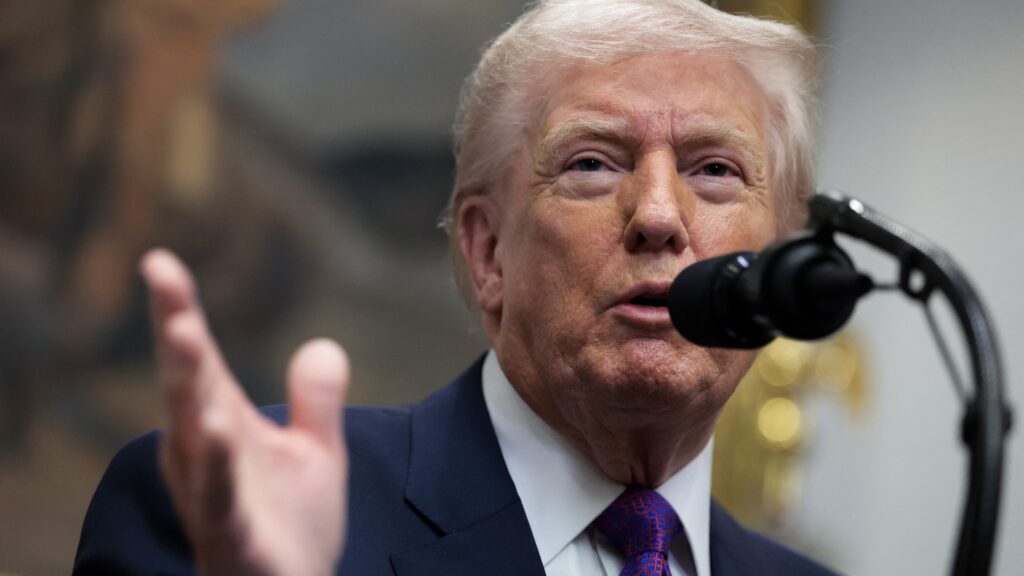
It will now head to the Senate, where the GOP has a 53–47 majority. However, President Trump’s party still would need seven senators to join them from the opposition—60 votes are needed to get past the filibuster and have the Senate actually vote on a bill.
One Democrat, Senator John Fetterman of Pennsylvania, has already expressed his support for the SAVE Act. However, he is the one Democrat in Congress who habitually reaches across the aisle; finding six more of his fellow party members is a near-impossible challenge for Republicans.
Read next: