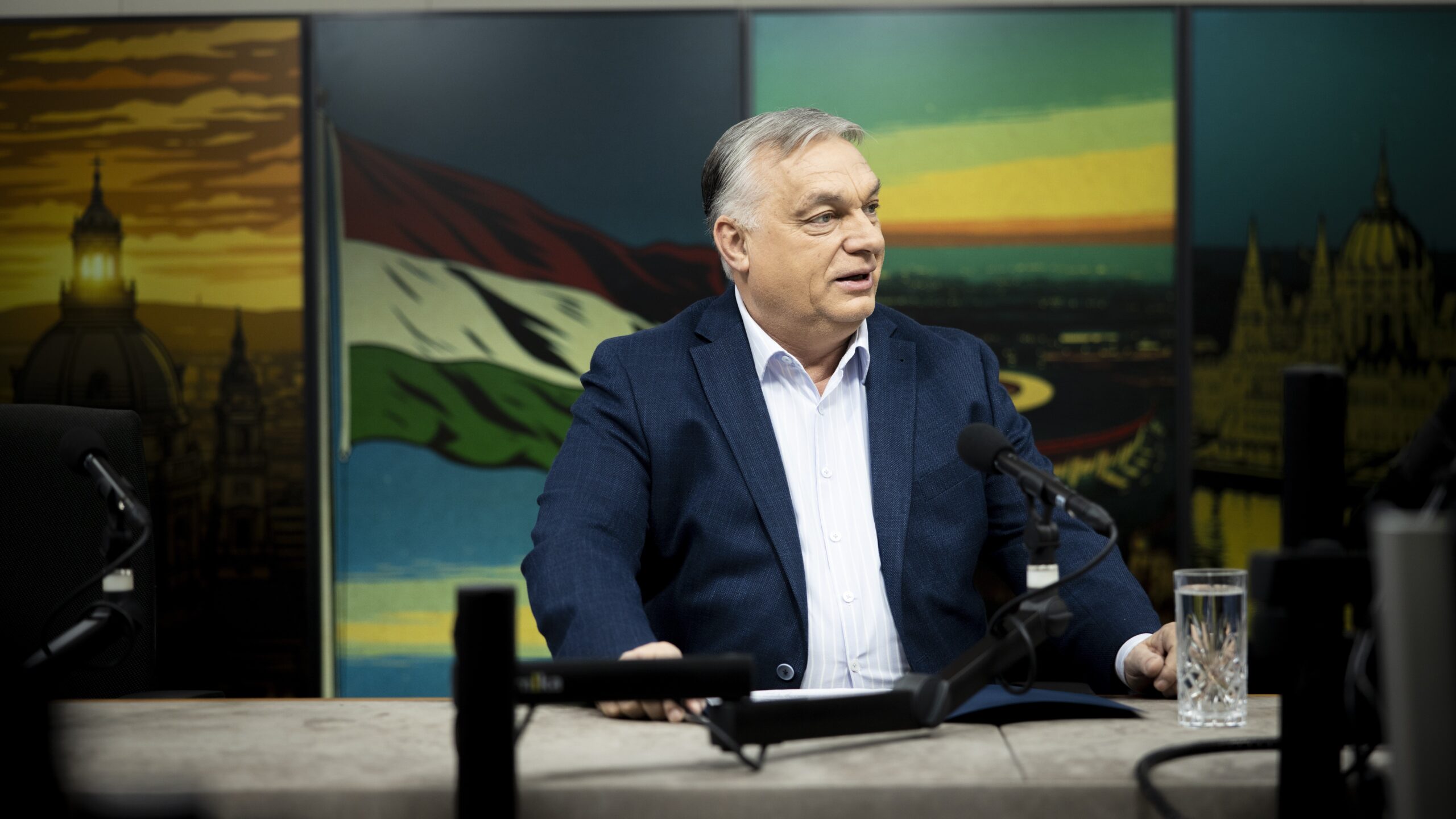
Prime Minister Viktor Orbán spoke about the January utility price freeze, energy security, EU plans, Ukraine’s financing and the six-month weapon bonus in a radio interview on Friday morning.
Orbán said household utility bills would have risen by 30 per cent due to the extreme cold in January. He stressed that without the utility price reduction scheme, hundreds of thousands of families would have faced insolvency. He added that while the system has become part of everyday life in Hungary, households in countries without similar protection pay three or four times more.
The prime minister said Hungary’s utility price reduction system is unique within the European Union and is therefore under constant attack. He explained that after the unusually cold January, the government had to decide whether to help only those in need or all consumers. Given the complexity of energy consumption and billing systems, the government opted for a general rule to avoid unfairness, deciding to cover 30 per cent of energy costs for all consumers.
Orbán said the system faces both domestic political and Brussels-based criticism. He recalled that the left-wing opposition and the Democratic Coalition initially opposed the policy, while more recently the Tisza Party has criticized it, arguing that people should pay more for energy.
He said the upcoming election will be decisive for the future of the utility price reduction, warning that a Brussels-backed government would abolish it. According to Orbán, banning the purchase of Russian gas would effectively end the system and lead to bills that are two to three times higher.
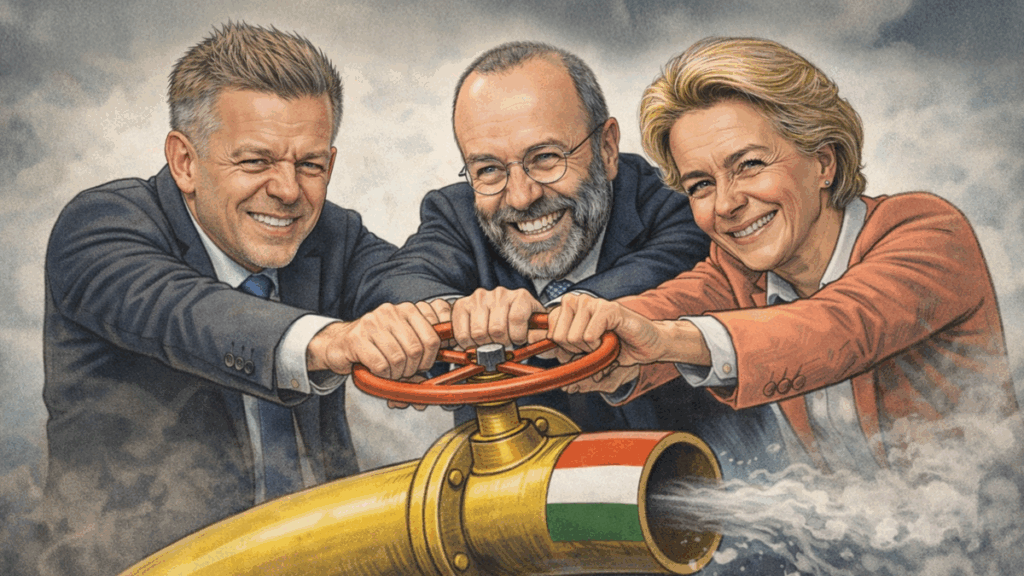
The prime minister said he had held three key negotiations: securing an exemption from Russian gas sanctions from the US president, reaching an agreement with the Russian president to ensure continued deliveries, and agreeing with Türkiye on the security of transit routes. He added that Brussels plans to completely ban Russian gas from 2027.
Orbán reacted to criticism from Ukraine’s foreign minister, who said the Hungarian prime minister was dangerous for Hungarians. He argued that there is coordination between Brussels and Kyiv, claiming the energy measures are justified by support for Ukraine. He said energy policy is a national competence and that the EU is effectively imposing sanctions under the guise of trade policy.
He added that Hungary refuses to send weapons or troops to Ukraine and does not support unconditional financial aid. He claimed Ukraine is seeking hundreds of billions of euros from the EU, which would either require joint borrowing or higher contributions from member states. He warned that this would result in cuts to family support or the 13th month pension.
He also rejected Ukraine’s potential EU accession, saying it would bring war into Europe and have severe economic consequences for Hungary. He added that Hungary is cooperating with the Czech Republic and Slovakia, which also oppose bearing these costs.
On defence spending, Orbán said law enforcement and military personnel deserve the six-month weapon bonus, as they pledge to defend the country even at the risk of their lives. He said their work contributes to Hungary being one of the safest countries in Europe and should be recognized financially.
Related articles: