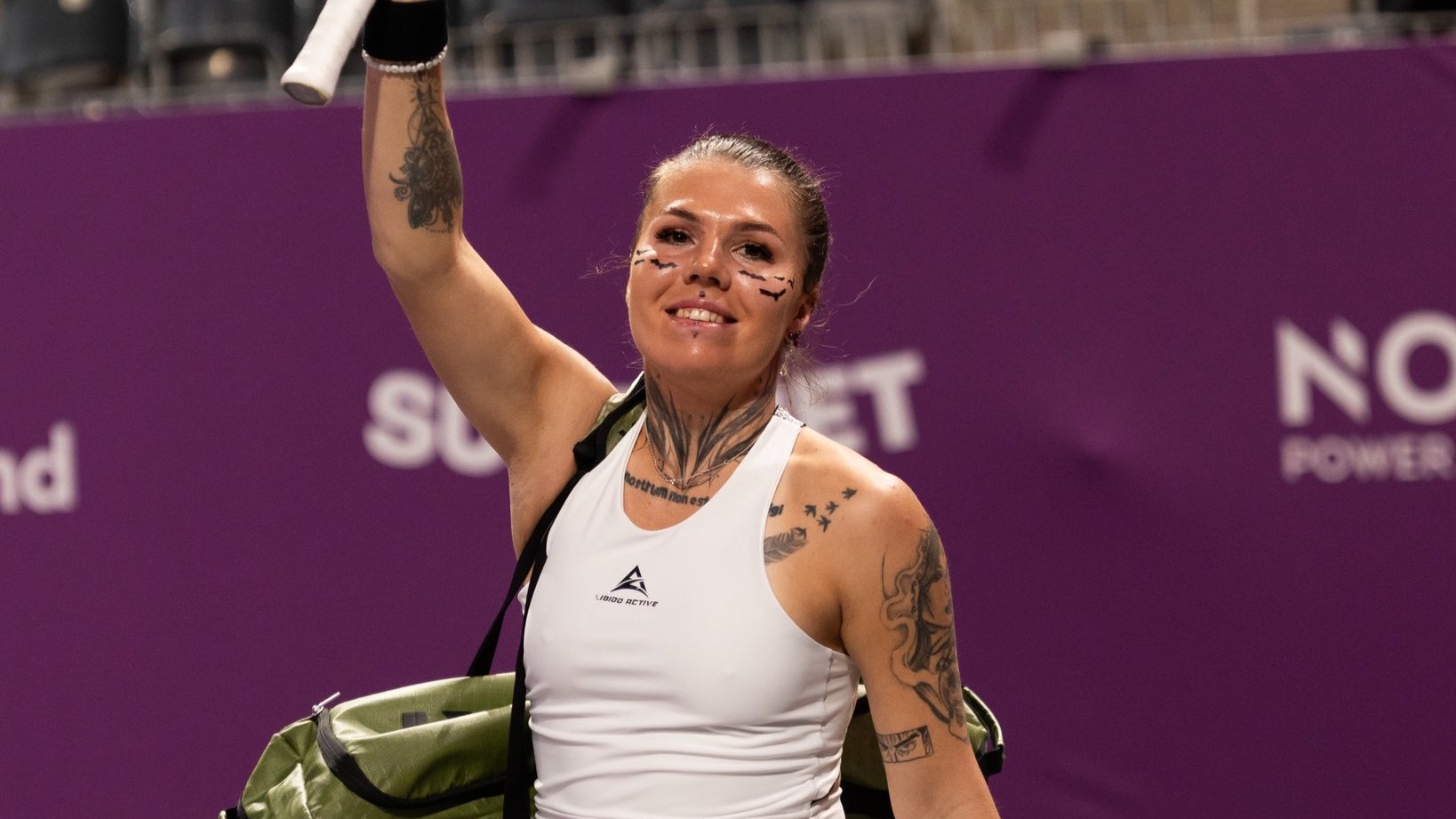
Ukrainian tennis player Oleksandra Oliynykova refused to shake hands and pose for a joint photo after defeating Hungary’s Anna Bodnár at the WTA 250 tournament in Cluj-Napoca, Romania, on 3 February.
Oliynykova won the match 2–0 (6–4, 6–4), advancing to the quarter-finals of the tournament. However, the Ukrainian player did not display sportsmanlike behaviour before or after the match.
A day ahead of the match, Oliynykova announced that she would not participate in the traditional pre-match joint photo or the post-match handshake, citing Anna Bodnár’s participation in a sporting event held in Russia in 2022.
‘The tournament was funded by Gazprom, one of the key financial pillars of the Russian war machine. These are the same funds Russia uses to kill and maim Ukrainian women and children. They serve to destroy our parents, brothers, and husbands, who are defending their families, cities, and villages on their own land,’ Oliynykova said in an interview before the match. She compared playing in Russia to participating in a tournament in Nazi Germany in 1941.
‘It’s about humanity, human dignity, and fundamental human values. I cannot ignore it. The global tennis community should not ignore it. Fans should not forget it,’ she continued. Oliynykova added that if Bodnár were to publicly apologize and condemn Russia’s aggression, she would have changed her mind about the joint photo and handshake.
That, however, did not happen, nor did the ceremonial gestures.
Ukrainian Tennis * BTU on X (formerly Twitter): “❗️🇺🇦Oleksandra Oliynykova to refuse joint photo and handshake with 🇭🇺Anna Bondar at WTA 250 in Cluj-NapocaUkrainian tennis player Oleksandra Oliynykova will not take part in the traditional pre-match joint photo or shake hands with Hungarian player Anna Bondar during their… pic.twitter.com/zfseUZ34Pj / X”
❗️🇺🇦Oleksandra Oliynykova to refuse joint photo and handshake with 🇭🇺Anna Bondar at WTA 250 in Cluj-NapocaUkrainian tennis player Oleksandra Oliynykova will not take part in the traditional pre-match joint photo or shake hands with Hungarian player Anna Bondar during their… pic.twitter.com/zfseUZ34Pj
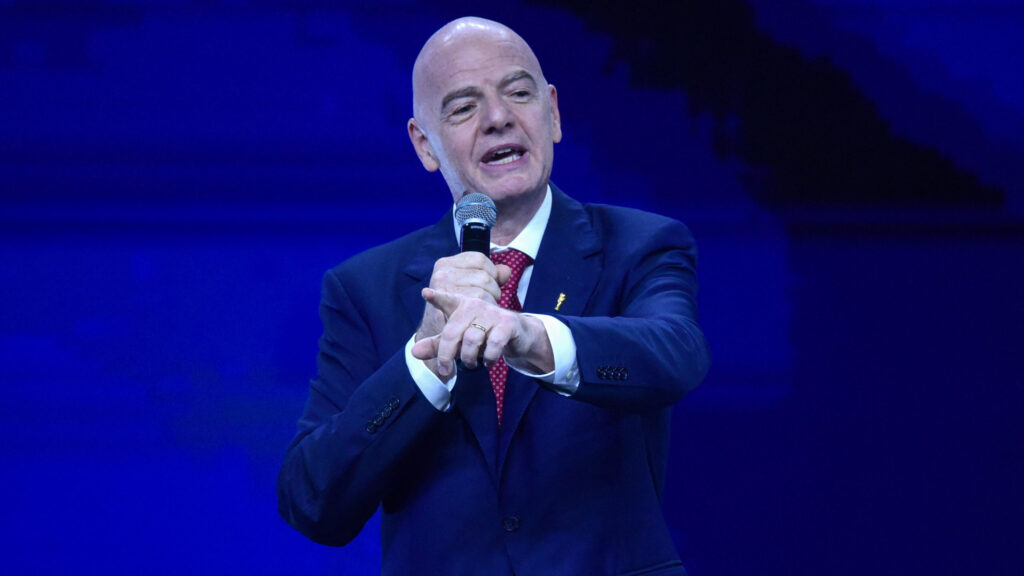
The move came as international sports associations are reconsidering removing the ban on Russia imposed after it invaded Ukraine in 2022. Most recently, FIFA President Gianni Infantino said that international bans in general do more harm than good, advocating for the nearly four-year-old ban to be lifted.
Hungary opposed banning Russian athletes from international competitions from the outset, with Hungarian Minister for Foreign Affairs and Trade Péter Szijjártó emerging as a leading voice against these efforts. Ahead of the 2024 Paris Olympics, the minister said the Games’ true mission is ‘promoting peace’ and that they should focus on this rather than politics.
Oliynykova’s move is even more outrageous given that Hungary served as a home venue for the Ukrainian women’s national handball team and that several Hungarian teams raised funds for Ukrainian footballers right after the war broke out in 2022.
Related articles: