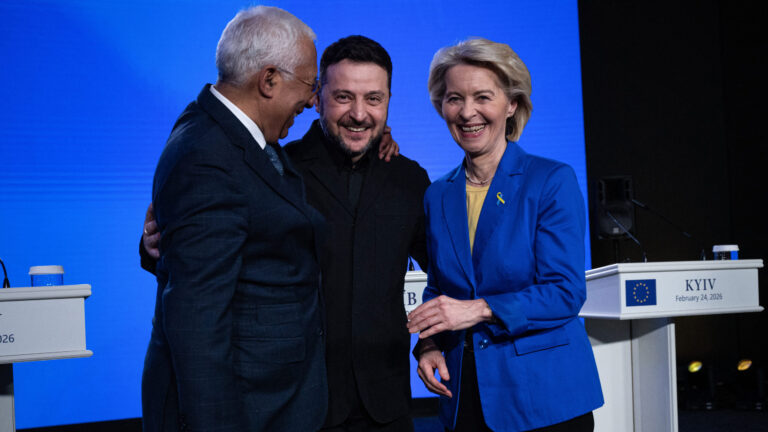
With the eyes of the world currently on Minnesota as it deals with rampant systemic fraud costing US taxpayers billions and tensions with ICE, it comes as no surprise to many that the current governor and former Harris running mate, Tim Walz, has dropped out of the gubernatorial race due to scandal. What will come as a surprise for many, however, is that Tim Walz hasn’t dropped out of the Democratic Party’s primary for governor, but the Democratic–Farmer Labor Party’s, or DFL for short, instead.
That’s because Tim Walz and the other Democrats in Minnesota technically aren’t Democrats, but are part of a different party entirely.
How is this possible? After all, isn’t the United States a two-party system with only Republicans and Democrats to choose from on the ballot? What is this DFL, where did it come from, and how did a member of its party become the VP nominee for the Democratic Party in 2024?
The answer lies in Minnesota’s unique history, which has led to one of the most unusual political circumstances currently affecting democratic systems in the United States.
The modern Democratic Party we know today traces its origins back to 1828, when Andrew Jackson was running for president. It was formed to challenge the then Whig Party and was successful in dominating the US presidential elections from the 1830s to the 1850s, and rapidly spread across the country. In the same timeframe, the modern Republican Party would form in 1854 as the new anti-slavery party and would absorb the Whig, leading to the familiar Republican–Democratic dominated political system we know today.
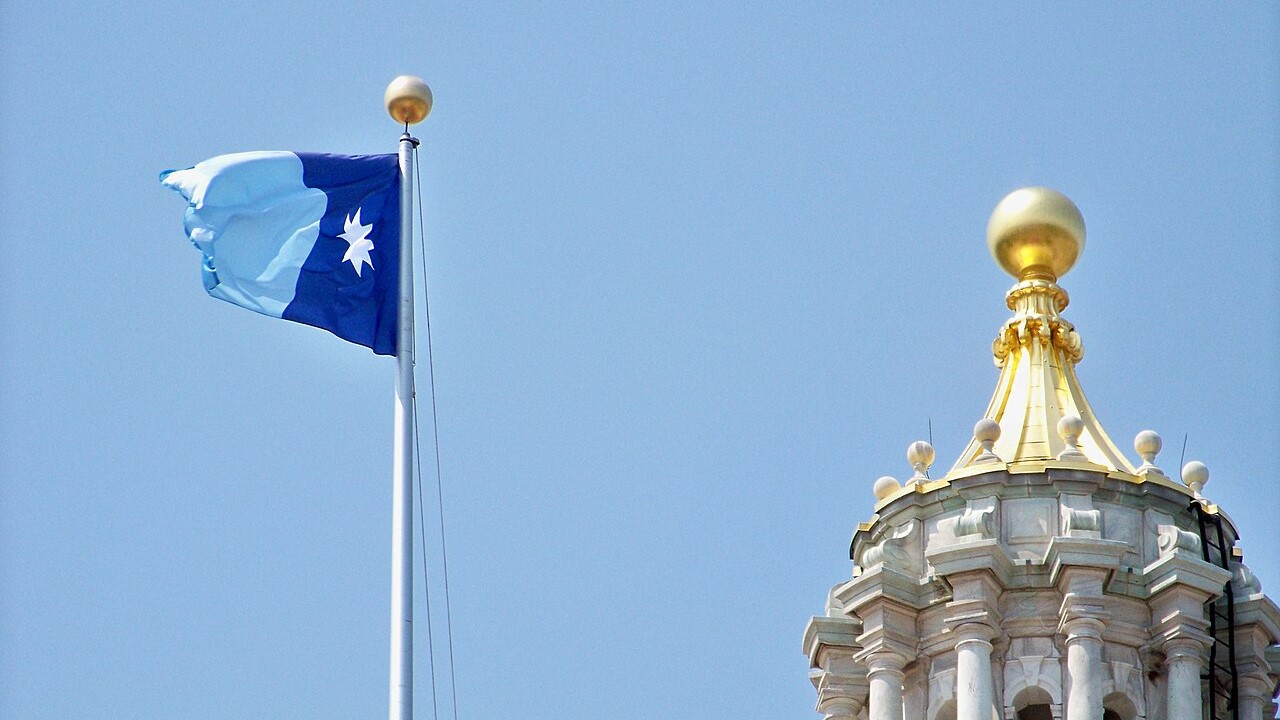
While the vast majority of the country would quickly fall into line with these new parties after the Civil War, in Minnesota, third parties weren’t just operating on the fringes—they were governing and were huge obstacles for the mainstream institutionalized Democratic and Republican parties.
The Farmer–Labor Party (FLP), founded in Minnesota in 1918, was a force to be reckoned with for Democrats and Republicans alike. So much so that the FLP would go on to not only defeat the Republicans and Democrats for the Governorship of Minnesota in 1930 and 1934, but it would also go on to hold onto six of Minnesota’s nine congressional seats and take control of the state house from 1932 to 1937.
‘In Minnesota, third parties…were governing and were huge obstacles for the mainstream institutionalized Democratic and Republican parties’
What were the policy differences between the FLP and the Democratic Party at the time? While the Republican Party of the 1930’s looked similar to how it does today: advocating for smaller government, limiting government intervention into business, the Democrats of the era were not as militant in their beliefs for big government and or government intervention in the marketplace. The FLP was. It was a strong advocate not only for bigger government but also for total government ownership of several industries, including railroads and utilities. By every metric, the FLP was much farther to the left than the Democratic Party of the day was on most issues.
The FLP’s dominance would be short-lived as they and the Democrats suffered defeats to the Republicans in 1938 and the earl 40s. Facing the electoral realities of a split vote among those on the left, handing Republicans victories at the ballot box, the two parties would ultimately combine forces in 1944 and create the new Democratic–Farmer–Labor Party (or DFL). The DFL would go on to be extremely successful, not only producing a plethora of Governors and state elected officials in Minnesota, but two Vice Presidents of the United States (Hubert Humphrey and Walter Mondale).
Though it was ultimately forced to merge with the Democratic Party, the FLP’s legacy lives on today, making the DFL often further to the left than the rest of the Democratic Party across the United States. From the legalization of recreational marijuana to the mandate that electricity produced in Minnesota be carbon-free by 2040, the DFL has continuously been much farther left-leaning or has been aimed at driving the Democratic Party further to the left nationwide. Indeed, it would be fair to call the DFL an internal laboratory for the Democratic Party, allowing it to experiment with policies that achieve electoral success and determine whether those successes can be translated nationwide.
This is why we see candidates and policies much further to the left than usual in Minnesota compared to the rest of the country. Don’t be surprised by the constant news stories coming from Minnesota; it is one of the testing grounds for the Democratic Party to see what works and what doesn’t. For anyone interested in American politics, keep your eyes on the Minnesota State House; it very well might just show what to expect next.
Related articles: