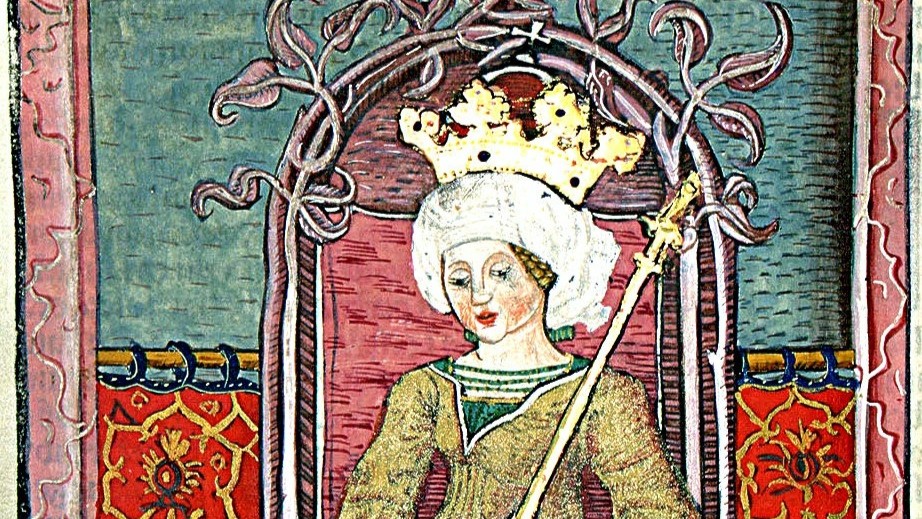
The re-opening of the Musée royal de Mariemont in Morlanwelz, Belgium marks a significant moment both for the museum and for the rediscovery of Mary, Queen of Hungary. After a period of closure, the institution is launching a major exhibition dedicated to the 16th-century Habsburg princess, illuminating her political and cultural legacy.
As noted by Le Suricate: ‘From 22 November 2025 to 10 May 2026, the Royal Museum of Mariemont is dedicating a major exhibition to Mary of Hungary, a key figure of the 16th century, sister of Charles V and governor of the Low Countries.’
The site itself is historically tied to her: she established a pavilion and hunting estate on the Morlanwelz site in 1547, which later gave the name ‘Mariemont’ (Mary’s mount).
The exhibition is thus not only biographical but rooted in the territory of Hainaut and the local landscape. This geographical and historical anchoring gives the museum an opportunity to reposition Marie as a regional actor rather than a distant imperial figure. The curators, a francophone-Dutch speaking duo, underline the museum’s mission to share a national heritage.
The exhibition goes beyond a simple biography, exploring the broader Habsburg dynastic network between 1539 and 1559, including Marie de Hongrie, her brother Charles V and her nephew Philip II of Spain. Key themes include territorial governance, artistic patronage, diplomatic strategy and the representation of power through art.
Among the highlights is a 3D-animated reconstruction of the grand masquerade held at the palace of Binche on 28 August 1549, created from an emblematic watercolour in the KBR collection, with soundscape and movement added. A wide range of works, such as portraits attributed to Titian, sculpture by Jacques Du Brœucq, monumental tapestries, engravings and archival documents, have been assembled from around 40 public institutions in Belgium, France and Luxembourg. Through this artistic-historical approach, the exhibition shines a light on how Marie harnessed culture and visual display to assert her authority and position within the Habsburg network.
The Musée royal de Mariemont recently underwent a period of closure: a general shutdown from 18 August to 21 November 2025 while major renovations (window and frame replacement) were completed.
It’s reopening on 22 November with the new exhibition dedicated to Marie de Hongrie thus also serves as a symbolic renewal of the institution itself. By coupling the thematic revival of a major historical figure with infrastructural restoration, the museum signals its ambition to engage both deeper scholarly research and wider public outreach.
Additionally, by highlighting a figure rooted in the region yet connected to pan-European Renaissance networks, the museum can attract diverse audiences and reinterpret local heritage in a broader context. The exhibition’s run until 10 May 2026 ensures that it can serve as a focal point for educational programming, regional tourism and scholarly investigation into the art-power nexus of the early modern era.
Related articles: