The following is the English translation of a press release kindly provided to us by the Center for Fundamental Rights.
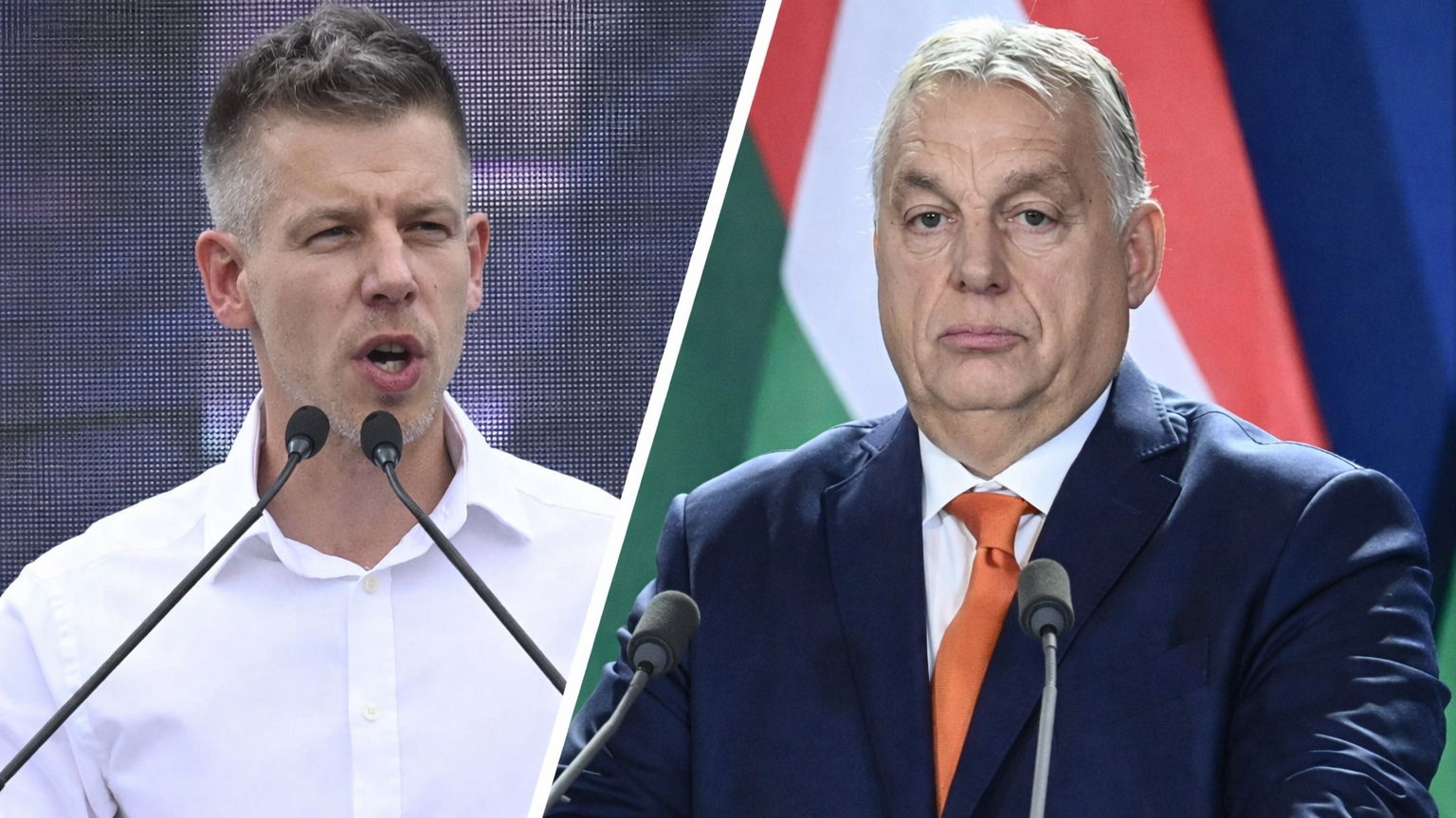
As the elections draw nearer, people are increasingly recognizing that their personal safety and financial security are tied to the outcome. As a result, the political camp that emphasizes national stability has become more active, while Péter Magyar has struggled to expand his base of support.
In the final month of the year, the Tisza Party was unable to improve its standing, while the right consolidated its leading position in the domestic political race. This shift may be partly due to the growing circulation of leaked plans from Tisza suggesting tax increases in line with Brussels’ demands. According to opinion polls, a majority of voters find these leaks credible and perceive them as a threat to their financial well-being.
Viktor Orbán is widely viewed as a capable leader who advances Hungary’s interests from Washington through Moscow to Istanbul. In contrast, most voters see the candidate favoured by Brussels as beholden to the European globalist elite and aligned with Kyiv, making him a risk factor in their eyes. Like the Digital Civic Cirlces meetings at the end of the year and his proactive online presence, the EU summit in the second half of December resulted in a success for the Prime Minister, on the diplomatic front in this case: Hungary managed to avoid involvement in a disguised Ukrainian war loan that would have obliged the country to pay 400 billion HUF (~$1.24 billion) immediately.
In December 2025, two major issues dominated the domestic political agenda: efforts to end the war in Ukraine and, conversely, events and initiatives perceived as prolonging and expanding the conflict, alongside the leaked Tisza Party tax package.
On 1 December, the Hungarian news site Index published the full 600-plus-page document after Péter Magyar had adamantly denied its existence. The plan would impose approximately 1.3 trillion HUF (~$4.03 billion) in annual fiscal austerity measures on the public.
It includes plans for a progressive personal income tax, which would raise taxes by 7 per cent even on average wages. It would also reduce the expanding tax breaks for families, take away GYED (maternity allowance), and significantly increase the burden on businesses. Social security would be privatized, so the state would no longer support pensioners and healthcare service users. This would put pensions and, among other things, the financing of hospital treatment in the hands of market players who, in a time of crisis, would easily let the Hungarian people down, given that their primary concern is profitability. The planned measures are well in line with the expectations set out annually by Brussels in its country report addressed to Hungary.
Political Positions Held by Parties in Hungary
| per the Center for Fundamental Rights | RIGHT | TISZA PARTY |
| International Position | Guaranteeing that Hungary stays out of financing Ukraine’s war efforts | Aligning with Brussels’ economic ideals (tax package) |
| Economic programme | Tax decrease and wage increase programmes (eg increased minimum wage, family tax credit, tax exemption for mothers) | The leaked tax package |
| Online media | Year-end interviews in bulk, outstanding follower counts on Facebook | Stable presence |
| Events influencing public perception on political character | Defending Hungary’s security at the EU Summit | Telling silence on the war. Counterproductive attempts at overcoming unfavourability with female voters. |
| Thematization power | Consistent online presence, influential figure on the international stage too | Following trends, desperate attempts at defining their agenda |
| Voters’ perception | Increasingly wider appeal to voters desiring security | Stagnant support |
Related articles: