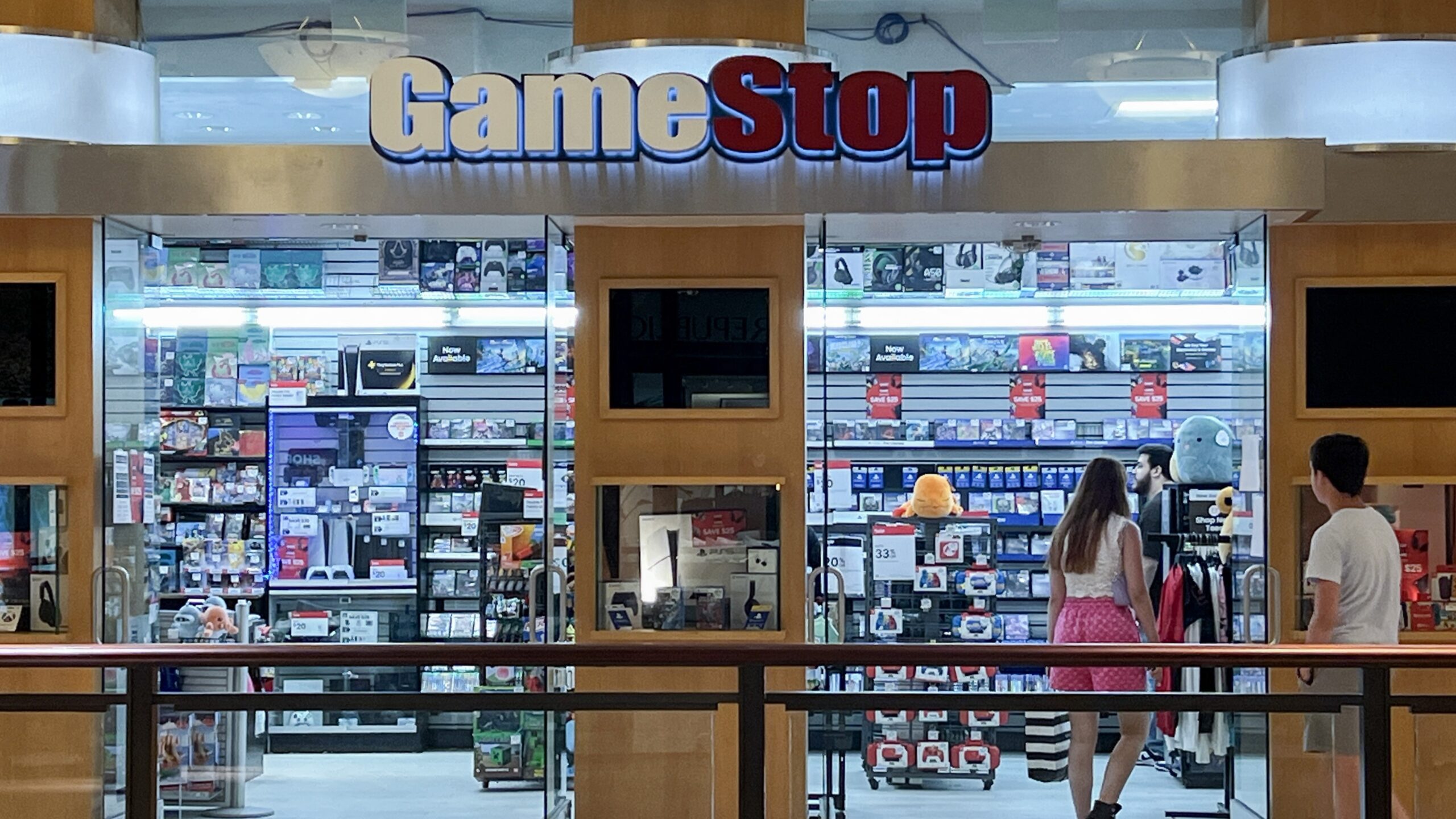
GameStop has started closing hundreds of stores barely a week into the new year, marking another major contraction of its physical retail network as the gaming industry continues to shift away from physical media toward digital distribution.
Reports of closures began circulating shortly after 2026 began, with customers sharing photos of in-store signs warning that locations would soon shut down. Some stores offered a temporary 20 per cent trade-in bonus as compensation. One sign posted to Reddit on 2 January stated that a store would close effective 8 January, thanking customers for their loyalty.
The notices instructed customers with existing game or memorabilia reservations to collect their purchases at other locations. However, the speed and scale of the closures left many customers uncertain about how their orders and trade-ins would be handled.
According to a blog that tracks GameStop activity through employee reports and store locator data, around 390 stores had already closed, with another ten locations still being verified. If confirmed, that would bring the total to roughly 400 closures just over a week into the year.
The move further weakens GameStop’s once-dominant physical presence in the gaming market. In a December 2025 filing, the company disclosed that it had shut down 590 US stores during fiscal year 2024. The same document warned that a significant number of additional stores were expected to close in fiscal 2025. Over the past decade, GameStop has consistently closed more US locations than it has opened, often by the hundreds each year.
These closures come as physical game sales continue to decline industry-wide. While physical copies still appeal to collectors, preservation advocates, and players with limited internet access, most major publishers now prioritize digital storefronts, subscriptions, and live-service models. As consoles increasingly ship with smaller storage footprints or even without disc drives, the role of traditional game retailers has steadily eroded.
At the same time, GameStop announced that CEO Ryan Cohen, who took over the role in September 2023, could receive up to 35 billion dollars in performance-based stock options. To unlock the award, the company would need to reach a market capitalization of 100 billion dollars and generate 10 billion dollars in cumulative earnings before interest, taxes, depreciation, and amortization. GameStop’s current market value is approximately 9.5 billion dollars.
According to the company, the incentive package is intended to motivate extraordinary growth, despite the widening gap between current performance and those targets.
In recent years, GameStop has pursued unconventional strategies to stay relevant, increasingly emphasizing collectibles, pop culture merchandise, and internet-driven hype. The company exited the cryptocurrency space in 2023 and later shut down its NFT marketplace. It also drew criticism from employees after launching its first Trade Anything Day, encouraging customers to bring in virtually any item for store credit.
Internationally, the contraction appears to be continuing. This week, The New Zealand Herald reported that GameStop’s EB Games subsidiary has proposed closing its remaining stores in New Zealand, signalling that the company’s retreat from physical retail is not limited to the US.
Related articles: