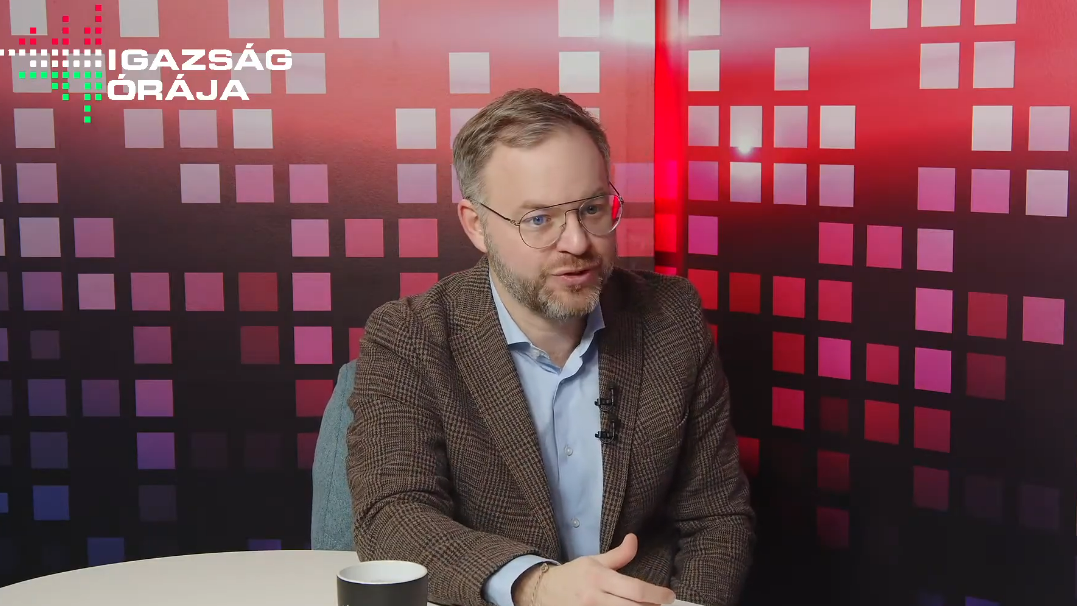
Political Director to the Prime Minister of Hungary Orbán appeared on the Igazság órája (Hour of Justice) podcast on Tuesday, 17 February, a show produced by the Budapest-based Center for Fundamental Rights. The central topic of the discussion was US Secretary of State Marco Rubio’s recent visit to Hungary and his joint press conference with Prime Minister Viktor Orbán of Hungary.
According to Director Orbán, the visit itself demonstrates the strength of the strategic alliance between the United States, the most powerful nation on Earth, and Hungary. He argued that Secretary Rubio made it clear that the cooperation rests not merely on institutional ties, but on the personal relationship between the two nations’ leaders.
‘Our political opponents are seething,’ Orbán said, claiming that Rubio subtly signalled Washington’s continued interest in Hungary’s success as long as ‘the Prime Minister's name is Viktor Orbán.’
The Political Director further asserted that Rubio’s remarks reassured Budapest on key strategic matters in the long term. These include continued US support for exemptions from Russian oil import sanctions and a so-called ‘financial shield’ for the Hungarian currency.
Orbán also drew a distinction between, in his view, illegitimate foreign political influence and formal diplomatic engagement. He alleged that the opposition Tisza Party receives foreign financing and direction, contrasting this with legitimate cooperation between sovereign governments pursuing strategic partnerships.
During the conversation, the host referenced criticism from the German newspaper Frankfurter Rundschau, which accused Secretary Rubio of bolstering Prime Minister Orbán in a country it described as a ‘complicating factor’ in European politics.
Director Orbán quipped back, arguing that Hungary is the only EU Member State that has managed to remain outside direct involvement in the Russo–Ukrainian war and has consistently opposed allocating national funds for military assistance to Ukraine.
Turning to energy policy, Orbán criticized the ‘logical barrel roll’ by energy experts affiliated with the Tisza Party, the opposition's simultaneous calls for diversification of energy imports and a complete severance of Russian supplies, which would reduce rather than expand Hungary’s range of supply options.
He also warned that, despite what the opposition claims, a new Tisza government would not necessarily be able to gain access to Hungary's frozen EU cohesion funds, as Brussels' priority is to finance Ukraine, not Hungary.
Related articles: