Argentina has repaid the full amount of the $2.5 billion used under the currency swap framework agreed in autumn 2025 with the United States. The announcement was made by US Treasury Secretary Scott Bessent in a post on X, in which he praised Buenos Aires for its ‘strengthened financial position’, adding that the Exchange Stabilization Fund currently does not hold any pesos.
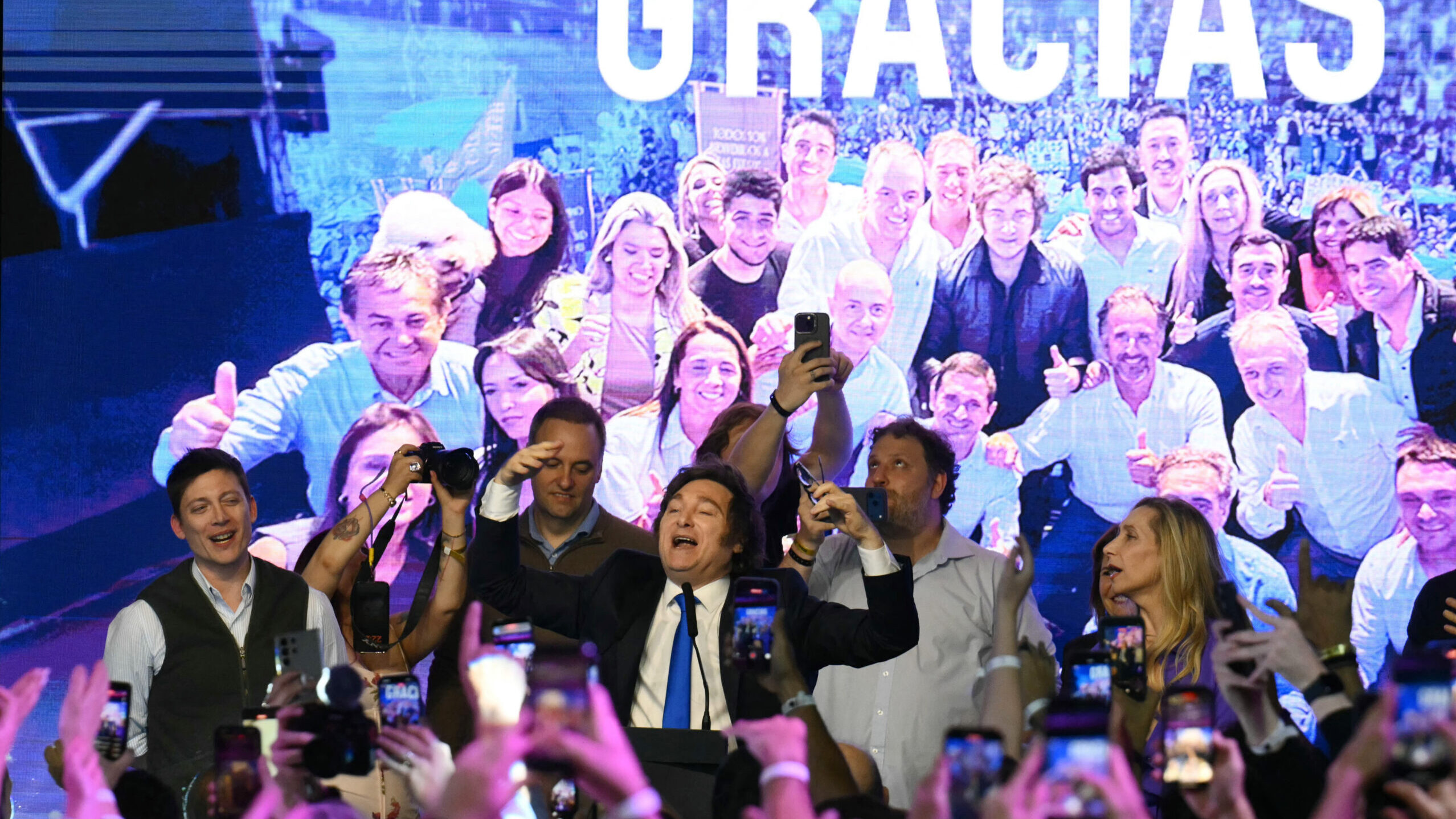
US President Donald Trump and his Argentine counterpart, Javier Milei, agreed on the deal in October, which made up to $20 billion available to support the Latin American country’s financial stability ahead of the midterm elections. Milei’s party made significant gains in the vote, strengthening the president’s position in both houses of Congress.
Trump congratulated Milei after the election, saying he was ‘doing a wonderful job’ and adding that ‘our confidence in him was justified by the People of Argentina’. Responding to Trump, Milei called him a ‘great friend of Argentina’ and thanked him for ‘trusting the Argentine people’.
According to media reports, the agreement remains in force under its original terms. The repaid $2.5 billion had been used in October to service debt to the International Monetary Fund and to replenish foreign currency reserves that were drawn upon to support the exchange rate in the days leading up to the election.
Treasury Secretary Scott Bessent on X (formerly Twitter): “.@POTUS’s policy of Peace Through Economic Strength is transforming Latin America in ways that are America First, surrounding the United States with stability and prosperity.President @JMilei continues to deliver with full force on his renewed mandate from the Argentine people… / X”
@POTUS’s policy of Peace Through Economic Strength is transforming Latin America in ways that are America First, surrounding the United States with stability and prosperity.President @JMilei continues to deliver with full force on his renewed mandate from the Argentine people…
After meeting Donald Trump in November 2025 in Washington, DC, Hungarian Prime Minister Viktor Orbán announced that the two leaders had agreed on an American ‘protective shield’ to safeguard Hungary’s financial stability in the event of an external, speculative, or politically motivated attack on its financial system. ‘If there is no money from Brussels, there is money from America,’ he declared.
However, in December, Trump denied that he had promised such a deal to Orbán, telling POLITICO that the Hungarian prime minister had ‘certainly’ requested it. Orbán, responding to a journalist’s question at his year-opening international press conference last week, said that Minister of Foreign Affairs and Trade Péter Szijjártó and his team are still working on the agreement.
A currency swap agreement is a financial instrument typically used when one of the participating countries faces a severe economic crisis or a speculative attack on its currency. Under such arrangements, the two parties temporarily exchange their currencies at a predetermined rate and amount, helping to address shortages of foreign currency. This mechanism can prevent default on foreign-currency-denominated debt, strengthen central bank reserves, and enhance resilience to sudden exchange-rate fluctuations.
In most cases, a currency swap line is never actually drawn upon; its mere existence can stabilize a currency by deterring speculative investors from betting on its collapse.
Related articles: