The following is an adapted version of an article written by Emese Hulej, originally published in Hungarian in Magyar Krónika.
She has climbed the world’s eighth-highest mountain, leads tours on several continents, and works for the BBC as well as in the Himalayan region. Zsuzsanna Kovács makes a living from her hobby: travelling.
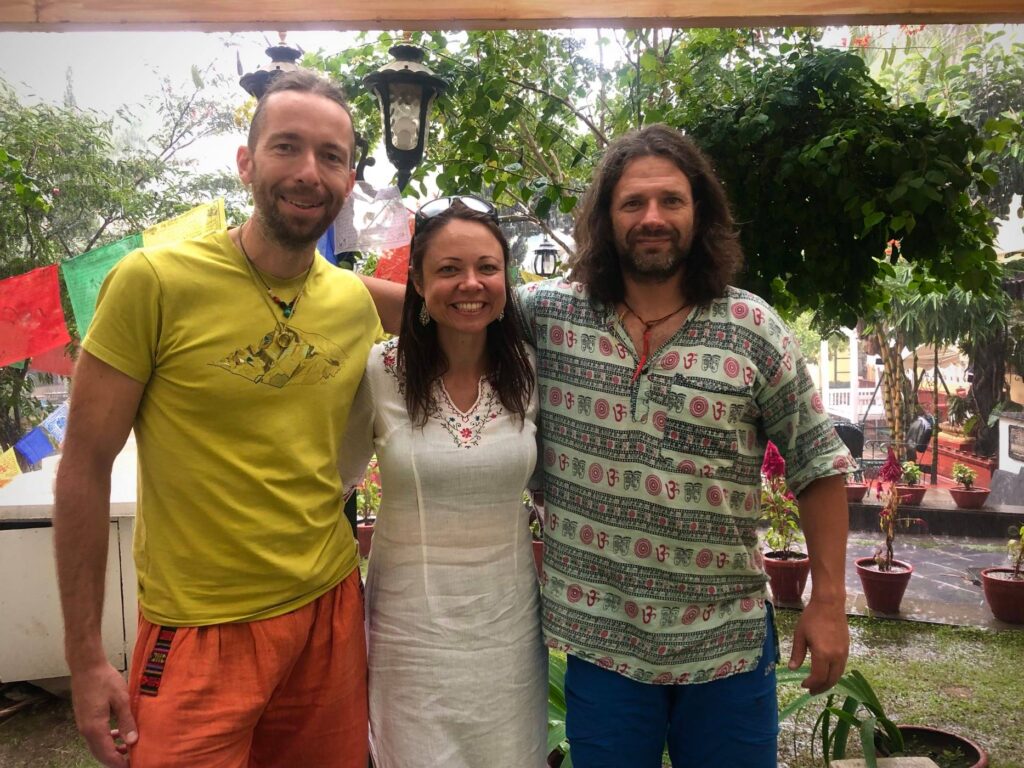
The girl I meet at a busy and noisy spot in Budapest can be found on social media under the name Female Yeti. Her real name is Zsuzsanna Kovács, but since she spends most of her time travelling, she is most often called Suzie.
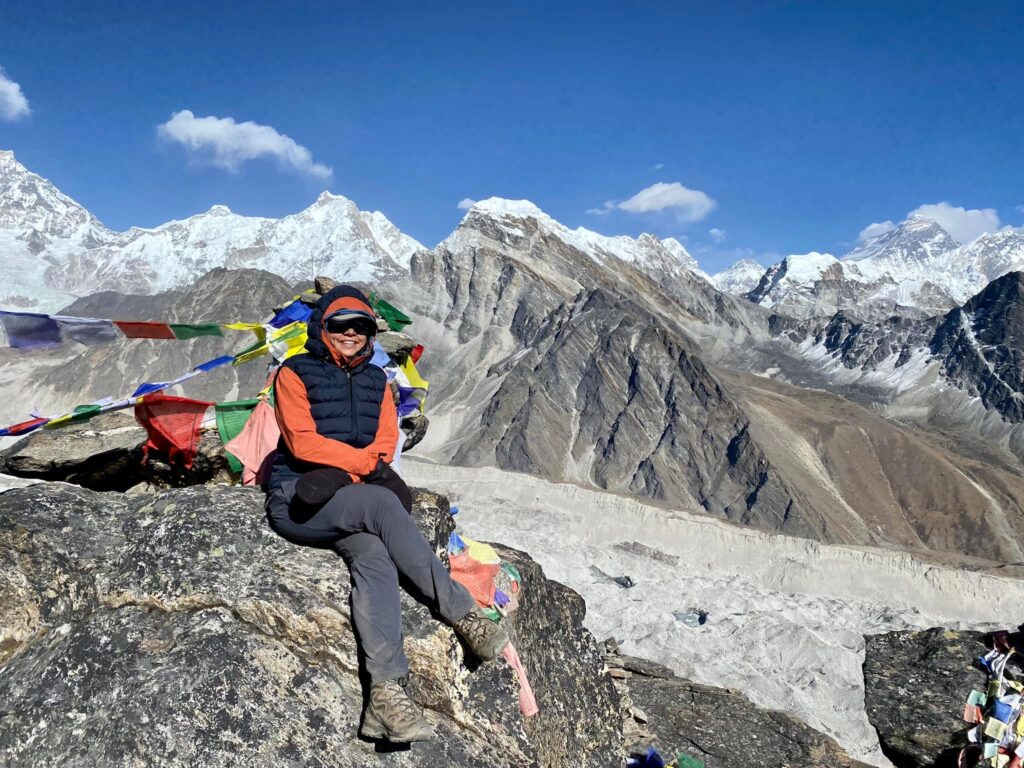
The tram rattles outside as she tells me that she practically lives at the base camp in the Himalayas. She recently organized a wedding there, where two hiking couples pledged their eternal love to each other next to the famous cairn marking the entrance to the camp, and the event was so successful that she would like to organize more like it at this distinguished 5,360-metre-high spot.
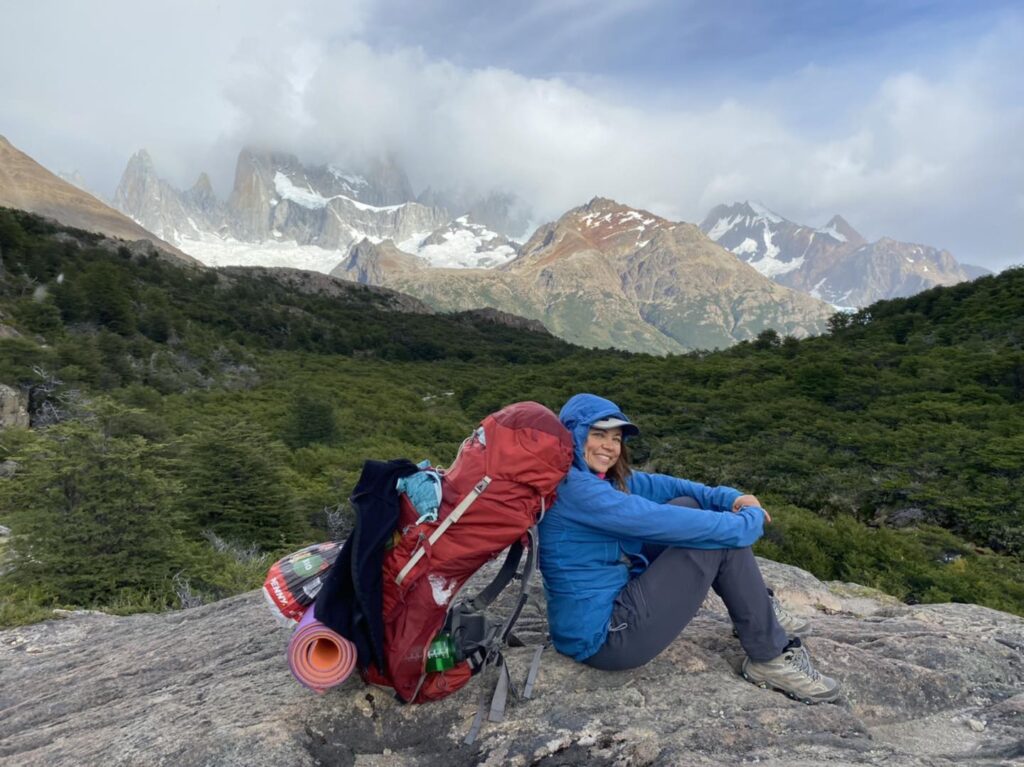
Zsuzsa knows the world of high mountains, from the Andes to the Atlas Mountains to the giants of Asia. In 2021 she climbed one of the 14 mountains higher than 8,000 metres, Manaslu. Only a few Hungarians can say this for themselves, such as the late climber Zsolt Erőss.
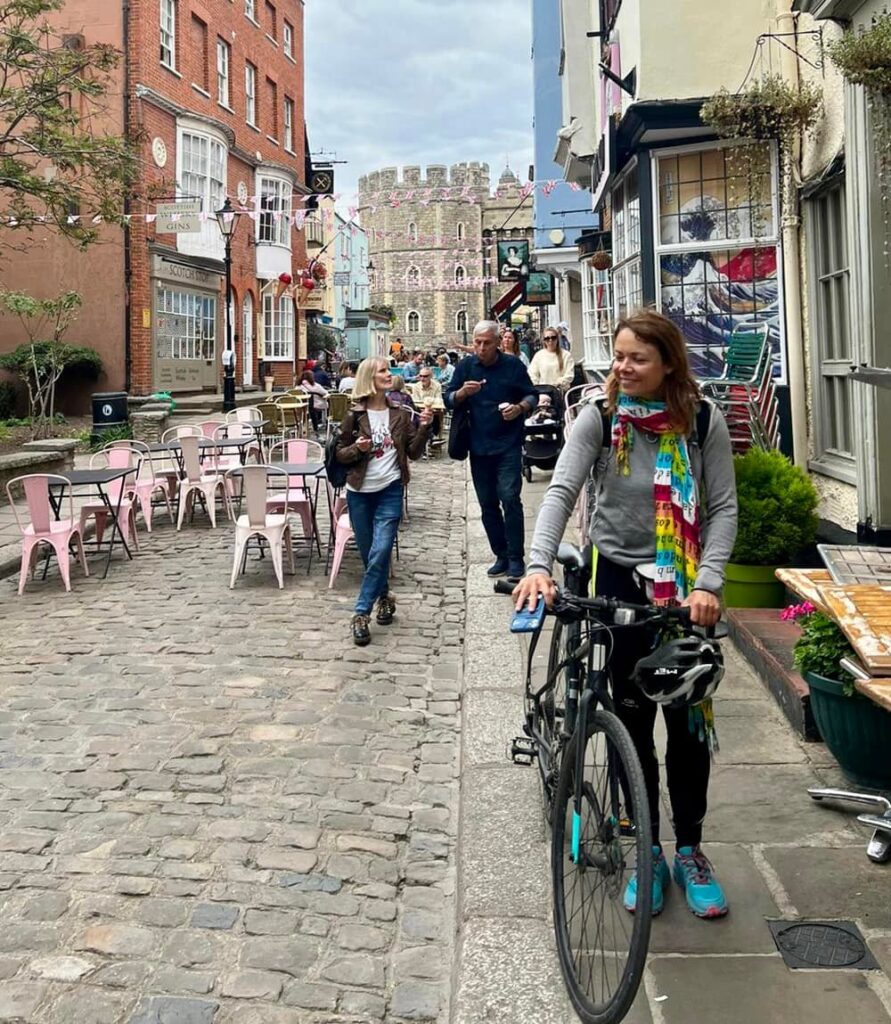
Closer to sea level, we begin the story in London, where she moved in 2005 after failing to find a suitable job at home despite having two degrees.
‘I had 18,000 forints and enormous determination, and fortunately, the latter counted for a lot. I had studied German at home, so I got a job as a babysitter, and when my English was good enough, I put up an ad saying I wanted to work in a bar. Then the BBC wrote to me and invited me for an interview. I went in with the calmness of someone who had nothing to lose, but what weighed more in the balance than my qualifications and experience was that they could see how much I wanted the job. I worked at the BBC for eight years, eventually becoming a facility management manager,’ she recounts.
Her job was to deal with any disruption that could interfere with operations, whether it was a clogged toilet, faulty air conditioning, or a terrorist attack. The point was that nothing should jeopardize the broadcast.
‘When the company was reorganized due to budget cuts, I decided to leave, but I didn’t know what to do next. I felt that I would never find another job as good as this one. This was the peak of my career, in terms of what I had achieved in line with social expectations. Position or money—these things never motivated me. Before Christmas, a friend called me to meet up; he had just returned from Southeast Asia. After five minutes, I knew what I wanted: to travel, without any plans. It was winter, the weather was miserable, and there she was, tanned and relaxed. It took a year and a half to save up the necessary money by working a second job and selling a lot of my stuff. By then, there were more and more travel blogs, and I read them all, but no one wrote that they regretted deciding to travel the world. I thought: “Am I going to be the first…?”’
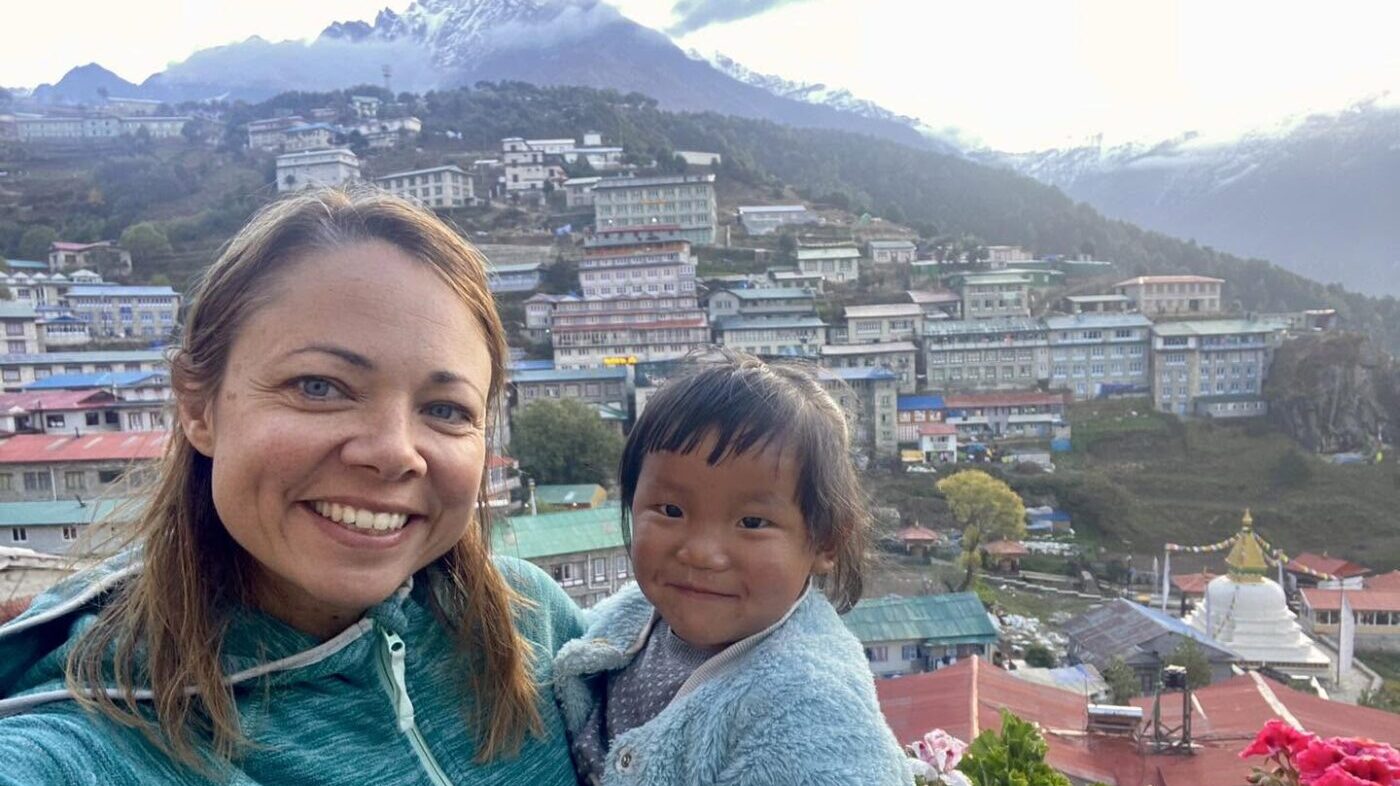
She had been to Nepal twice before, and it was clear that she wanted to return. She had always been drawn to the mountains and was even a member of a rock climbing team in England. And so she went back. She did so after the big earthquake, taking with her a substantial amount of money that she had saved up in London for this purpose. She says this is the surest way to get aid to those who really need it. Later, she helped a little Sherpa girl whose mother had died in the same way. The child would not let her father out of her sight for fear of losing him, too. She had no shoes, but she was always smiling. Since then, she has shoes, because Zsuzsi brought them to her. Whenever she goes to Nepal, she always looks for a cause, a project to support, before she gets there.
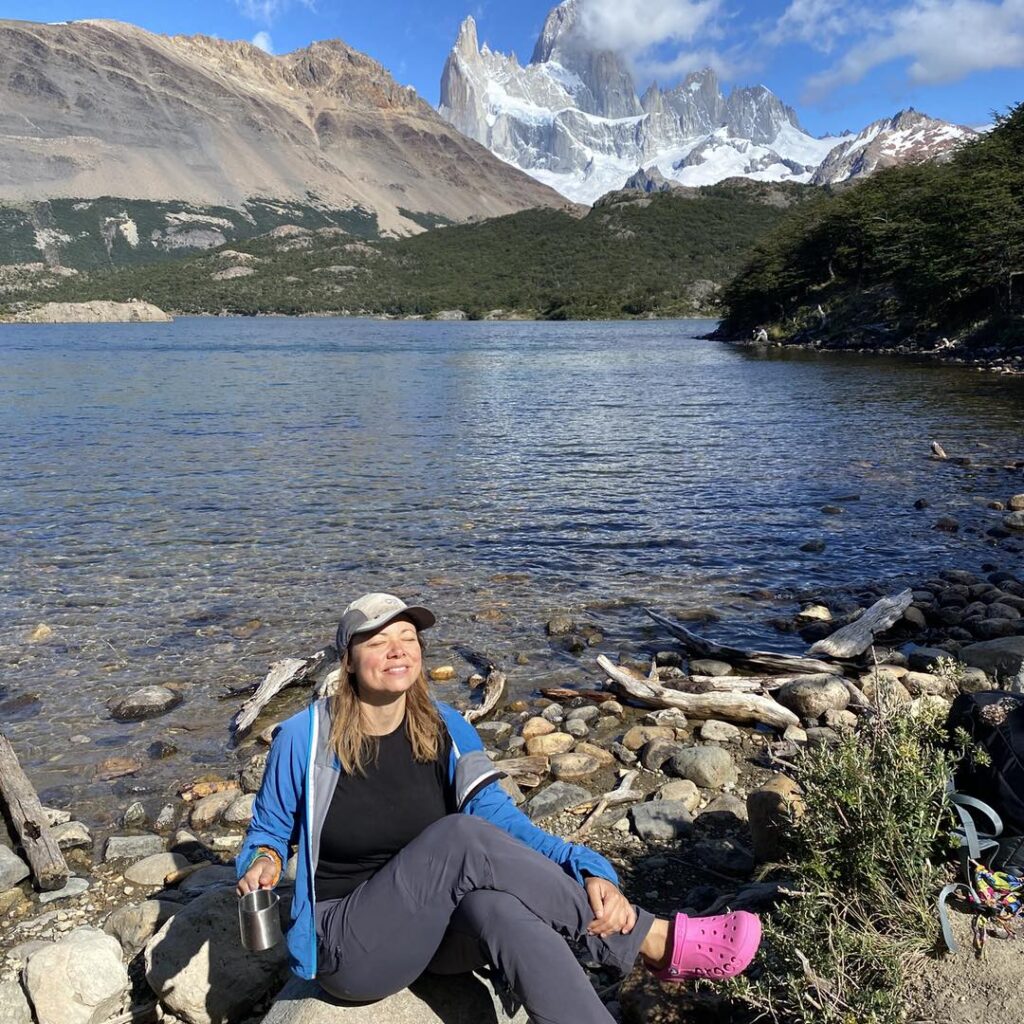
‘The first trip lasted almost two years and ended in Patagonia. Patagonia is my other love besides the Himalayas. It lies between two oceans, the wind blows constantly, and the trees have no chance of growing vertically. I managed to climb the highest peak in the Andes, the 6,962-metre Aconcagua, without oxygen or porters. In fact, I felt like I could go further.’
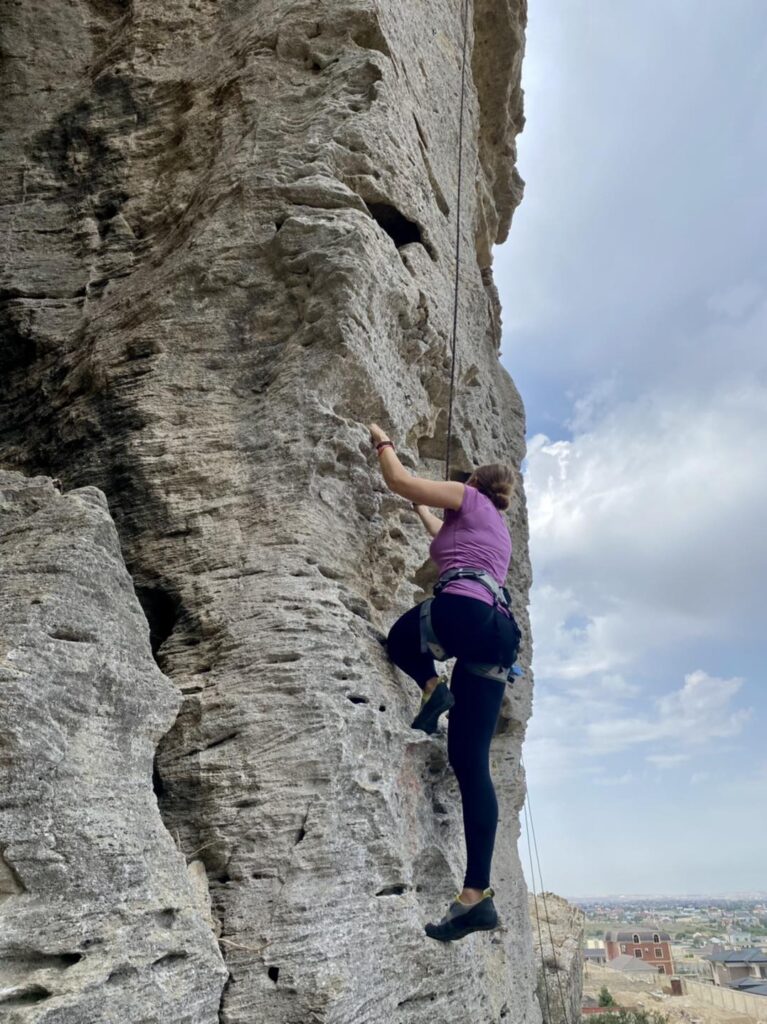
Her hobby became her job: travelling. She leads groups to destinations around the world—excursionists, hikers, and travellers drawn to her relaxed, easy-going style. Of course, COVID put an end to that, or rather, to almost everything. No travel, no income, just the dilemma of what to do next.
‘That’s when I decided to climb an 8,000-metre peak, and I admit I chose Manaslu because it was the “cheapest” option. I sat at home, which was good for finding sponsors, but I realized that female climbers don’t count in Hungary. In the end, a friend of mine and I made our own branded hiking gear, mugs, and neck warmers, and that became my source of income. I also received important pieces of equipment. I couldn’t train because of the quarantine, so I trained in the stairwell of a ten-story apartment building in Csepel, with a fully packed backpack on my back,’ she recalls.
Every climber, even the most puritanical, starts from base camp and has to pay for the services provided there. Zsuzsa also had to pay for this, as well as the wages of the Sherpa accompanying her. However, to put it mildly, their cooperation did not go well.
‘He said he was tired, so I broke the trail in the snow, even though it’s customary to take turns. I wanted to climb without oxygen, because that’s the real achievement, but it takes longer to acclimatize. You climb to a certain altitude, then come back down, gradually acclimatizing your body to the altitude. But if you stay around 5,000 metres for too long, you run out of strength. That’s what happened to me because the expedition leader wouldn’t let me go up the mountain for a long time. I wanted to reach the summit at all costs, so I finally set off with oxygen. On the way to the summit, I turned back, feeling my strength running out in the snowstorm. I asked the Sherpa to stay within sight of me because I was very tired and couldn’t concentrate or break the trail. But he disappeared. My oxygen ran out, I fell in the snow, when another Sherpa appeared out of the blue, checked if I was alive, and gave me an extra oxygen tank. I regained my strength and made it down to Camp 3.’
After a day of rest, she tried again and succeeded! That’s just a short sentence, but it’s impossible to describe what it’s like to climb the eighth-highest and fifth most dangerous peak on Earth, in a region not coincidentally called the death zone. There is a risk of avalanches, there are many crevasses, and in some places, climbers have to pull themselves up vertical walls.
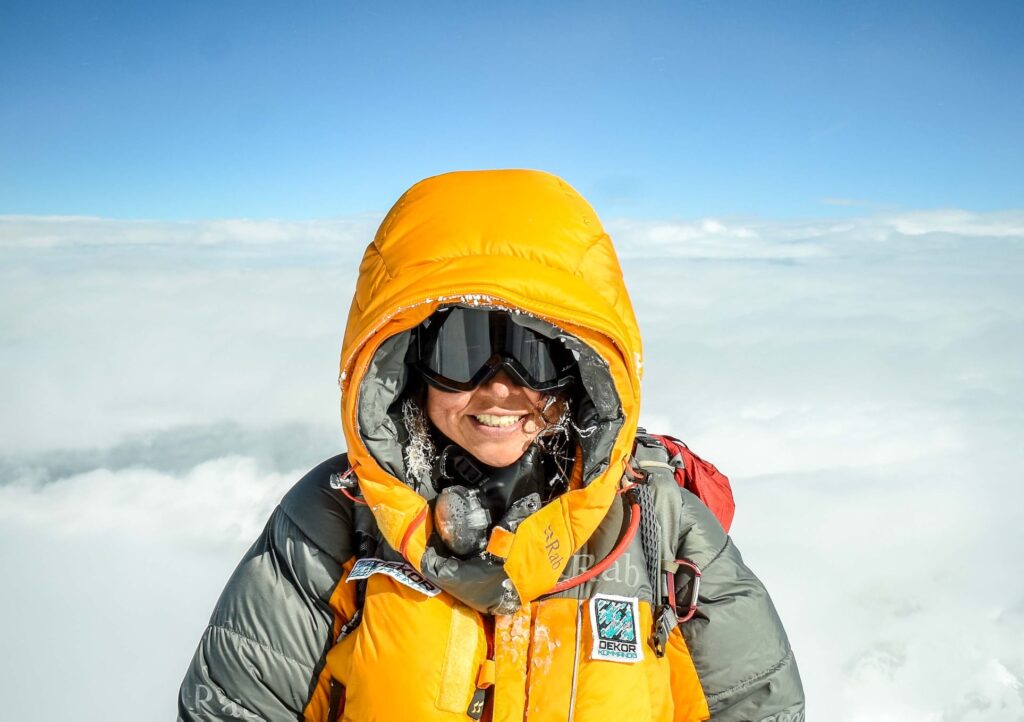
‘I only regret that I couldn’t even try it without oxygen… There are so many problems surrounding mountaineering; [Edmund] Hillary would cry if he saw the conditions today. If it weren’t for social media, a quarter as many people would climb Everest. So they pay a lot of money, two Sherpas go with them, they hook them up to oxygen, and they can say about themselves: they were there too. People who may not have even climbed a mountain ever before,’ Zsuzsi says.
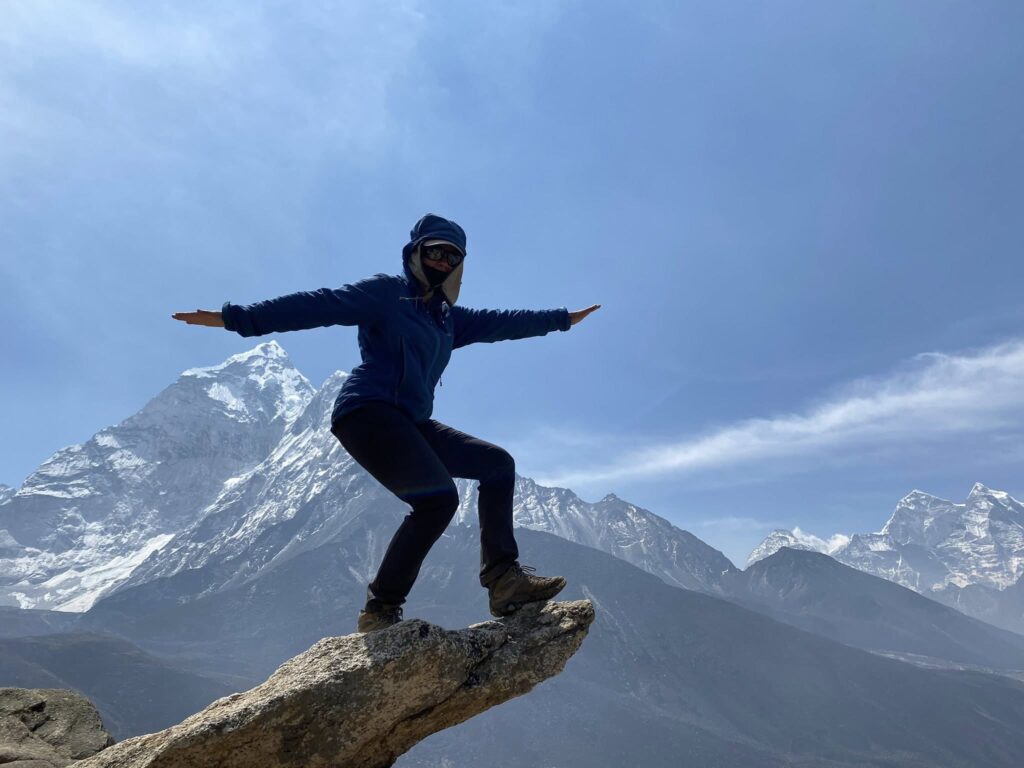
Nevertheless, the Himalayas retain their majesty. The mountain is still magnificent, even if the people are not necessarily so. A wedding on the edge of the Khumbu Glacier, where the wind is always howling, and tons of ice pour coldness under the feet of the couple and the few wedding guests… It’s a pretty good start to life together. Hiking in Patagonia, the Atlas Mountains, travelling around Greece and Morocco—you can’t get enough of it. But isn’t a traveller too lonely? Don’t they sometimes long for something permanent?
‘After a while, yes. You meet people, you talk, but they don’t know you or your culture, so the conversations inevitably won’t be deep. I also had a big dream of spending Christmas in a bikini. I remember sitting there in Thailand with a coffee, among palm trees at Christmas. And I felt terrible that there was no festive atmosphere, no hot chocolate, no Christmas market, no family, no friends. I wasn’t happy. After a while, miracles become everyday; the decision to go to Laos or Cambodia is a dilemma like buying rye bread or sourdough. That’s why I stayed in Peru and Vietnam for a while, for example. They offered me a job there, and I was happy to stay for a while, because sometimes the constant packing and having to figure out the same things every single day to be able to move on is tiring and exhausting.’
She and her friend recently bought a piece of forest in Zala, and they have a small wooden house on it. Travelling the world, she sees clearly that climate change is not just scaremongering.
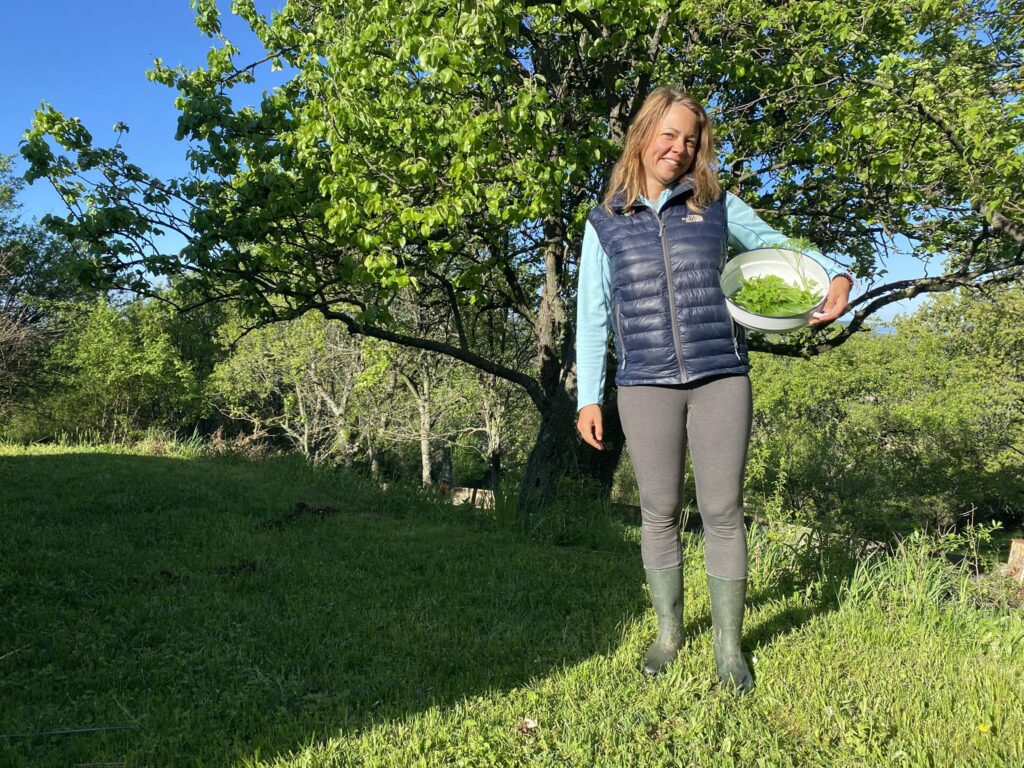
‘There was a waterfall in Patagonia, I remember my backpack falling into it when I was there. I went back recently and was shocked to see that it dried out. I know very well that water is the most important thing, and it will become increasingly so. When we were looking for a small area, all I looked for was water…,’ concludes Zsuzsi.
Related articles:
Click here to read the original article.