Hungary’s growing international appeal was once again evident at the IMTM tourism trade fair in Tel Aviv, where Visit Hungary appeared with its own national stand, joined by ten leading Hungarian tourism partners. The strong professional interest was more than polite enthusiasm—it reflected a measurable reality: in 2025, Israeli tourism to Hungary reached an all-time high.
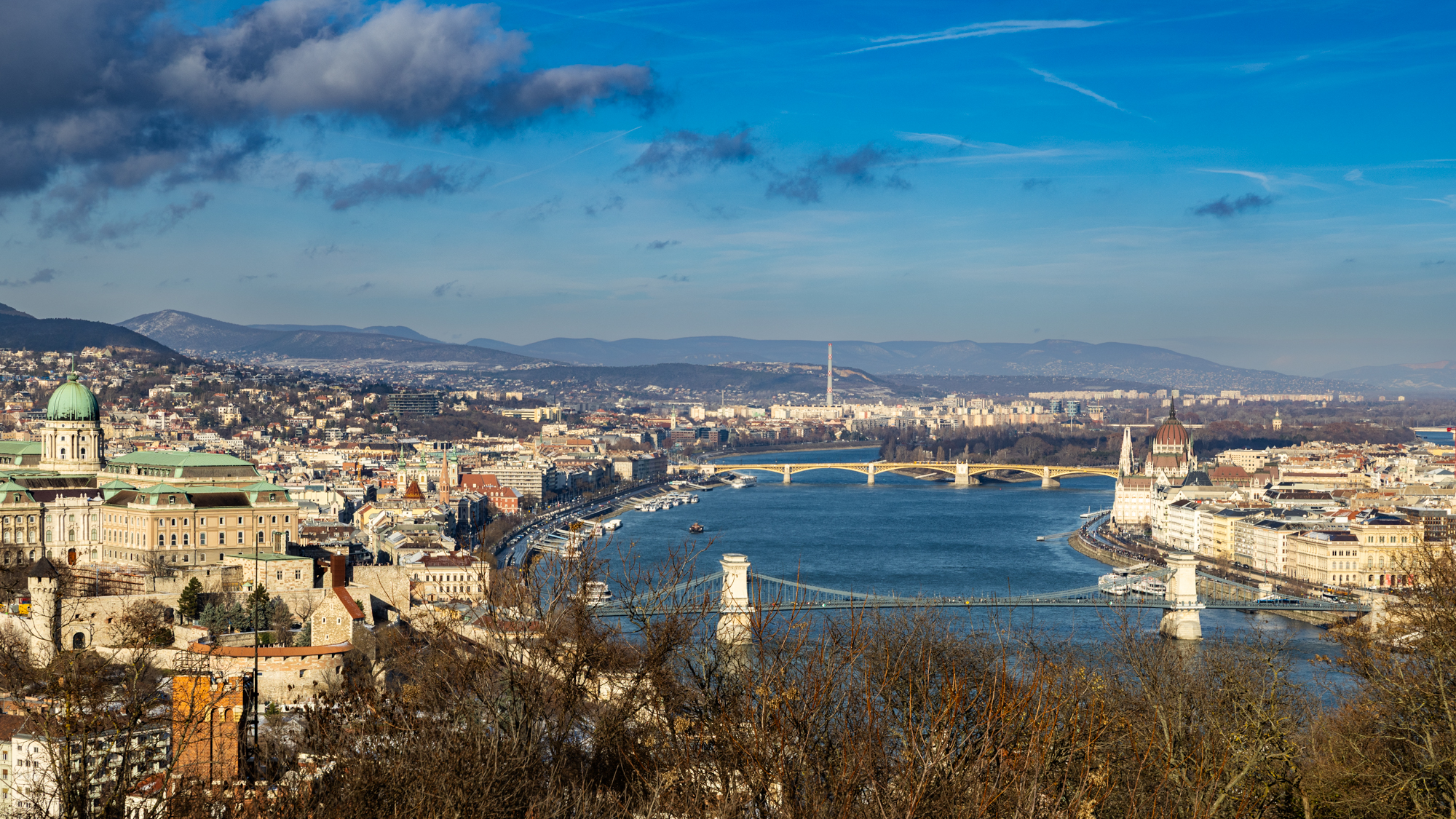
Hungarian hotels and tour operators presented a compelling portfolio that combined premium urban accommodation, the country’s world-renowned spa and wellness culture, and the enduring charm of rural destinations. Budapest’s architectural grandeur and vibrant cultural life continue to draw significant attention, while Lake Balaton remains a symbol of relaxed lakeside leisure. Meanwhile, destinations such as Tokaj, Szentendre, and the Danube Bend are steadily gaining ground, signalling a broadening and deepening of Israeli interest in Hungary beyond the capital.
The exhibition was accompanied by a professional gala evening in Tel Aviv, where Israeli tourism leaders and the Hungarian delegation reviewed a year of remarkable growth. The conclusion was unmistakable: confidence in Hungary is rising, and bilateral cooperation in tourism continues to strengthen.
Record Numbers, Enduring Confidence
The figures speak for themselves. In 2025, more than 362,000 Israeli visitors travelled to Hungary, generating approximately 1.15 million guest nights—an increase of over 60 percent compared to the previous year. For the first time, Israeli guest nights exceeded one million, making Israel Hungary’s 11th most significant source market.
Yet the importance of this development extends far beyond raw statistics. Israeli travellers rank among the highest per-capita spenders, particularly in premium accommodation, gastronomy, and experience-based services. In revenue terms, Israel has become one of Hungary’s leading tourism markets—an outcome that reflects not only purchasing power but trust.
When selecting destinations, Israeli visitors consistently prioritize safety above all else. Value for money and reliable direct air connectivity follow closely behind. Hungary’s reputation for public security, combined with its cultural depth and competitive pricing, aligns precisely with these expectations. The record-breaking performance of 2025 is therefore neither accidental nor fleeting—it is structural.
‘When selecting destinations, Israeli visitors consistently prioritize safety above all else’
Air connectivity has further reinforced this trend. In 2025, more than 30 weekly direct flights operated between Israel and Hungary, primarily on the Budapest–Tel Aviv route. From 31 March 2026, Tel Aviv will once again be accessible from Debrecen with three weekly summer flights, further consolidating regional ties.
Hungary Is a Safe Heaven in a Europe Where Antisemitism Has Risen Drastically
Hungary’s growing popularity among Israeli travellers must also be understood against a wider European backdrop. Across much of Western Europe, antisemitism has resurged with troubling intensity since the events of 7 October 2023. A recent survey conducted ahead of the ‘Israelis in Europe Against Antisemitism’ conference found that nearly 65 percent of Israelis living in Europe feel significantly less safe in their countries of residence. Almost 70 percent reported having experienced or witnessed antisemitic or anti-Israel incidents. On several Western university campuses, Jewish students face hostility and intimidation, while cooperation with Israeli institutions has been curtailed in dozens of cases.
Against this alarming trend, Hungary has charted a markedly different course.
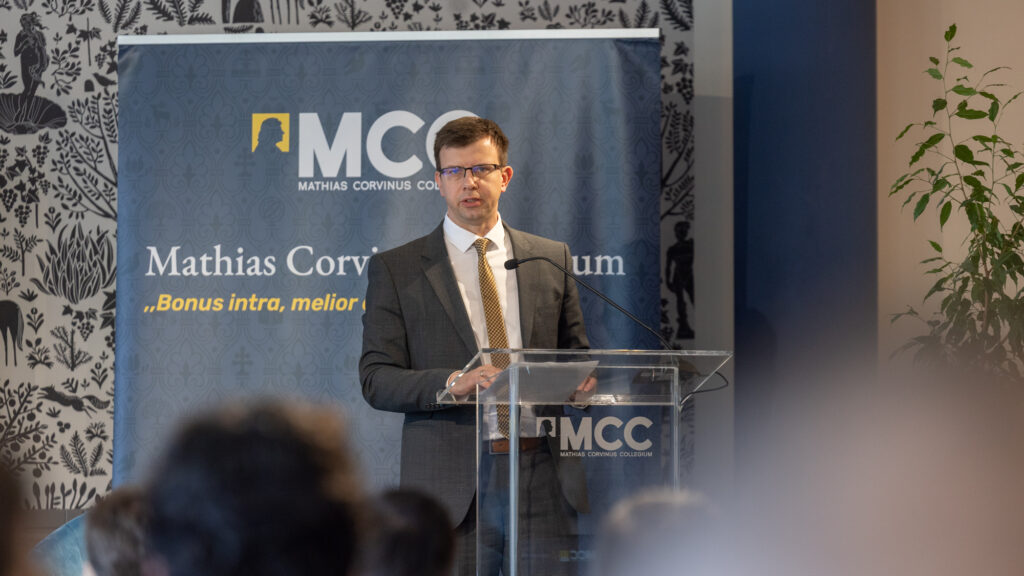
János Bóka, Minister for European Union Affairs and the Prime Minister’s Commissioner for the Coordination of the Fight against Antisemitism, has submitted the government’s comprehensive action plan against antisemitism for public consultation. The initiative reaffirms Hungary’s commitment to safeguarding Jewish life at a time when parts of Europe appear increasingly uncertain in both resolve and direction.
In his public statement, Bóka stressed that Hungary remains firmly committed to ensuring that Jewish communities can freely and securely live out their identity within their shared homeland. Jewish life, he emphasized, forms an integral part of the single great fabric of the Hungarian nation.
‘Jewish life…forms an integral part of the single great fabric of the Hungarian nation’
The draft action plan outlines a structured national response grounded in prevention, education, and institutional responsibility. Its guiding principle is clear: antisemitism is best countered not only through reactive measures, but by actively strengthening Jewish life itself.
A flagship proposal is the establishment of the Brüll Alfréd House – Hungarian Jewish Heritage Park, envisioned as a multifunctional space serving simultaneously as a dignified Holocaust memorial—with particular attention to child victims—a venue for temporary exhibitions, and a hub for cultural, civic, sporting, and family activities. By making both Hungary’s Jewish past and its vibrant present accessible through direct encounters, the initiative seeks to reinforce social cohesion while responsibly preserving Jewish heritage nationwide.
The strategy also places strong emphasis on supporting victims of antisemitic hate crimes, enhancing preventive mechanisms, and addressing the growing challenge of online radicalization. Education plays a central role, particularly in equipping young people with the tools to recognize and respond to antisemitic content. Security and resilience form the third pillar, ensuring continued protection of Jewish institutions and close cooperation with community organizations.
Importantly, the plan calls for a reassessment of the European Union’s current strategy, arguing that existing frameworks no longer fully reflect political realities. Hungary advocates greater transparency, increased dedicated funding, and a more coherent European response.
Beyond Tourism: Israelis are Choosing Hungary for Safety and Security
The convergence of record Israeli tourism and a comprehensive national strategy against antisemitism is no coincidence. It reflects a broader truth: in an era marked by fragmentation and ideological turbulence across parts of Europe, Hungary offers stability, clarity, and institutional responsibility.
Israeli visitors are drawn not only by Budapest’s cultural vitality or the restorative waters of Hungarian spas. They are responding to a country widely regarded as secure and welcoming for Jewish life. This reputation—reinforced by concrete public policy—builds confidence that extends well beyond tourism statistics.
At a time when many Jewish communities in Europe feel compelled to reduce their public visibility, Hungary’s emphasis on prevention, community strength, and open consultation signals a different path. Safeguarding Jewish life is presented not as a symbolic gesture, but as a matter of national principle.
As Europe grapples with deepening social tensions, Hungary demonstrates that security, cultural richness, and economic vitality are mutually reinforcing. The record tourism results of 2025 are therefore more than a commercial success—they are a reflection of confidence in Hungary’s stability and long-term reliability.
In uncertain times, such confidence is neither automatic nor easily won.
Related articles: