Hungary has established itself as one of the world’s foremost centres for folklore architecture, owing to its rich historical and regional diversity. In an age of haste and distraction, there are still places that honour what truly endures: tradition, craftsmanship, and the lasting dignity of heritage. One such place is found in Sátoraljaújhely, in the gentle foothills of northeastern Hungary. Just beyond the railway station stands a unique building known as the Wine Temple, a sanctuary not primarily of religion, but of culture, economy, and the cultivated life. Within these temple walls, this long-forgotten landmark offers visitors who appreciate tradition and historic architecture not only a glimpse into Hungary’s winemaking history but also a reminder of a time when architecture reflected the nation’s spirit.
A Monument to Order and Excellence
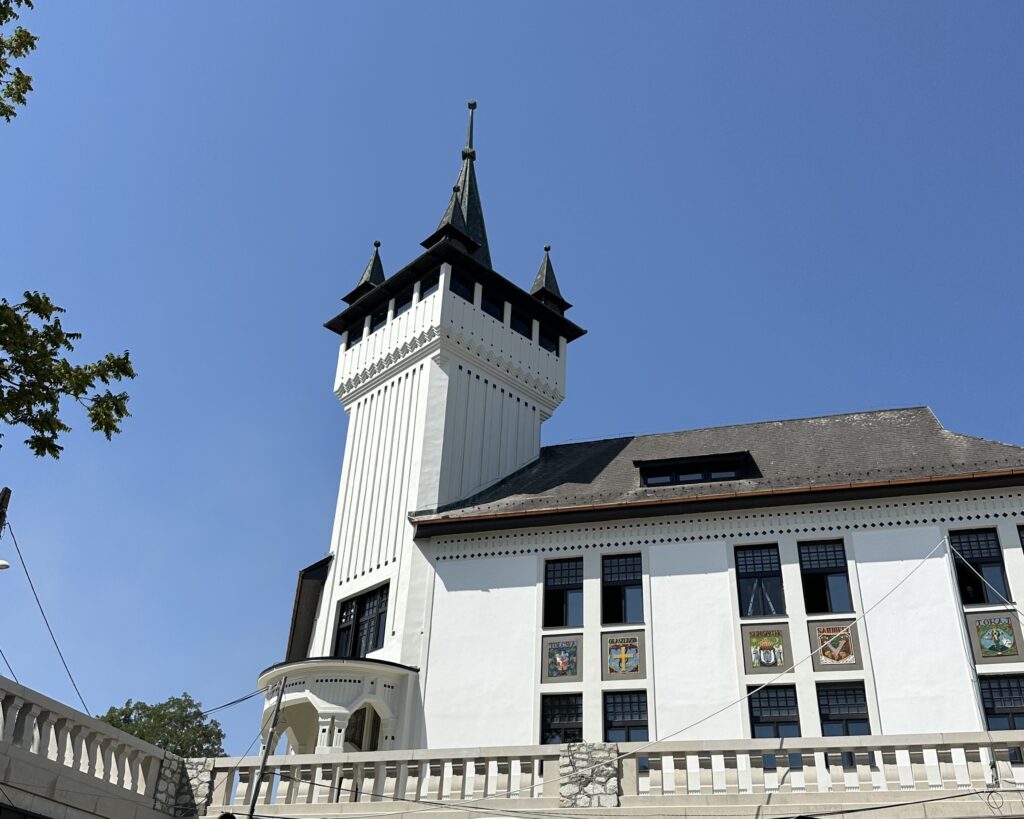
Built between 1913 and 1914, the Wine Temple, formerly known as the State Public Cellar (Állami Közpince), was created during a period of renewed optimism in the Tokaj–Hegyalja wine region. The building was not merely functional, but symbolic, a monument to the civilizing power of wine culture. Its authorship has long been debated: while many sources credit Ede Thoroczkai-Wigand, a leading figure of Hungarian Art Nouveau, others, such as Kováts Dániel, citing architect György Radványi, attribute it to Kálmán Váczy-Hübschl, whose work blended national motifs with modern materials. A significant example of this is the ornamentation of reinforced concrete structures. In the spirit of preserving this heritage, the Temple has been faithfully restored with strong belief in Váczy-Hübschl’s architectural vision. His legacy was honoured in 2021 when the town of Vác named an architectural prize after him.
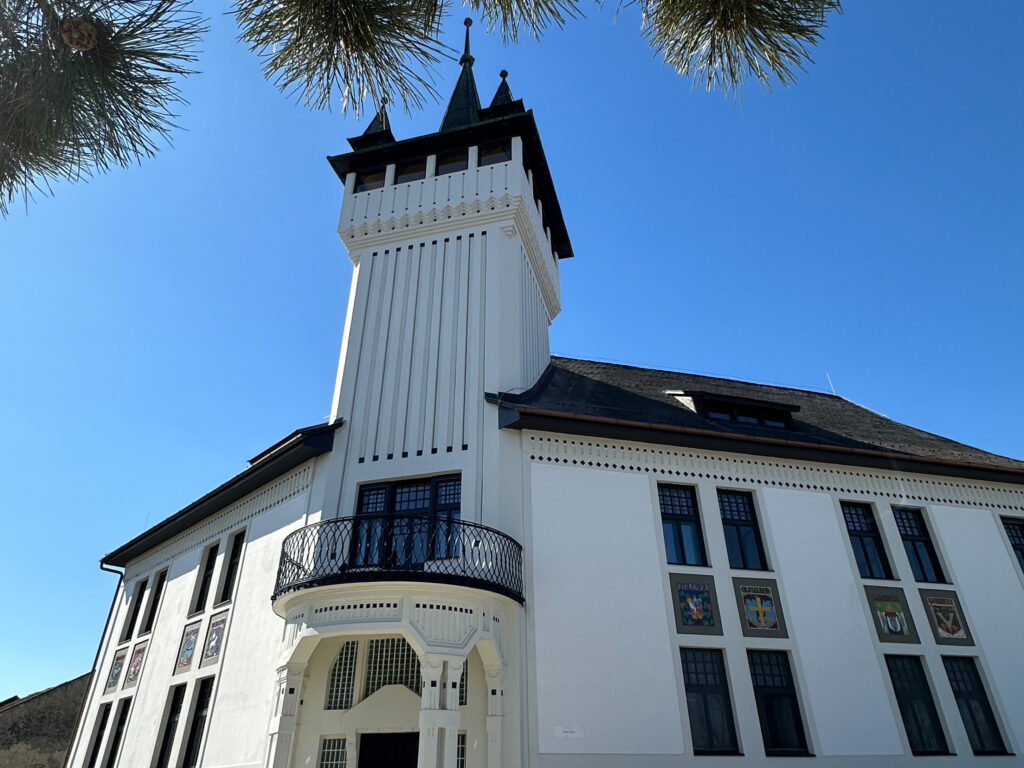
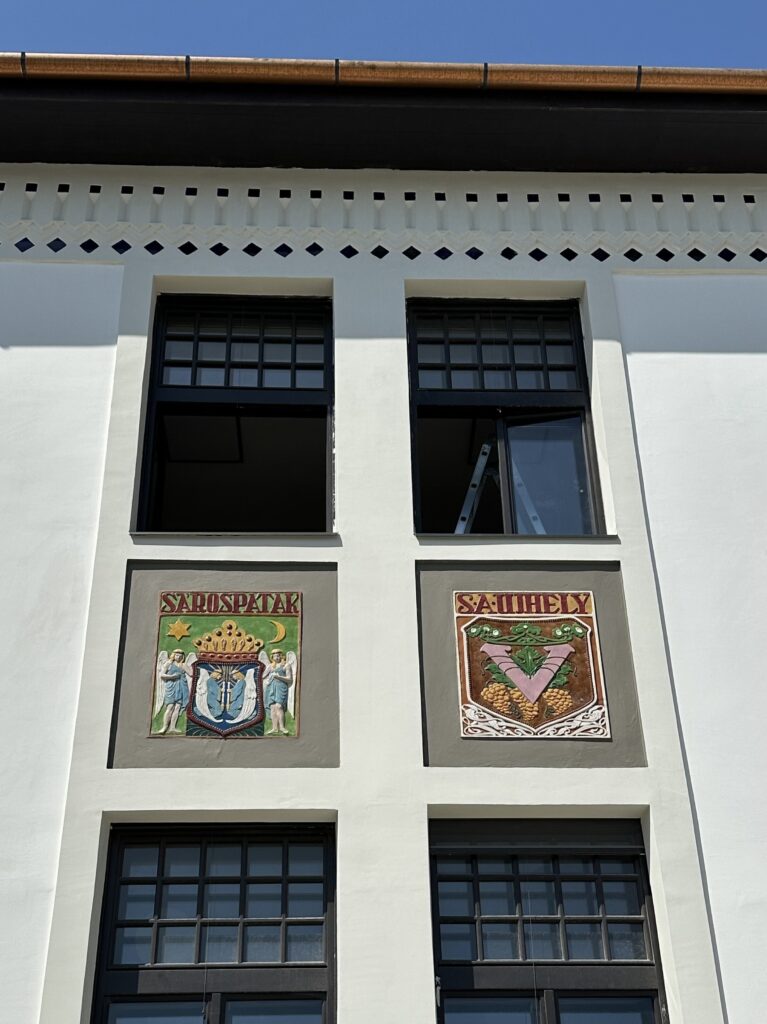
The building itself is rich in meaning: Zsolnay ceramic mosaics adorn the facade, bearing the coats of arms of the Tokaj–Hegyalja wine towns as proud symbols of the region’s identity.
On the upper floor, the County Viticulture and Wine Inspectorate operated, ensuring that Hungarian wine met the highest standards. Here were auction halls, tasting rooms, and living quarters for the cellar master and his deputy. Below, a vast cellar system stretched into the hillside, equipped with modern machinery of its time: steamers for barrels, bottle-washing units, and a packaging plant. A dedicated rail connection ensured that Tokaji wine, often called Hungary’s ‘liquid gold’, could reach markets throughout the Austro–Hungarian Empire and beyond. The entire complex could hold over 1 million litres of wine in 37 cellar branches. This was more than infrastructure; it was an institution where local excellence met national ambition.
Restored to Glory and Renewed in Purpose
Covering more than 4,000 square meters and made up of eight connected buildings, the Temple was first built to protect the region’s future after the devastating phylloxera crisis. Today, it carries forward with the mission of safeguarding faith and preserving traditions as it rises above the historic cultural landscape of the Tokaj Wine Region. The region was inscribed as a UNESCO World Heritage Site in 2002. This designation recognizes the region’s long-standing viticultural traditions and its unique cultural landscape shaped by centuries of wine production.
Throughout the trials of the 20th century, war, political oppression, and neglect took a heavy toll. The Temple fell silent, left in decay, a standing reminder of what had been lost. But by the grace of God and the determination of faithful individuals, it survived. Thanks to their work, it has now been restored to its former dignity and reopened for those who wish to see the rebirth, learn about the past and taste the legendary Tokaji wine.
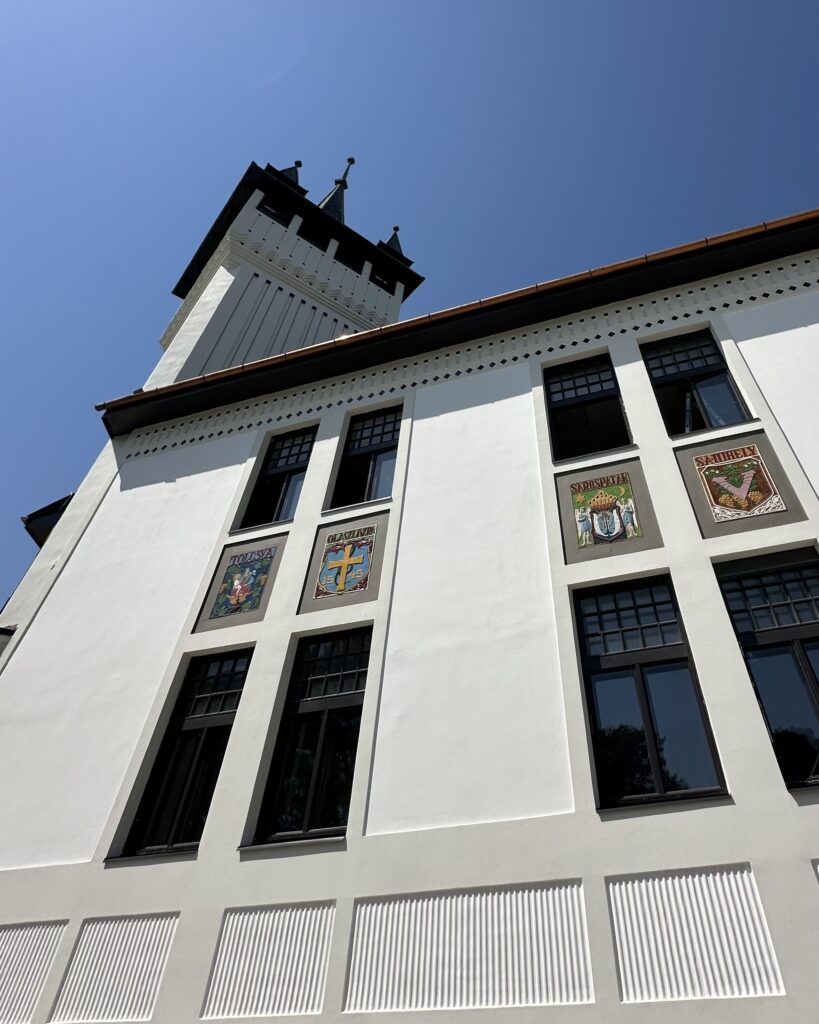
Visitors can now experience the Temple through a smart, sensor-based audio guide system that guides them on a personal journey through its rich history and deep roots. Inside, a series of exhibits brings the story of Tokaj–Hegyalja to life.
The Wine History Exhibition shows how deeply winemaking is tied to faith, tradition, and perseverance. The Viticulture Exhibition displays the tools, customs, and innovations passed down over centuries. Guests can also experience the ‘Becoming an Aszú Berry’ tour, an interactive journey that follows the miracle of the grape’s transformation into Tokaj’s famous Aszú wine, a symbol of nature’s bounty and man’s craftsmanship. The grand event halls offer beautiful spaces for weddings, celebrations, and formal gatherings, while the wine tasting rooms provide an inviting place to enjoy the finest wines this region has to offer.
The work of renewal continues. Soon, the new cellar wings are set to open, creating a protected underground space for ageing and storing wine. A chapel currently under construction restores the Temple’s Christian purpose, offering a peaceful setting for worship, prayer, and spiritual reflection. Nearby, the Secret Garden of the Pauline Monks provides visitors with a place to enjoy God’s creation and find rest for the soul. An open-air stage hosts concerts, performances, and festivals celebrating the region’s living traditions.
Tokaj–Hegyalja, blessed with a unique terroir and centuries of winemaking excellence, remains a national treasure for Hungary and a symbol of the values that grew old with our nation. The Temple’s historic cellars, once alive with the sounds of sparkling wine production, now welcome visitors for flashlight tours and special thematic walks. Hungary’s winemaking legacy also includes a proud tradition of sparkling wine, known as pezsgő.
‘By the early 20th century, Törley’s winery stood among the most advanced in the world, supplying the Habsburg court and many nations beyond’
The first Hungarian sparkling wine factory was founded in 1825 near Pozsony (now Bratislava), and in 1830, Count István Széchenyi coined the word pezsgő. Later, in 1882, József Törley, trained in Reims, France, established his own sparkling wine production in Budafok, which quickly gained international fame. By the early 20th century, Törley’s winery stood among the most advanced in the world, supplying the Habsburg court and many nations beyond. Today, the sparkling wine-making cellars of the Temple offer a place for events, from quiet family gatherings to joyful concerts, for up to 400 people, featuring programmes that include classical music, sacred hymns, folk songs, and other celebrations of traditional culture.
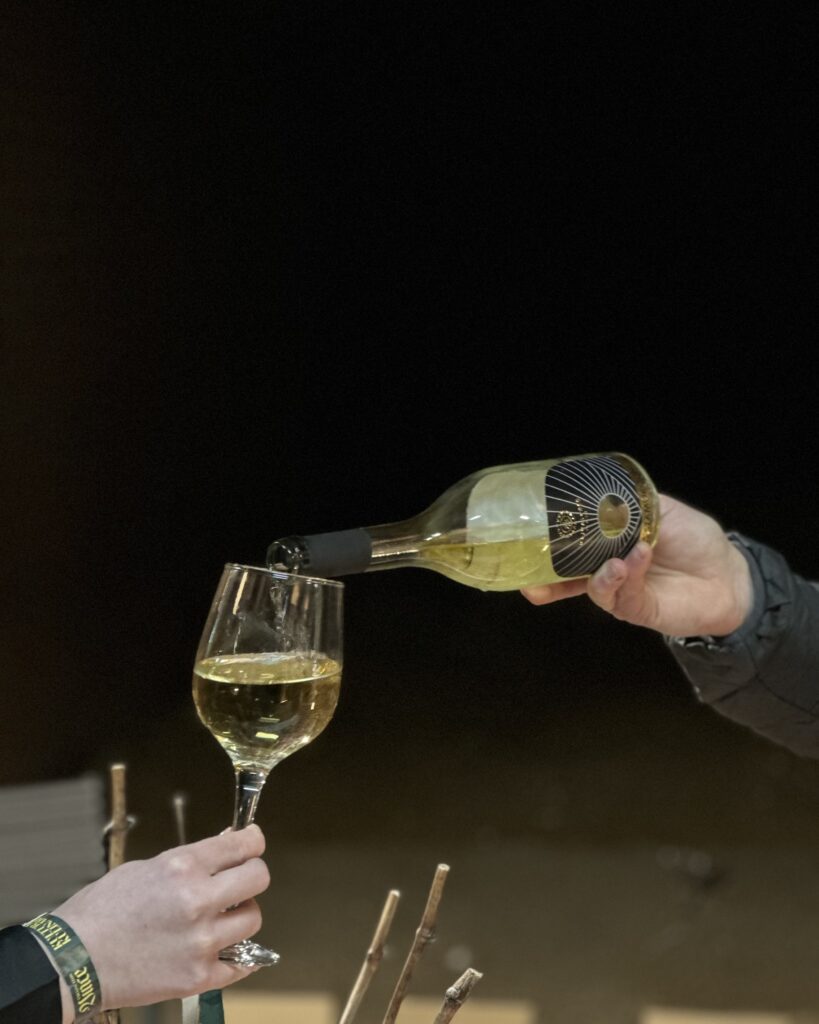
To enrich the visitor experience, the halls also present exhibitions such as Dr István Müller’s Tokaji wine bottle collection, the architectural works of Kálmán Váczy-Hübschl, and selections from the Hollóháza Museum and Sándor Bognár’s Ex Libris collection.
Restoring the Wine Temple was about more than saving a building. It is about renewing the spirit of a people. It is a commitment to pass down faith, tradition, and national pride to future generations. Through partnerships with Tokaj–Hegyalja University and the Tokaj Wine Region Development Council, the Temple will serve as a beacon of learning, faith, and patriotism. The Andrássy Salon will provide a place for civic and intellectual discussions rooted in Christian and national values, strengthening the community and building a better future.
Preserving a National Voice: The Tárogató and Its New Home
Led by Zoltán Erdő, renowned for his mastery of the tárogató, a meaningful new chapter is unfolding upstairs inside. Erdő’s musical journey is profoundly personal: he plays an over-a-century-old Stowasser tárogató inherited from his grandfather, symbolizing a deep familial and cultural connection to the instrument. His versatility spans solo performances and collaborations across classical, folk, and jazz genres. Since 2009, he has been a member of the Oláh Dezső Septet, contributing to contemporary compositions and performing at esteemed venues such as the Hungarian Palace of Arts, the Budapest Jazz Club, and the French Institute.
As part of its cultural revival, the Wine Temple also became home to the National Tárogató Institute, devoted to honouring and passing on the heritage of this uniquely Hungarian instrument. For more than 25 years, Erdő has carried the tárogató’s voice far beyond Hungary’s borders, sharing its haunting, soulful sound from the Carpathian Basin to Europe, Africa, and North America. The instrument he plays is a tárogató, now over 120 years old and handed down through four generations of his family.
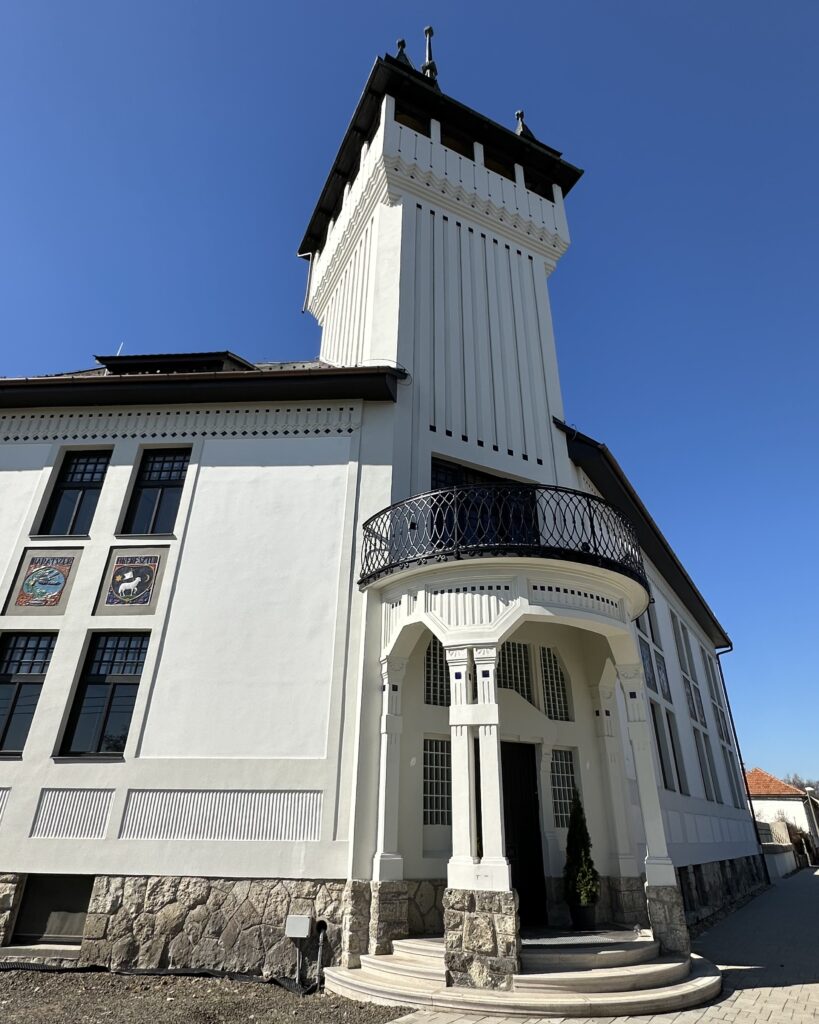
The tárogató holds a special place in the Hungarian spirit. Known worldwide as a national symbol, it was rightfully declared a Hungarian National Treasure, and since 2014, has been recognized as an official hungarikum. Now, in the heart of Sátoraljaújhely, this legacy is being firmly rooted in the future. Within the walls of the Wine Temple, Zoltán Erdő is eager not only safeguard the tárogató’s story but to pass it on. Through intimate, small-group lessons, he will eagerly teach young people how to play this emblematic instrument, helping them connect with their heritage and breathe new life into one of Hungary’s most soulful sounds.
To step into the Wine Temple is to return to a world where form followed purpose, and purpose served the greater good. Here, the values of continuity, community, and quiet excellence still hold. For those who appreciate Old World dignity, for whom the civilizing forces of tradition, discipline, and design still resonate, this is not merely a destination. It is a shrine, lovingly restored, and ready once again to serve.
To close, I turn to the patriotic words of Artisjus Award–winning composer Géza Niczky, capturing the true spirit of the Temple town:
In the northeastern corner of Hungary
It lies in peace and pride,
Home to many famous great people —
Our homeland, the beautiful Zemplén County.
This is one of the most beautiful parts of the country,
Its old glory hasn’t faded even now.
Though it has weathered many storms,
It survived and made peace with its past.
Related articles: