The following is an adapted version of an article originally published in Hungarian in Magyar Krónika.
An open-air exhibition titled The World of Retro Winters has been on display since 28 November at Budapest’s Várkert Bazaar.
A poster exhibition, evoking the atmosphere of winter celebrations in the 1970s and 1980s, has opened on the ramp leading to the Várkert Bazaar Gloriette under the title Let There Be Celebration on Earth! — The World of Retro Winters.
It has become a tradition to hold an outdoor exhibition at Várkert Bazaar during the Advent period, which is in some way connected to the Christmas season. These exhibitions usually seek to present a slice of Hungarian culture that is exciting for both domestic and foreign visitors.
The displays take visitors back to a recent period when the government tried to strip religious holidays of their original meaning.
The exhibition is not only about Christmas customs, but also about what was fashionable in the 1970s, how the world of advertising developed, what were the best-selling goods, and it also commemorates colourful soft drinks and festive table settings. According to the organizers, the exhibition offers a true retro holiday experience, a nostalgic and cozy memory in a real social and economic historical context.
The exhibition curators, Kinga Veress and Gabriella Jenei, recall the anticipation for Father Winter (Editor’s note: Father Winter replaced the traditional Christmas figure of Santa Claus, that is, Saint Nicholas, in favour of a secular gift-giver), preparing for Pine Holiday (Editor’s note: same here with Christmas), the vibe of New Year’s Eve house parties, and the carnival costume parades that defined the rhythm of winter for those who grew up in Hungary in the 1970s and 1980s in 16 illuminated installation elements that can be viewed free of charge.
With the help of photos of posters, card calendars, price tags, postcards, and toys selected from the collection of the Hungarian Museum of Trade and Tourism, it reveals how advertisements and shop windows promoted abundance in an era when most people stood in line for even the smallest gifts.
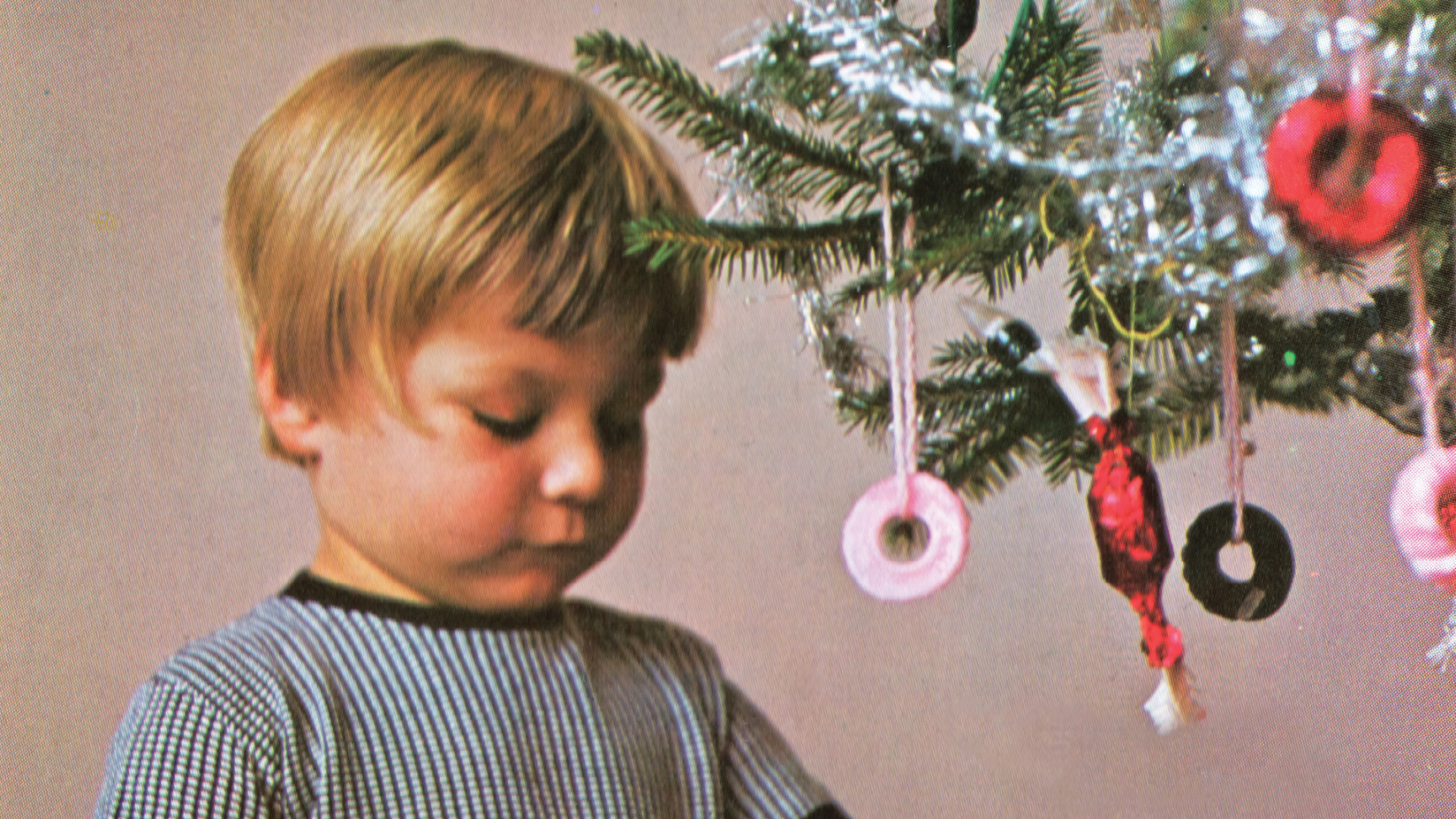
The pictures also feature the well-known baubles, the famous Hungarian Christmas parlour candies, that is, szaloncukor, usually filled with jelly, in their characteristic boxes, crystal bowls, pressure cookers, and Remoska ovens as novelties in kitchen appliances.
Related articles:
Click here to read the original article.