
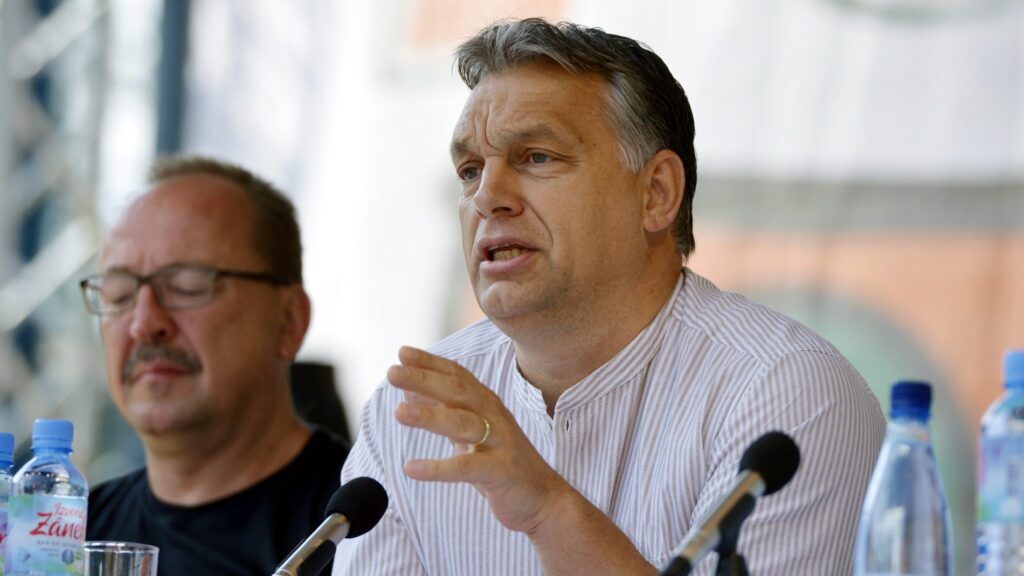
The first Tusványos speech that became famous across the Western world was delivered a decade ago in 2014. In the international, and especially Western media, the speech became (in)famous for using the phrase ‘illiberal democracy’ for the first time. Talking about competitiveness in a globalizing world Orbán said: ‘We are trying to find the form of community organisation, the new Hungarian state, which is capable of making our community competitive in the great global race for decades to come.’
Despite the series of peace plans formulated over the last years, the positions of the presidents of the warring nations, Zelenskyy and Putin still look irreconcilable. As Prime Minister Orbán highlighted on numerous occasions, however, ‘peace won’t happen of its own accord’ and ‘without dialogue it is very difficult to see how they will move in the direction of peace’.
The cordon sanitaire as used by the EP today is not a reasonable political tactic to block parties that are radical beyond reasonable doubt, but a way for the political elite to block the will of the people, hollowing out the very purpose of democratic elections: to determine the political elite of the polis.
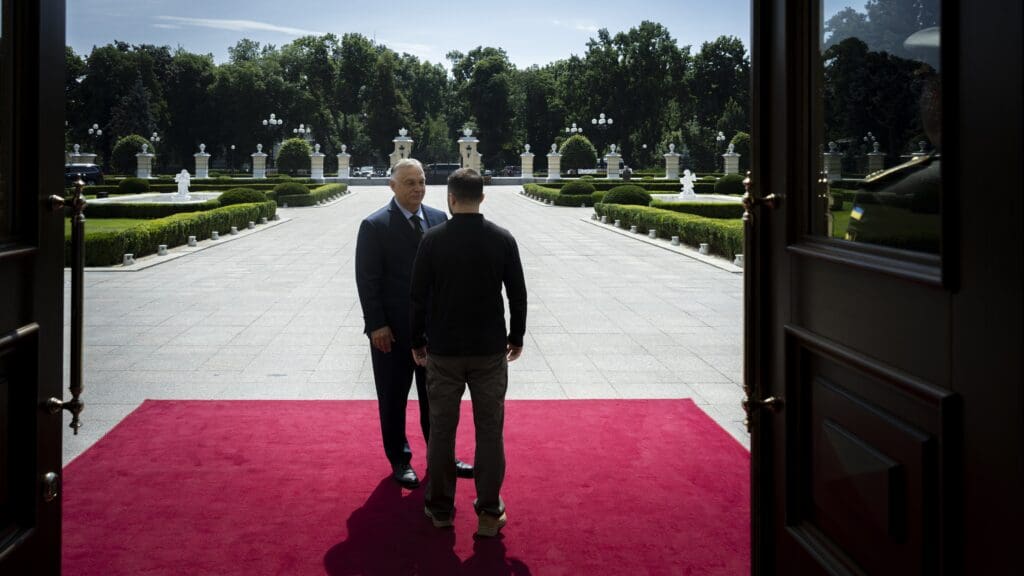
In December last year a new law created a distinct category for ‘EU minorities’ in Ukraine (such as the Hungarian and Romanian ethnic minorities) that now have access to more privileges than for instance the Russian minority. Later, as a sign of goodwill to better relations, Foreign Minister Péter Szijjártó visited Ukraine. Now, with the meeting between Orbán and Zelenskyy the two country’s relationship is officially warming up. If in the long-term Budapest does manage to considerably contribute to peace between Russia and Ukraine, as it clearly intends to, it might have a long-lasting positive impact on bilateral relations.
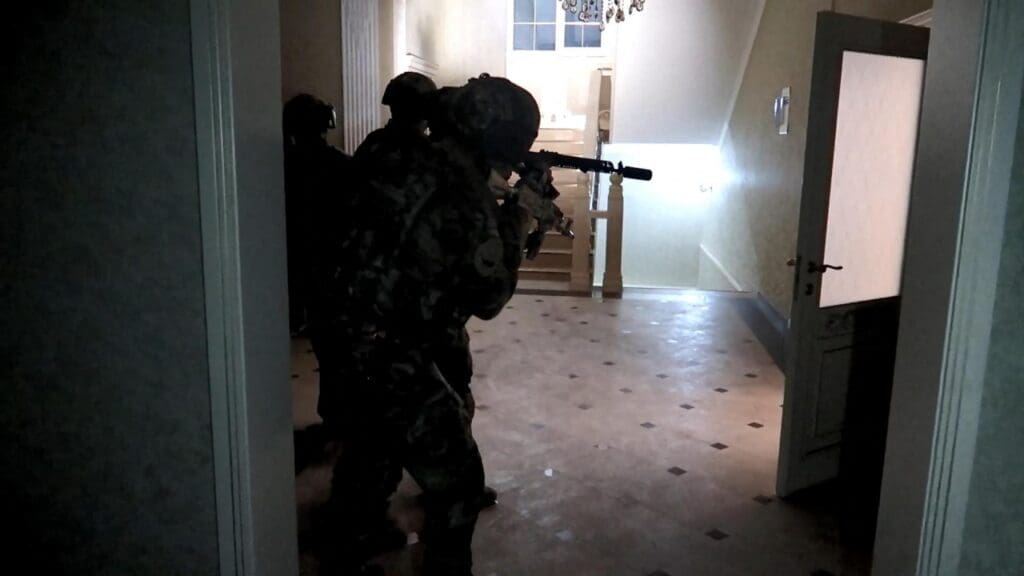
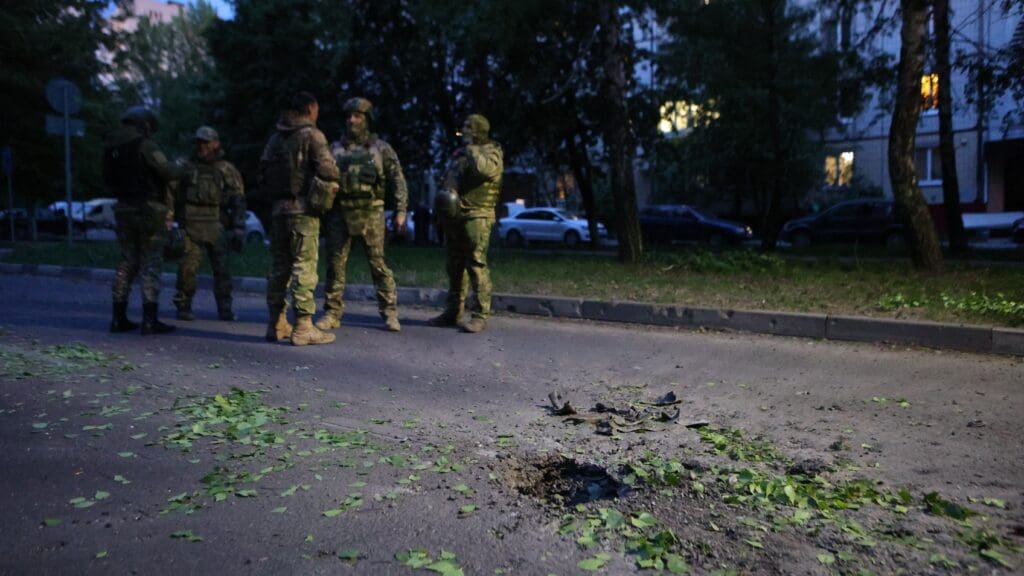
The recent terror attacks in Dagestan are only some of the many signs that Russia is facing a real threat in terms of radical Islam in the Caucasus. In October 2023 a crowd of Muslim fanatics besieged the Makhachkala airport in search of Jews. The antisemitic riot which led to sixty people being arrested left the airport with smashed windows and injured policemen.
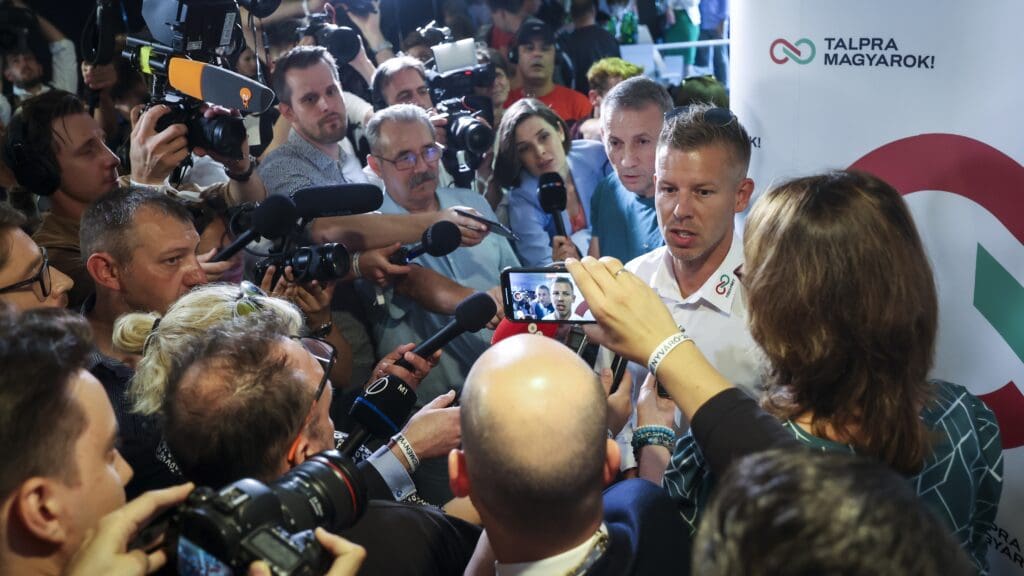
Popular anti-government actor Ervin Nagy has been named as a high-profile donor for Magyar’s demonstrations, yet some question if Nagy’s financial support is sufficient to cover the expenses of photographers, stages, audio and other electronic equipment, not to mention the honoraria of advisors and the costs of travel and accommodation. Trying to clarify the situation Magyar also cited micro-donations from ordinary Hungarians as the source of funding for his campaigns. He also promised to make his asset declaration public back in April, following a rather high-profile breakup with his ex-wife, the former Minister of Justice Judit Varga, but he has not done it so far.
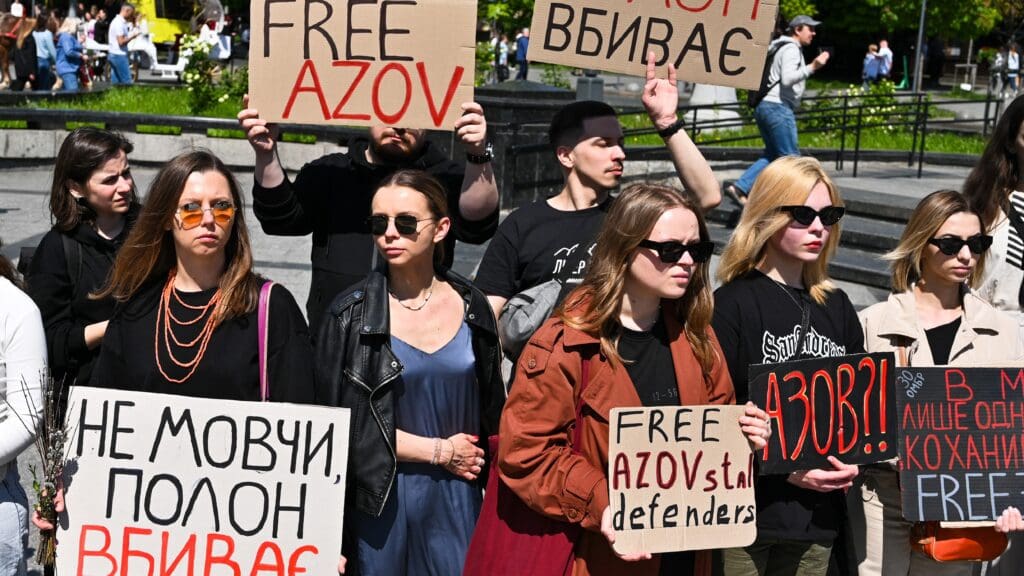
‘Else than the Azov militia, the most well-known example of radicals fighting in Ukraine is that of Denis Kapustin (also known as Denis Nikitin), the leader of the Russian Volunteer Corps (RVC), who led multiple raids into Russia from Ukraine. According to POLITICO, Kapustin is regarded as ‘one of the most influential neo-Nazi activists’ in today’s era. The praise these military formations received in the West for their reckless actions in Belgorod, without recognition of the dangers of their radical ideology, also feeds into Russian propaganda and helps it draw a parallel between the alleged past and present support the West gives to Nazis.’
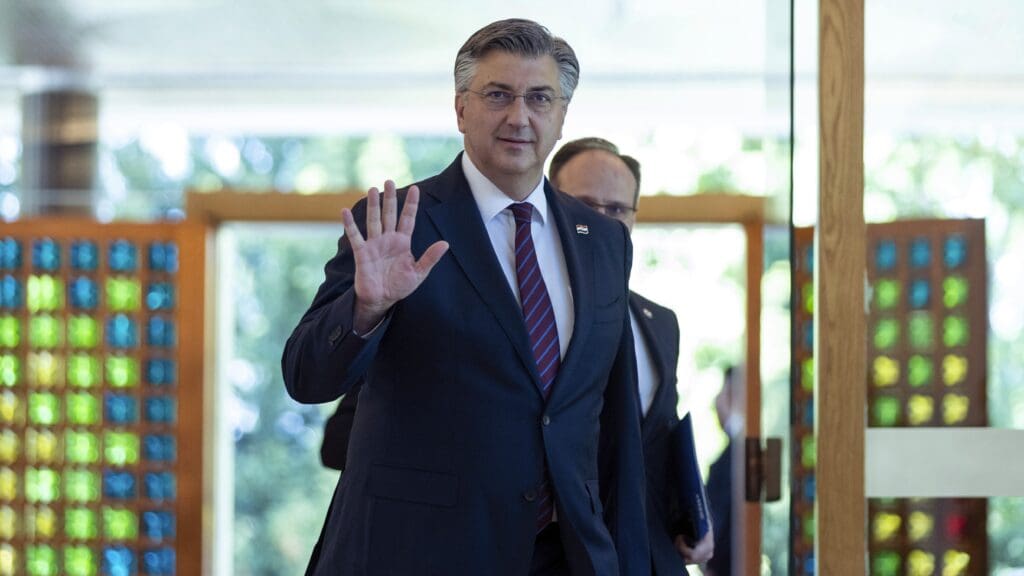
The HDZ-led coalition won 34.4 per cent of the votes in the general election, while the Rivers of Justice got 25.4 per cent of the vote, with a turnout of 62.3 per cent. These results give a hint as to what the outcome of the upcoming European Parliament elections may be. (In the EP HDZ is part of the European People’s Party, while SDP is a member of the Progressive Alliance of Socialists and Democrats (S&D).) Precedent shows that if two elections are held shortly after each other the party that won the first election is likely to slightly improve its vote share in the subsequent election.
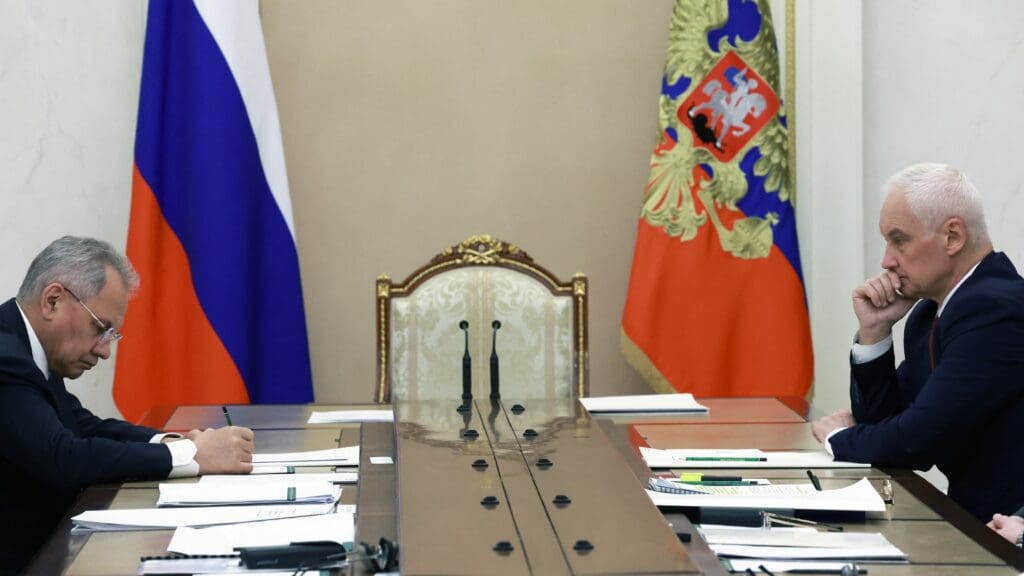
Russia held its first three-day-long presidential election between 15–17 March 2024; 7 May marked the previous cabinet’s last day in office. The new appointments in the Russian cabinet are significant not only because they mark the Kremlin’s apparent preparation for a long war, but also because they provide a fresh insight into the power games played in Moscow.
‘The vestiges of Cold War thinking continue to linger on, with the fear of a hypothetical Russia–West conflict escalating into a war that ends civilization imprinted on our minds so much that it has never actually gone away. Nevertheless, it must be recognized that Russia has lost much of its power compared to its Communist era strength and would struggle if it wanted to fight against the West. To be precise, barring the suicidal option of launching a nuclear holocaust and burning everyone, including itself, to smouldering ashes, Russia is not even economically competitive enough to master sufficient military power to achieve superiority in brute force over Ukraine, not to mention having the strength to go on and attack any NATO country.’
At a time when public debate is increasingly polarized and superficial, Hungarian Conservative remains committed to depth and independent thought.
Donate Now
Please consider supporting our mission.