Picture of Lili Zemplényi

Lili Zemplényi

Lili Zemplényi is a graduate of University College London (UCL). Currently, she is completing her MA at the Higher School of Economics. Previously, she worked as an intern at the Hungarian Academy of Sciences, Institute for Political Science.

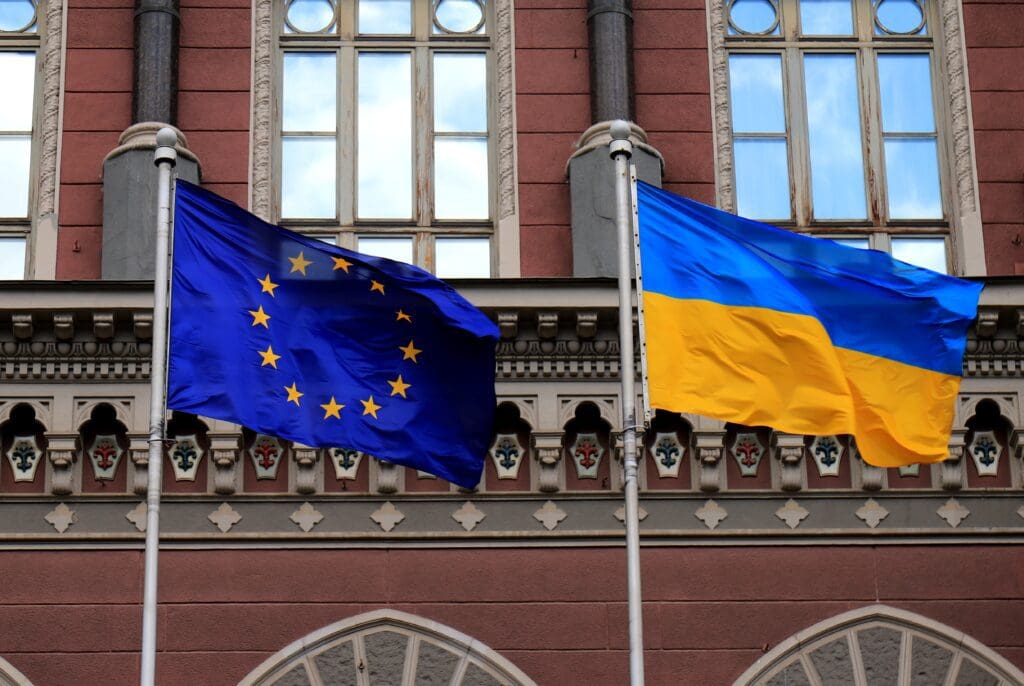
While it is highly unlikely that Ukraine will join the EU anytime soon, should Kyiv become a member state, it will be one of the poorest, with only one-ninth of
The French Senate has recently adopted a non-binding resolution that calls for the recognition of the Republic of Nagorno-Karabakh. In response, Baku has threatened to cut gas supplies to Europe.
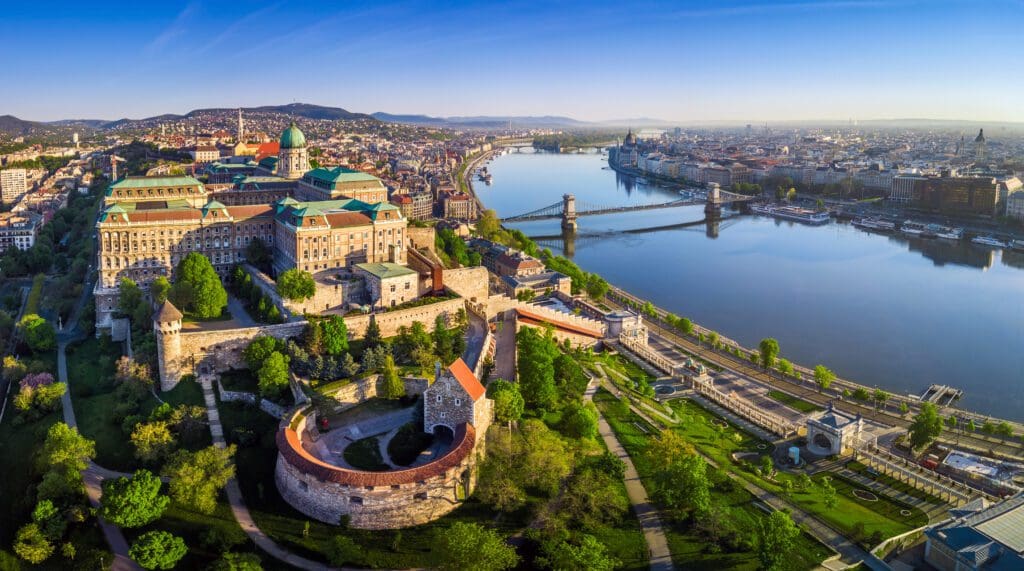
Budapest was unified on 17 November 1873, and in the decades that followed the capital went through remarkable development, becoming the beautiful city that we know today.
178 years ago, Hungarian became the official language of the country.
John C. Swanson’s book Tangible Belonging provides not only a rare insight into the life of German-speaking villagers in Hungary, but also into the complexity of ethnic identity and interwar
While Eastern and Western Germany do converge with the passing of time, as values are transmitted from generation to generation, the ‘shadow’ of Communism is here to stay for decades
The renovation of the interior of Hungary’s iconic Parliament building is set to begin soon, to restore its original splendour worn out by long use.
All empires and major powers have a strong sense of their own exceptionality, so criticizing Russia in that regard is not reasonable.
Today, on the Day of Hungarian Science, we not only celebrate the achievements of individual Hungarian scientists, but also the accomplishments of the Hungarian Academy of Sciences that was founded
A couple of days ago the residents of Budapest were pleasantly surprised when they realised that at least one of the lion statues of the Chain Bridge undergoing renovation had