Picture of Lili Zemplényi

Lili Zemplényi

Lili Zemplényi is a graduate of University College London (UCL). Currently, she is completing her MA at the Higher School of Economics. Previously, she worked as an intern at the Hungarian Academy of Sciences, Institute for Political Science.

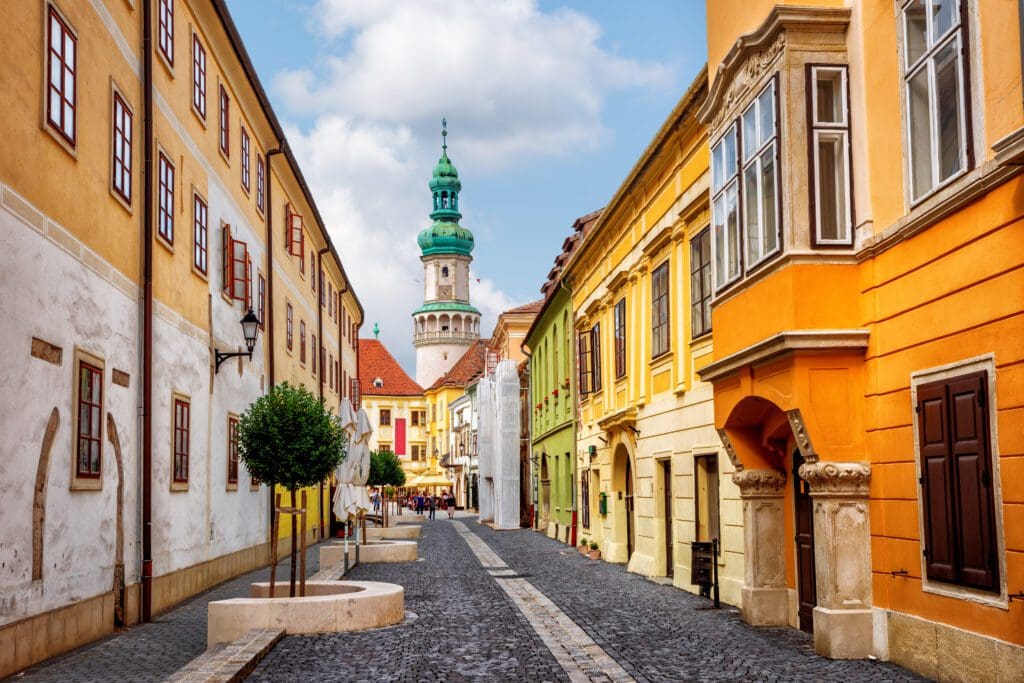
In a referendum on 14 December 1921, the town of Sopron voted to remain part of Hungary, for which it has been celebrated as the town of loyalty and freedom
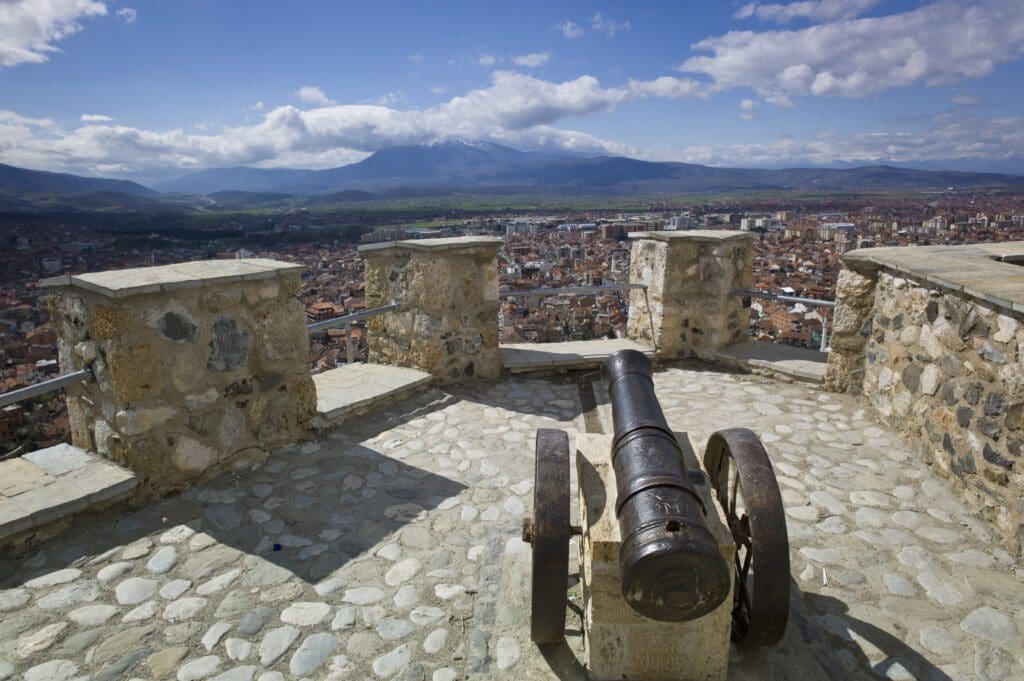
Protests, roadblocks, police officers being injured and imprisoned in North Kosovo have again escalated the conflict between Kosovo and Serbia.
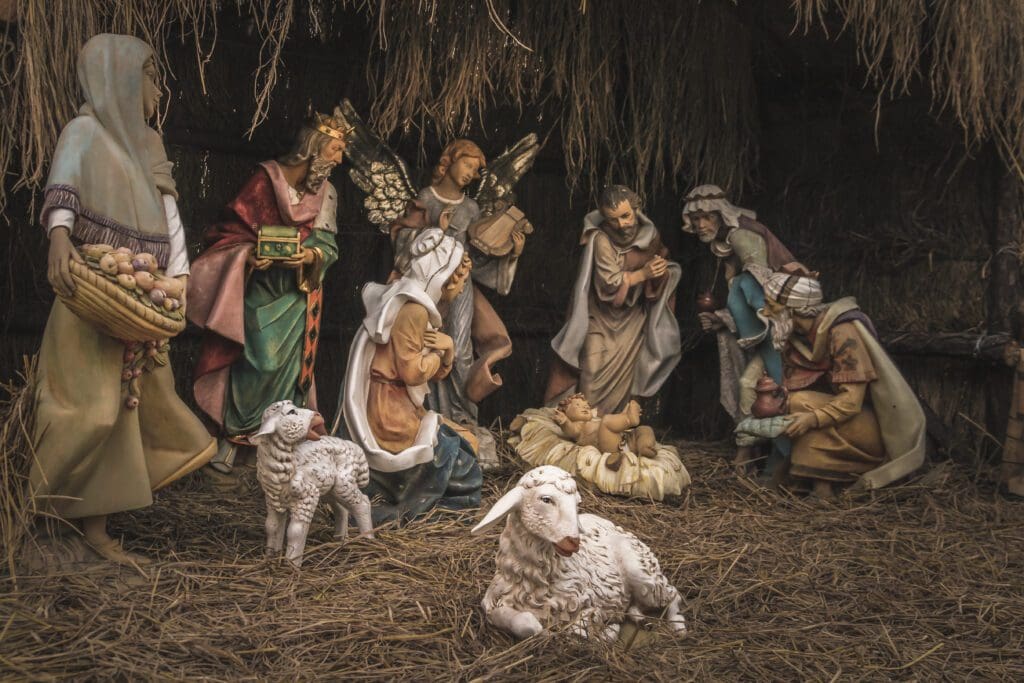
Nativity plays and nativity scenes are an integral part of Hungarian Christmas traditions.
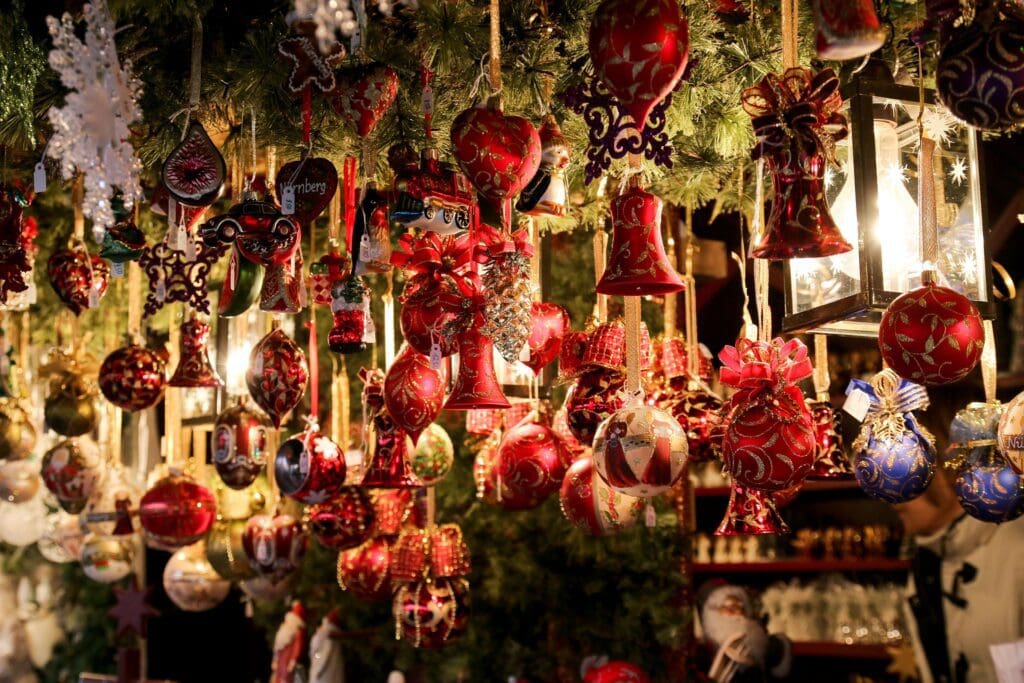
Hungarian Christmas markets regularly make it to the top of European rankings as the country prepares for the festive season.
It is a unique Hungarian Christmas tradition to decorate the Christmas tree with szaloncukor or ‘parlour candies’. This delicious Christmas treat is inseparable from the festive season in Hungary.
The massive electric vehicle-related investments that Debrecen has secured over the past year represent a major step in Hungary’s shift toward a more sustainable economic development.
Tivadar Csontváry Kosztka is now recognized as one of the greatest Hungarian painters who ever lived. The artist’s work, however, was discovered only a decade after he died in poverty.
Budapest’s iconic Hauer cake shop announced this month that due to the negative impact of the economic environment on the catering industry they were forced to close.
Altogether at least 700,000 Hungarians were taken to the Soviet Union by force to work in the infamous labour camps of the country. One third of these men and women
Fears of the escalation of the conflict are mounting as Serbia and Kosovo are unable to reach a consensus on the disputed Serbia-issued car number plates.