



‘Is Donald Trump really weakening Europe? Or is it the fact that we have admitted millions of people whom we are unable to integrate? Over a 50–100-year horizon, this will fundamentally reshape our societies.’
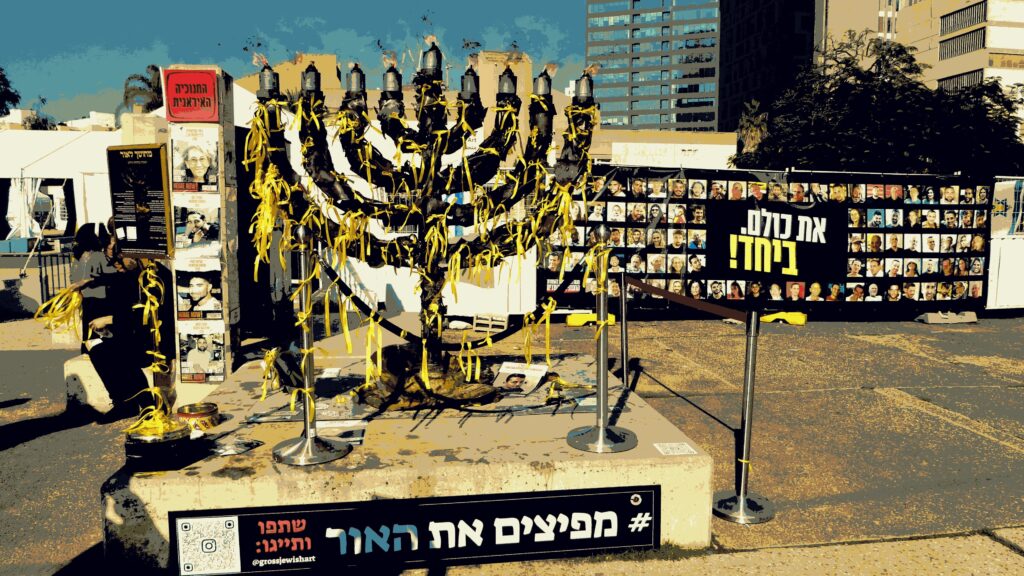
‘After 844 days, the clock counting the days of captivity of the Israeli hostages was finally switched off in Tel Aviv. The clock installed at Hostages’ Square became, over the past two years, a symbol of the grief- and hope-filled waiting endured by Israeli families.’
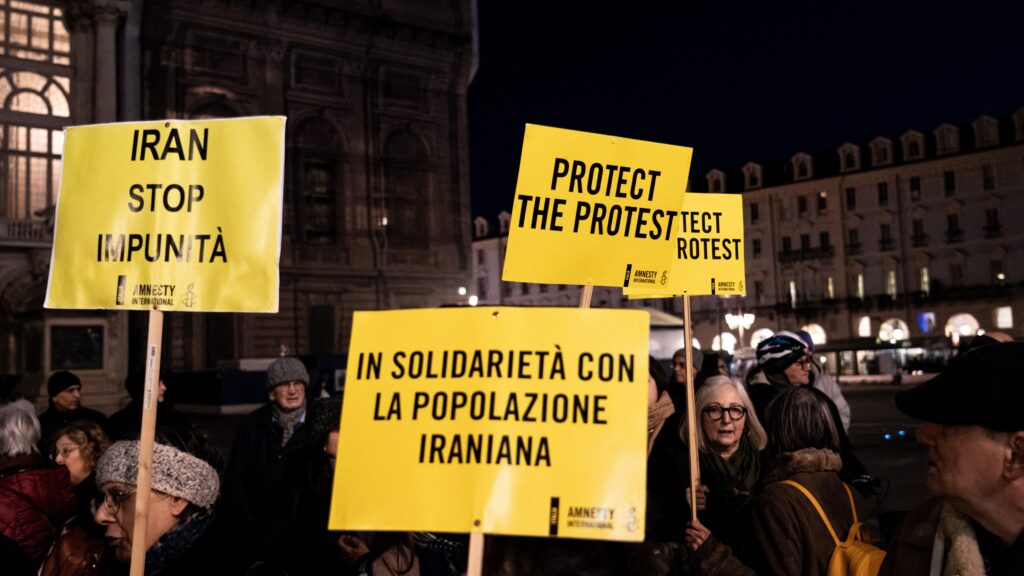
‘Iran’s latest wave of anti-government protests may have resulted in one of the bloodiest crackdowns in the country’s modern history.’
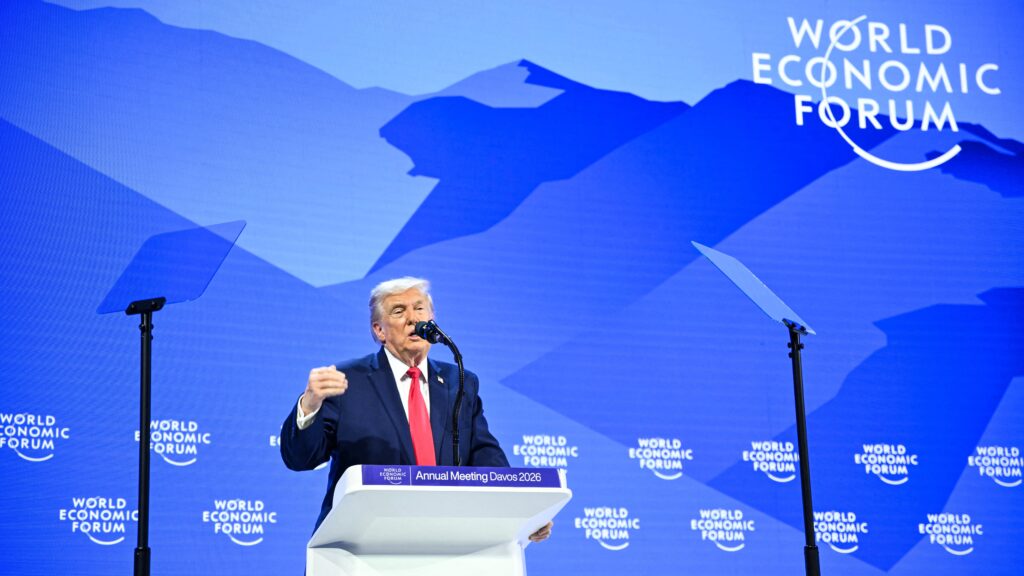
The four-day Greenland crisis ended in Davos after Donald Trump ruled out using military force to seize the island, which remains under Danish sovereignty. Instead, he signalled plans to expand the US role in the Arctic through a NATO agreement. The standoff reflects Trump’s familiar negotiating style—but what really happened?
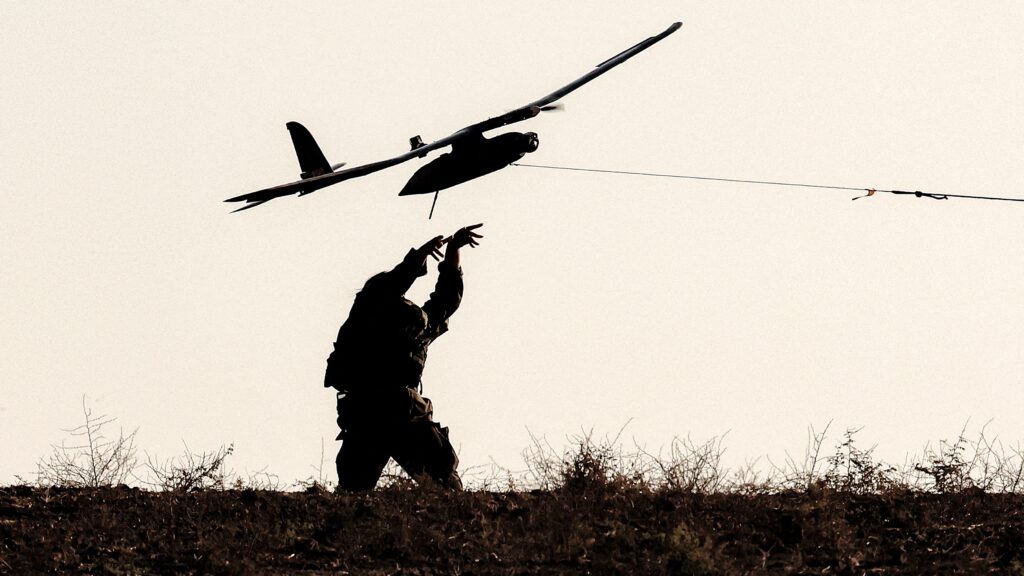
The head of Hungary’s biggest defence and space industry group held talks in Israel last week and did not return empty-handed. Hungary could become an important European hub for the distribution of Israeli drones.
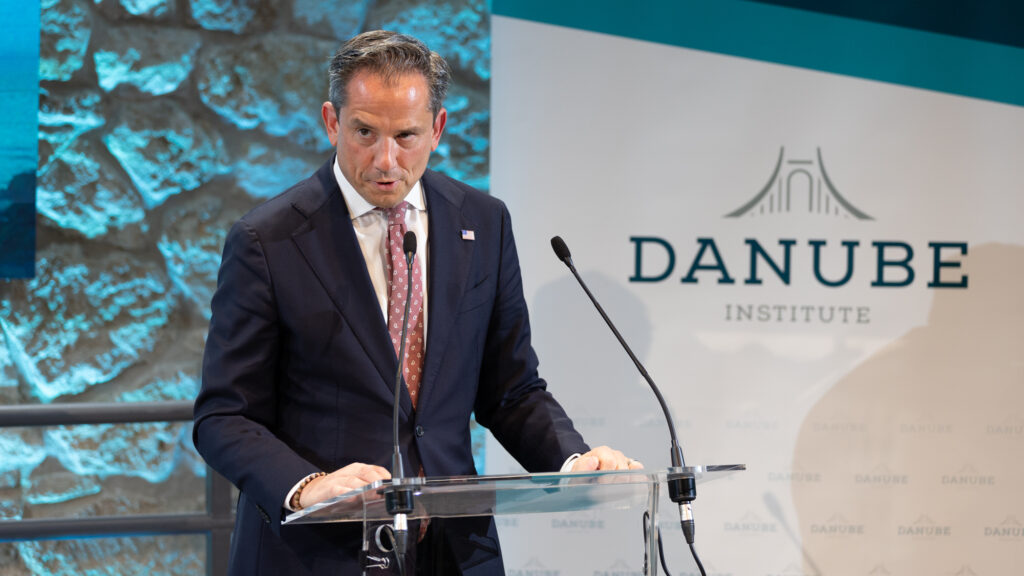
‘With Donald Trump taking office as US president, a whole new era began in Hungarian–American relations, which is also reflected in trade and investment volumes.’
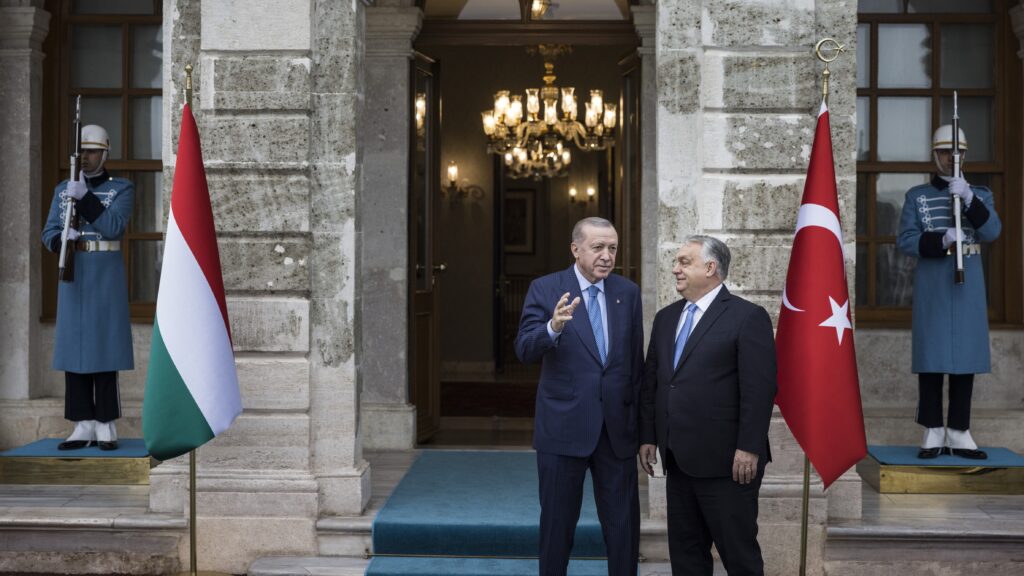
‘As part of the high-level meetings, Hungary and Türkiye also convened the first-ever session of the Hungarian–Turkish Consultation Mechanism, bringing together the foreign ministers, defence ministers and national security officials of both countries—a format Türkiye reserves only for its closest partners.’
Hungary has risen from sixth to second place among Israeli travel destinations, driven by public safety and Budapest’s pro-Israel policies. As Israeli tourism surges and travellers favour countries seen as friendly to Israel, Hungary is expected to welcome a record number of visitors this holiday season.
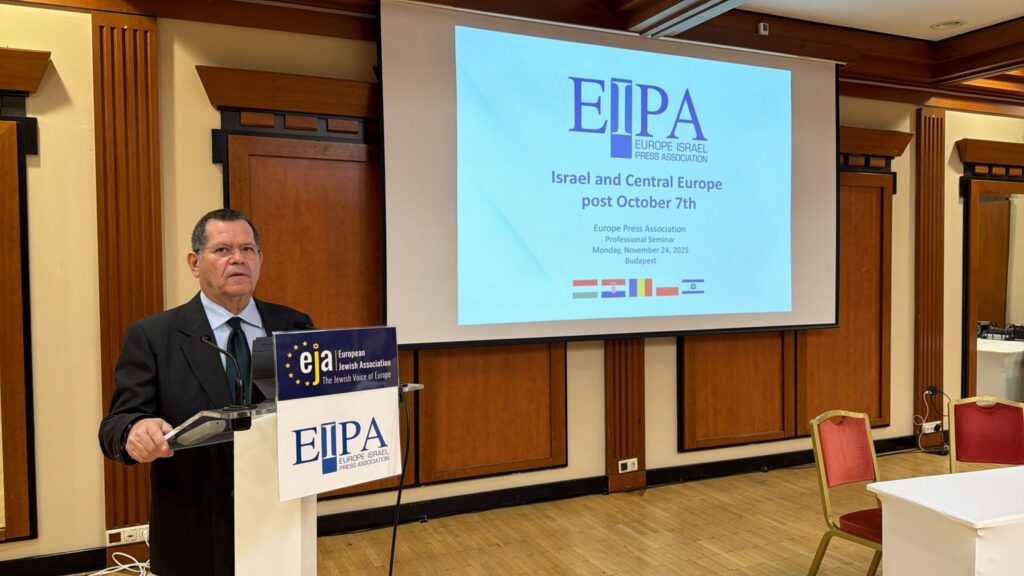
A high-level conference in Budapest on 24 November 2025 highlighted the growing strategic partnership between Israel and Central Europe. Hosted by the Europe Israel Press Association, it examined shifting Middle Eastern geopolitics, Europe’s security priorities, and disinformation undermining Israel’s right to self-defence.
‘“Within half a year, our bilateral relations gained new momentum, and the unsuccessful, troubled period may be replaced by a new American–Hungarian golden age,” wrote Minister of Defence Kristóf Szalay-Bobrovniczky on his social media page after meeting Chargé d’Affaires Robert J Palladino of the US Embassy in Budapest, who is leaving the capital upon the expiration of his interim mandate.’
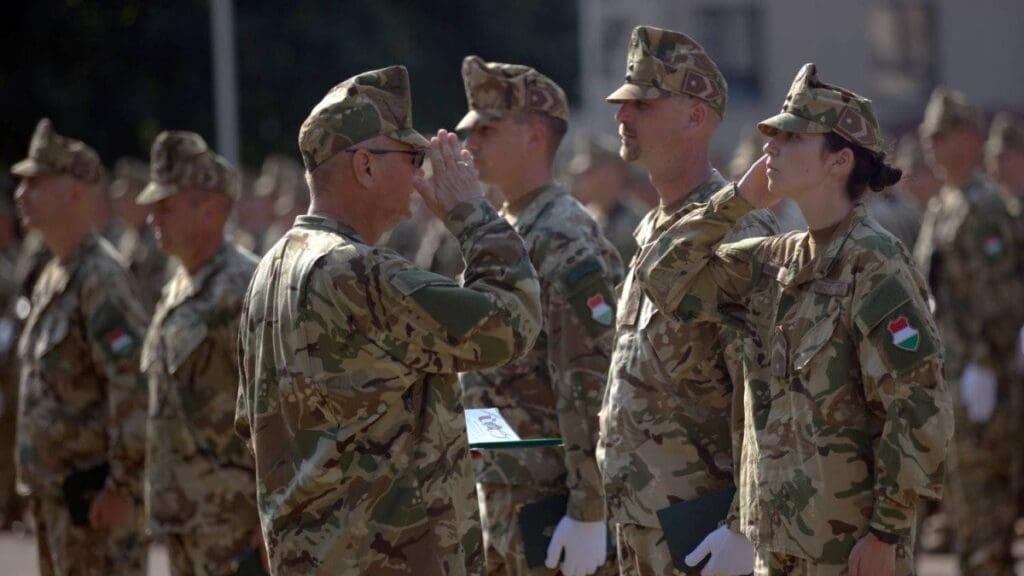
After a 16-year hiatus, Croatia is reintroducing mandatory military service—a move that several European countries have been considering amid growing security concerns across the continent. But what about Hungary?
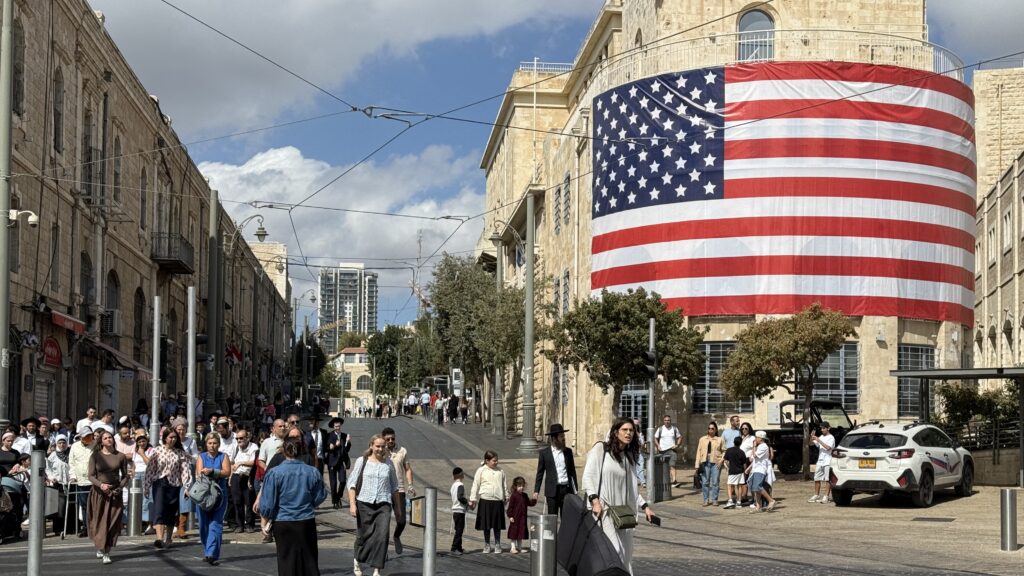
‘The road to peace is still long…But for now, the most important thing is that the first phase of Trump’s peace plan has proven acceptable to both parties. For 48 Israeli families, their nightmare of the past two years may finally be coming to an end.’
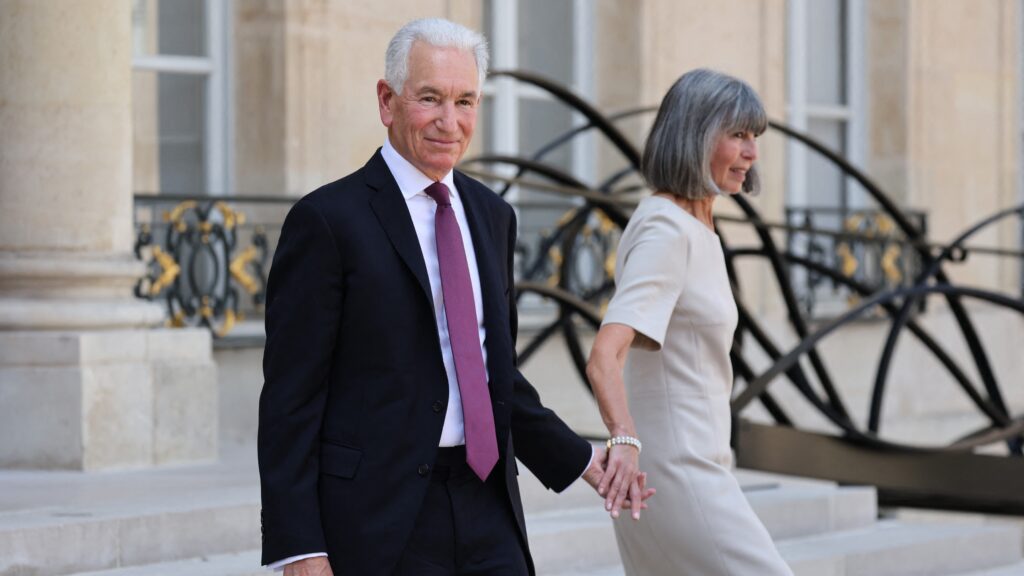
France has summoned US Ambassador Charles Kushner after he publicly accused President Macron’s government of failing to stem a dramatic rise in antisemitism. In his letter, he spoke of street assaults, vandalized synagogues, and defaced schools—echoing data showing roughly 1,570 acts in 2024, a historic surge.
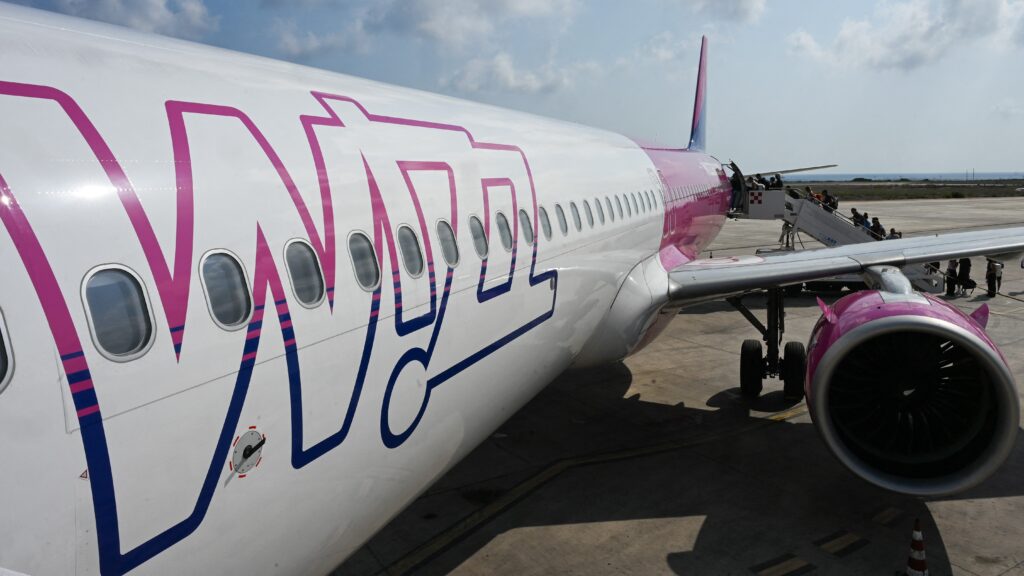
The Hungarian airline is planning to open a hub at Tel Aviv airport, but Israeli competitors may easily stand in its way. Executives of El Al have even lodged a complaint directly with Prime Minister Netanyahu against Wizz Air’s expansion.
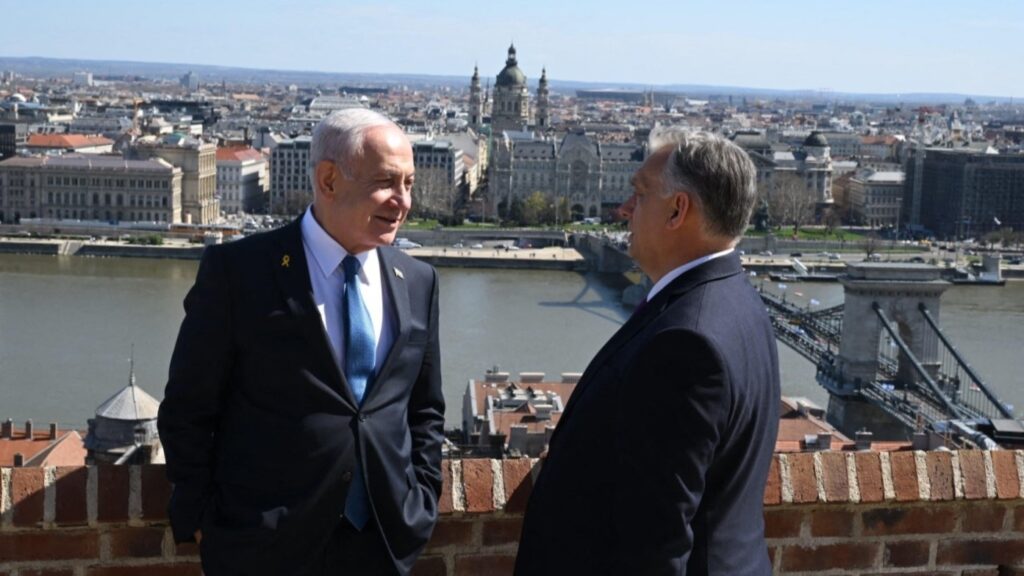
In April, Israeli PM Benjamin Netanyahu visited Budapest amid international controversy over an ICC arrest warrant. Hungary, rejecting the court’s legitimacy, announced its withdrawal from the ICC, later formalized in May. The ICC has since launched non-compliance proceedings, while Hungary claims the court is politically biased and vows not to cooperate.
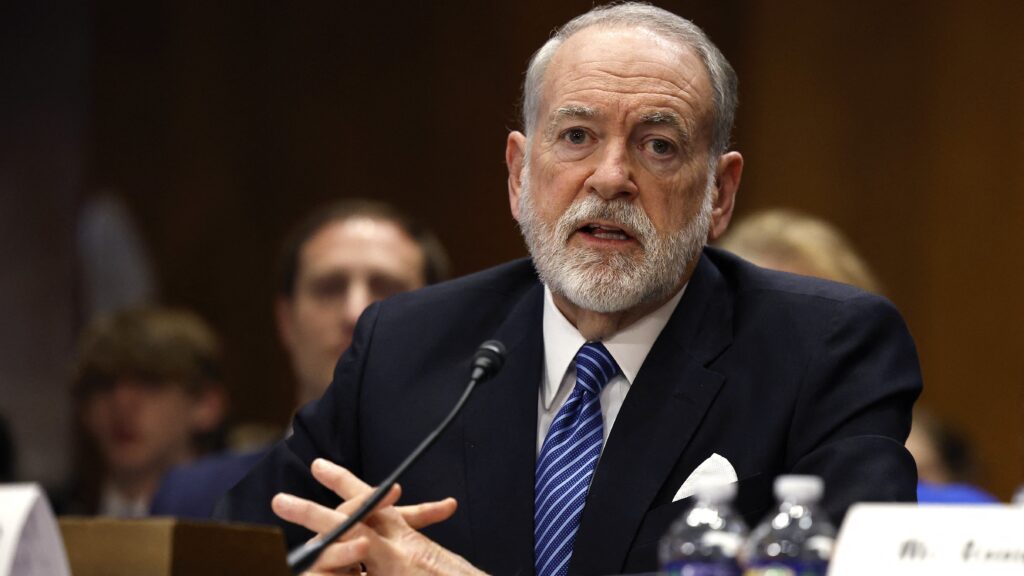
‘If the government of Israel continues to cause the expense and bureaucratic harassment for the granting of routine visas that for decades have been routine, I will have no other choice than to instruct our consular section to review options for reciprocal treatment of Israeli citizens seeking visas to the United States.’
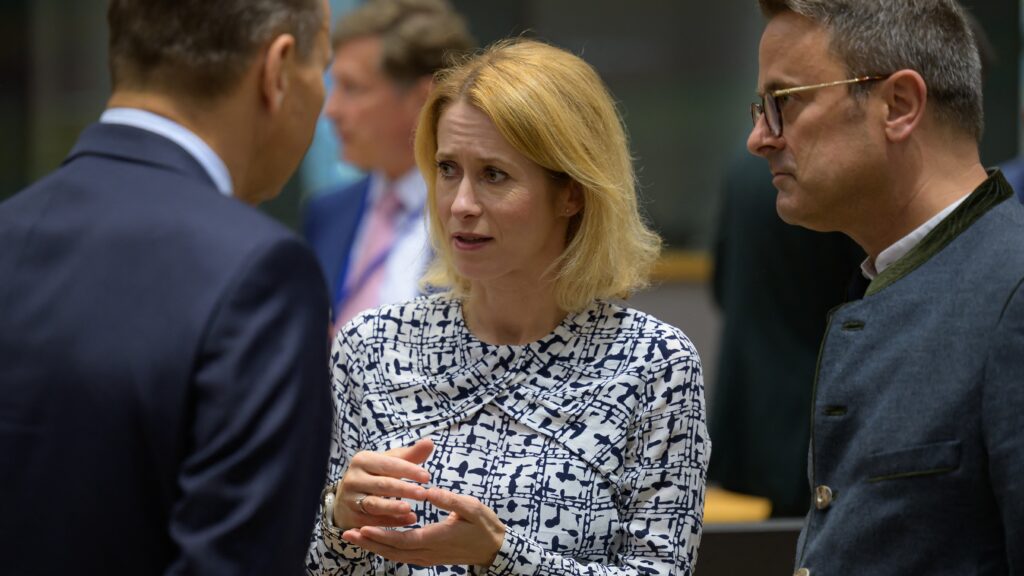
After opposition led by Hungary, the EU has softened its stance on Israel despite growing calls for sanctions and trade restrictions.
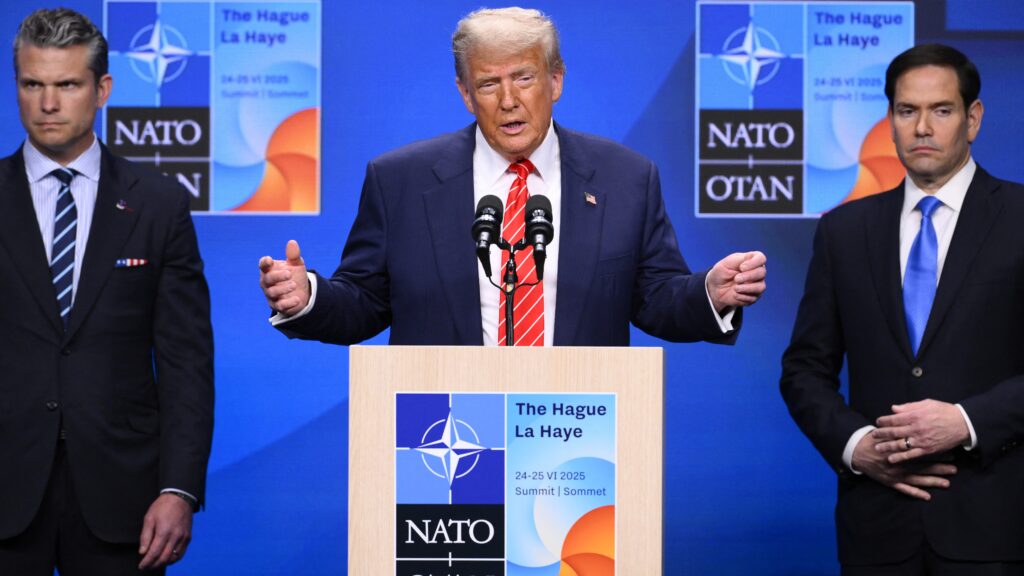
At the NATO summit in The Hague, leaders pledged record defence spending—5 per cent of GDP by 2035—marking the biggest shift since the Cold War. While Ukraine saw little progress toward membership, Donald Trump stole the spotlight with military success and strong support from allies, reshaping the summit’s focus toward core defence.
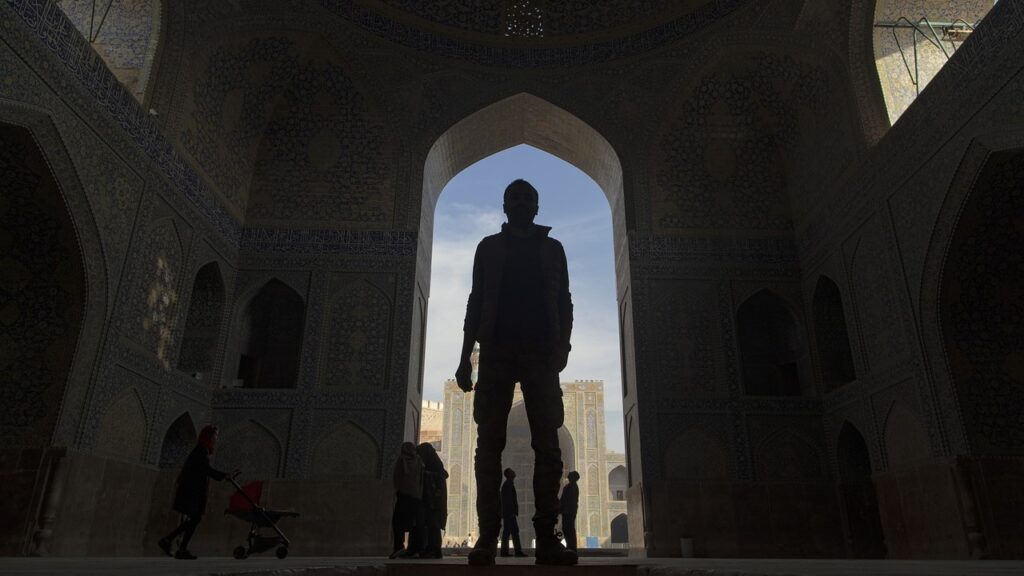
Israel’s 12-day offensive against Iran aimed to derail Tehran’s nuclear ambitions—an effort ultimately reinforced by a decisive intervention from Donald Trump.
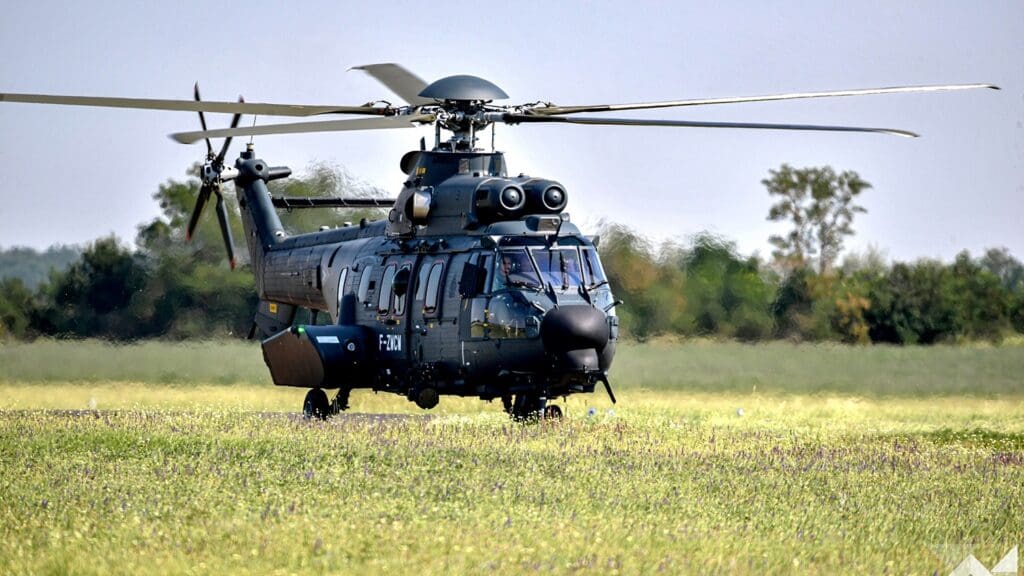
The 4iG Group and the Hungarian state-owned N7 Holding are jointly establishing Hungary’s first defence industry holding company with both state and private ownership. The new company is expected to boost competitiveness and increase defence exports.

European Commissioner for Intergenerational Fairness, Youth, Culture and Sport Glenn Micallef has proposed the exclusion of athletes from a country engaged in a legitimate war of self-defence against a terrorist organization. The EU was preparing further measures against Israel, although Hungary intervened.
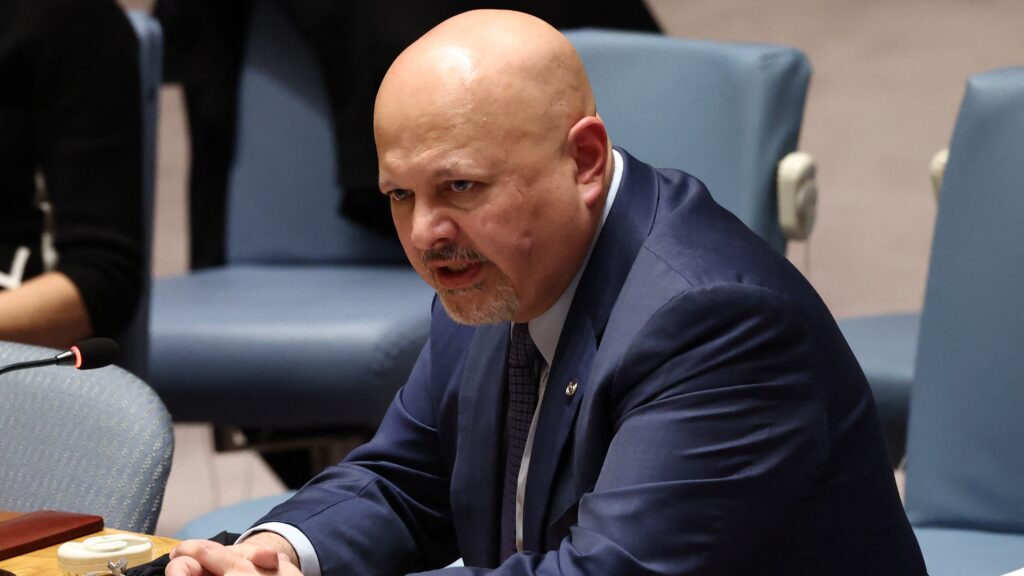
Following a vote by a vast majority, Hungary can now officially withdraw from the International Criminal Court (ICC), whose decision to issue arrest warrants for Israeli political and military leaders is facing growing scrutiny.
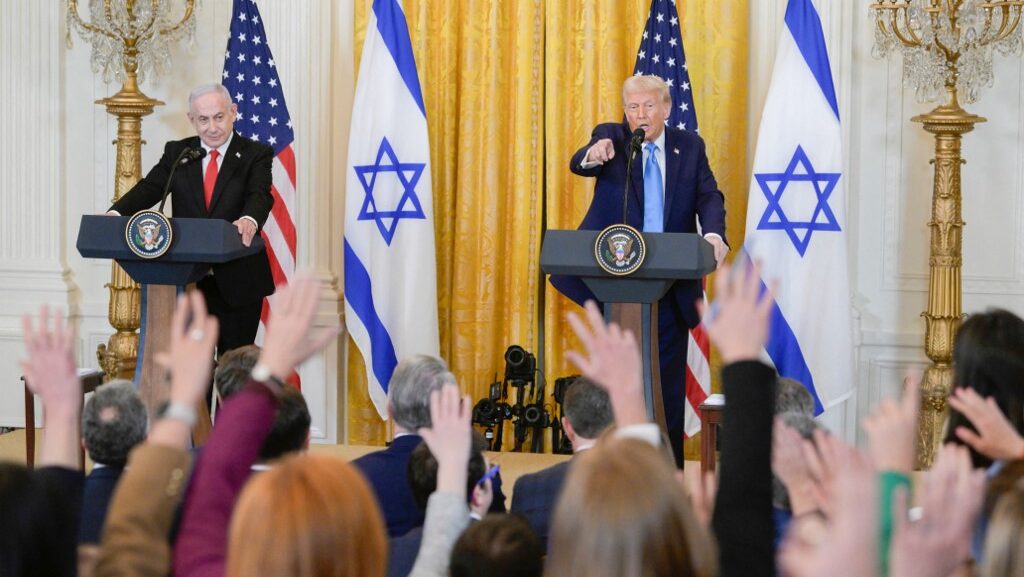
‘Tensions between the two sides do exist—even on strategic matters—and occasionally spill into public view. The key difference, especially compared to the Biden era, is that these leaks are not weaponized publicly. Instead, both parties swiftly work to defuse them.’
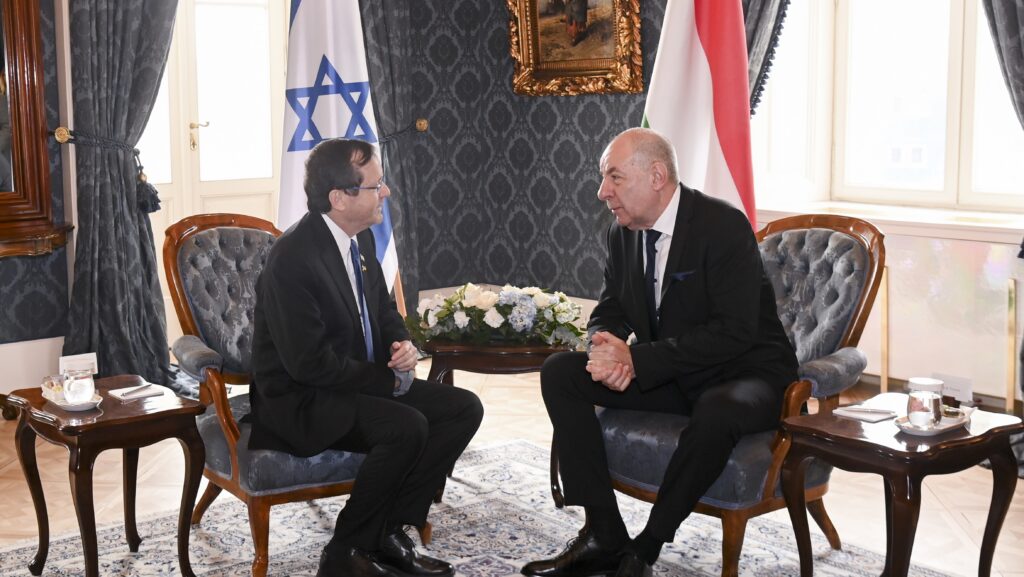
On 18 February 2025 Israeli President Isaac Herzog arrived in Hungary at the invitation of President of the Republic of Hungary Tamás Sulyok. According to Sulyok, a strong Israel is essential both for the fight against antisemitism and for a secure future for the Middle East and Europe. The Hungarian head of state emphasized that there is an ongoing dialogue between Hungary and Israel and that there are no problematic issues.
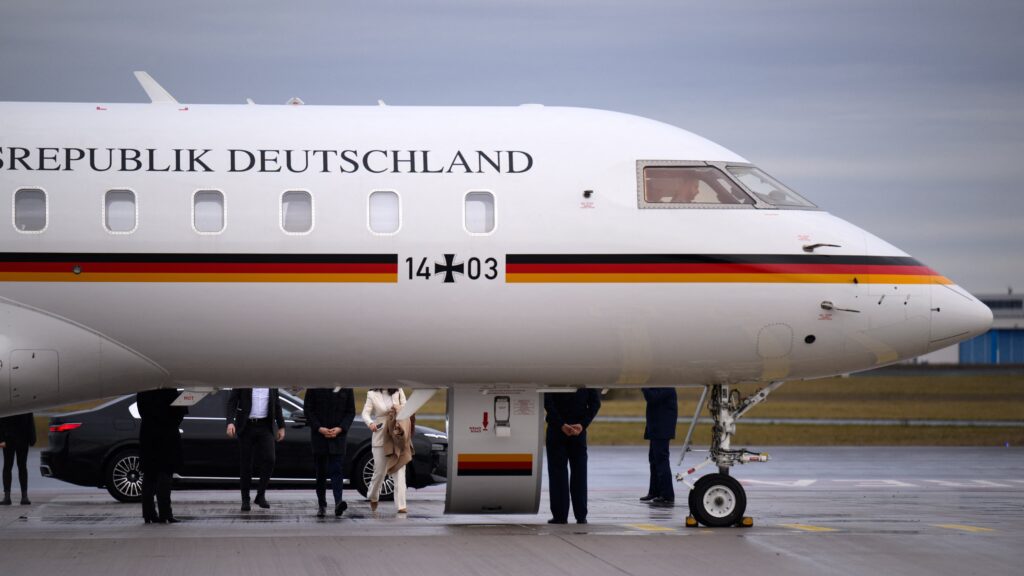
Prior to Russia’s invasion of Ukraine, about two-third of Germany’s eight brigades were combat-ready. According to Head of the German Armed Forces Association Colonel Andre Wuestner, that figure has declined to roughly 50 per cent due to the export of weapons and equipment to Ukraine.
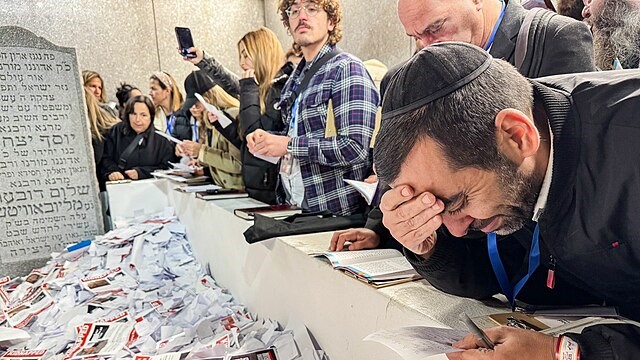
The sign of life the family received from Hungarian Israeli Omri Miran may have been a ray of hope to hold on to; nevertheless, Hamas’ threat has brought the ceasefire to the brink of collapse.
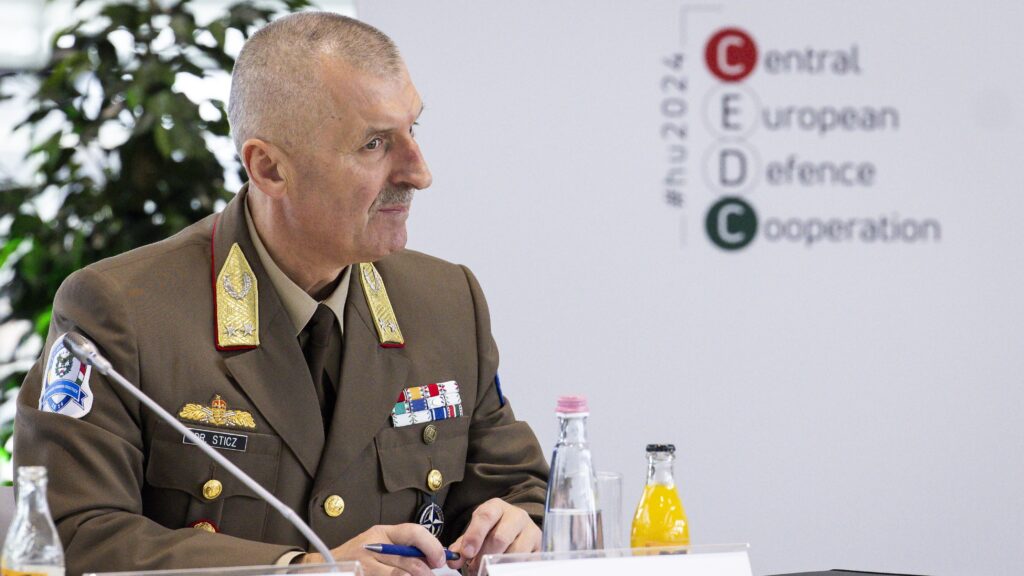
Along with the Hungarian commander, a Hungarian peacekeeping contingent was deployed in Bosnia and Herzegovina with about 400 soldiers. The HDF provided an air search and rescue team, an air evacuation team, an artillery team with dog patrols, medical support (ROLE-1 level), as well as logistical support and supplies with 250 personnel.
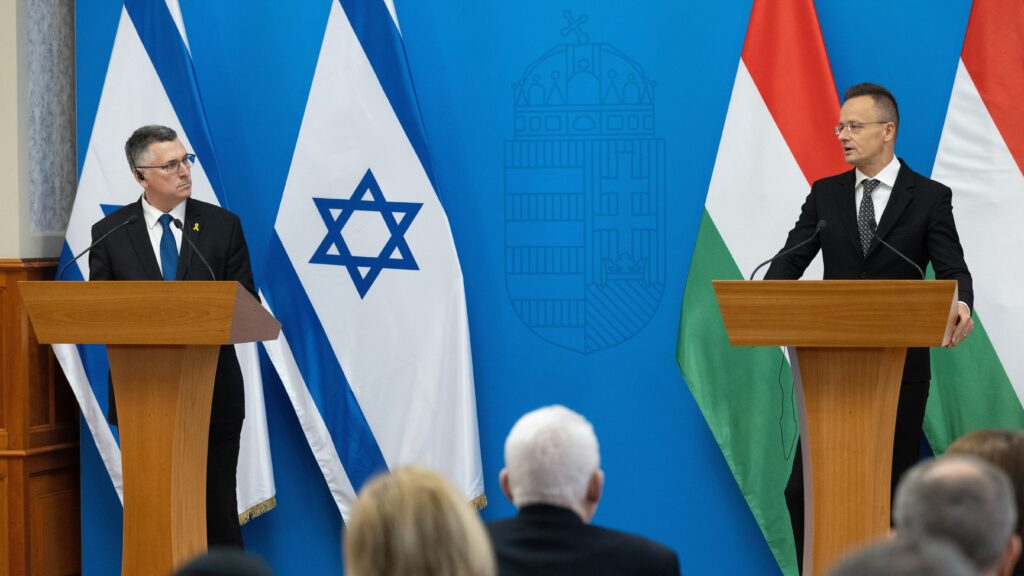
During his joint press conference with his Hungarian counterpart in Budapest today, the Israeli Foreign Minister thanked Hungary for standing by Israel at international forums. The press conference also addressed the situation of the Hungarian hostage held captive by Hamas.
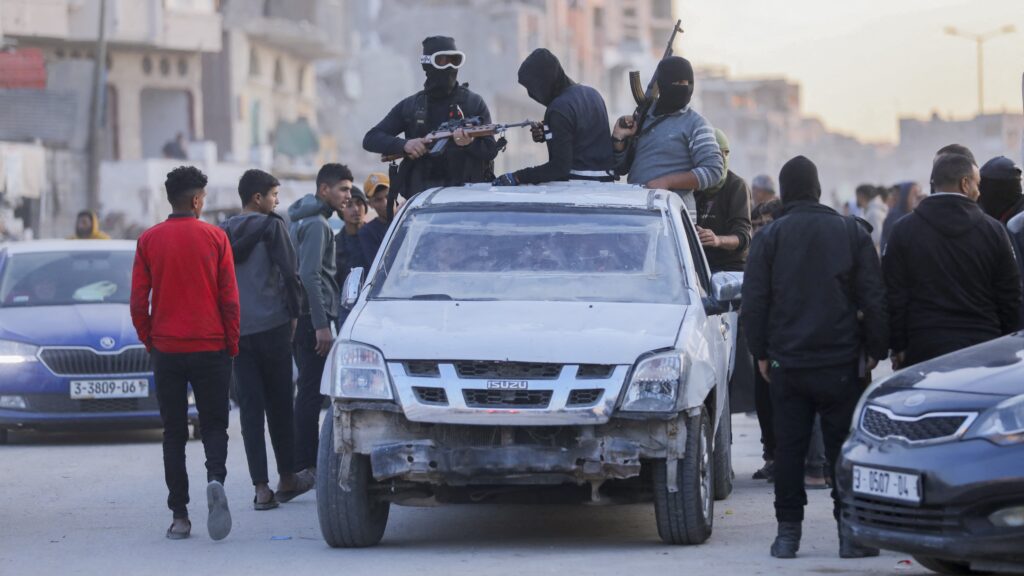
Hamas clearly used the hostage release as a shameless PR opportunity. The terrorist organization gathered a massive crowd in Gaza City’s central square, where uniformed Hamas militants staged a victory parade before handing over the three young women to the International Red Cross.
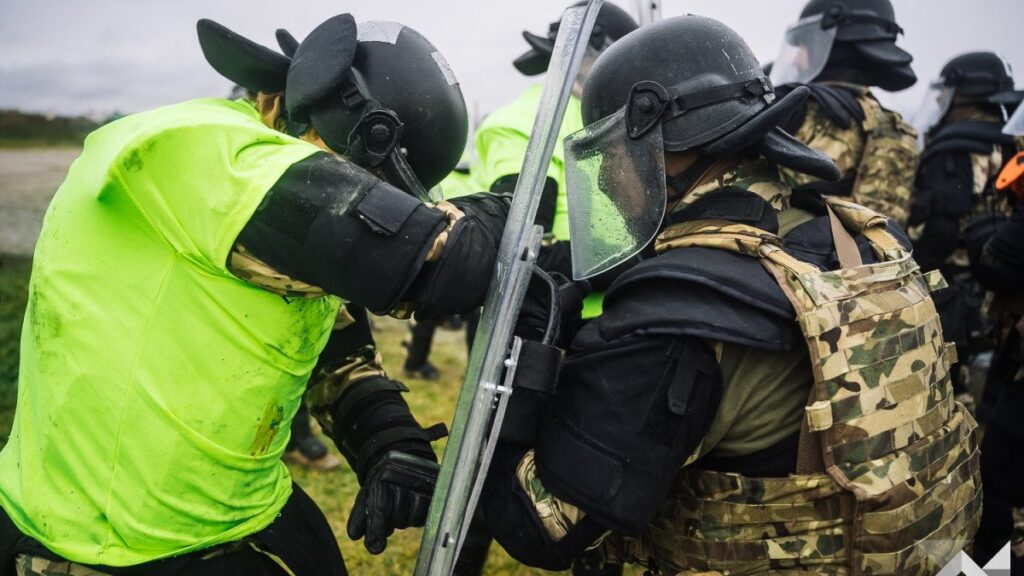
‘One of the key lessons of the exercise is that no situation is predetermined. Soldiers must respond to diverse scenarios with discipline, as every soldier is responsible not only for themselves but also for their comrades and the entire community,’ summarized Lieutenant Colonel Tibor Dancs, commander of the 31st rotation of the Hungarian KFOR contingent.