Two local newspapers in Ceuta reported on Thursday, 13 August, that Moroccan migrants who entered the Spanish enclave during the mass invasion from Morocco were involved in an alleged street rape of a ‘young Moroccan woman’, possibly also an immigrant.
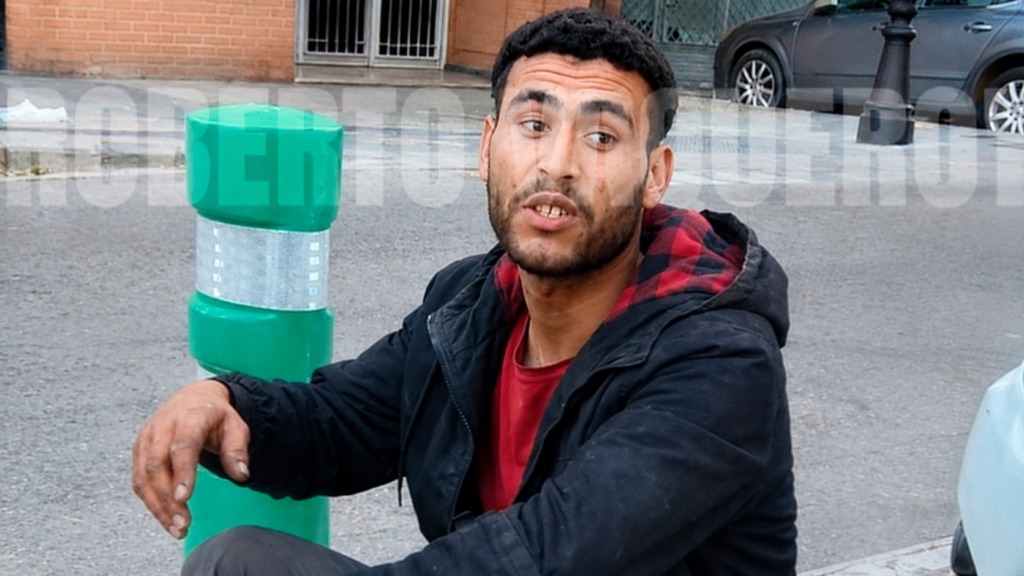
El Pueblo de Ceuta reported shortly after 11am that Policía Nacional officers encountered a man allegedly assaulting a young woman on Avenida de Lisboa at around 10am. Its headline identified the suspect as Moroccan. The man reportedly fled before officers from the Guardia Civil’s GRS unit caught him.
Minutes later, El Faro de Ceuta published a more detailed version, reporting that several Moroccan men who had arrived during the 30–31 July mass illegal invasion were involved in the incident. According to the newspaper, residents alerted police, one suspect was detained while others escaped, and a local resident recorded part of what happened.
Later reporting complicated the incident, as Ceuta TV and Teleceuta instead identified the detained man as a 63-year-old Spanish citizen and resident of Ceuta with previous convictions. Their reports described an intervention at essentially the same time and place, including the suspect fleeing before being detained by GRS officers.
There is currently no publicly available police or judicial statement on the alleged sexual assault.
The controversy comes only two days after Spanish judicial authorities disclosed ongoing proceedings in sexual assault cases against three Moroccan migrants who had entered Ceuta during the 30 July crossing. According to information released by the Andalusian judiciary and reported by Spanish media, two of the three suspects were placed in provisional detention, while a third was ordered to be expelled to Morocco.
The victims had also entered Ceuta during the mass invasion. Two of the cases involved minors, while one detained suspect additionally faced allegations that he had coerced a minor migrant into selling drugs.
Those proceedings form part of a wider series of complaints recorded since the border crisis began. By the first week of August, Ceuta courts were handling at least six cases of sexual assault connected to migrants who had arrived during the mass crossing. Medical services had also treated several Moroccan minors in connection with such complaints.
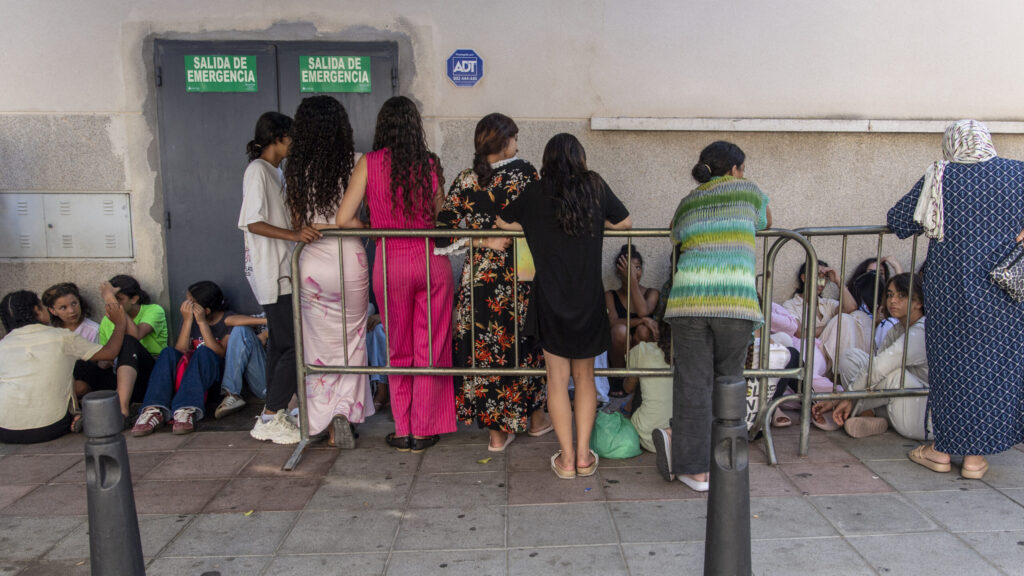
Spanish authorities and NGOs have already warned that the chaotic conditions created by the sudden arrival of tens of thousands of people left women and unaccompanied minors particularly vulnerable to violence, exploitation and trafficking.
‘Ceuta courts were handling at least six cases of sexual assault connected to migrants’
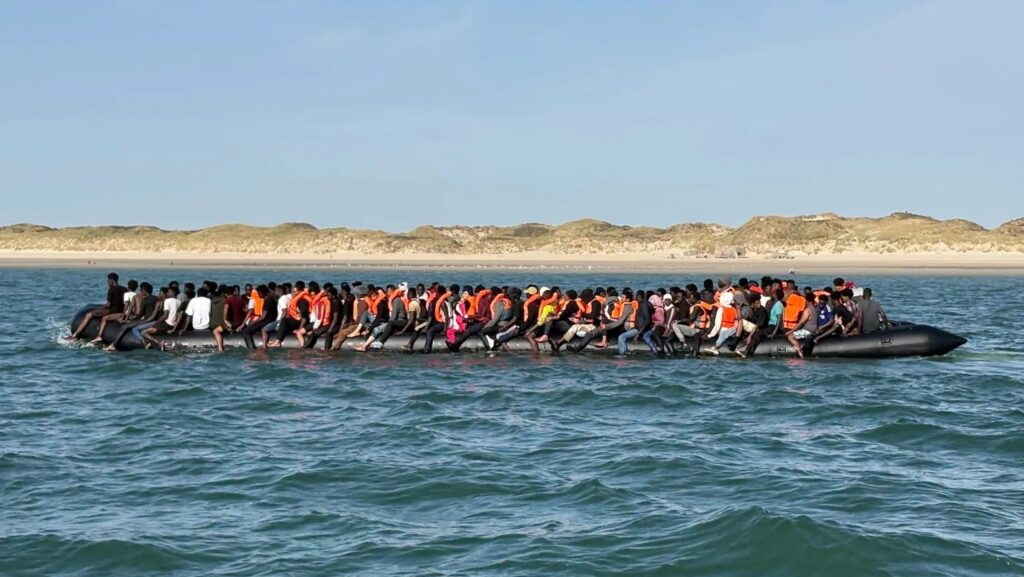
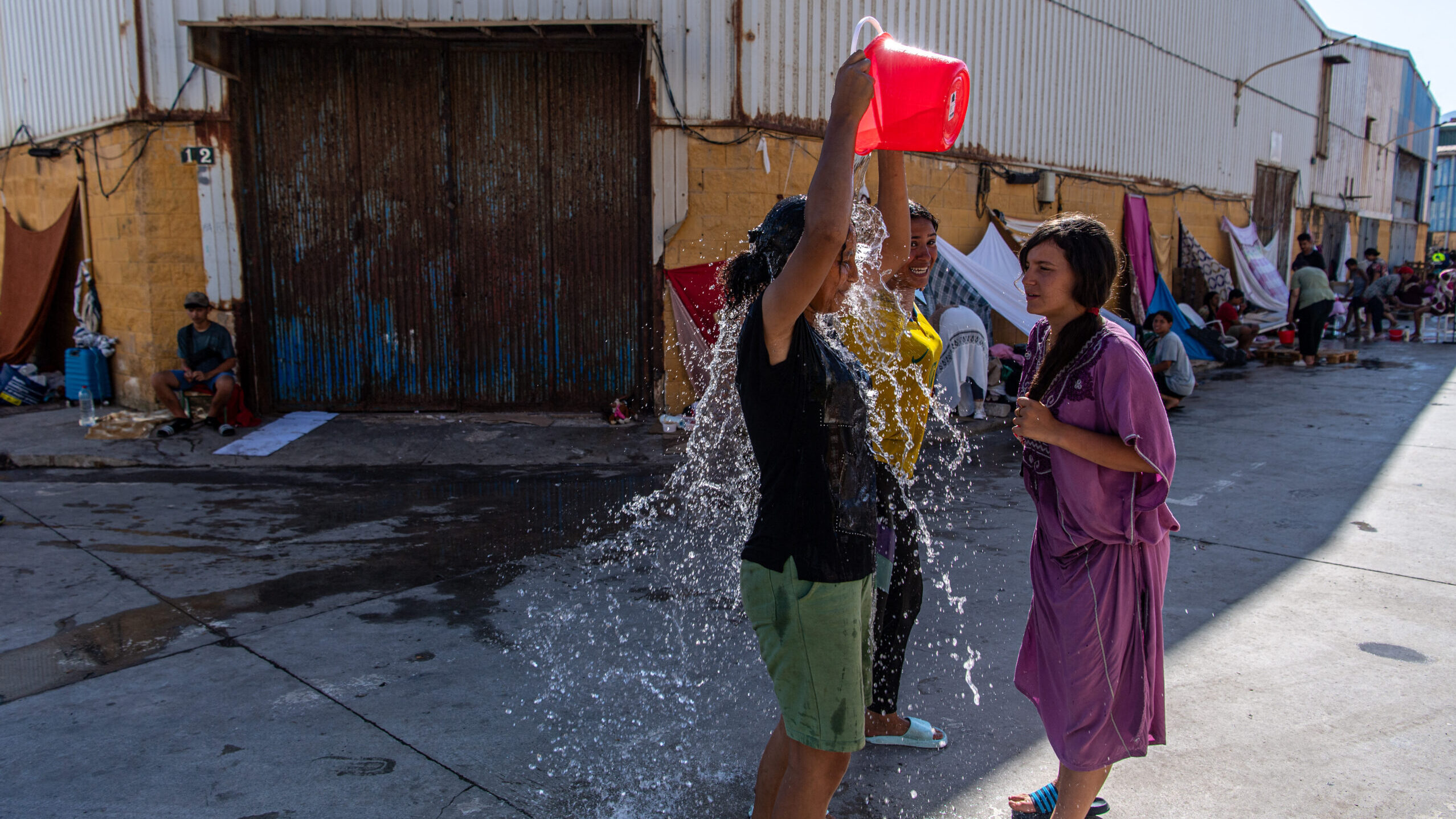
The allegations have added a serious public-security crisis to the aftermath of the 30 July invasion. Ceuta’s police, courts and reception services have remained under heavy pressure as authorities attempt to identify new arrivals, process removals and restore order in an enclave whose population was temporarily overwhelmed by the scale of the influx. During the two days, 72,000 to 80,000 illegal migrants stormed the Spanish enclave from Morocco, swimming around the Tarajal breakwater and breaching the city’s borders.
While Pedro Sánchez’s government claims that most of them returned almost immediately, Ceuta authorities, as well as social-media reports and footage, show that several thousand are still in the city, fuelling chaos and intimidating locals as authorities prepare for a possible second wave on 15 August.
Related articles:
At a time when public debate is increasingly polarized and superficial, Hungarian Conservative remains committed to depth, intellectual honesty, and independent conservative thought.
Producing high-quality journalism requires resources. Your contribution helps us expand our coverage, reach new audiences, and keep our content accessible.

Please consider supporting our mission.