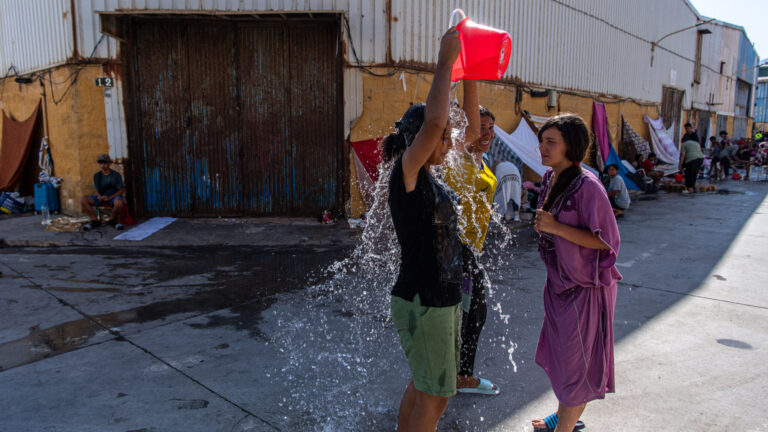
Budapest is facing a future of more frequent extreme heat, tropical nights and storms, meaning the city will need a new approach to climate adaptation, Mayor Gergely Karácsony said on Friday, citing data from professional climate studies.
Karácsony said every simulation and scenario examined indicates rising temperatures across Budapest. By the middle of the century, the city could experience an additional one to three and a half weeks of heat alert days and two to four additional weeks of tropical nights each year.
This means temperatures currently considered exceptional could become a regular feature of summer, he said. Heat alerts will increasingly have to be treated not as emergency events but as a seasonal operational task for the city.
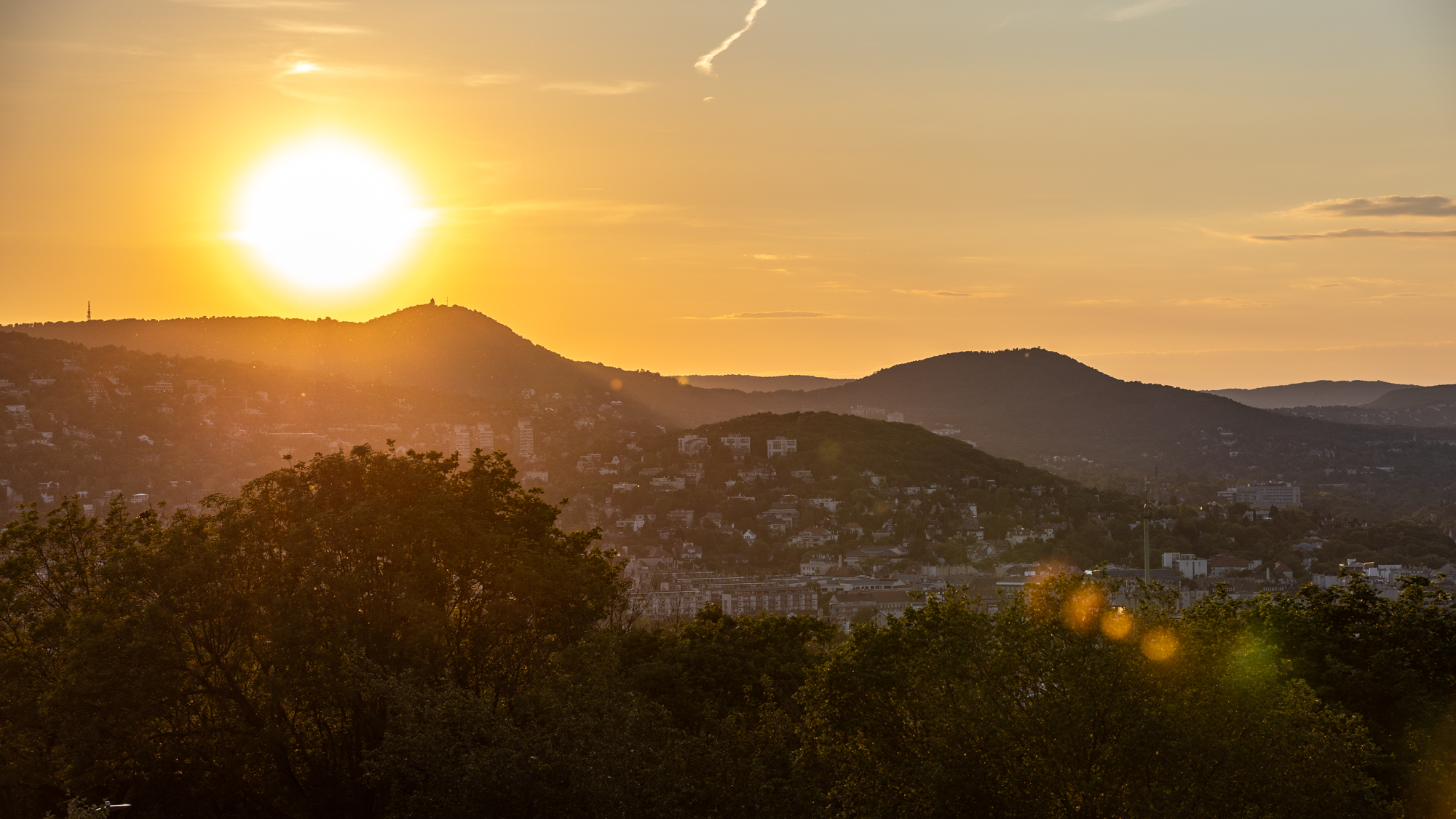
The impact will not be evenly distributed across Budapest. The largest increase is expected on the Pest side, while the smallest rise will occur in the Buda Hills. The city centre is also expected to remain Budapest’s hottest area.
‘Budapest can only be prepared for this together and with a new approach,’ Karácsony said, adding that the capital had already been moving in this direction in recent years.
He said the city had used available EU funding for green development, water management, sustainable energy and greener transport, although relatively little EU funding had reached Budapest during the previous government. He added that the use of newly secured EU funds and the financial consolidation of the city should enable Budapest to expand these efforts.
The climate assessment also projects a slight increase in annual precipitation. Average rainfall could rise by around 1 per cent between 2030 and 2050 and by 3–5 per cent between 2050 and 2070.
However, rainfall patterns are expected to change significantly. Precipitation is projected to decrease during summer while increasing in the other seasons. All simulations indicate a rise in the number of days with more than 10 millimetres of rainfall.
The annual number of stormy days could increase by between three and 13 days, creating additional pressure on the maintenance of tree-lined streets and green spaces and on the operational safety of overhead utility infrastructure, Karácsony said.
According to a study by the Climate Department of the Mayor’s Office, most of Budapest could experience warming of between 3 and 5 degrees Celsius, while some areas of the outer Pest districts, particularly recently developed parts of the city, could see increases of more than 6 degrees.
Related articles:
At a time when public debate is increasingly polarized and superficial, Hungarian Conservative remains committed to depth, intellectual honesty, and independent conservative thought.
Producing high-quality journalism requires resources. Your contribution helps us expand our coverage, reach new audiences, and keep our content accessible.

Please consider supporting our mission.