The following is a translated and edited version of an article by Anita Farkas, originally published in Hungarian on 24 July 2026 in Mandiner. Translated by Ildikó Antal-Ferencz.
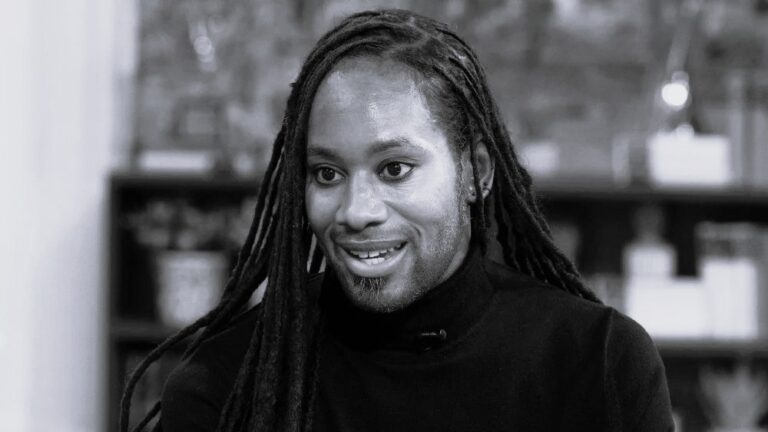
Antal-Ferencz Ildikó was born in Transylvania and graduated in economics in Budapest. She has worked as a freelance journalist (and occasionally as a blogger) for more than ten years. She continued this work in the USA, where she moved with her family in 2022 for three years because of her husband’s job. Although she has been living in Hungary again, the subject of the Hungarian diaspora in North America has remained close to her heart, and she continues to present the lives of people and communities living there who remain committed to their Hungarian identity and faith.
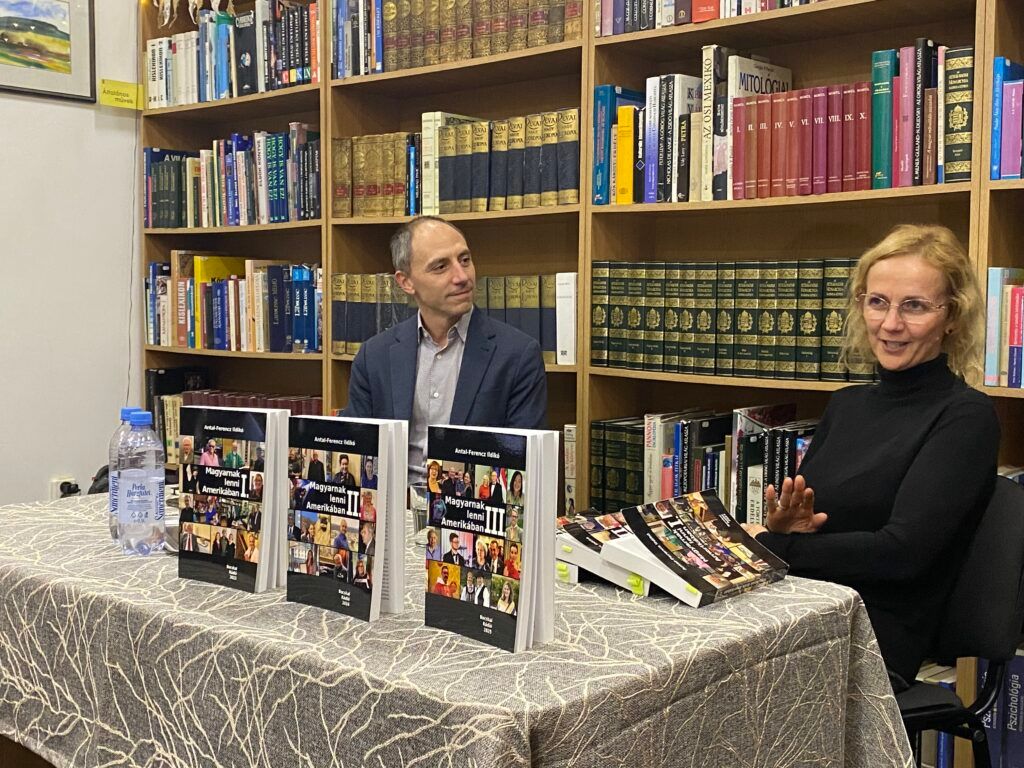
In February, she published a collection of 45 interviews (largely at her own expense), which she has presented at more than 20 locations in the Carpathian Basin. This autumn, she is planning further book presentations in order to spread the word about Hungarians living in the North American diaspora, whose difficulties and joys she knows just as well as their everyday lives. When they moved to the USA in 2022, she says, they practically knew nobody in the area; only her husband had Hungarian–American contacts, thanks to a university year he had spent in New York some two decades earlier. Nevertheless, their family soon became active participants in the local Hungarian communities in New Jersey, namely in Passaic/Garfield and New Brunswick. In addition, they regularly attended Hungarian events in New York City and elsewhere on the East Coast, and later in more distant member states and Washington, D.C.
Although Ildikó accompanied her husband and children to America without any specific professional plans, she ultimately wrote more than 200 articles on the Hungarian diaspora, including 120 interviews, with first- and second-generation Hungarian Americans committed to their language, culture, traditions, and their local communities and organizations. These articles were first published in various newspapers in Hungary. From her second year onwards, she started to translate the interviews into English for the Diaspora column of the Hungarian Conservative. She eventually also published these interviews in book form—five volumes in total—under the titles Magyarnak lenni Amerikában I, II and III, and Being Hungarian in America I, II, published by Bocskai Radio in Cleveland, OH. She also presented them personally to Hungarians living in North America through more than 50 book presentations, mostly organized and financed by herself.
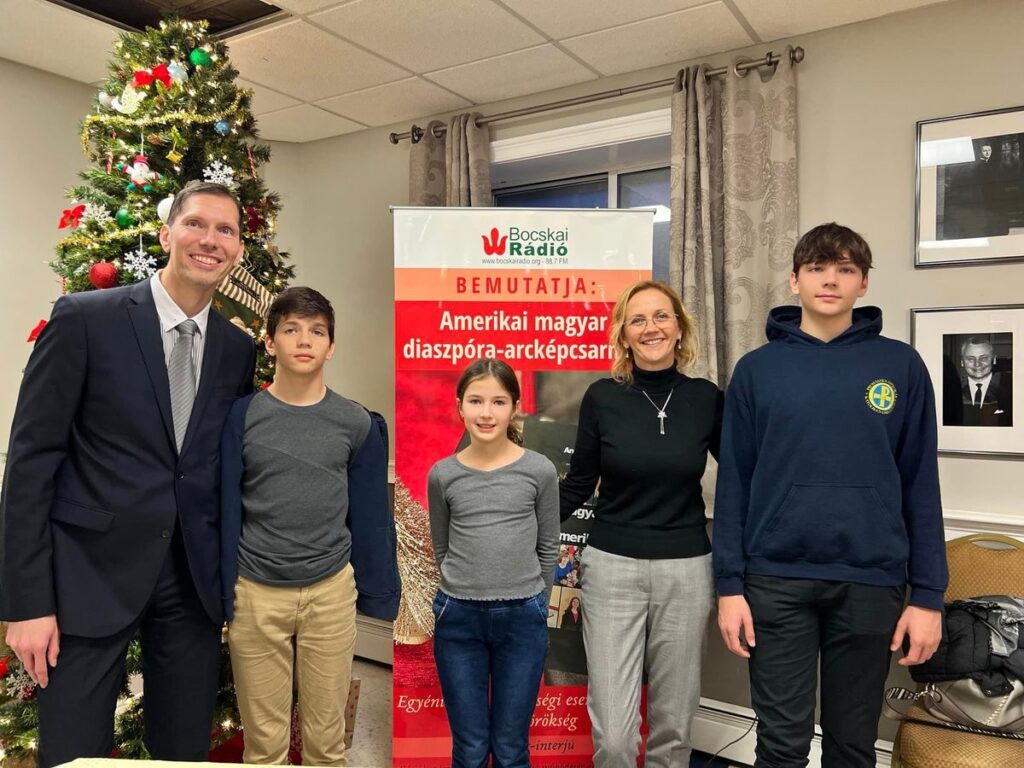
The interviewees, who live in nearly 25 states—not only those with a ‘higher concentration’ of Hungarians—as well as in Canada, differ considerably in terms of their personal life stories, gender, age, profession, and place of residence. Among them are post-World War II so-called DPs (‘displaced persons’) and 1956 refugees, as well as immigrants who left Hungary and the Carpathian Basin both before and after 1990, i.e. the political regime change.
The youngest interviewee appearing in the book is 17 and a half, while the oldest is 95 years old. What they have in common is that they are all committed to Hungarian communities at both local and diaspora levels—and not only within their own families. Through voluntary work in Hungarian weekend schools, scouting, churches, folk-dance and other tradition-preserving groups as well as civil organizations, they live and pass on the Hungarian language, culture and traditions. Most of them represent local and diaspora-level organizations such as, among others, the American Hungarian Federation (AHF), the Hungarian American Coalition (HAC), the Hungarian Scout Association in Exteris (KMCSSZ), the Association of Hungarian American Schools (AMIT), the American Hungarian Educators Associations (AHEA), the Hungarian Society of Cleveland, etc. There are also lesser-known community members and leaders among them, as well as people working in science, the arts, and the media, along with numerous honorary consuls.
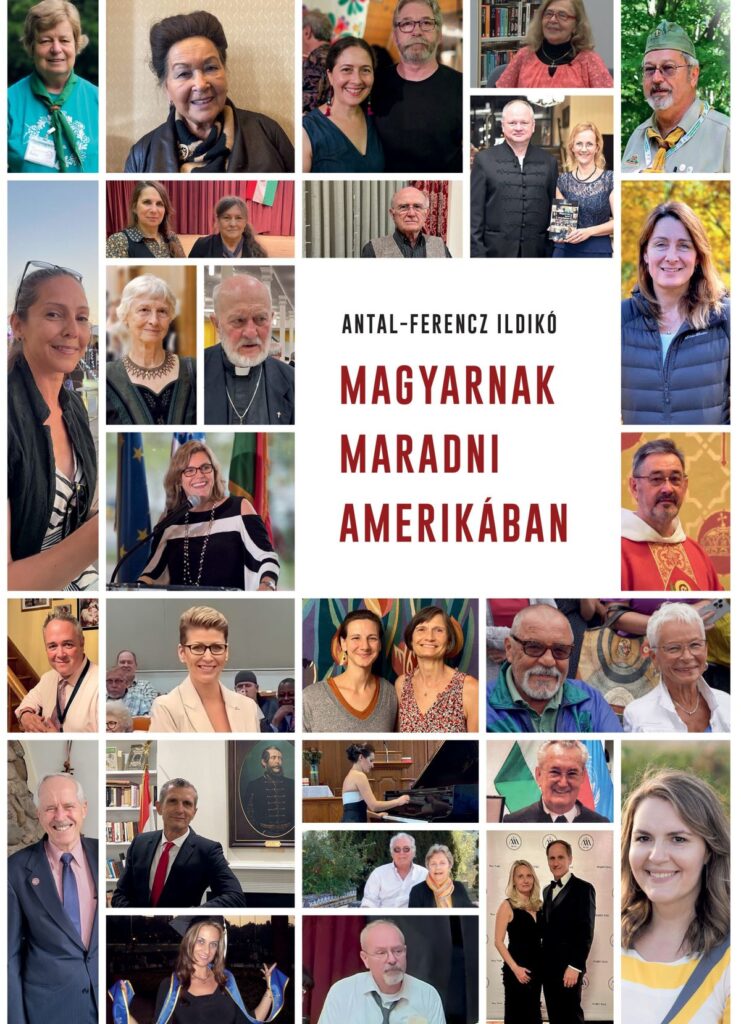
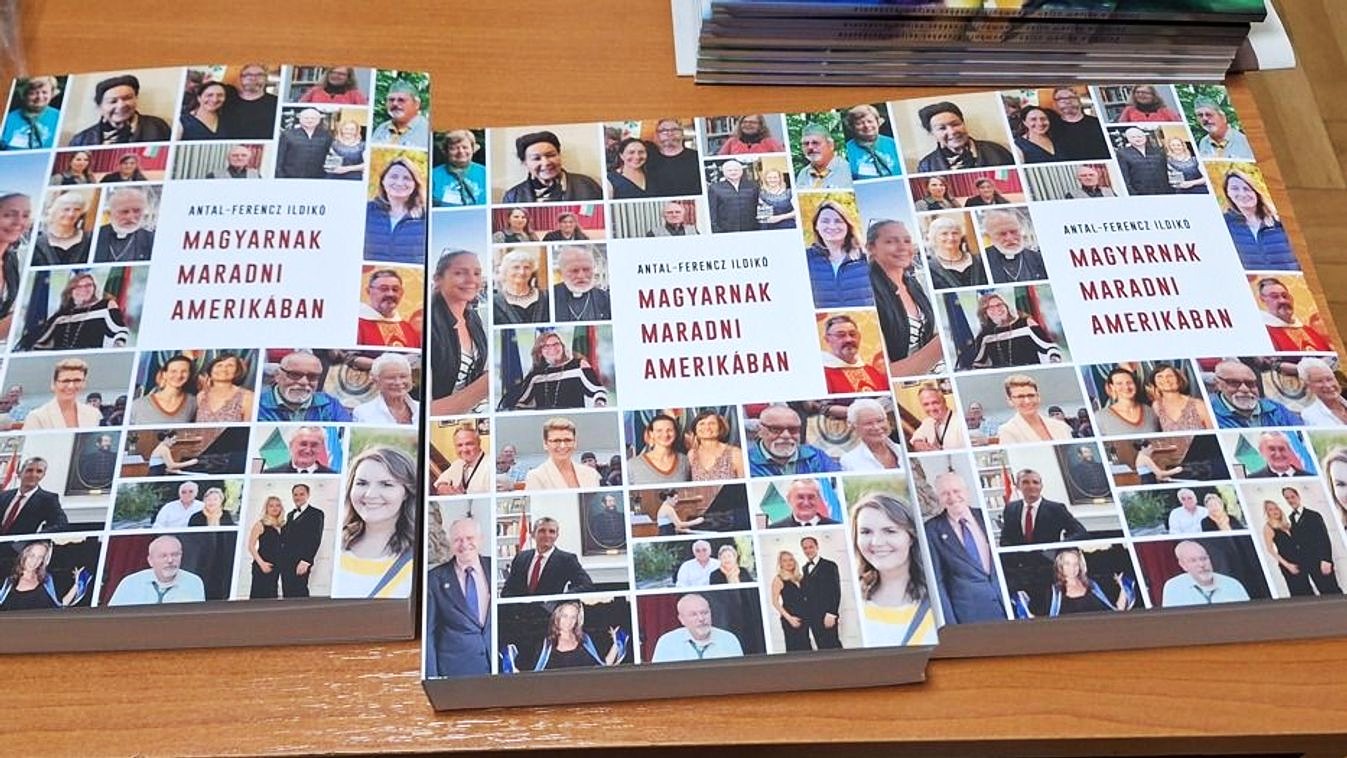
The author continued conducting diaspora life-story interviews even after the publication of the original five volumes, and indeed after moving back to Hungary, and she has no plans to stop anytime soon. As releasing the American-published volumes on the Hungarian market would have been difficult and costly, in February 2026 she published a selection of 45 interviews at her own expense, with the help of the Budapest-based Fekete Sas publishing house, under the title Magyarnak maradni Amerikában (Remaining Hungarian in America). Similar to the original interviews and book series, this compilation does not merely reveal exciting and instructive stories (of escape, for instance), but also provides insight into the everyday life of the Hungarian diaspora in the USA and its capacity to create and preserve values.
The substantial volume—nearly five hundred pages long—was first presented on 4 March at the seat of the Friends of Hungary Foundation. The author subsequently held book signing events at numerous venues and book fairs in Budapest and the surrounding area, in several Hungarian cities and beyond Hungary’s borders, offering insights not only into the lives of her interviewees but also into her own personal and professional life, while drawing important conclusions concerning the future of Hungarians living in North America.
The book can be purchased online. Anyone wishing to obtain a signed copy should contact the author directly at ildikoantalferencz@gmail.com.
Antal-Ferencz Ildikó: Magyarnak maradni Amerikában, Fekete Sas Publishing House, 2026.
Related articles:
Read the original article here.
At a time when public debate is increasingly polarized and superficial, Hungarian Conservative remains committed to depth, intellectual honesty, and independent conservative thought.
Producing high-quality journalism requires resources. Your contribution helps us expand our coverage, reach new audiences, and keep our content accessible.
Please consider supporting our mission.