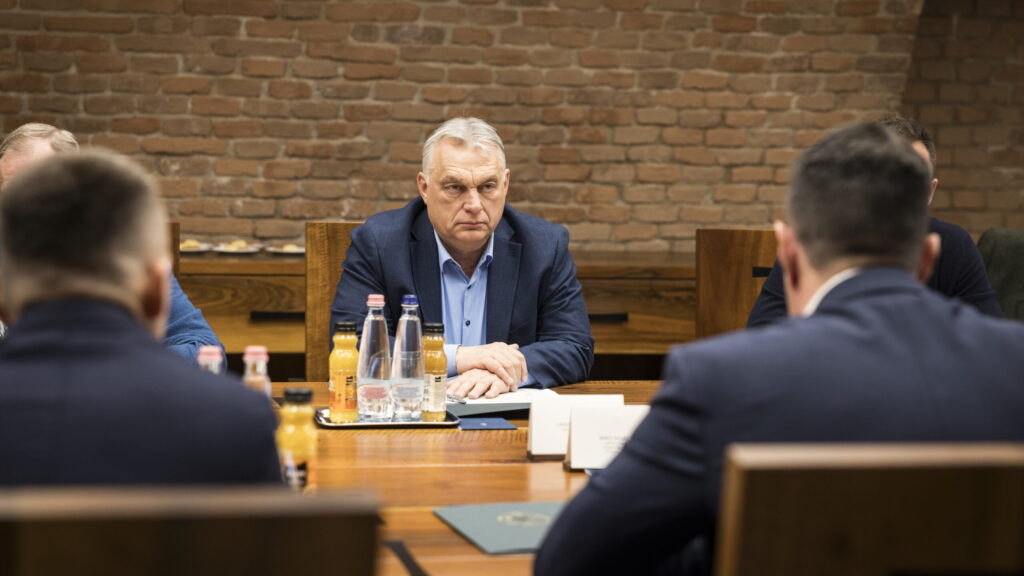
Hungary will introduce protected fuel prices for petrol and diesel, Prime Minister Viktor Orbán announced on Monday in a video message published on Facebook.
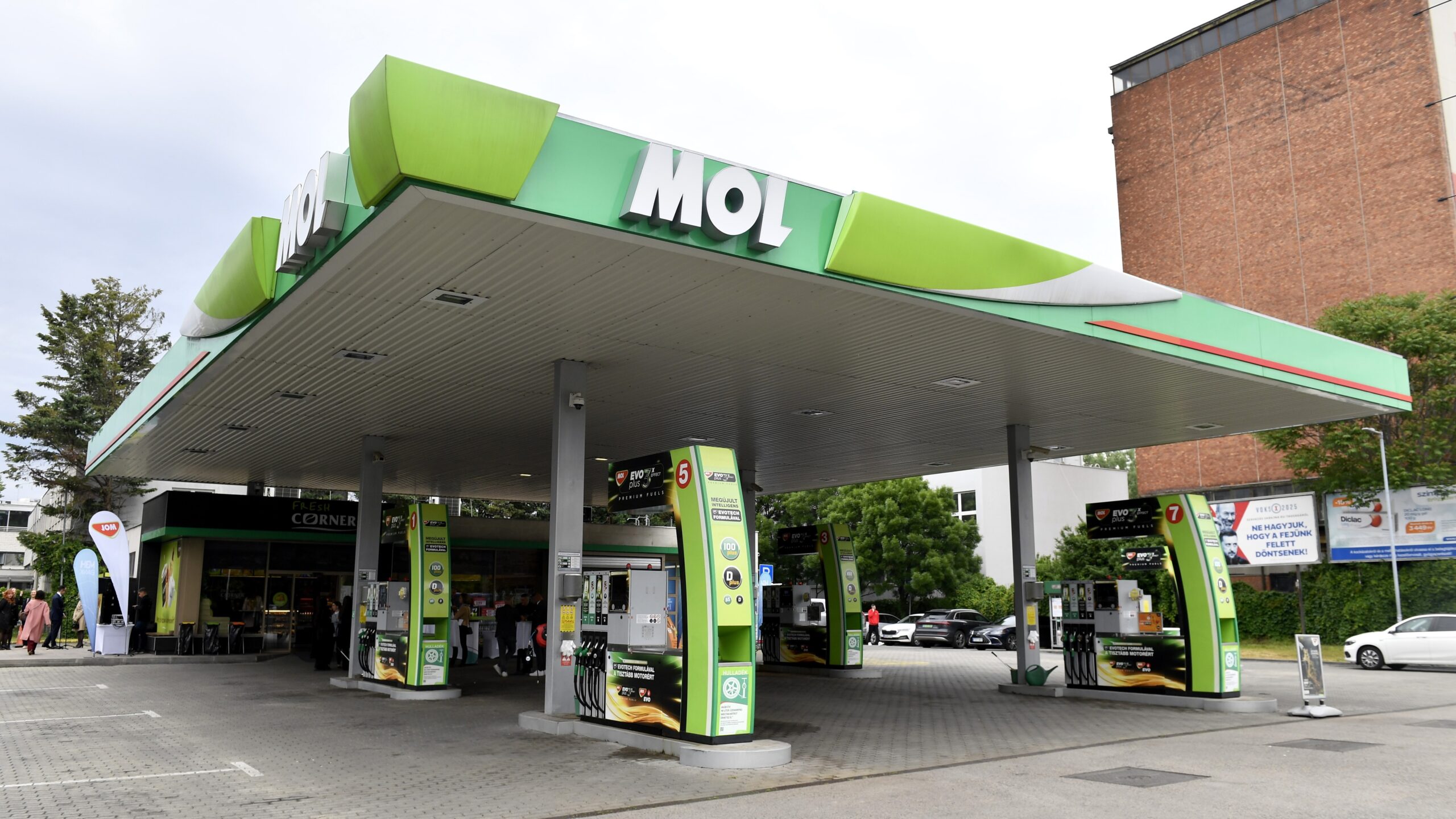
Under the measure, which takes effect at midnight, the retail price of petrol will be capped at 595 forints per litre, while diesel will have a maximum price of 615 forints per litre. Fuel retailers will not be allowed to sell above these limits. Orbán said the government would also release state strategic fuel reserves to ensure a stable supply during the period of regulated pricing. The protected price will apply only to vehicles registered in Hungary with Hungarian licence plates and registration documents. In addition to private motorists, the measure will also cover farmers, transport companies and businesses. The prime minister said the decision was prompted by rising international oil prices, which he linked to the ongoing war and what he described as an oil blockade affecting Hungary through Ukraine.
According to Orbán, fuel prices have begun rising sharply across Europe, prompting the government to act. ‘For this reason, the government has decided to protect Hungarian families, businesses and farmers,’ he said.
In a separate commentary accompanying the latest inflation data, the Ministry for National Economy argued that Ukraine’s closure of the oil pipeline was intended to drive up fuel prices, increase inflation and worsen Hungary’s economic situation.
The ministry said the government’s response was aimed at shielding households and companies from the impact of rising global energy prices. Officials also emphasized that the administration continues to pursue measures designed to strengthen purchasing power and keep inflation under control.
Among these measures are wage increases, including an 11 per cent rise in the minimum wage and sector-specific pay increases, as well as tax reductions such as income tax exemptions for mothers under 40 with two children and the doubling of the family tax allowance.
The ministry also noted that the government had extended and expanded its policy of reducing retail margins on certain products, which it said had contributed significantly to lowering inflation and stabilizing prices.
Related articles: