A large majority of Hungarians reject both Ukraine’s suspension of oil transit through the Druzhba pipeline and the European Union’s push to phase out Russian energy, according to a new survey by Századvég.
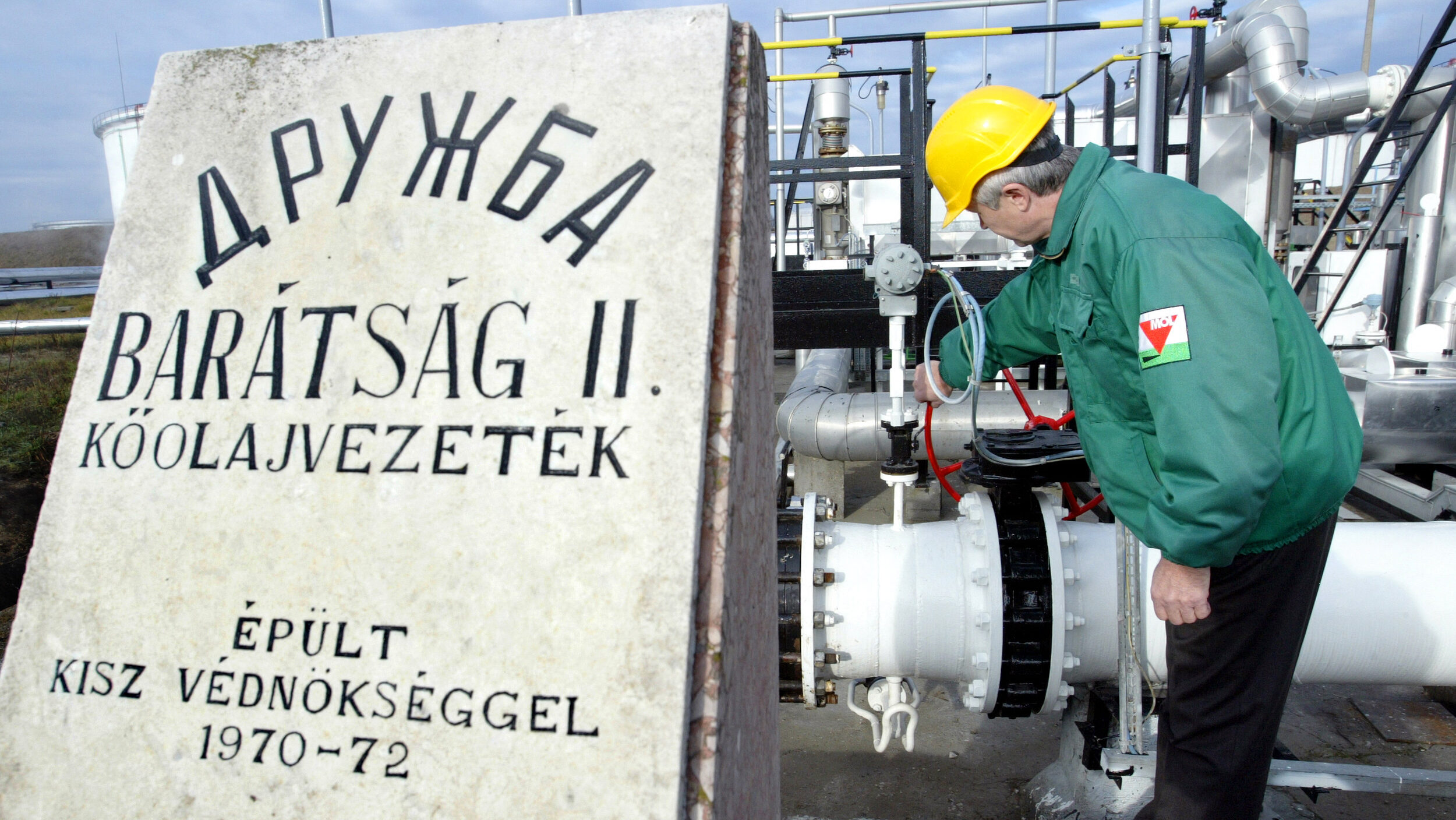
The poll found that 89 per cent of Hungarian adults are aware that Ukraine has halted crude oil deliveries towards Hungary and Slovakia, effectively cutting off Russian supplies via the Druzhba pipeline. The move has become a central political issue, as Budapest and Bratislava argue that the route remains technically operational and accuse Kyiv of deliberately withholding transit.
Public opinion appears strongly aligned against the decision. Among respondents with a clear view on the matter, nearly three-quarters said they do not agree with Ukraine’s politically motivated action. According to Századvég, many Hungarians believe the blockade could lead to fuel supply disruptions and rising prices, influencing domestic politics in the final stage of the campaign ahead of the April parliamentary election. The report indicates that two-thirds of respondents believe both Ukraine and Brussels are seeking to influence Hungary’s elections, with many also suspecting that the opposition could play a role in this process.
The survey also highlights widespread opposition to the EU’s energy policy. 62 per cent of respondents said they disagree with the European Commission’s efforts to ban Russian energy imports, even if such measures are justified on perceived geopolitical grounds. Concerns over energy security and price stability remain decisive factors shaping public attitudes.
Oil transit through Druzhba has been halted since 27 January, despite Hungarian and Slovak claims that the route is technically operational. In response, Orbán announced last Friday that Hungary will block the €90 billion loan—agreed by EU leaders in December 2025, with Czechia, Slovakia, and Hungary opting out—until Ukraine resumes transit on Druzhba.
‘62 per cent of respondents said they disagree with the European Commission’s efforts to ban Russian energy imports’
The move followed coordinated steps by Budapest and Bratislava, including halting diesel exports to Kyiv. Slovak Prime Minister Robert Fico also warned that Slovakia would cut electricity exports to Ukraine if transit is not restored, while Hungarian Minister of Foreign Affairs and Trade Péter Szijjártó blocked the 20th sanctions package at Monday’s Foreign Affairs Council.
Citing intelligence reports, Orbán also ordered reinforced protection of critical energy infrastructure, including troop deployments and a drone ban in the border region of Szabolcs-Szatmár-Bereg county over the risk of potential Ukrainian sabotage.
On Friday, Orbán announced that Hungary and Slovakia will establish a joint investigative committee to examine the condition of Druzhba, calling on Ukrainian President Volodymyr Zelenskyy to restart transit immediately.
Related articles:
At a time when public debate is increasingly polarized and superficial, Hungarian Conservative remains committed to depth, intellectual honesty, and independent conservative thought.
Producing high-quality journalism requires resources. Your contribution helps us expand our coverage, reach new audiences, and keep our content accessible.

Please consider supporting our mission.